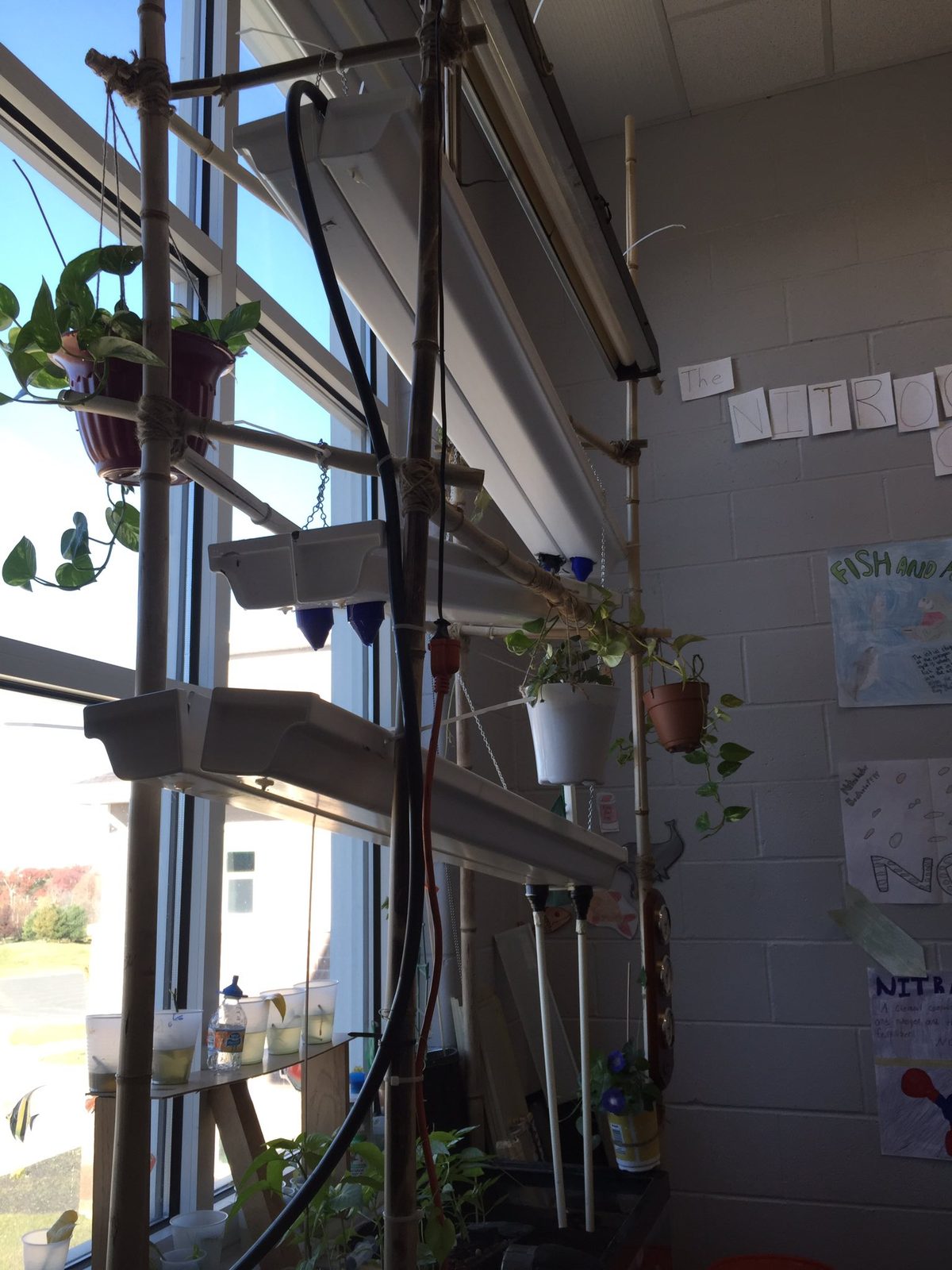
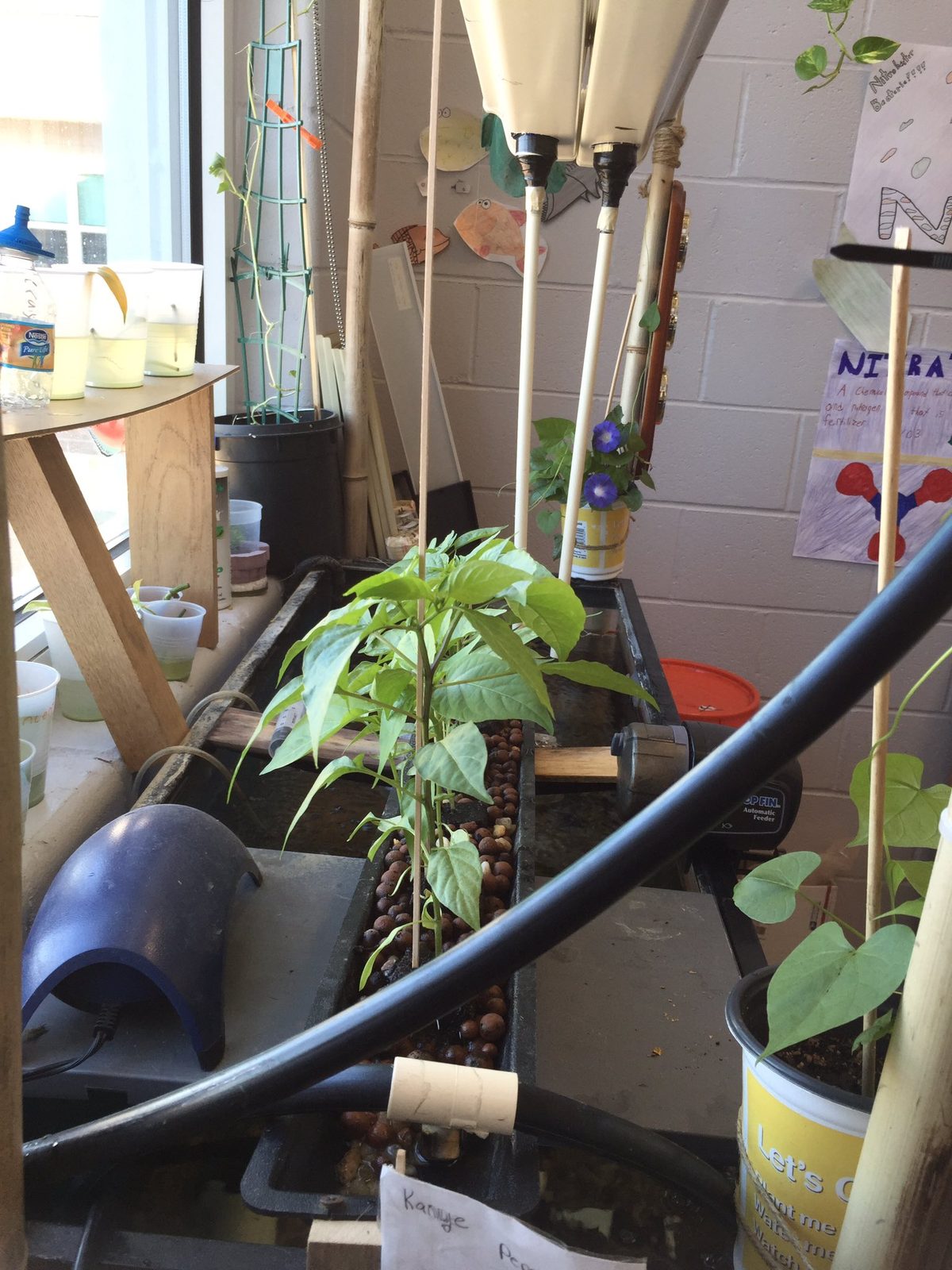
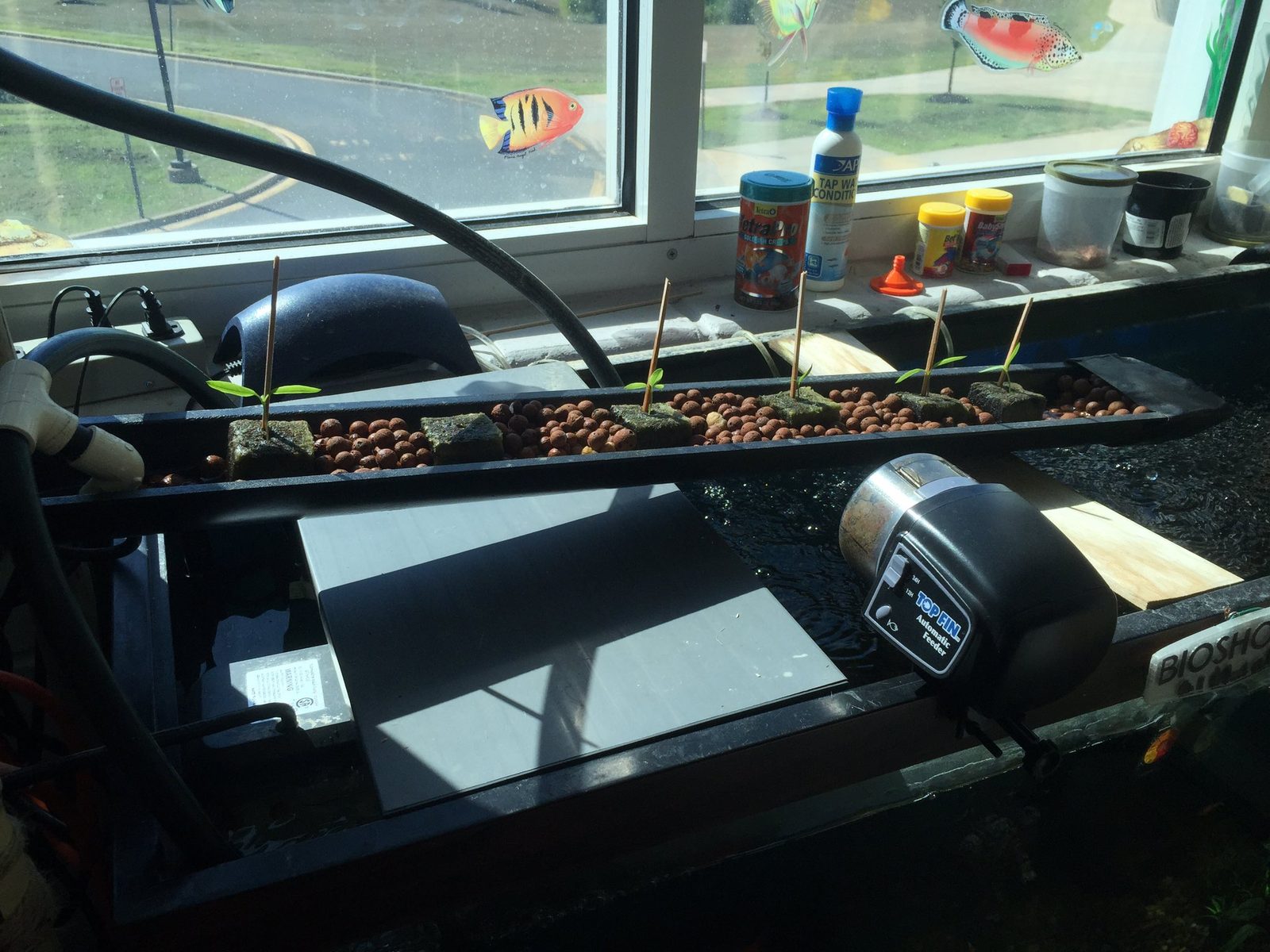
Classroom aquaponics
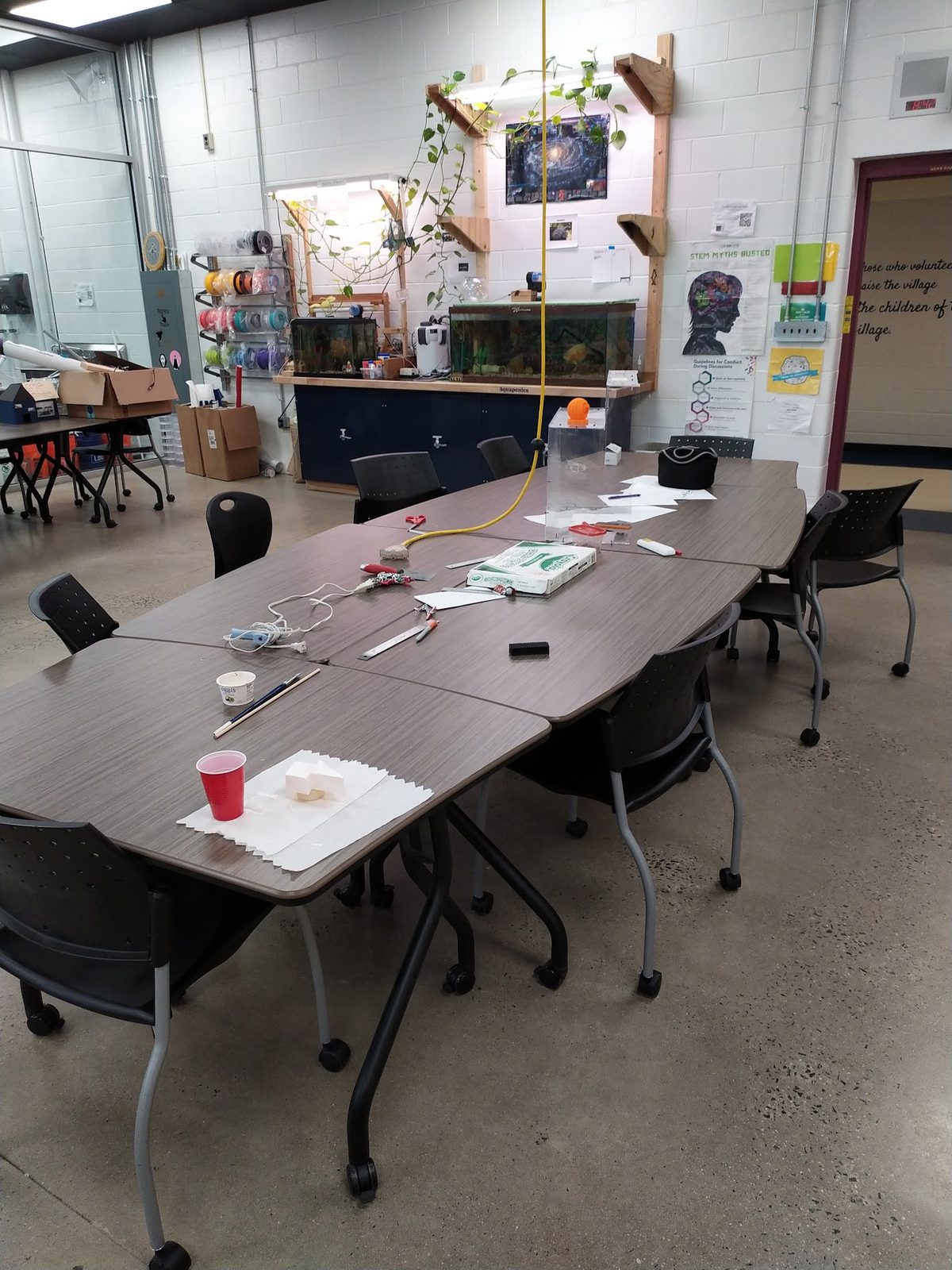
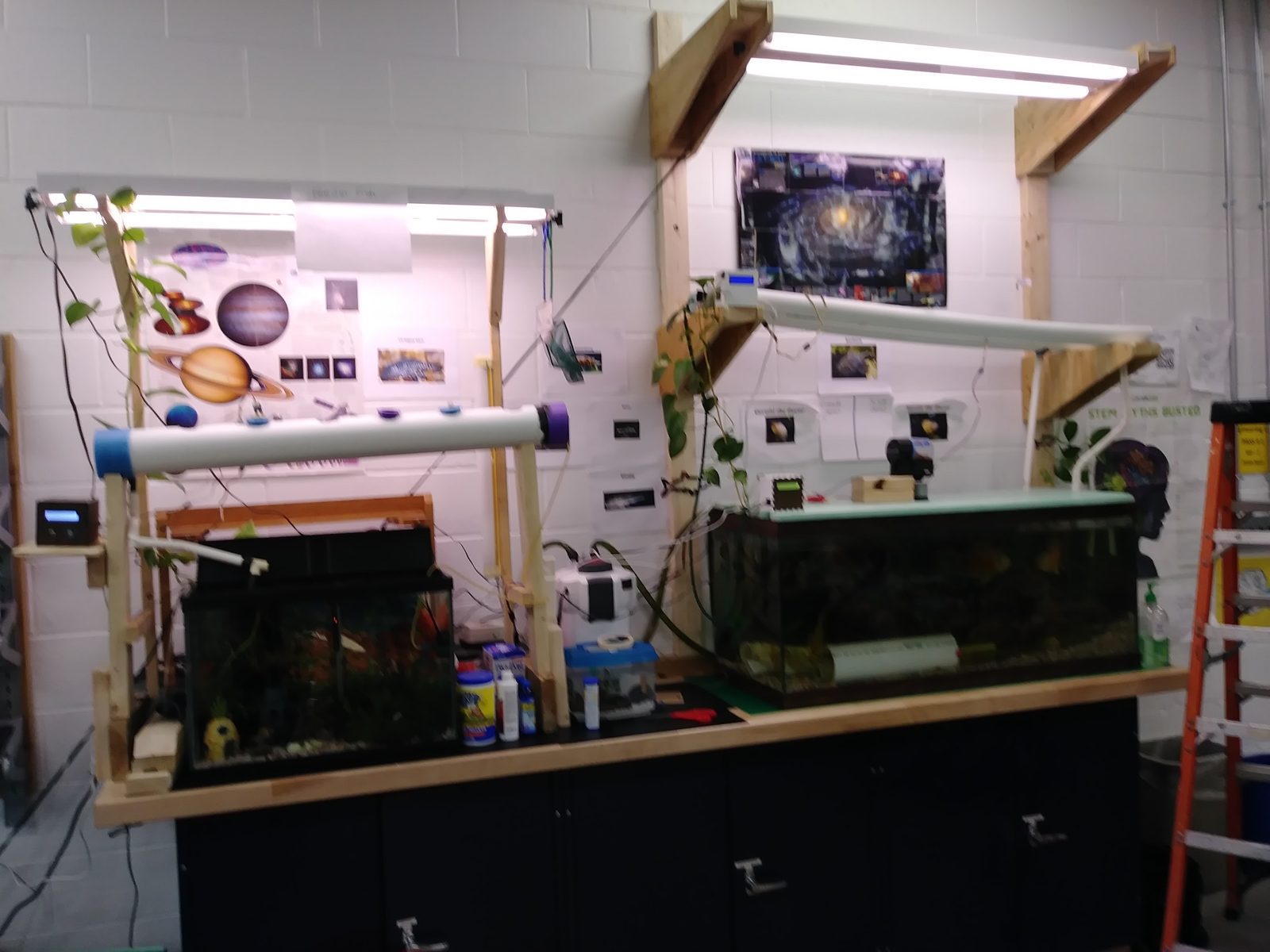
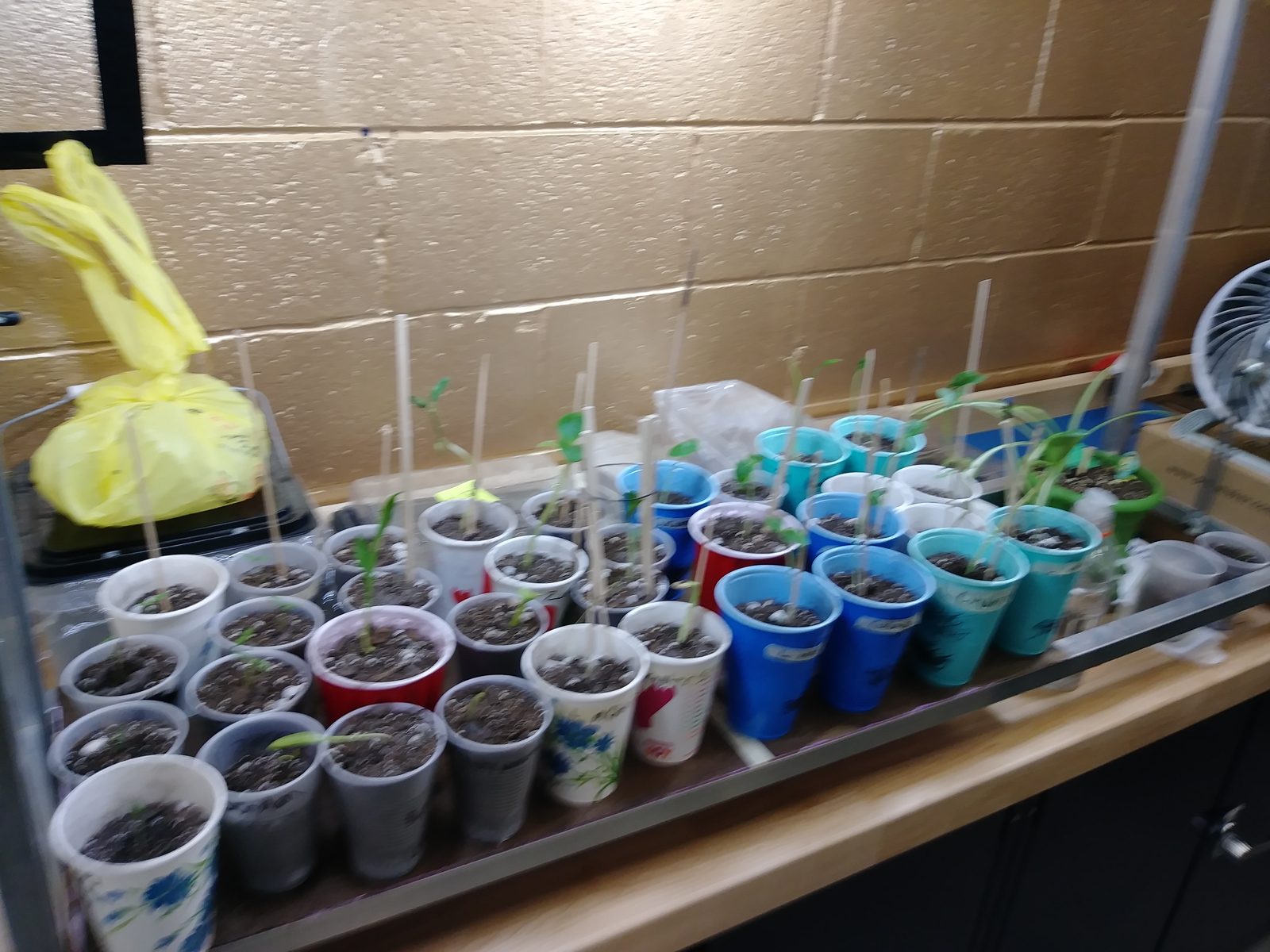
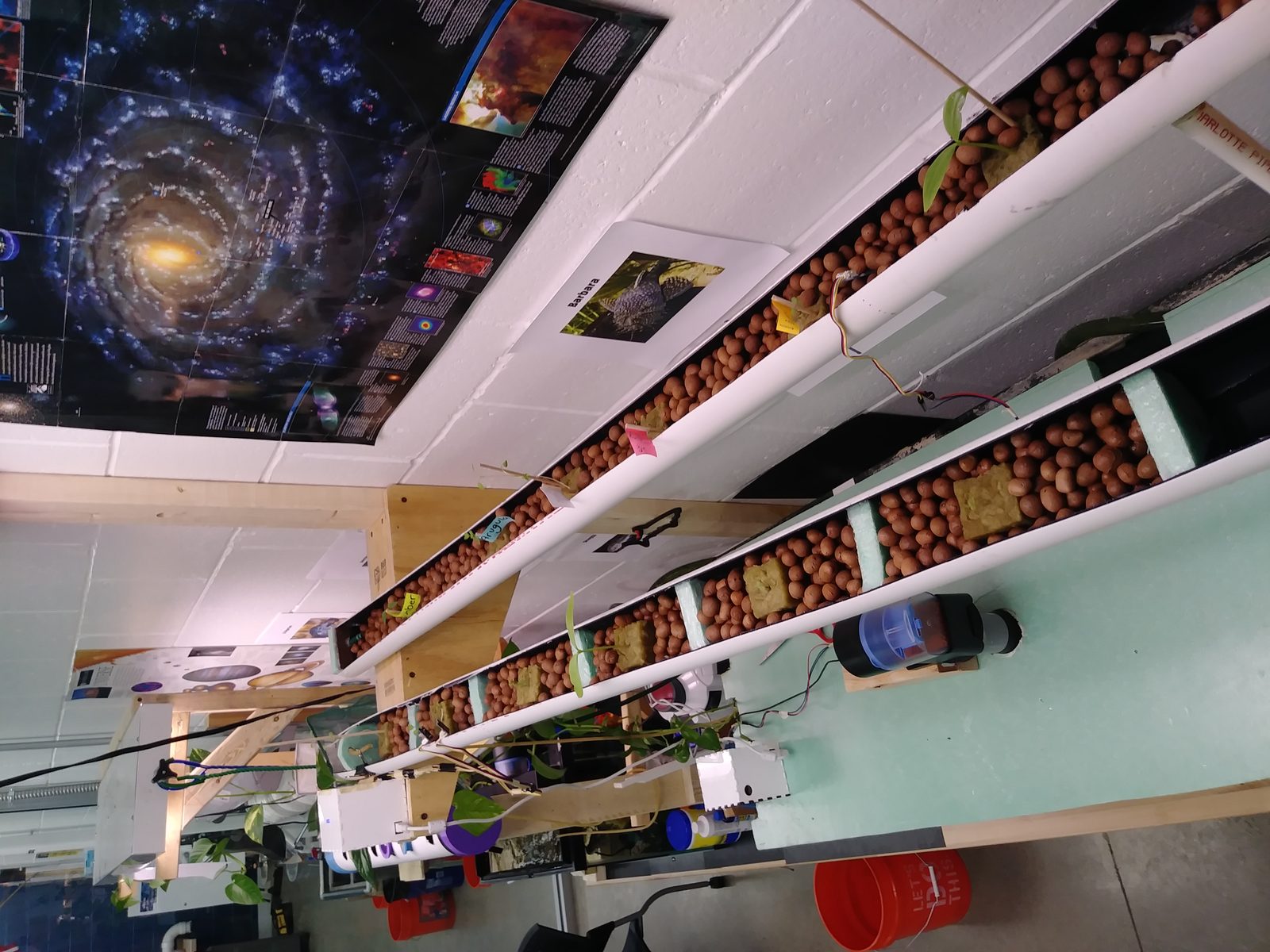
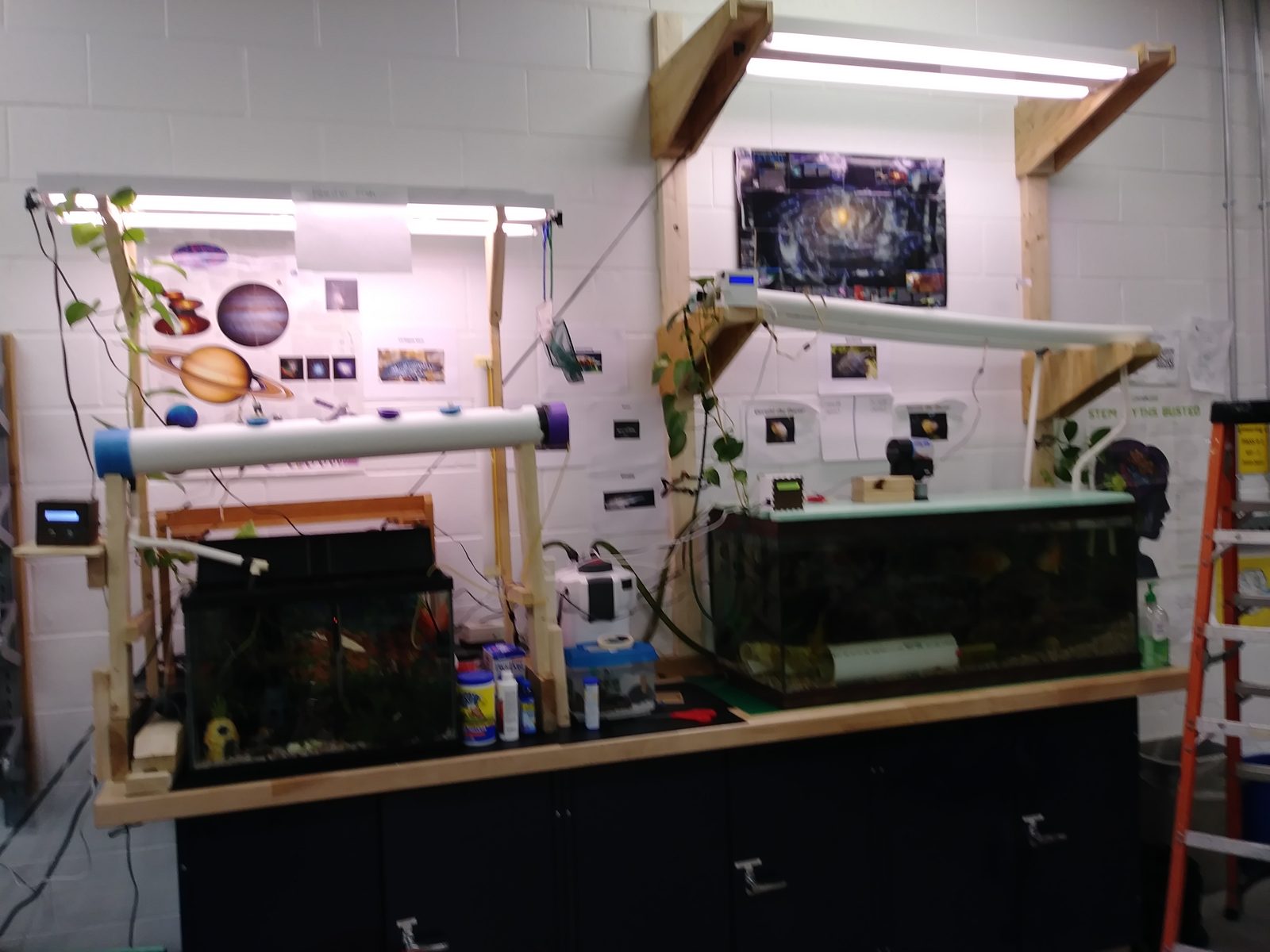
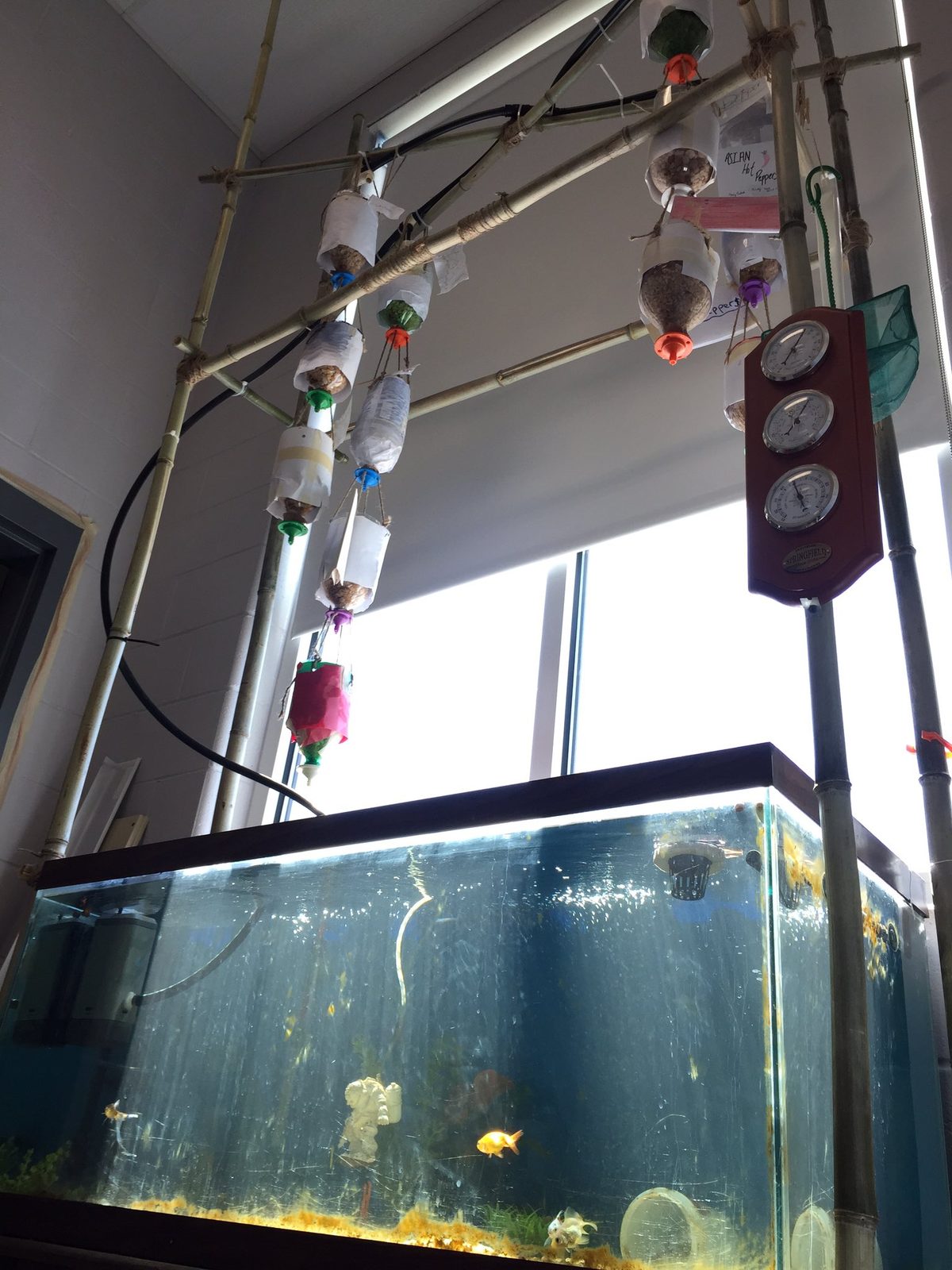
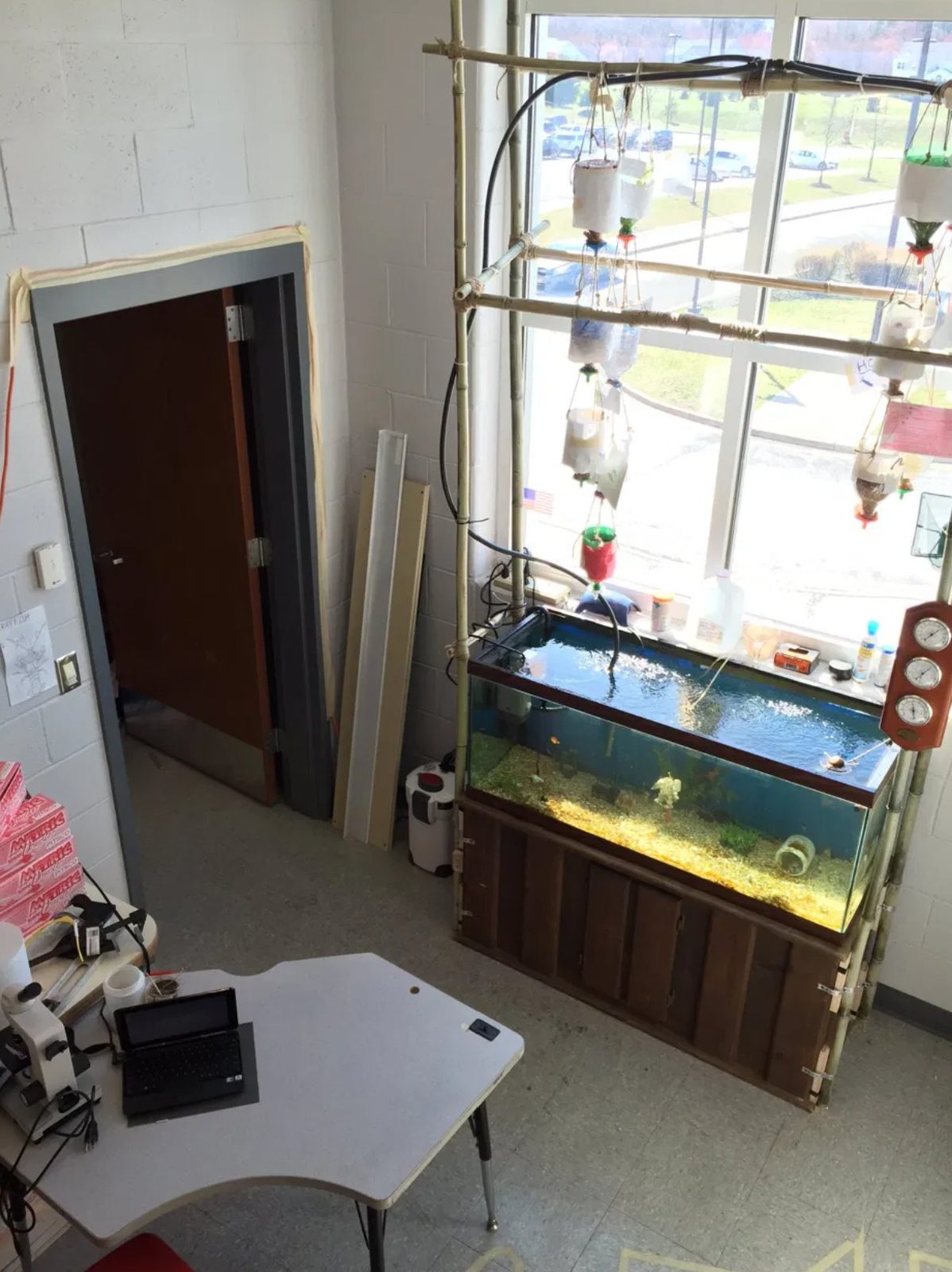
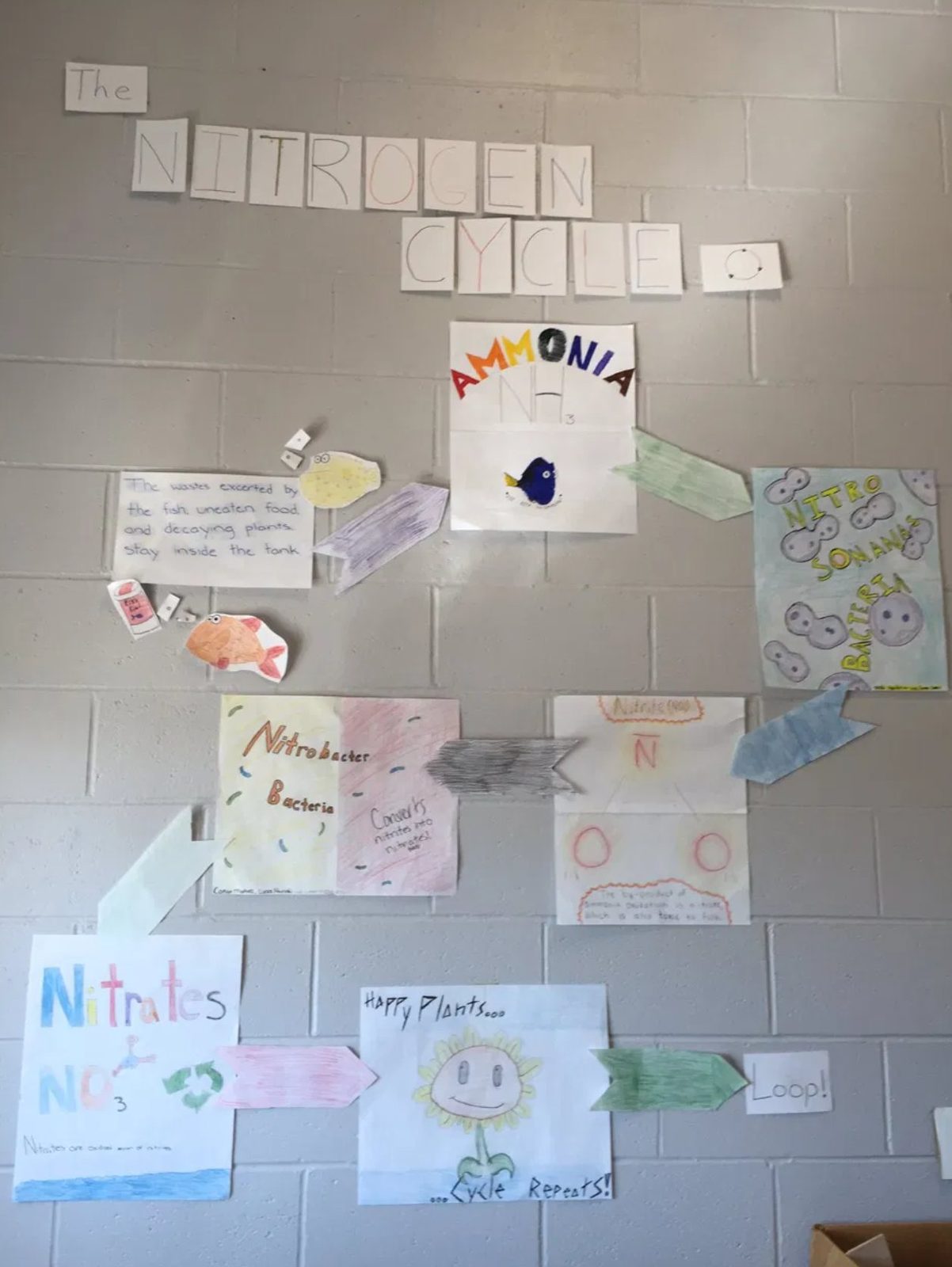
Built a bamboo aquaponics structure over a 70-gallon tank in the classroom closet. Lessons spanned the nitrogen cycle, food production, 3D printing irrigation, and fish.
Eleven years, three schools, in the order it happened. The labs, and the projects that came out of them. More to come.
A note on photos: plenty of projects and pictures are intentionally left off this page to avoid posting images of students, past or present, that aren't already public elsewhere.
Fresh out of TCNJ, and fortunate enough to be given the opportunity to redesign a middle school engineering program and lab. Taught three grade levels of Engineering & Design alongside Creative Design, Robotics, Human Interface Design, and an 8th-grade course bridging Applied Math into Engineering. First experience with 3D printing, laser cutting, tools, and aquaponics with students.
Built a bamboo aquaponics structure over a 70-gallon tank in the classroom closet. Lessons spanned the nitrogen cycle, food production, 3D printing irrigation, and fish.
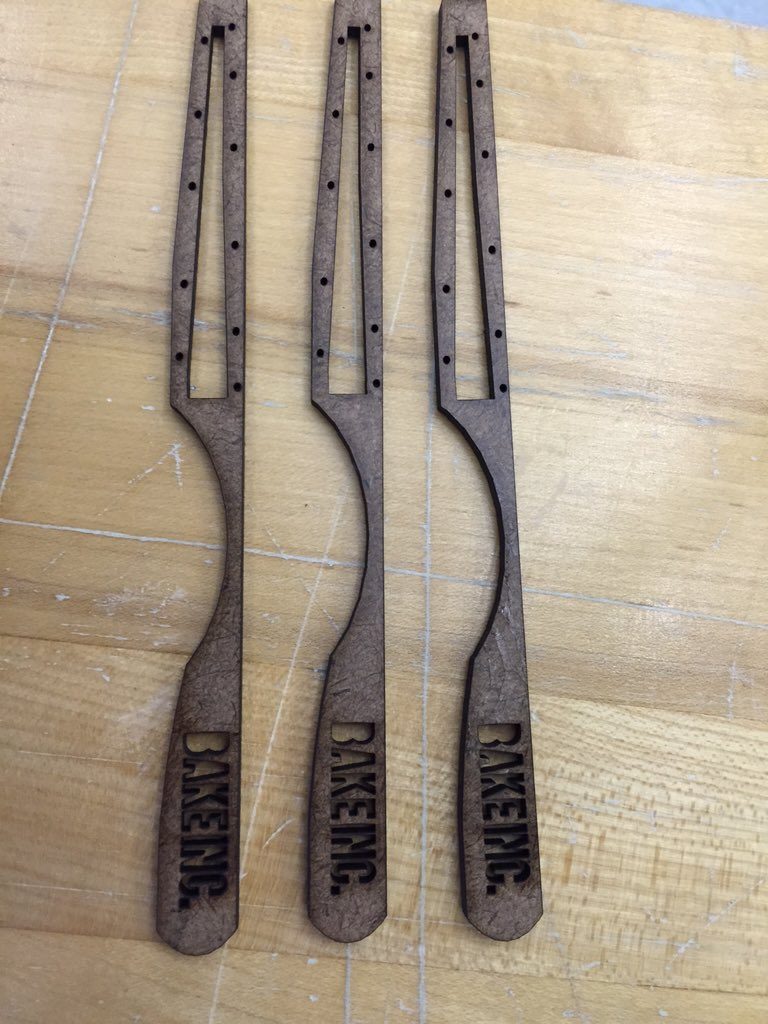
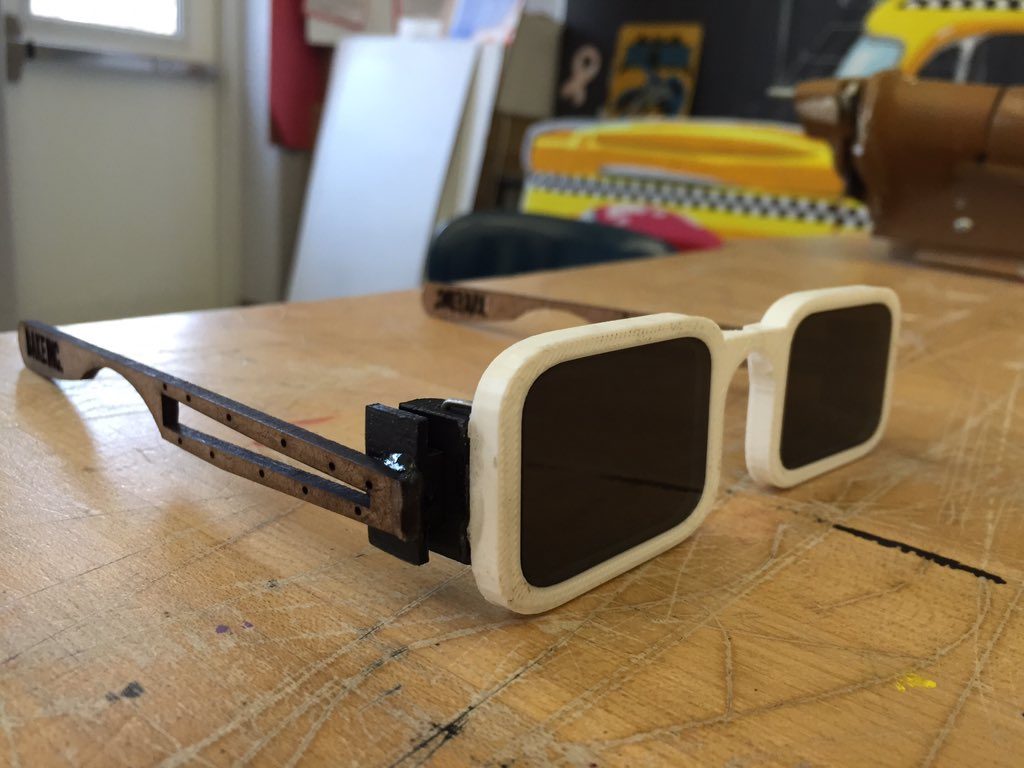
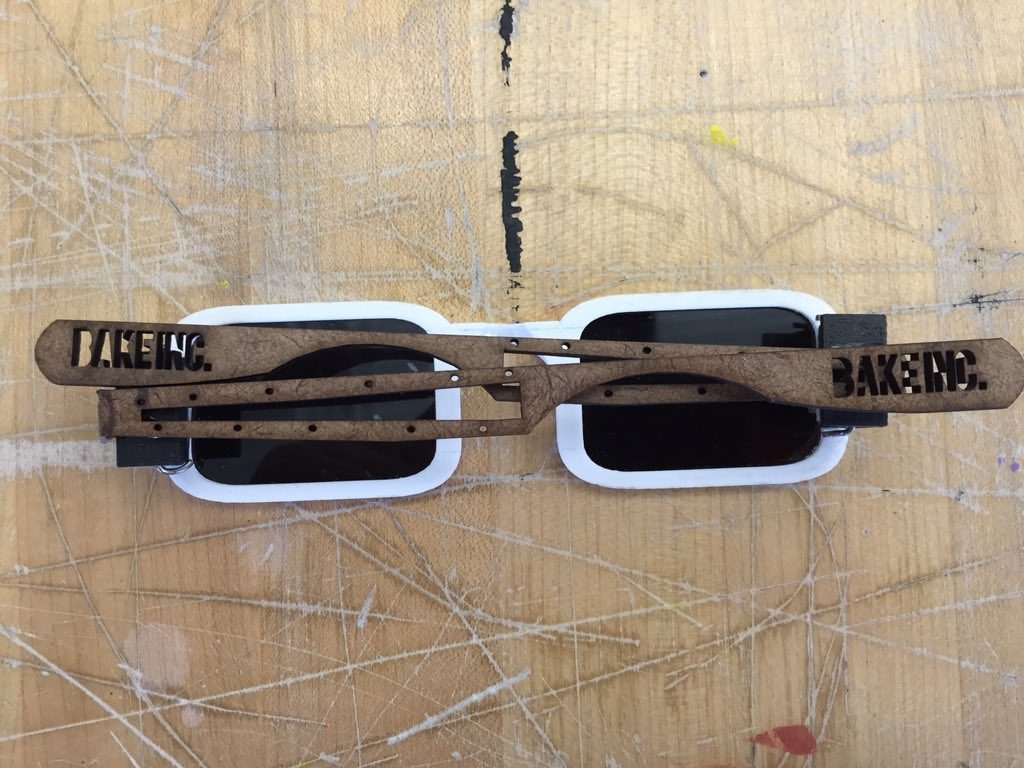
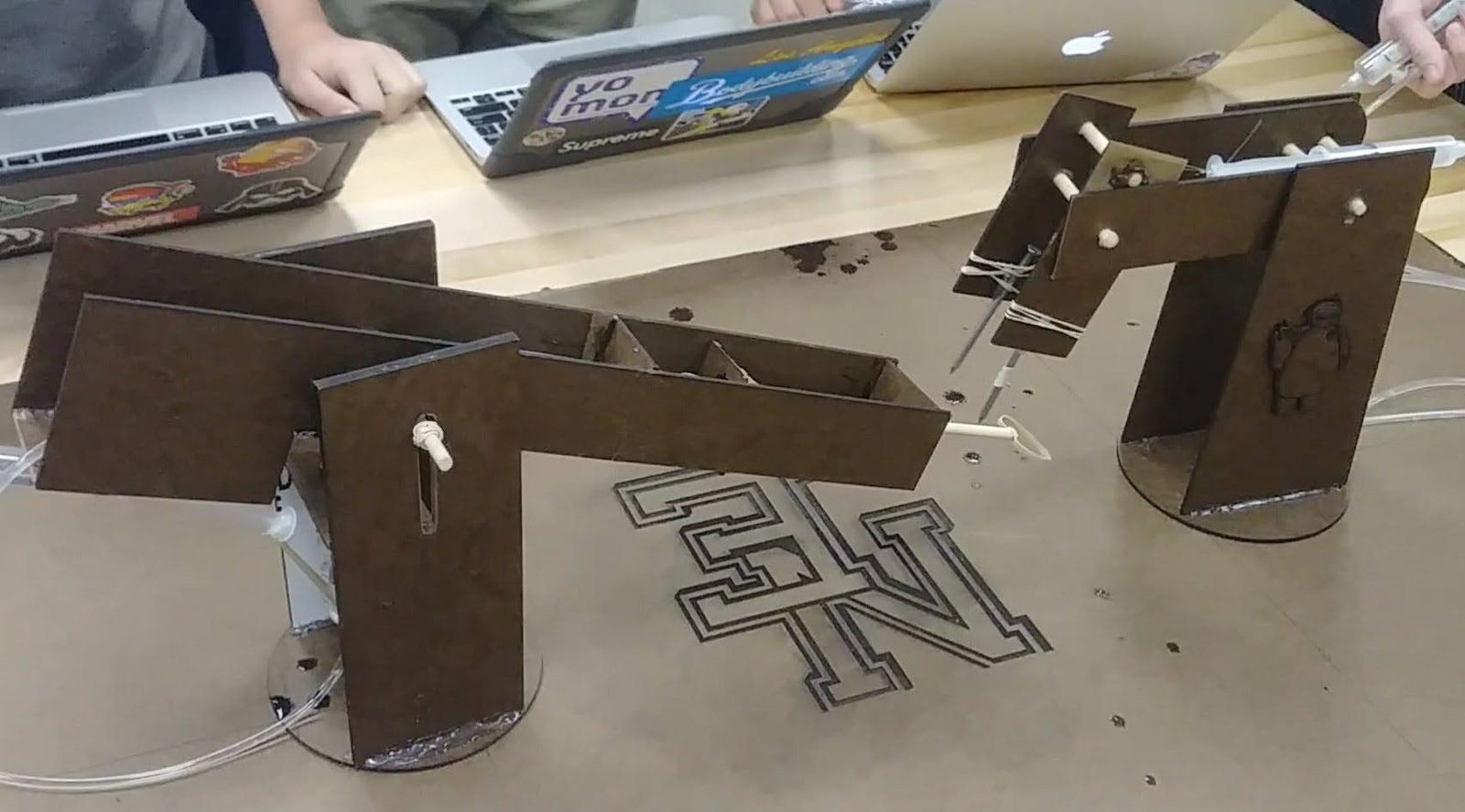
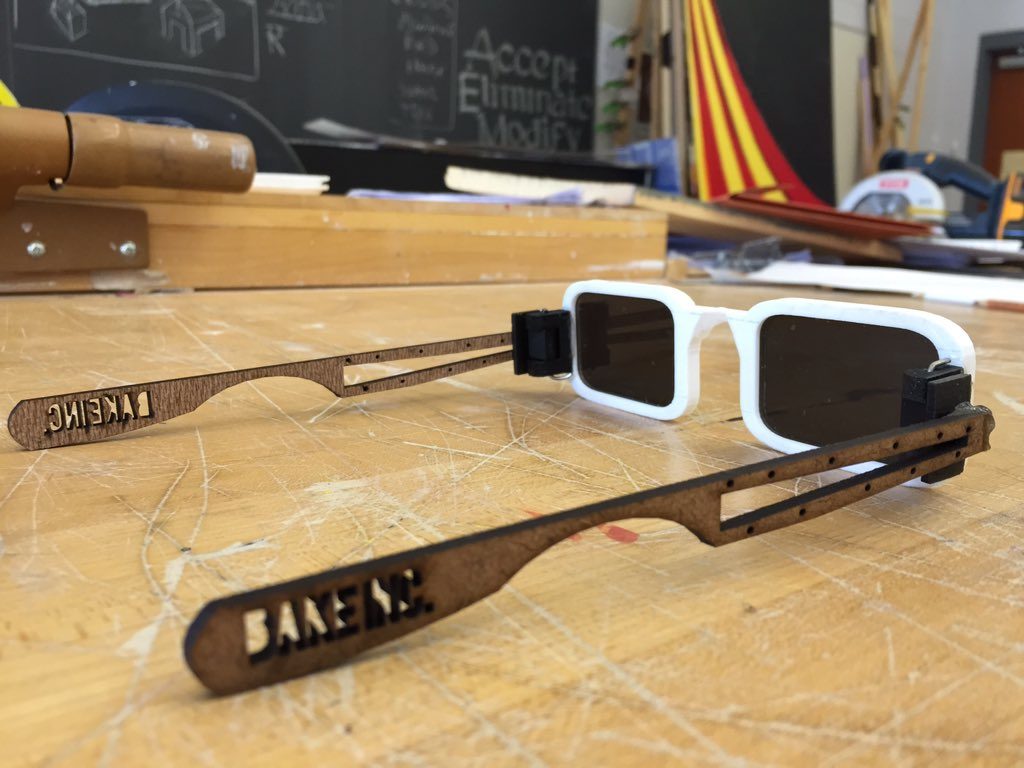
Simplified Manufacturing: 3D-printed frames and hinges fit to laser-cut wooden arms with engraved branding. We used window tint on plexiglass, probably would have used something different. These almost could have been eclipse glasses!
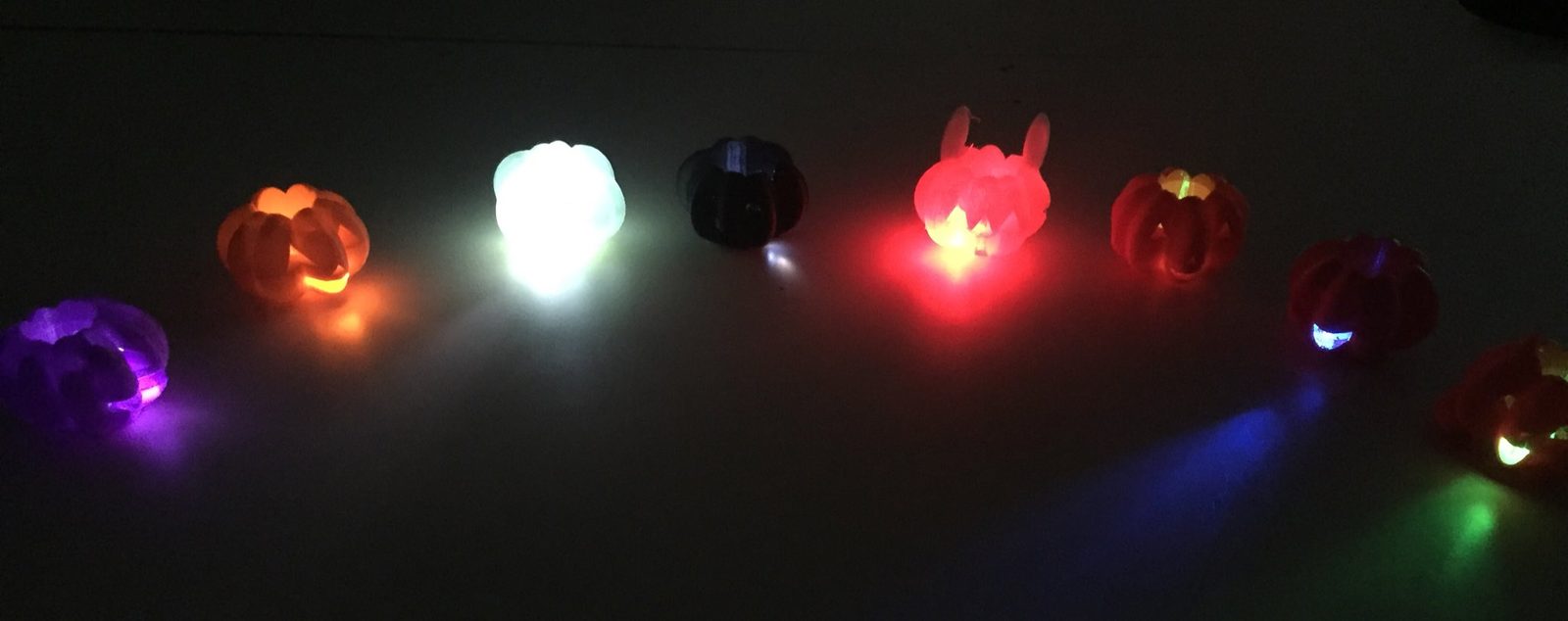
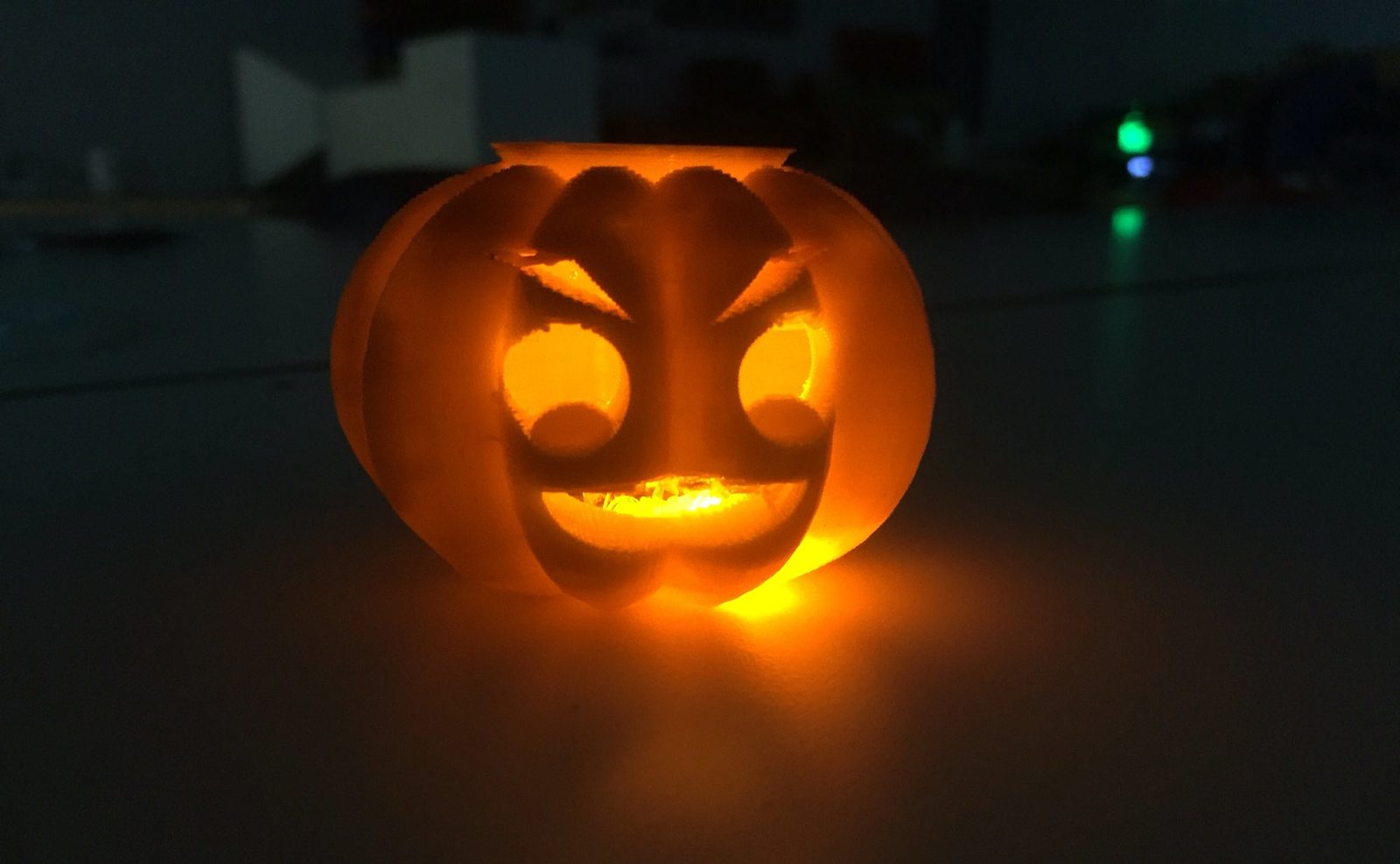
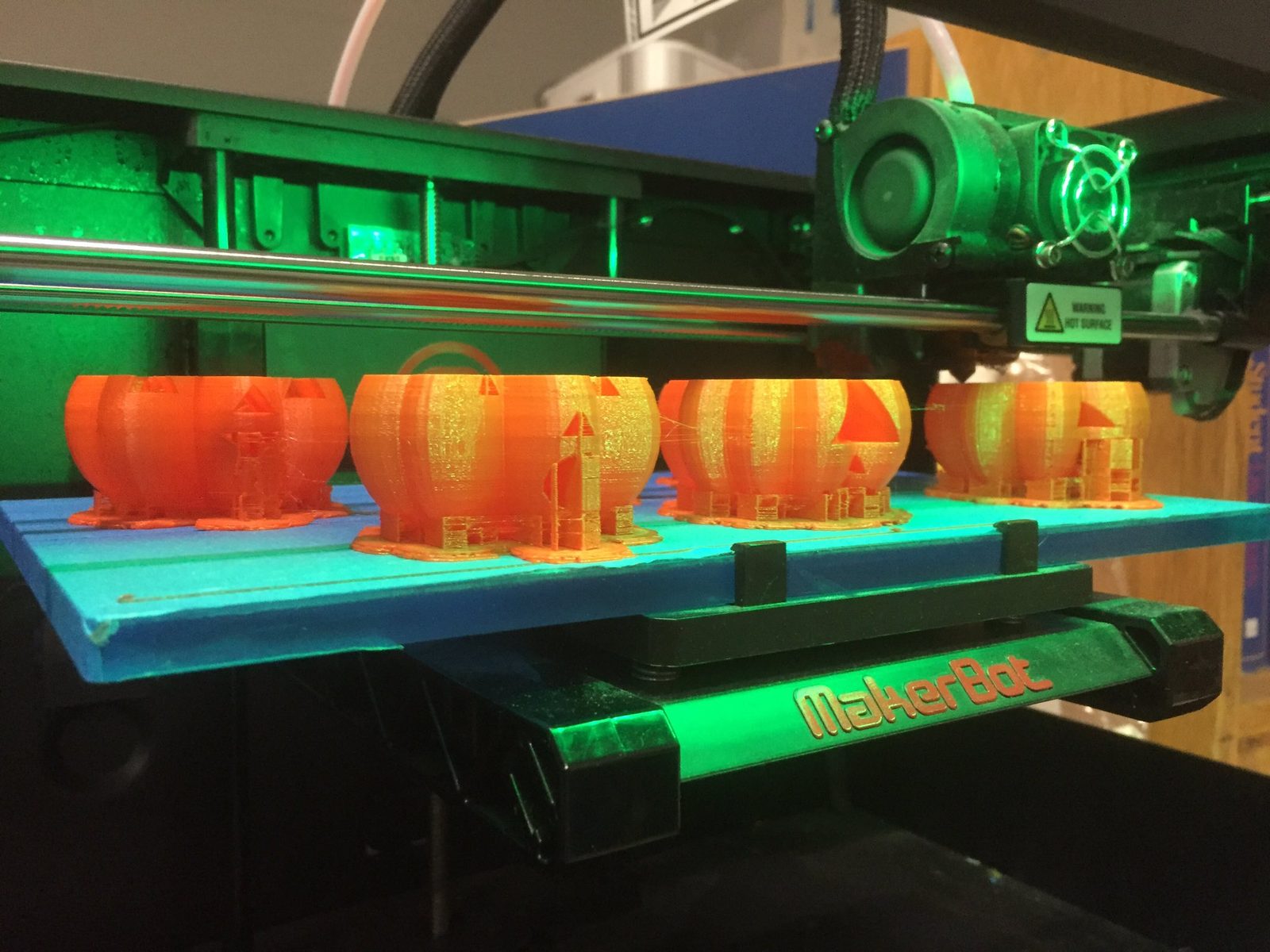
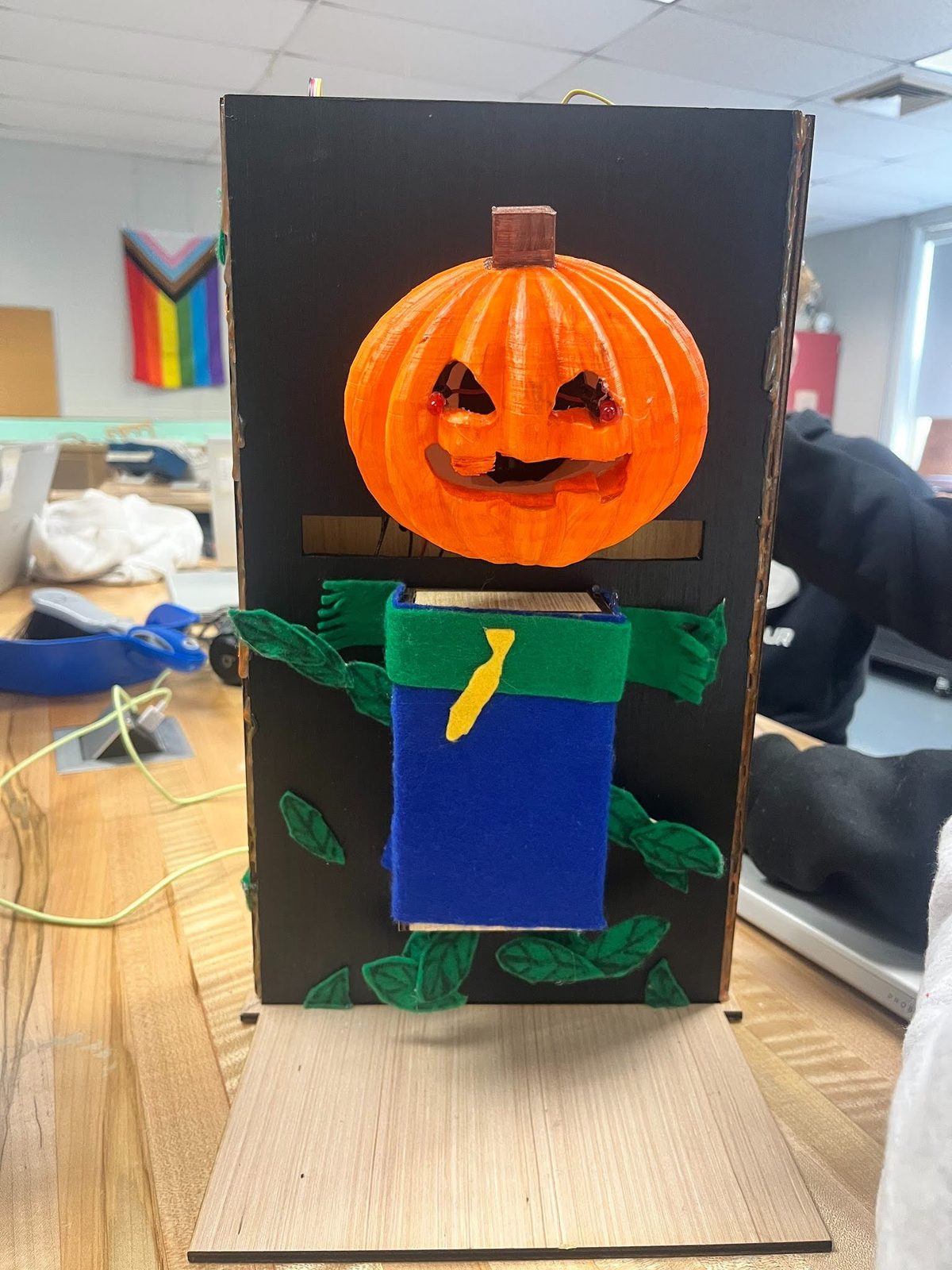
A whole class set of student-designed jack-o'-lanterns lit with LED lights. 3V coin batteries slot in the back.
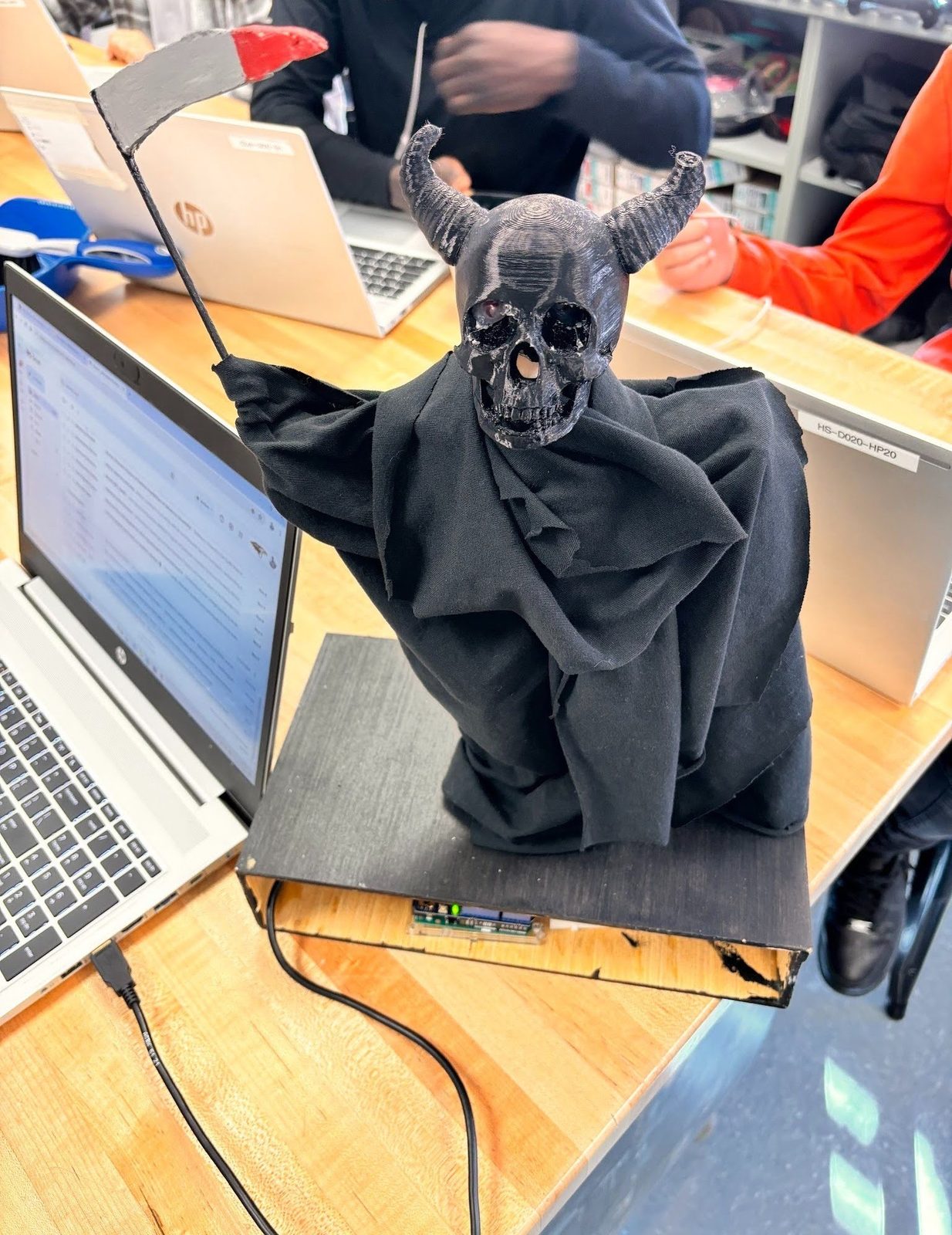
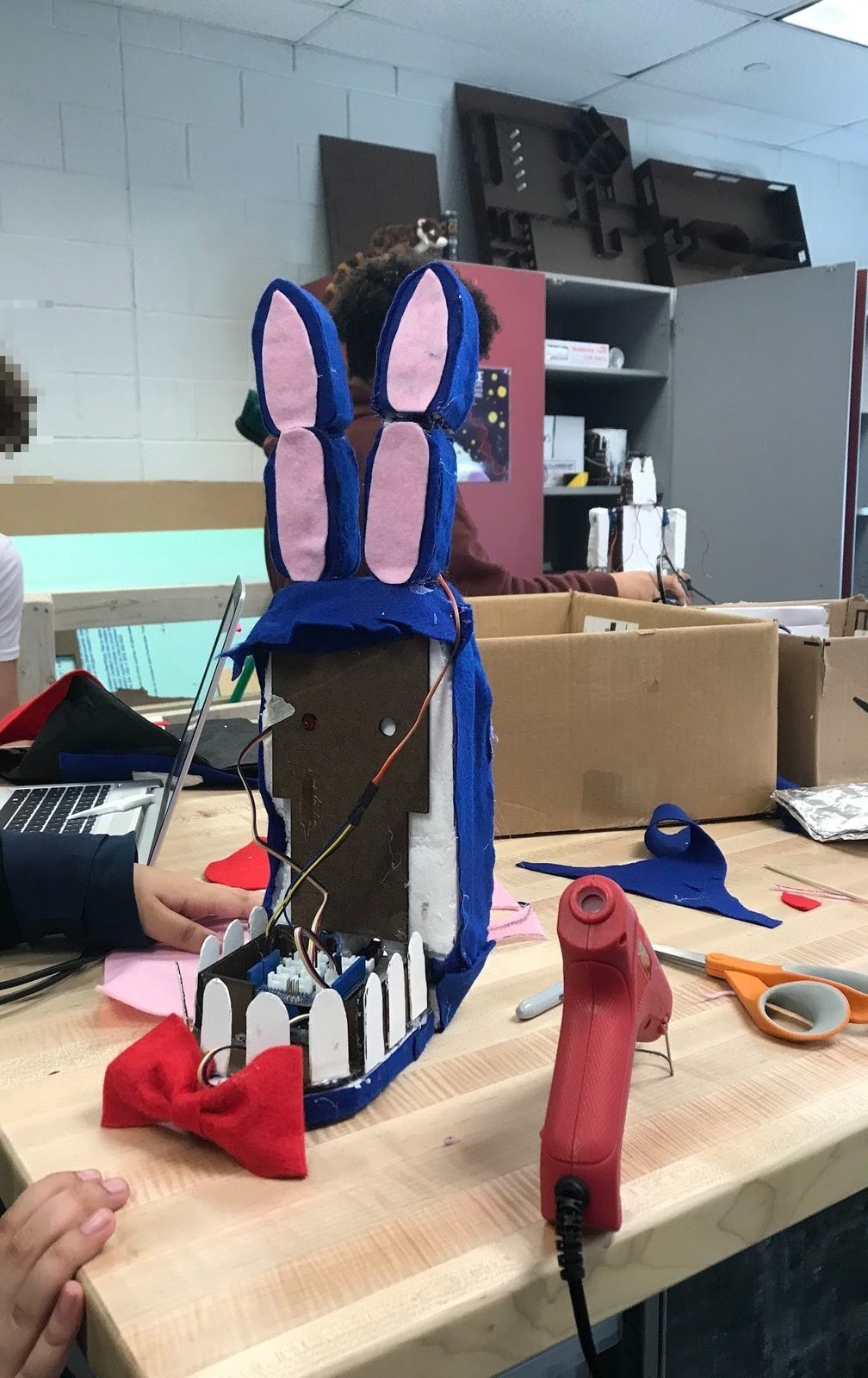
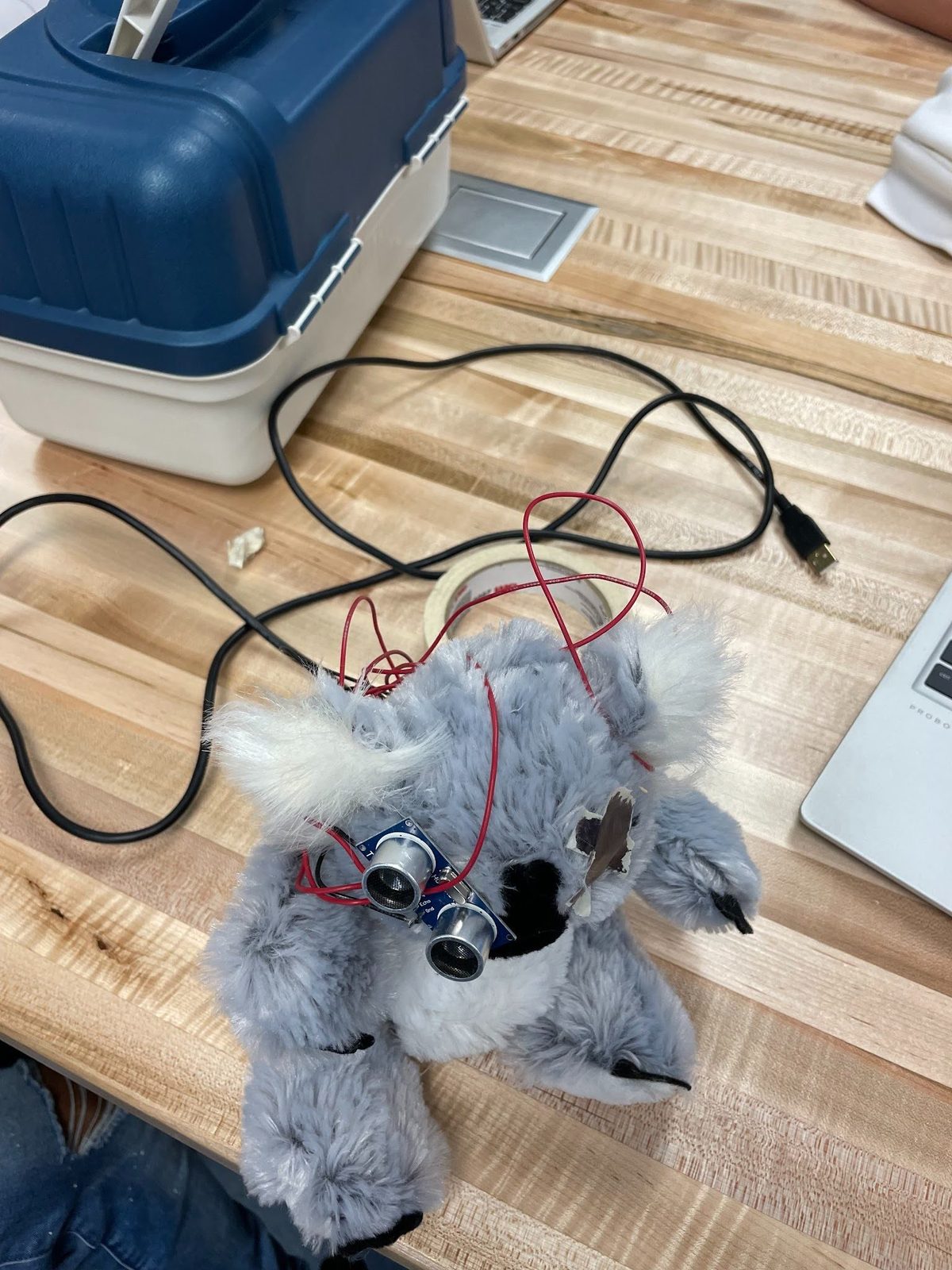
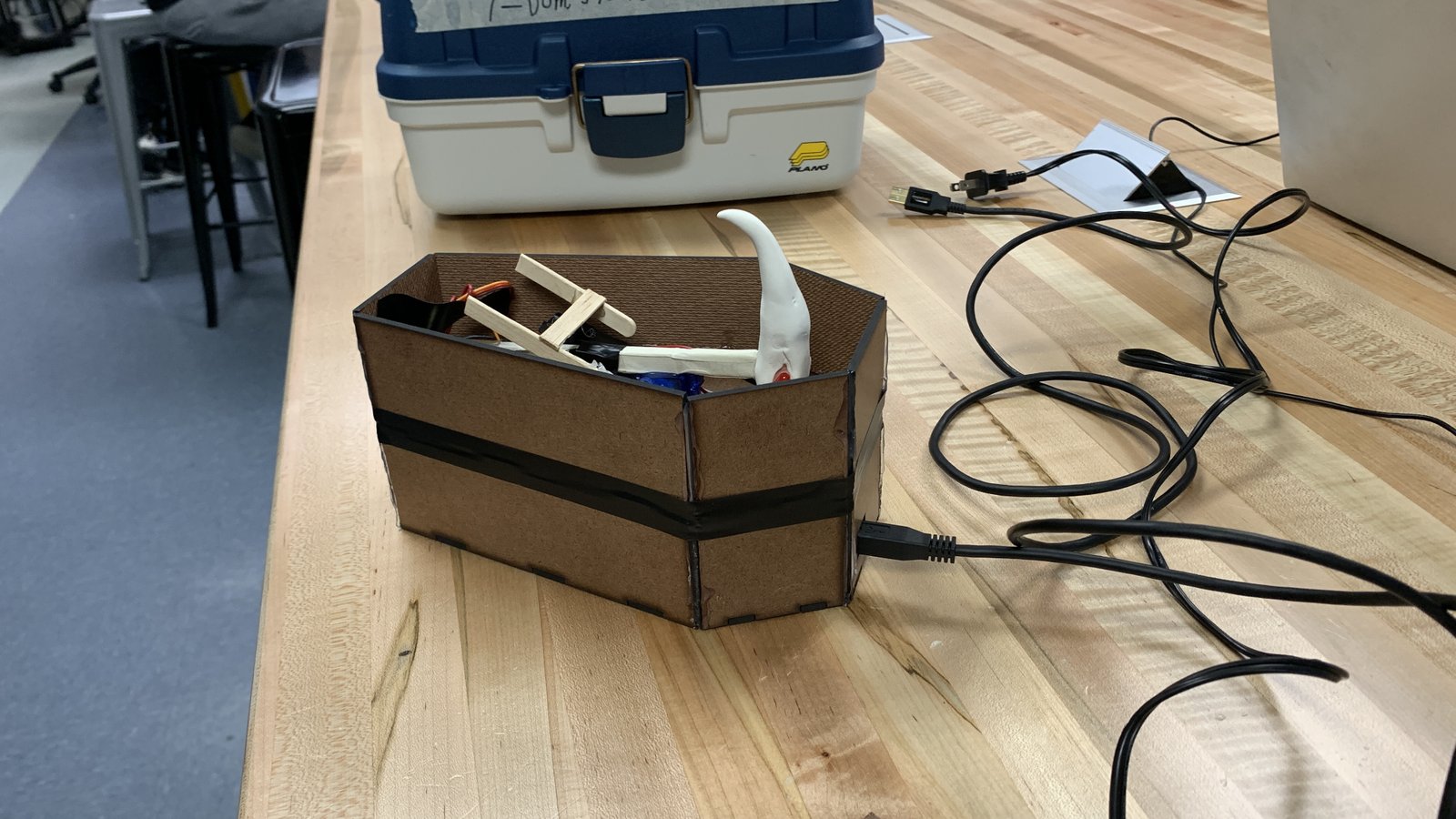
An Arduino + servo project that is both cool and creepy! Part of a Halloween animatronics unit, lots of variety.
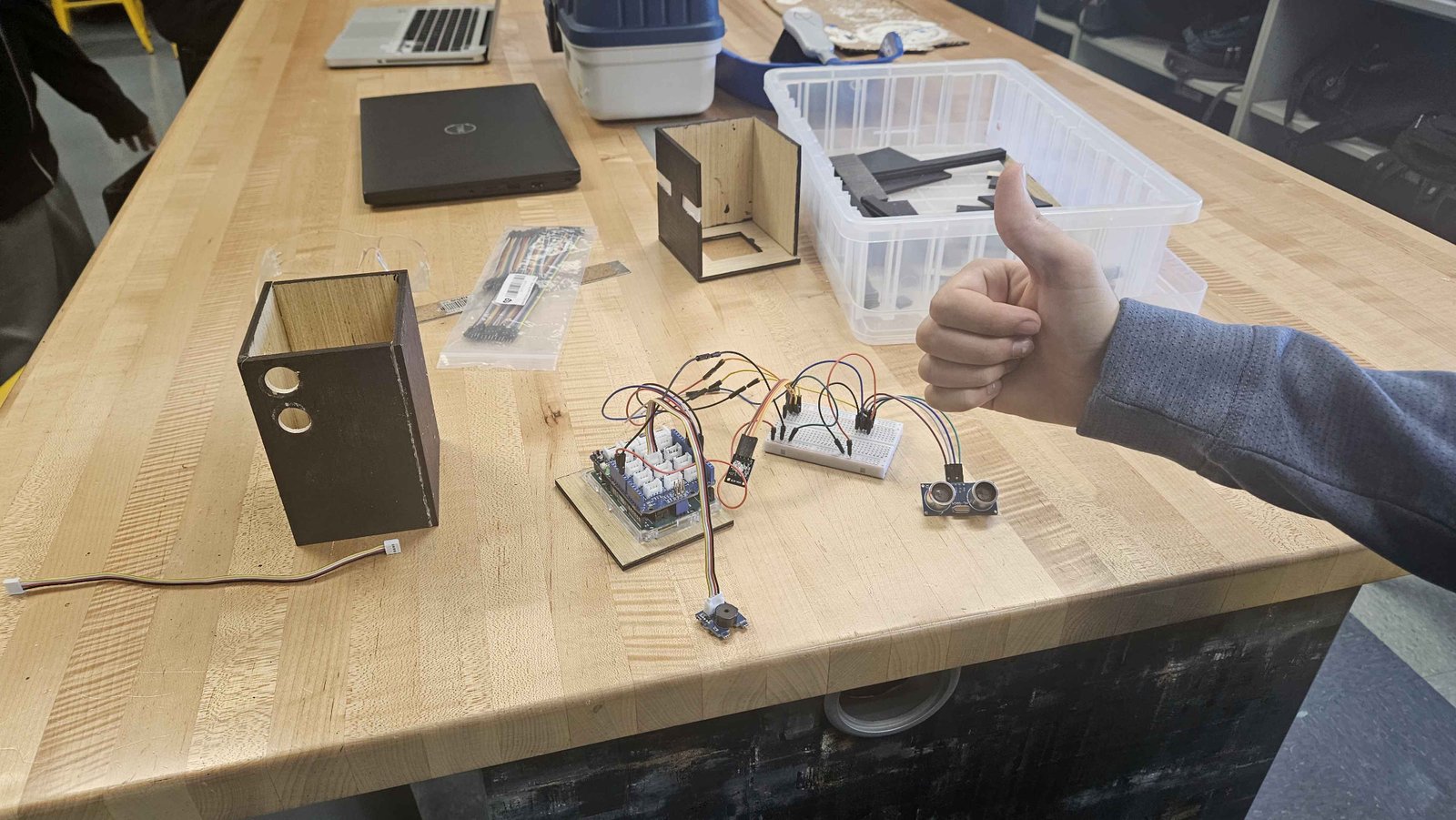
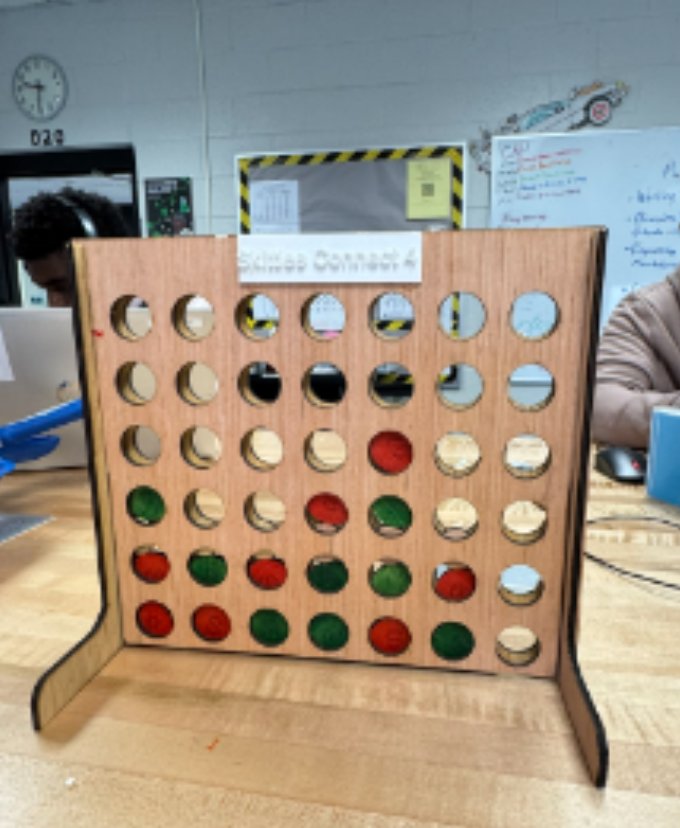
A fully functional Arduino-controlled skee-ball cabinet. Sensors, lights and buzzers, all with Arduino.
Using a Backyard Brains SpikerBox to read muscle signals from one person and grip another person's hand via Arduino + a tens unit. Muscle to muscle interface also used for controlling servos in a design challenge.
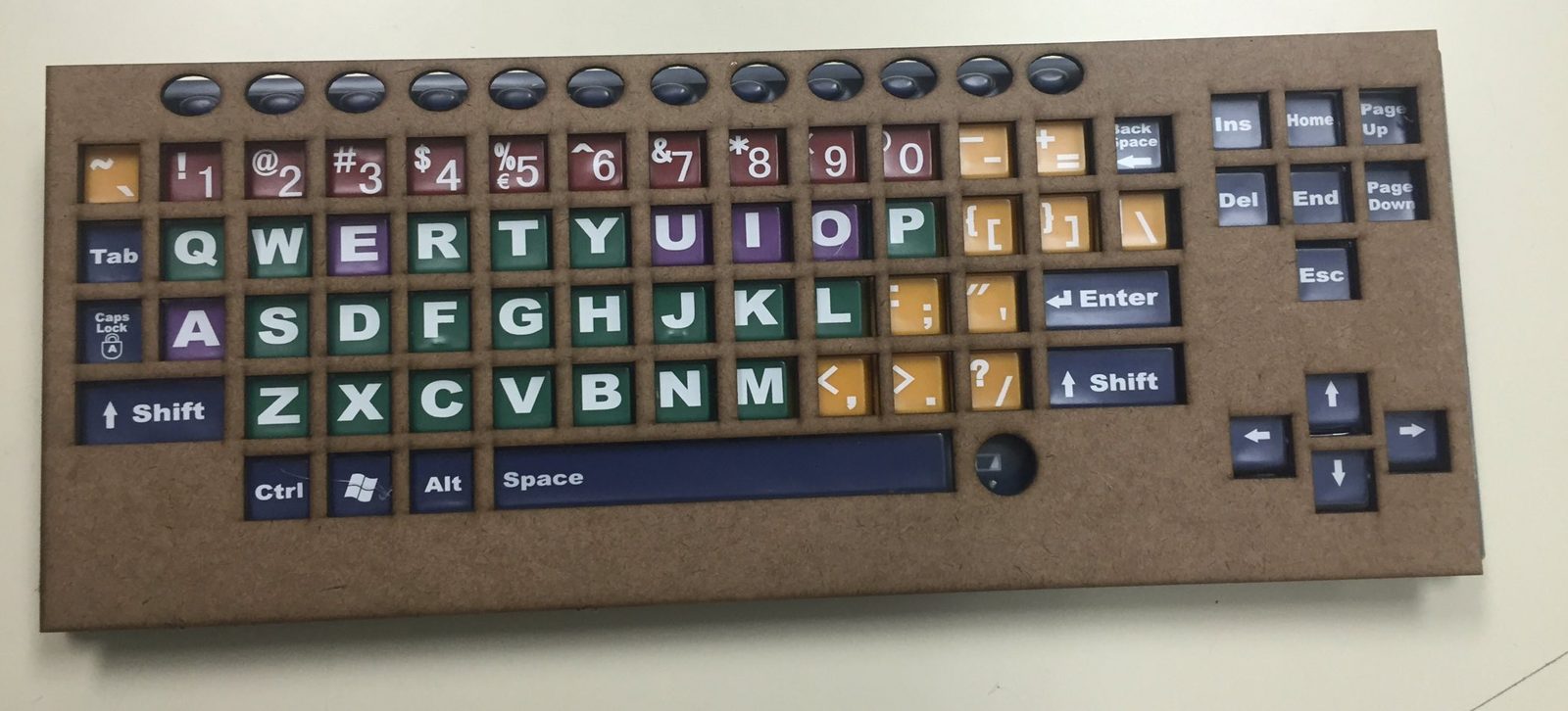
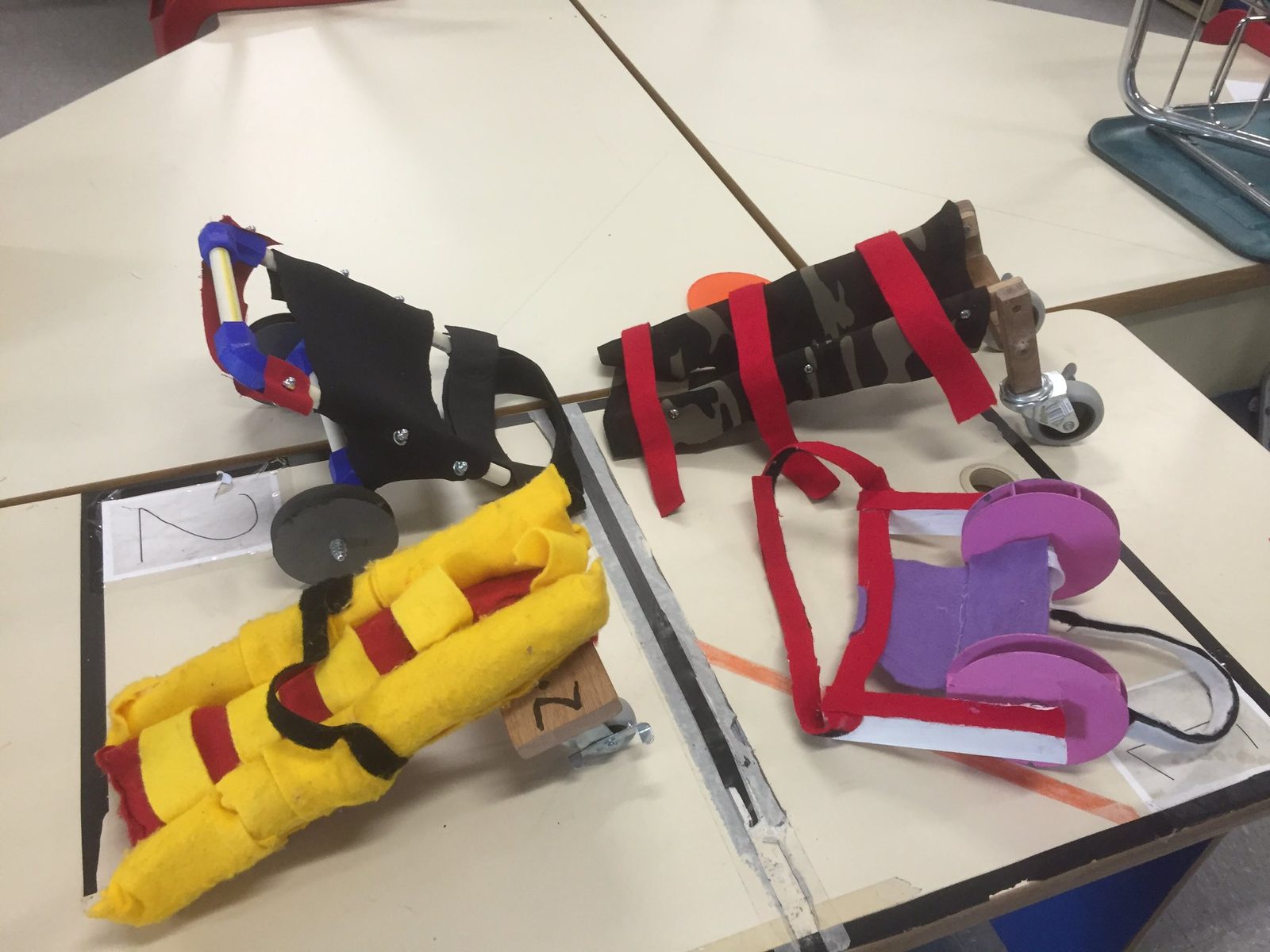
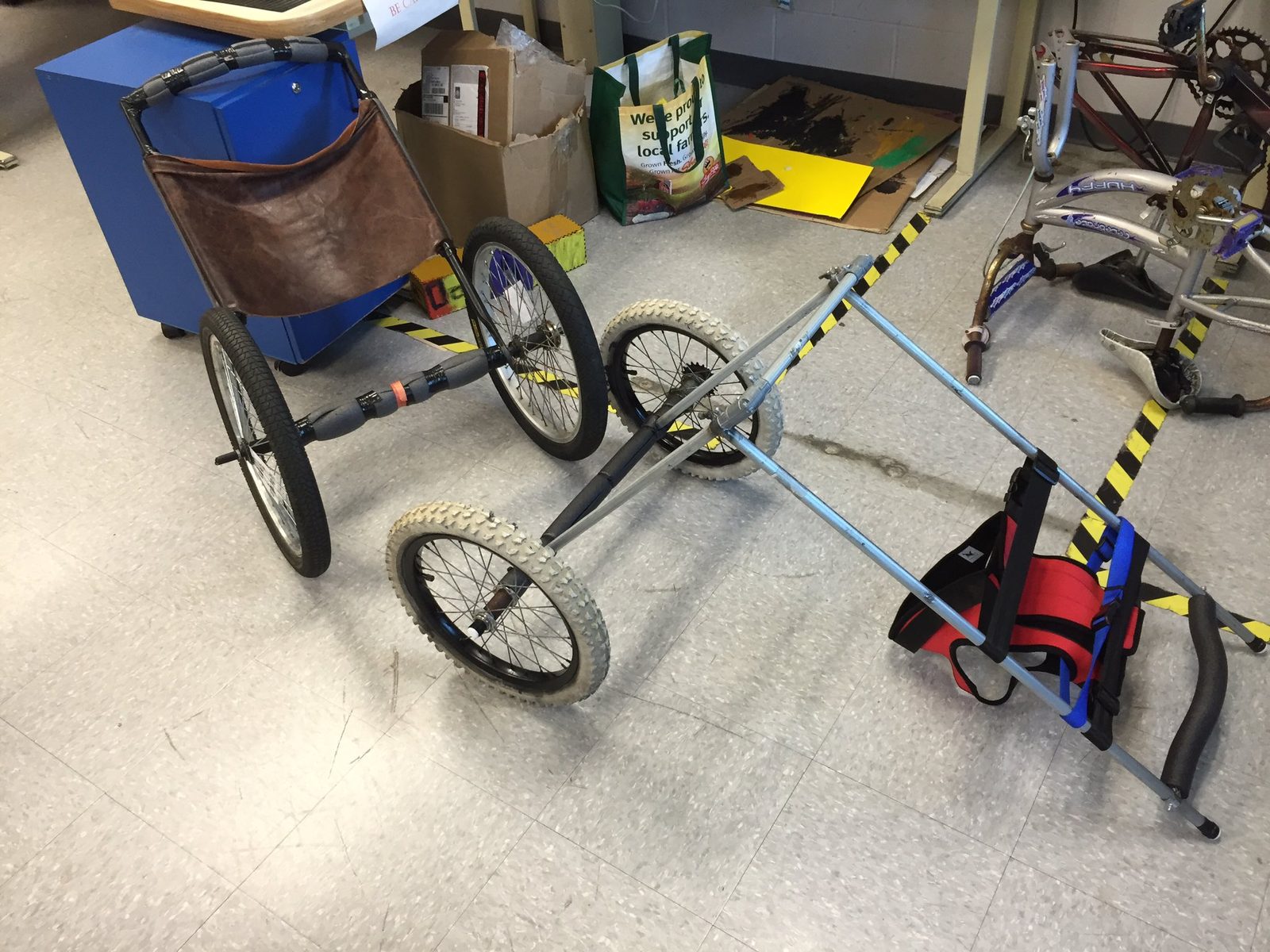
A keyboard cover laser-cut for a student with a motor impairment. A few prototype wheelchairs for injured dogs. Students solving real problems for real people(and animals!).
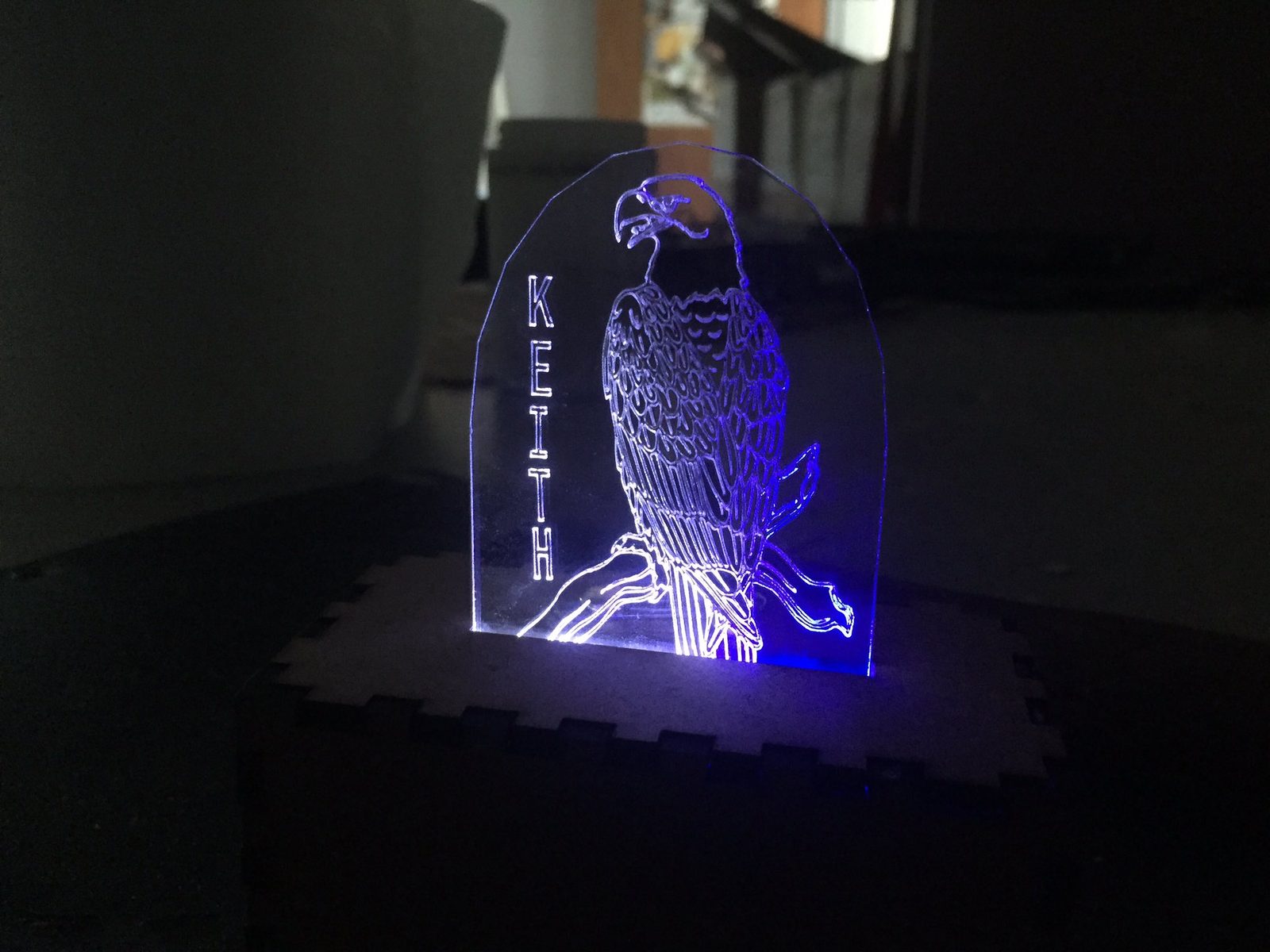
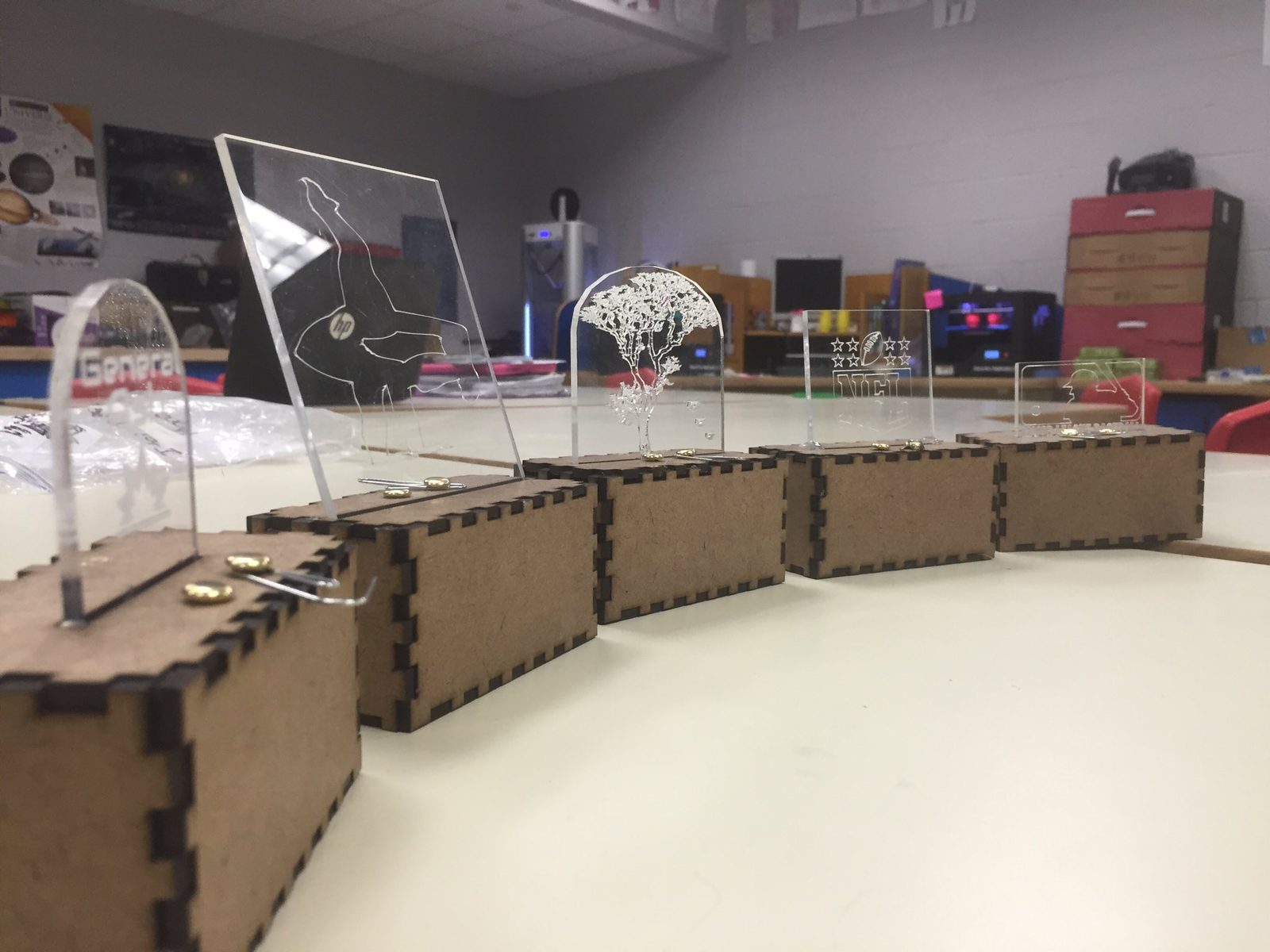
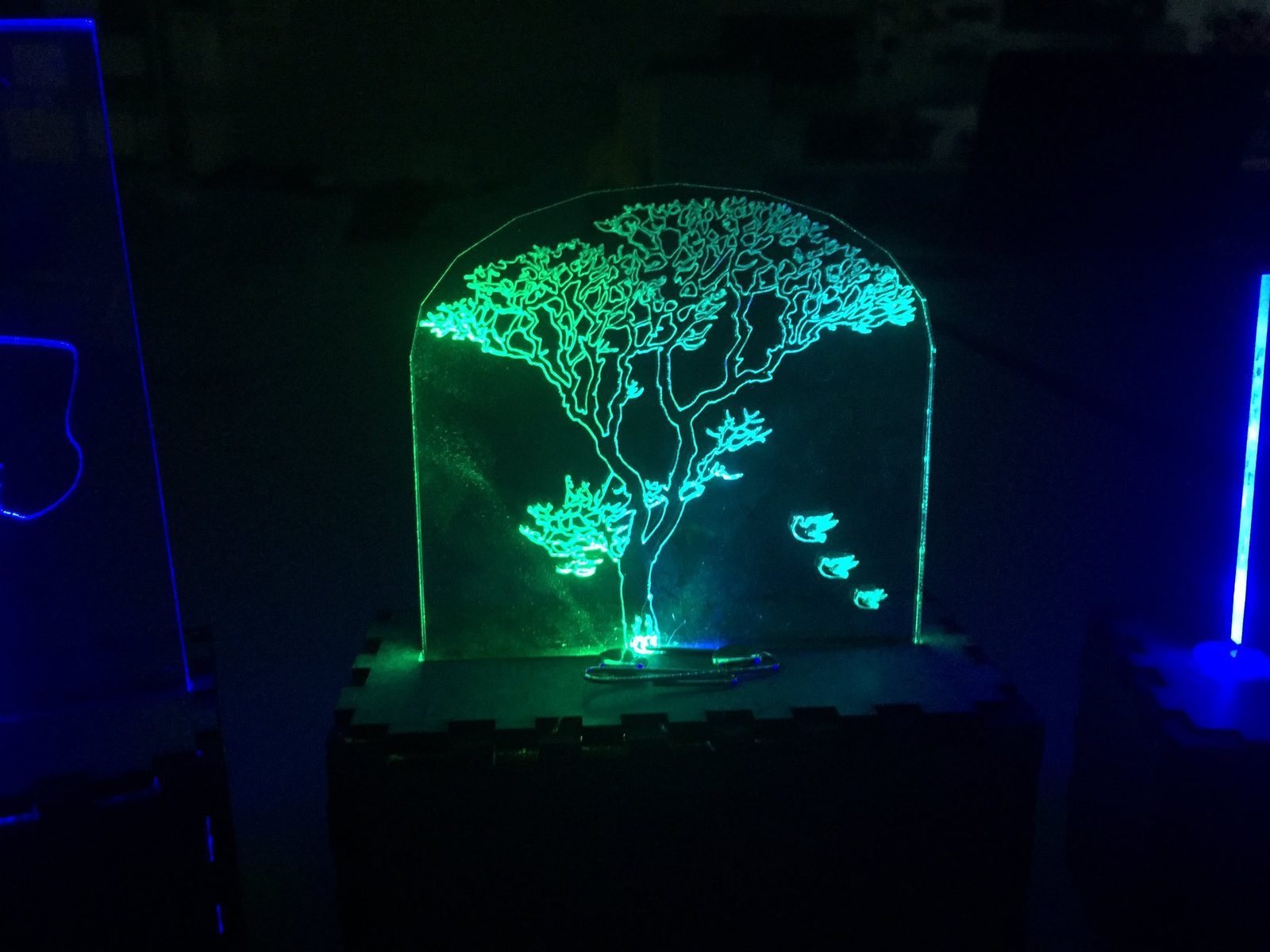
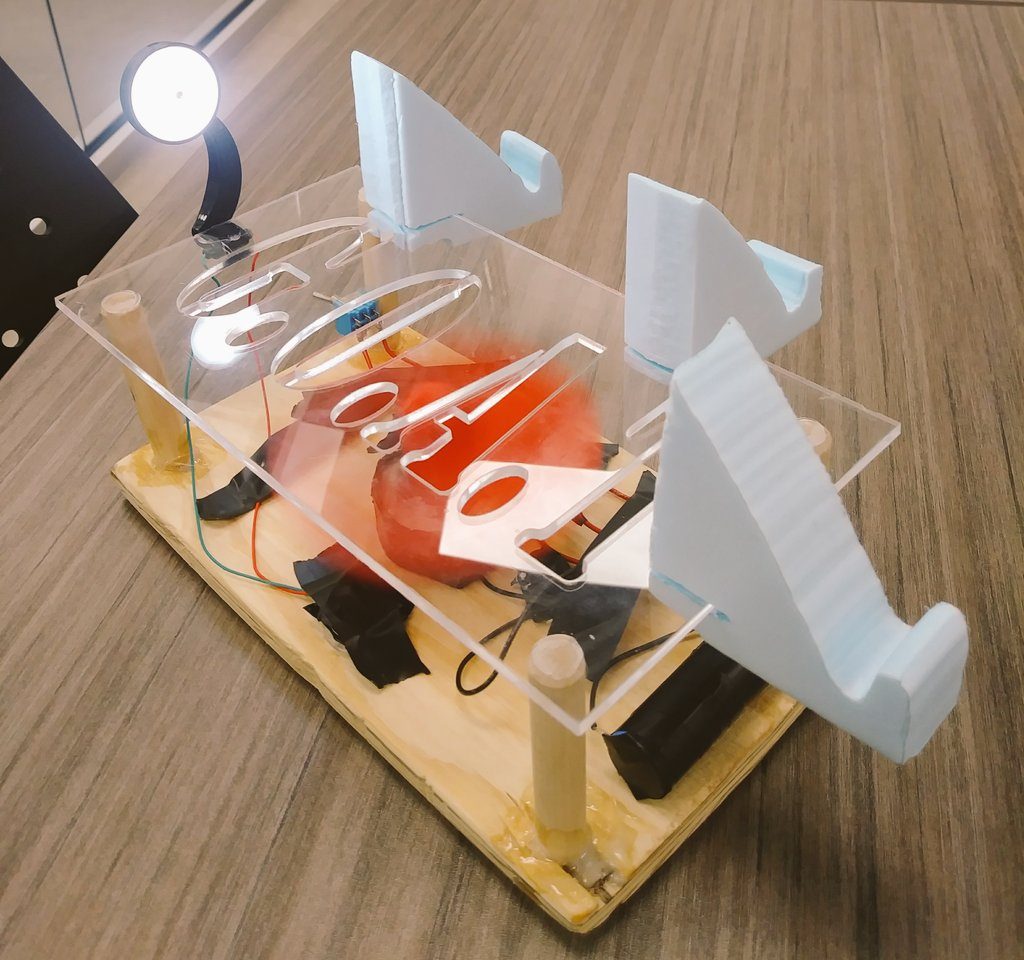
Edge-lit acrylic panels engraved with a design of the student's choice, seated in a laser-cut wooden base with an LED to make the etching glow.
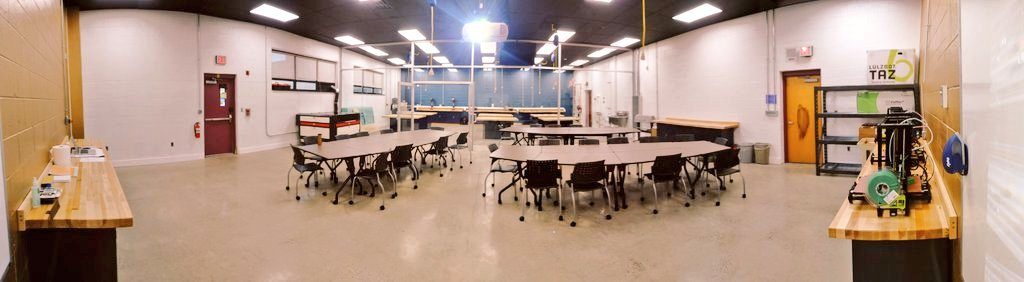
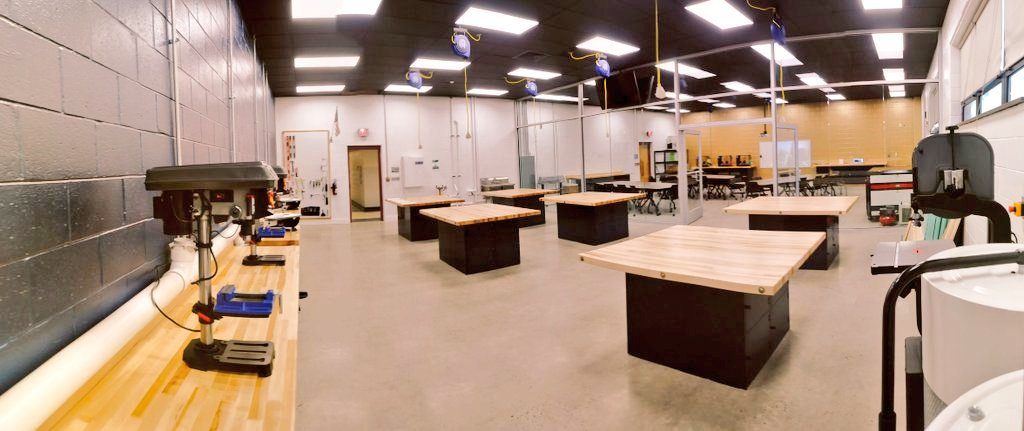
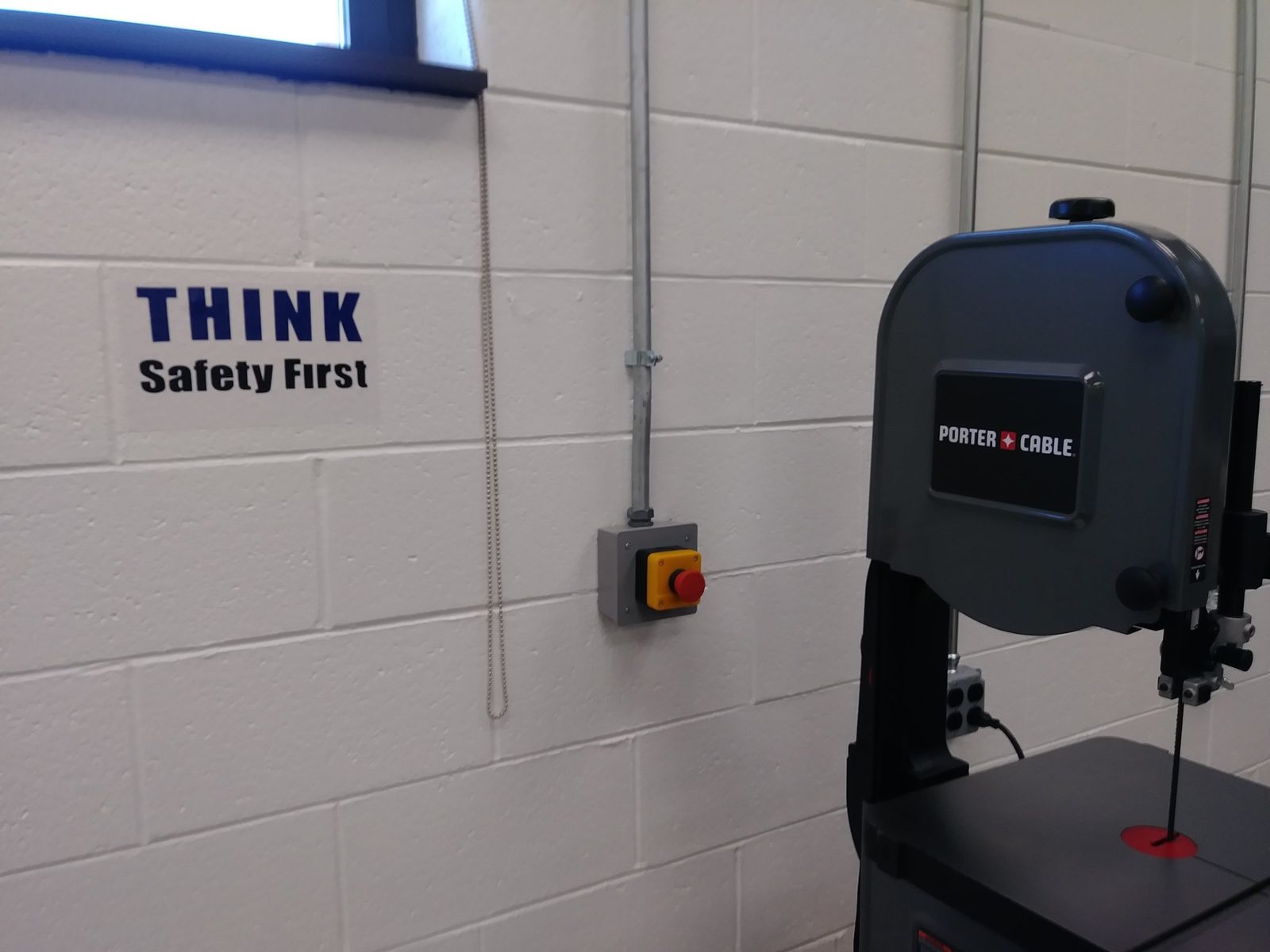
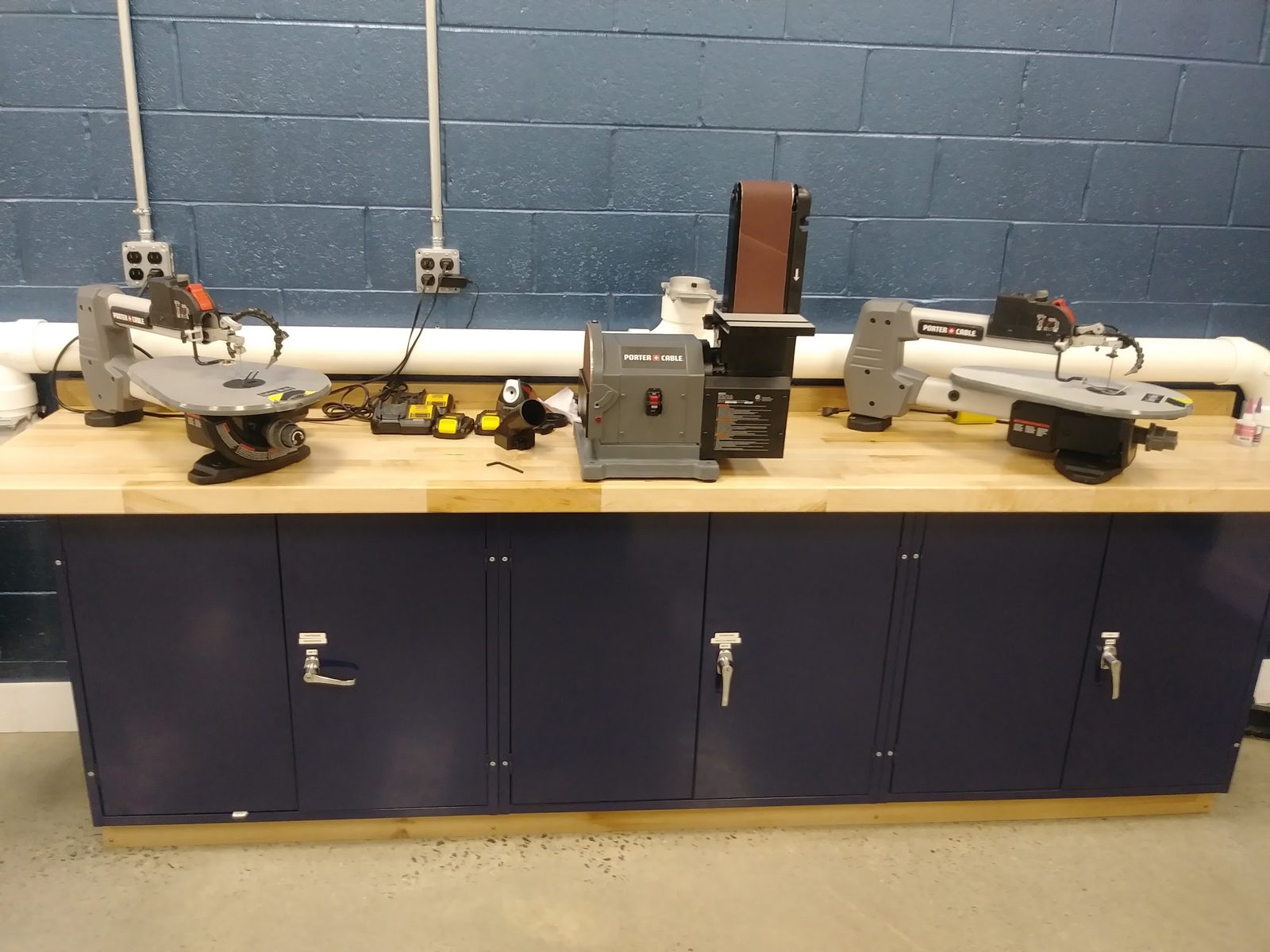
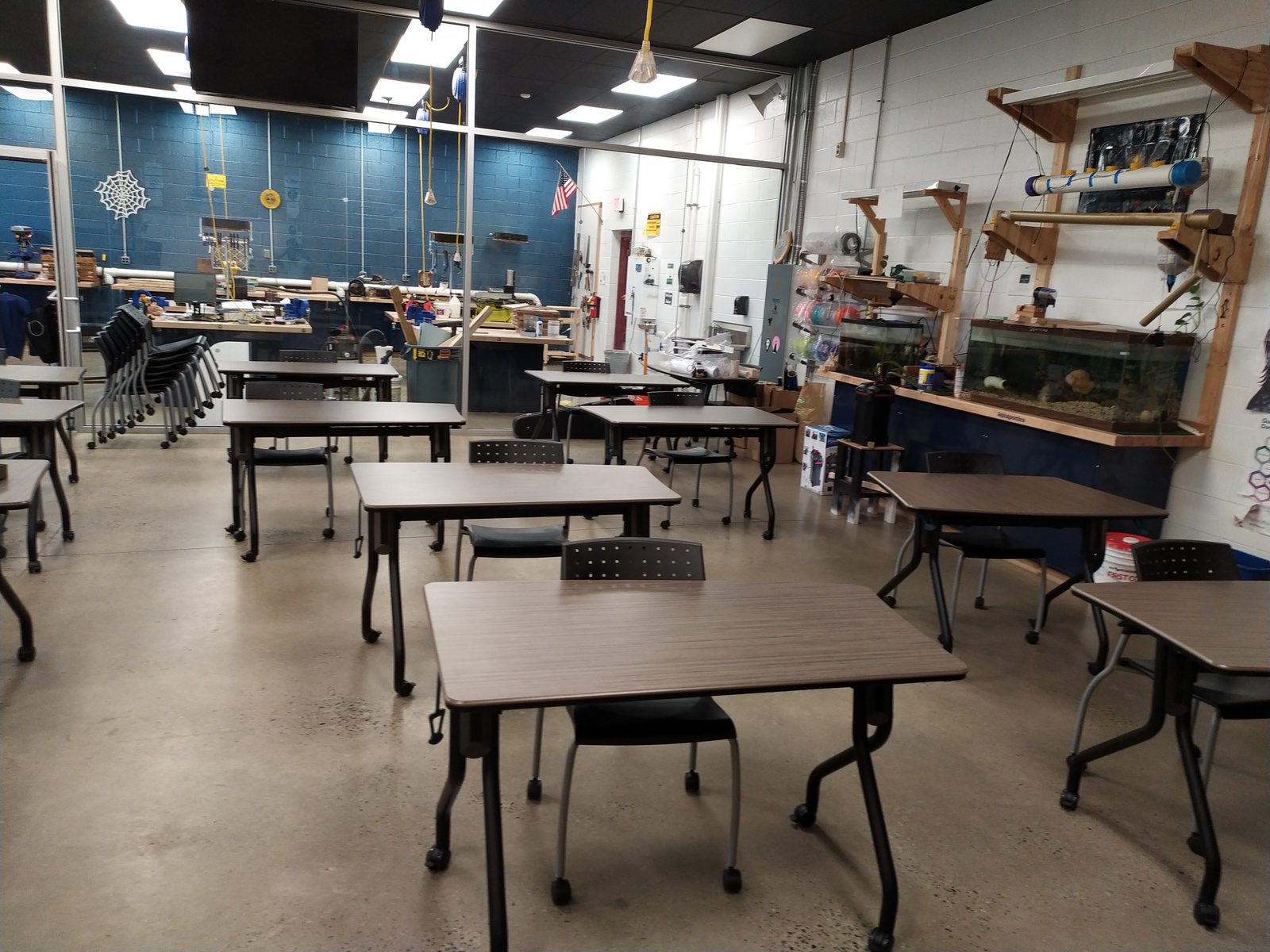
Helped plan and build a state-of-the-art engineering lab and started the NE engineering academy. Taught Introduction to Engineering, Sustainable Engineering, Art and Engineering, Manufacturing, and two levels of Computer Science. Served as the set design advisor for 3 high school musical productions.
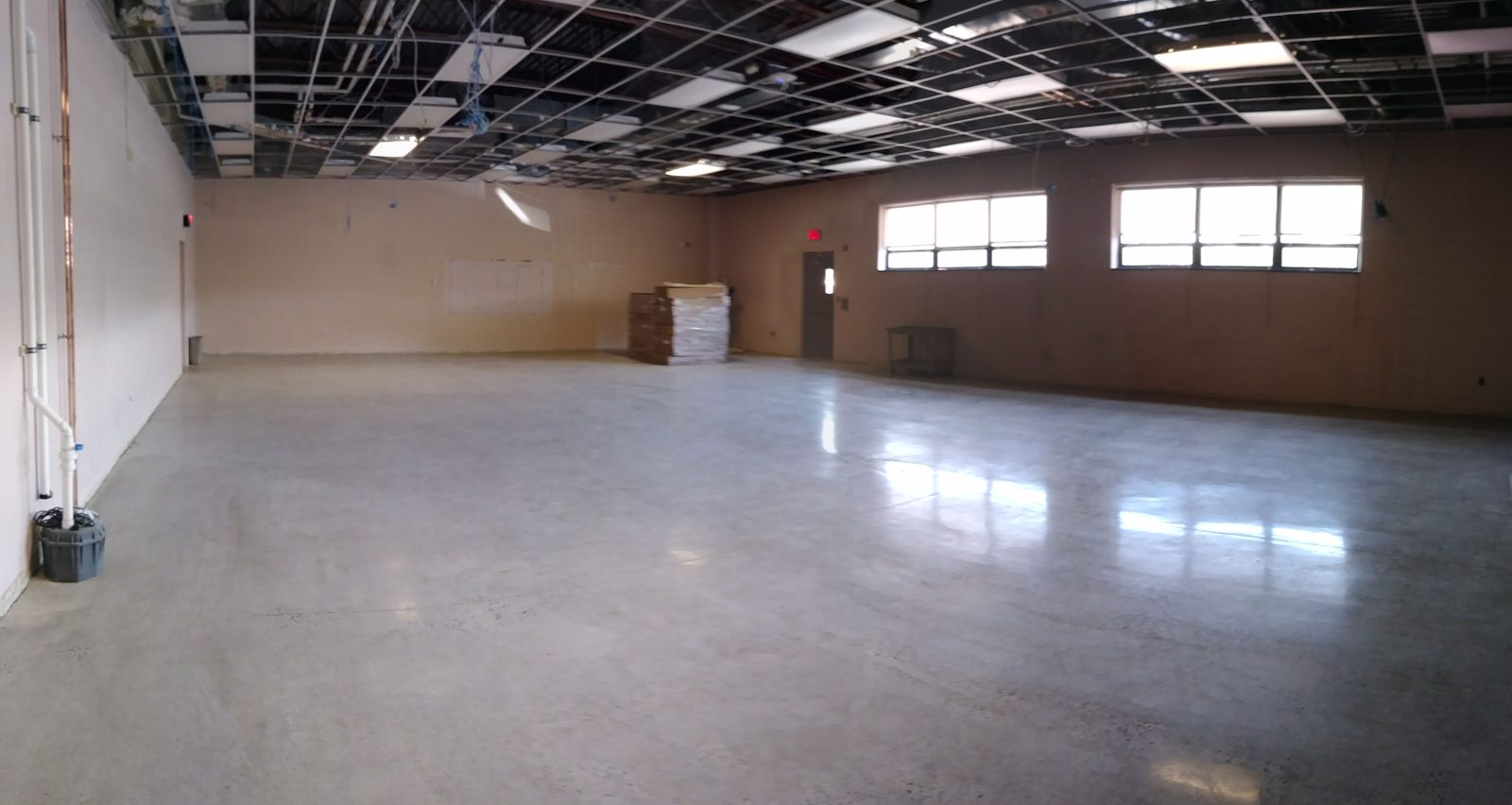
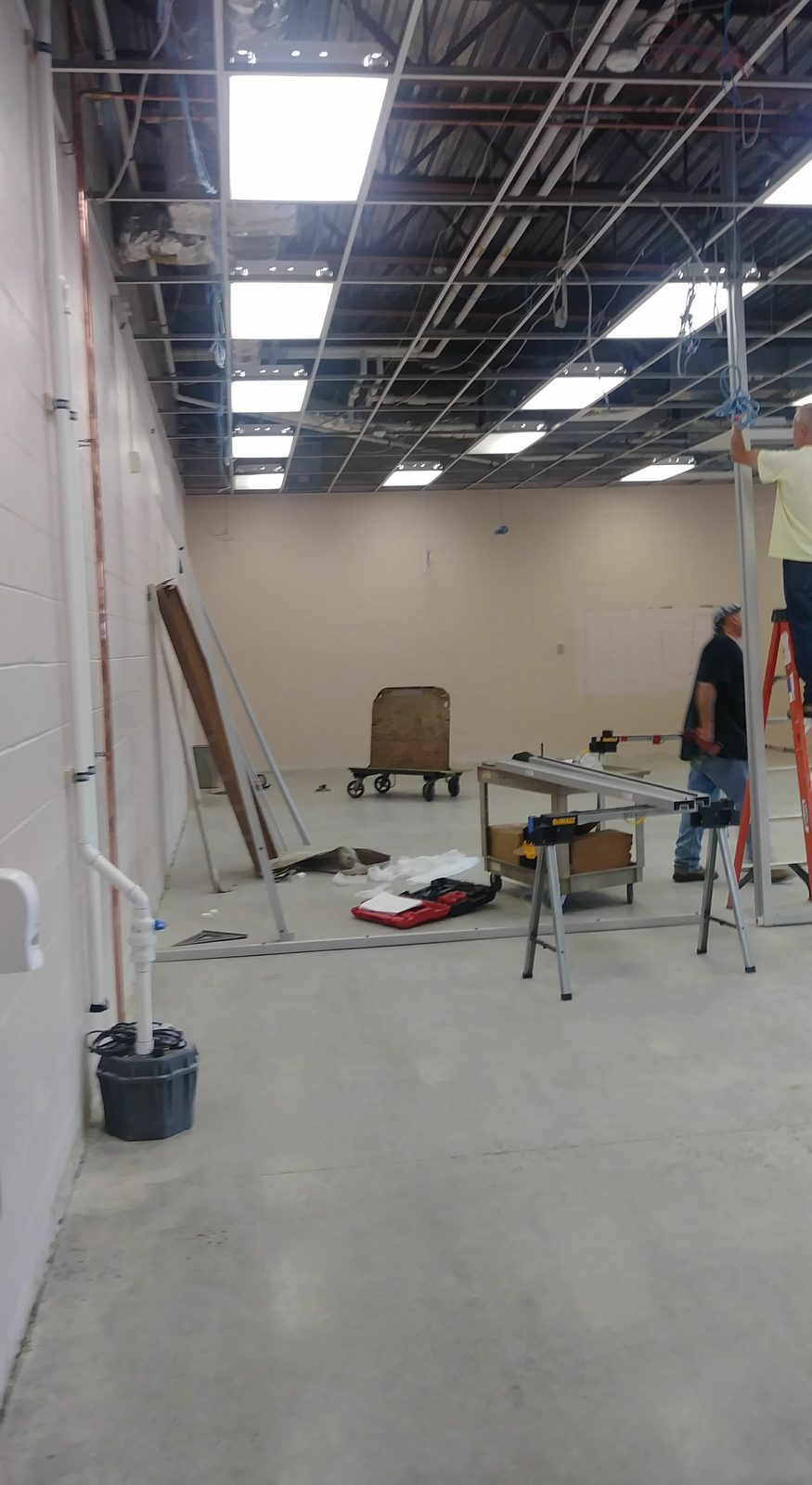
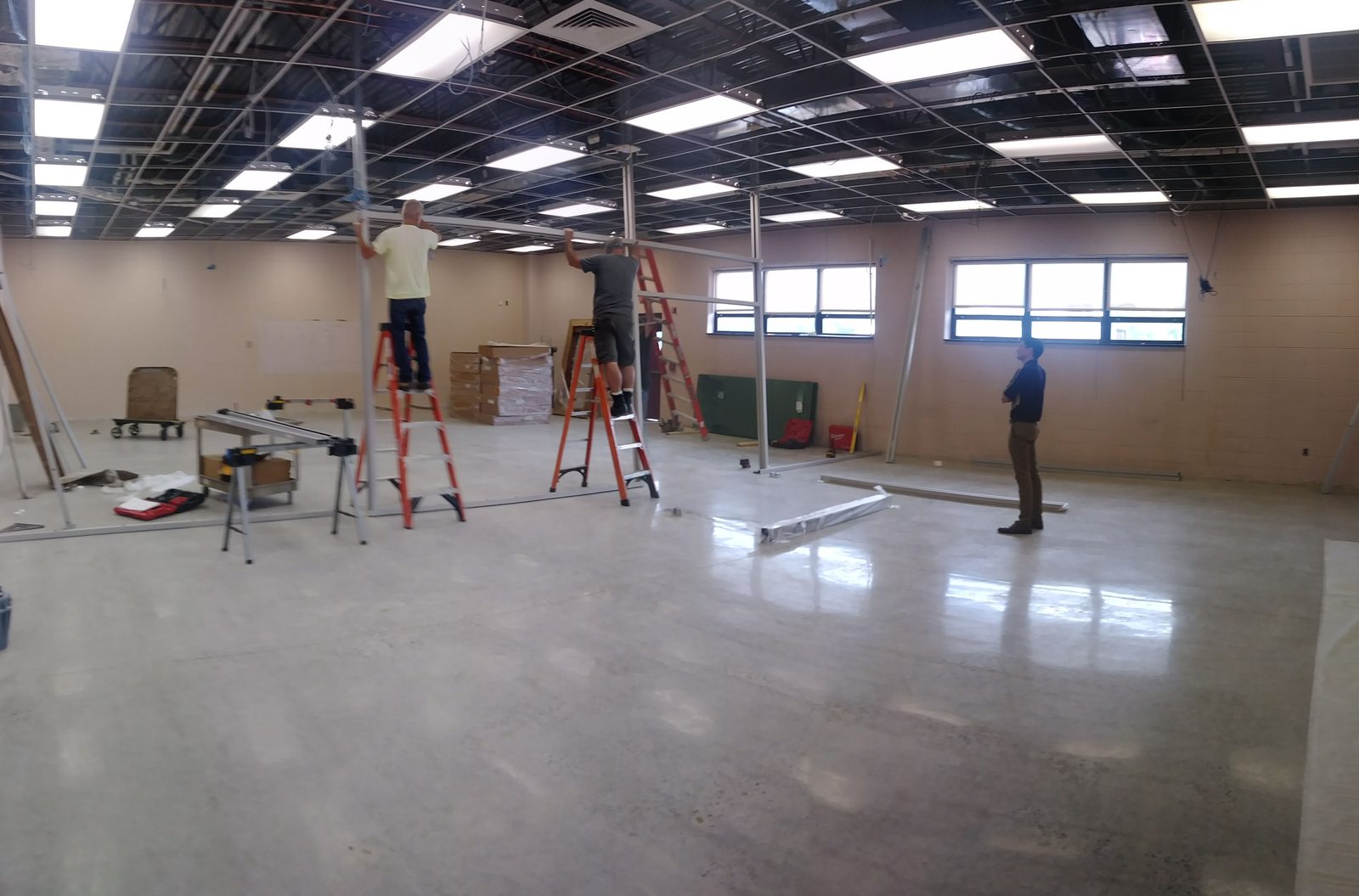
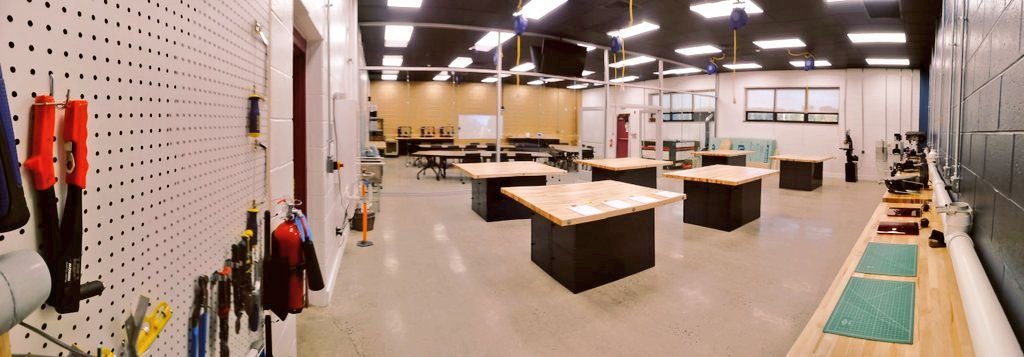
Grew the engineering academy alongside a purpose-built lab space, from an old dual classroom to a full fabrication and classroom space. The glass divide served as a drawing space for creative discssion, and a divide between a workshop and a clean learning space.
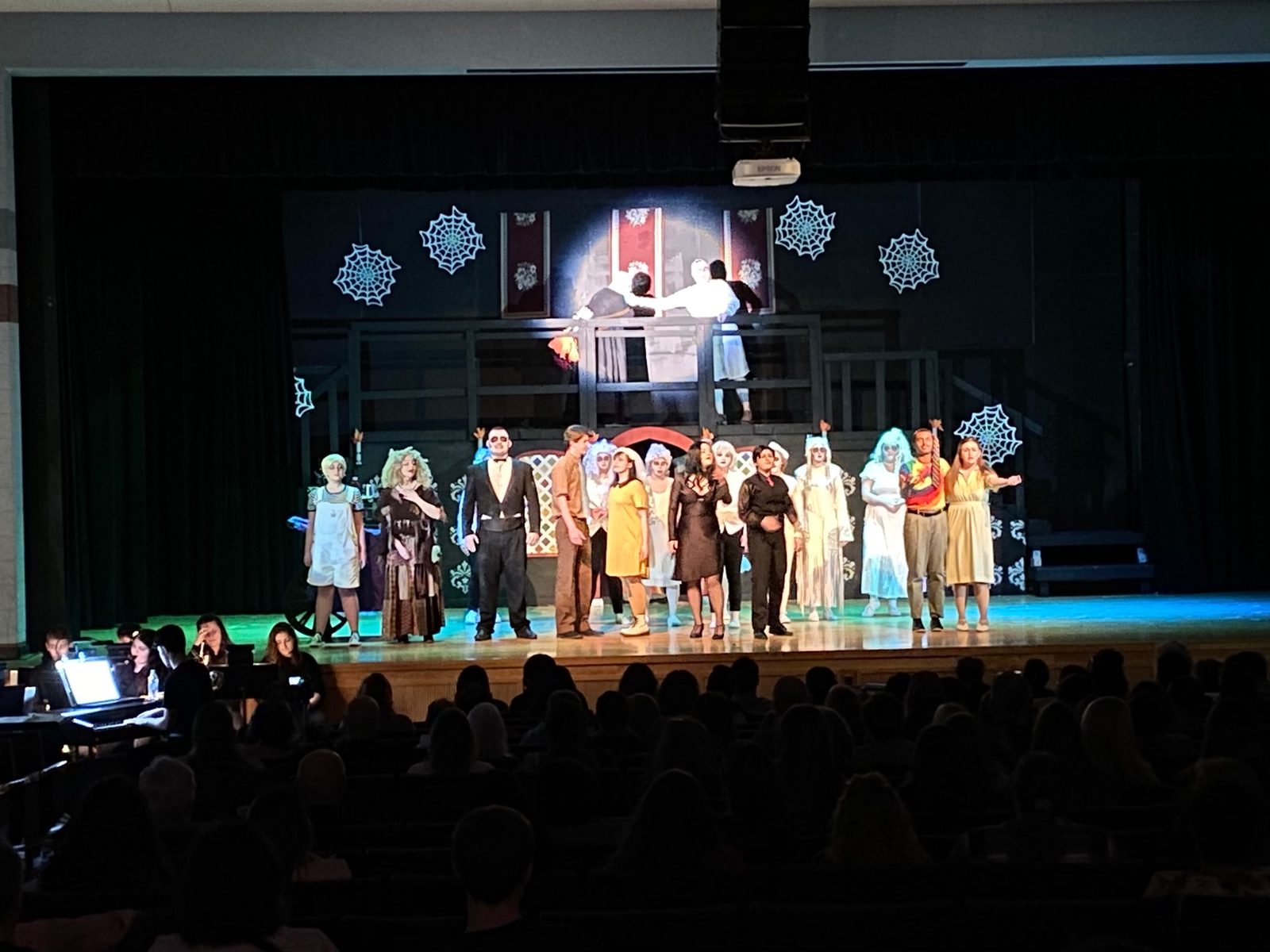
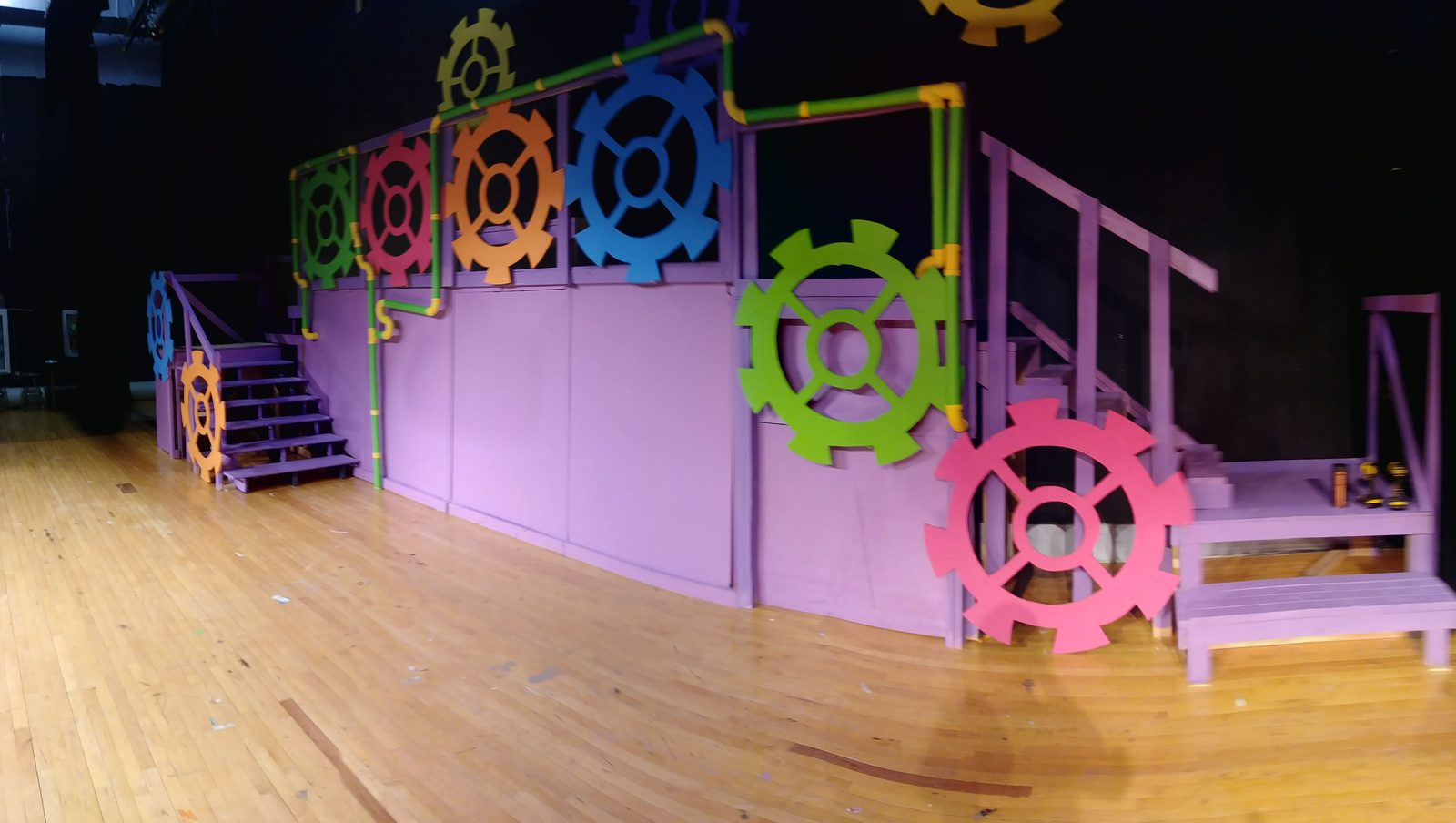
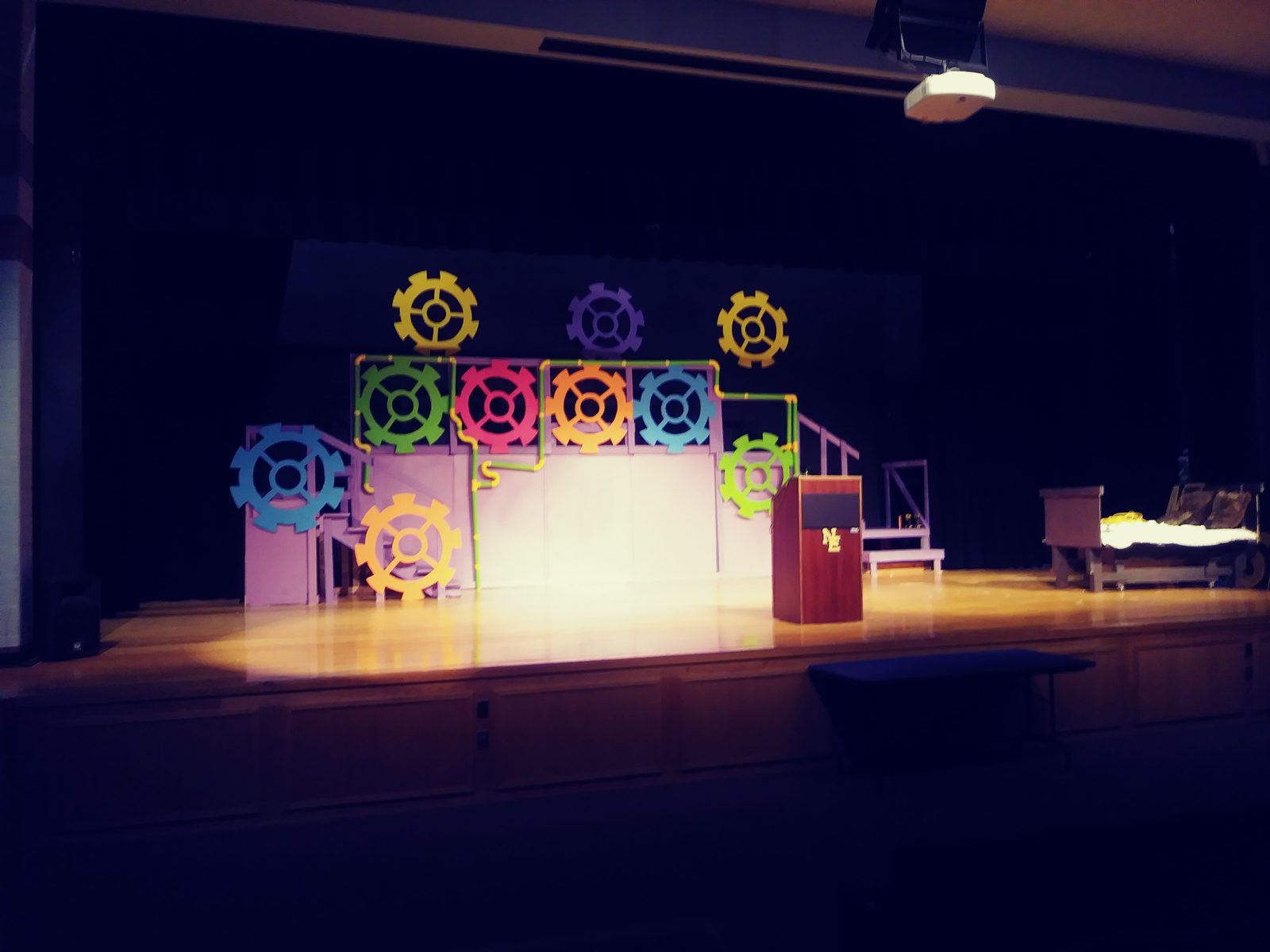
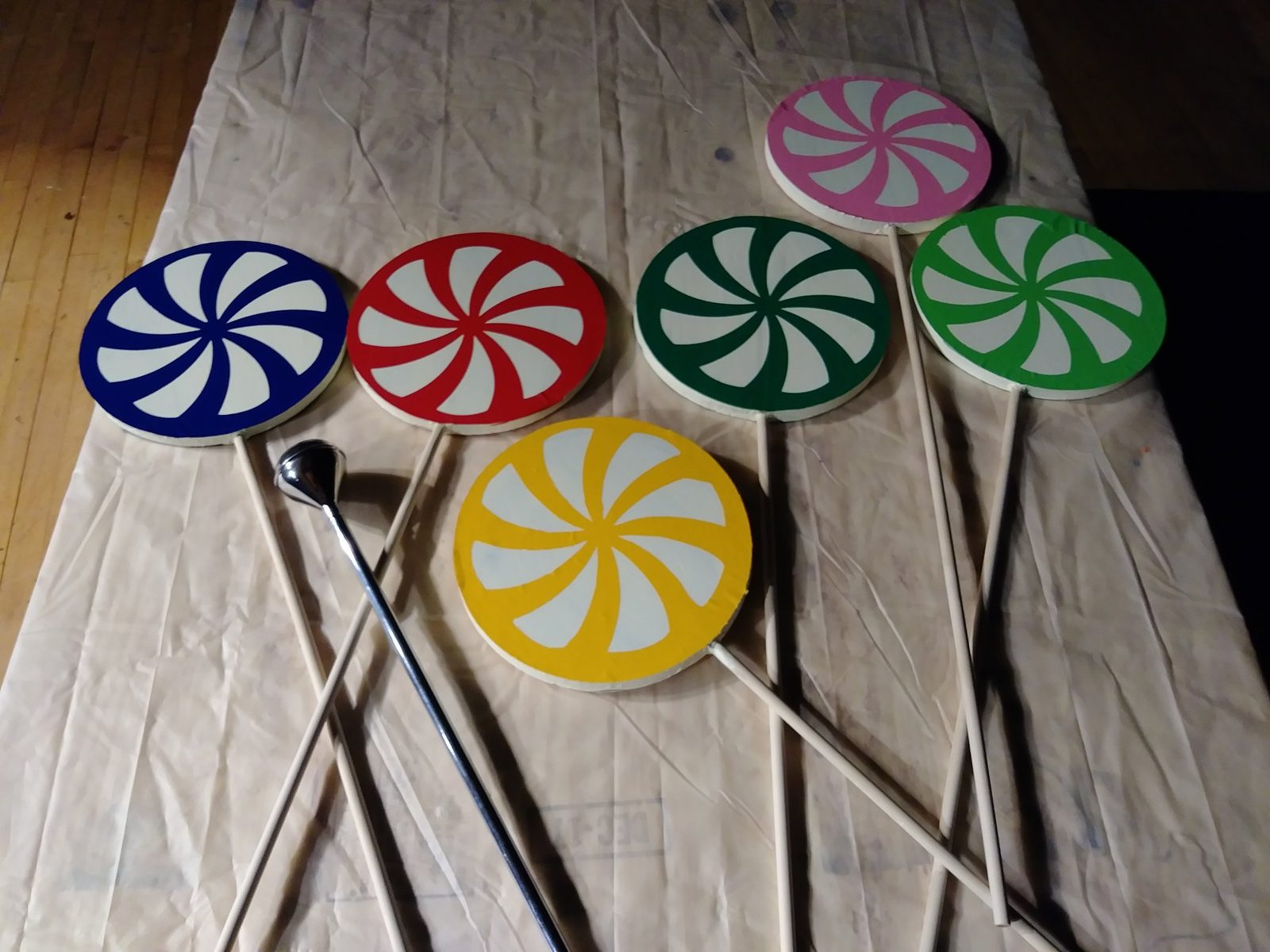
Led set design and build for three of the school's musicals including Legally Blonde, Willy Wonka, and The Addams Family. Can't take all the credit for the willy wonka set, this was a donated structure we built on for the Adam's family production.
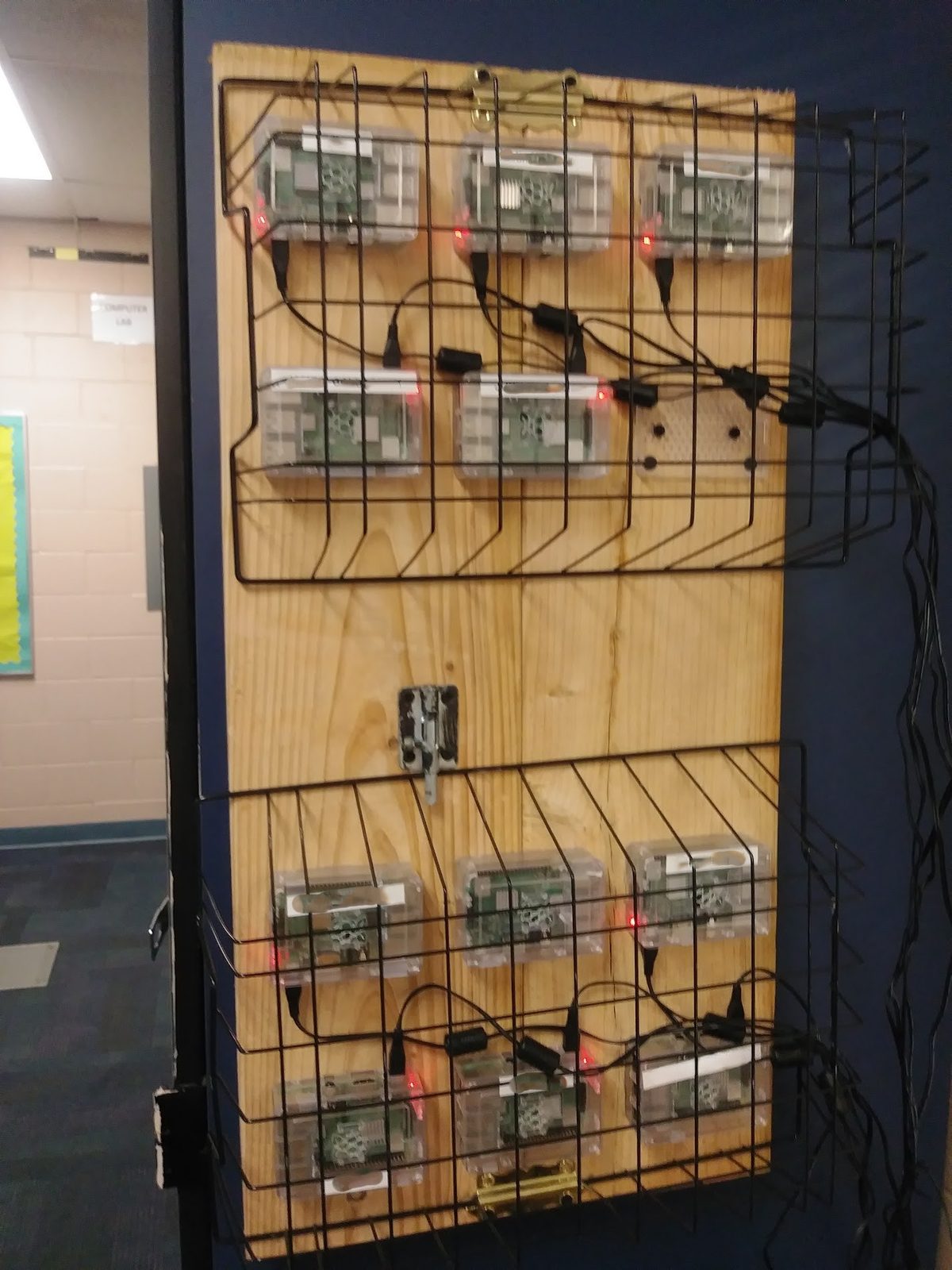
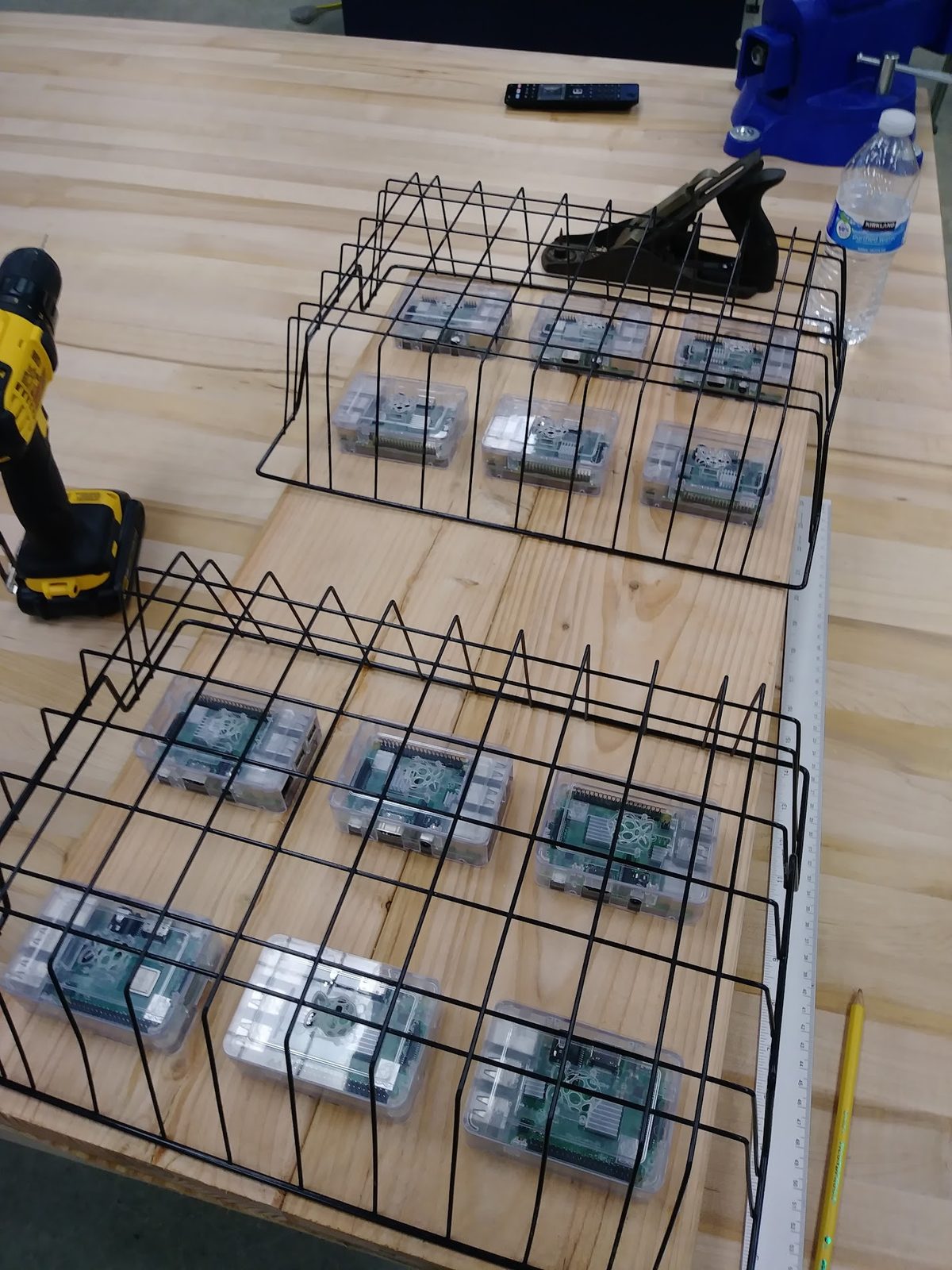
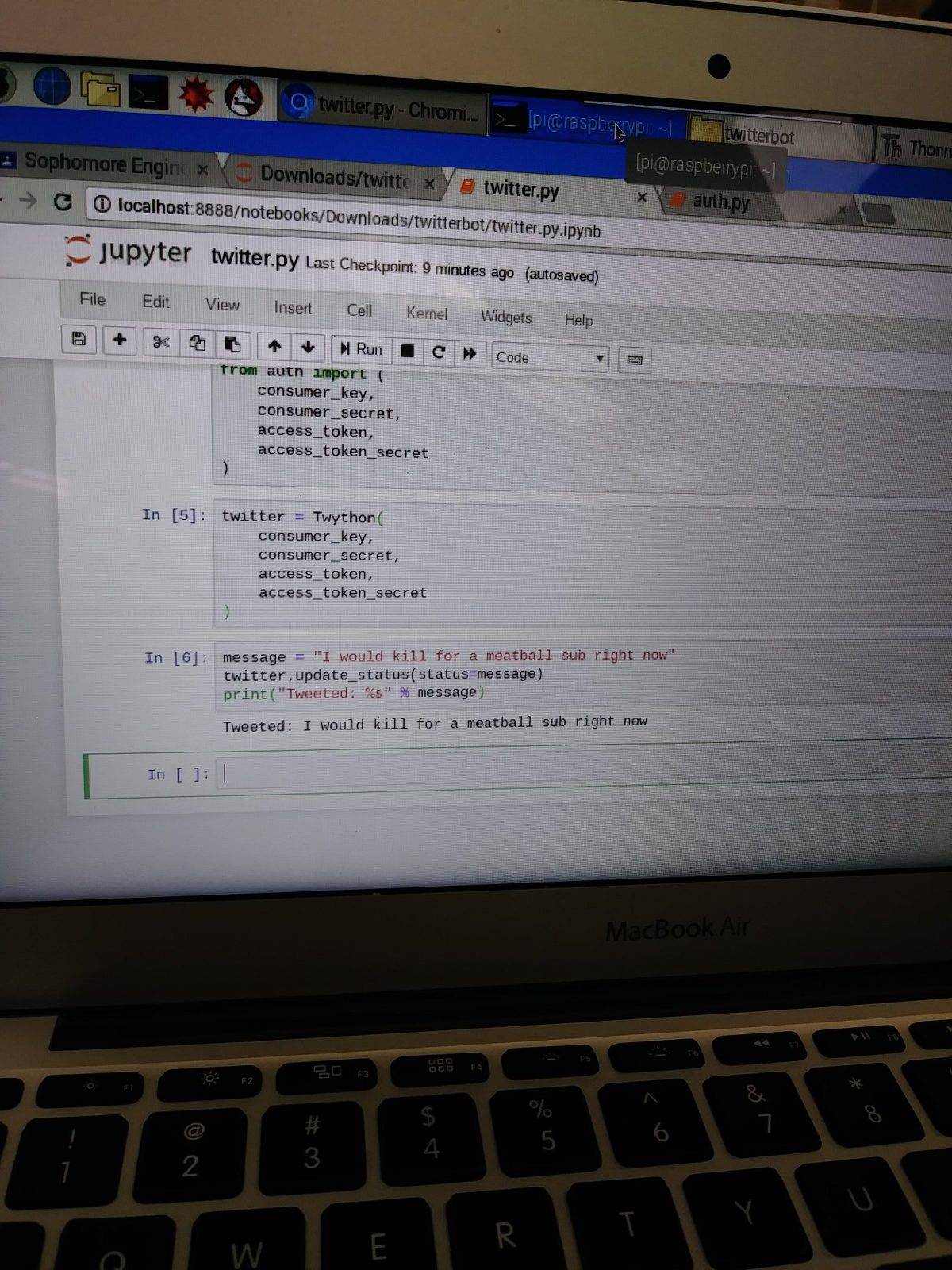
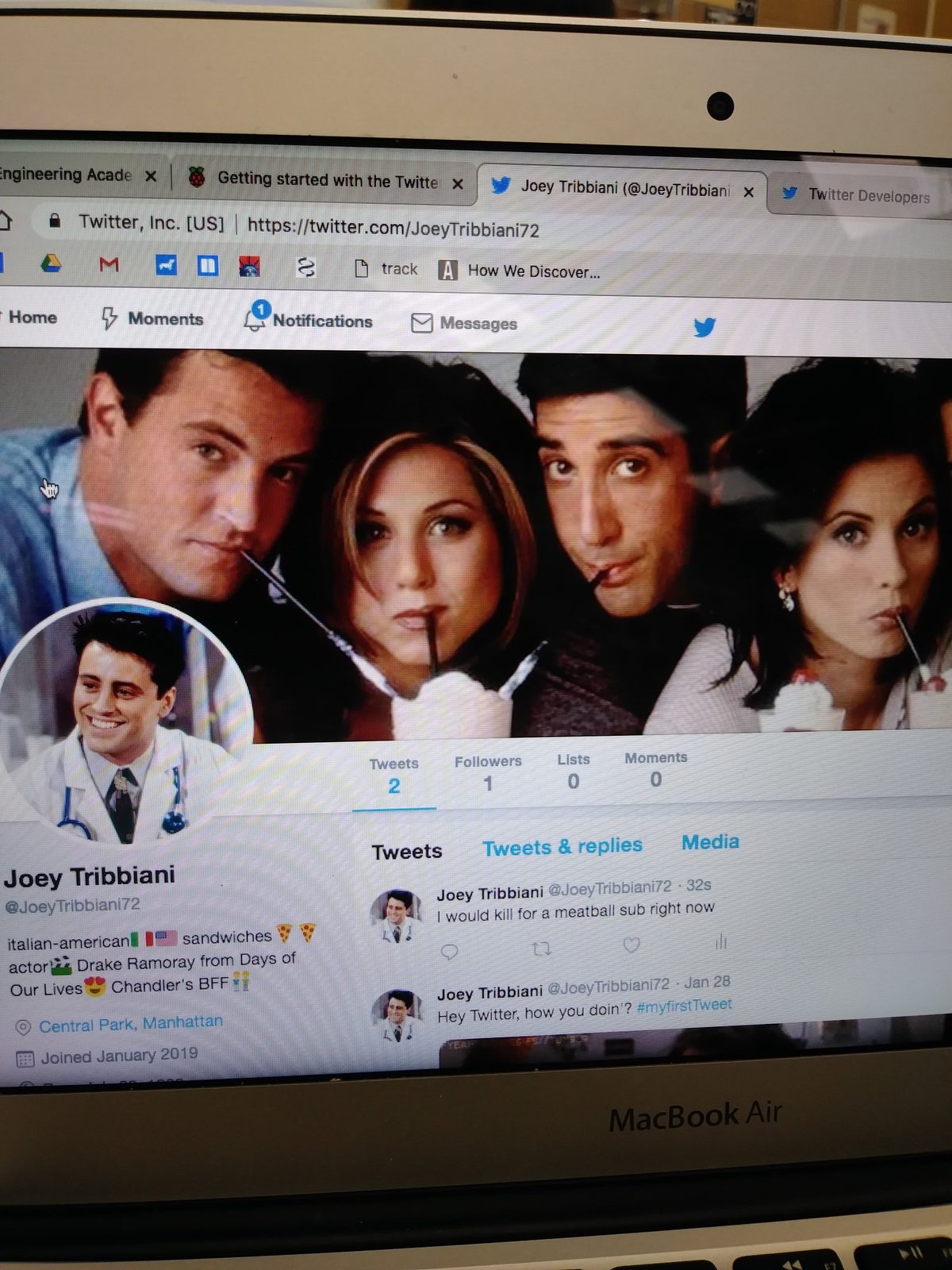
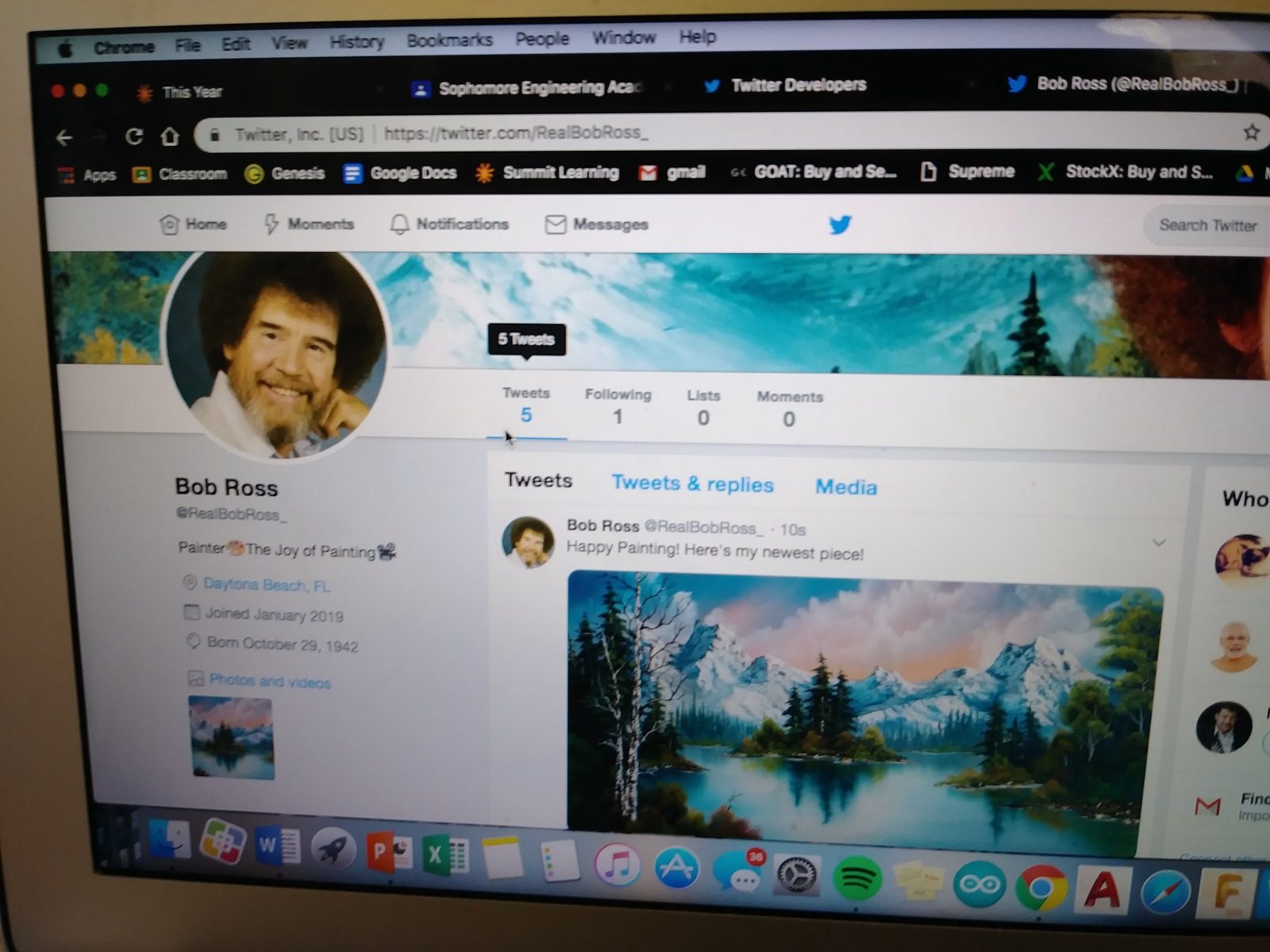
Students wrote Python in Jupyter notebooks on a Raspberry Pi, run headless and controlled over VNC, to post to the Twitter API. (back before it locked down and became X...) The bot could also run sentiment analysis on a user's tweet history using NLTK, the Natural Language Toolkit.
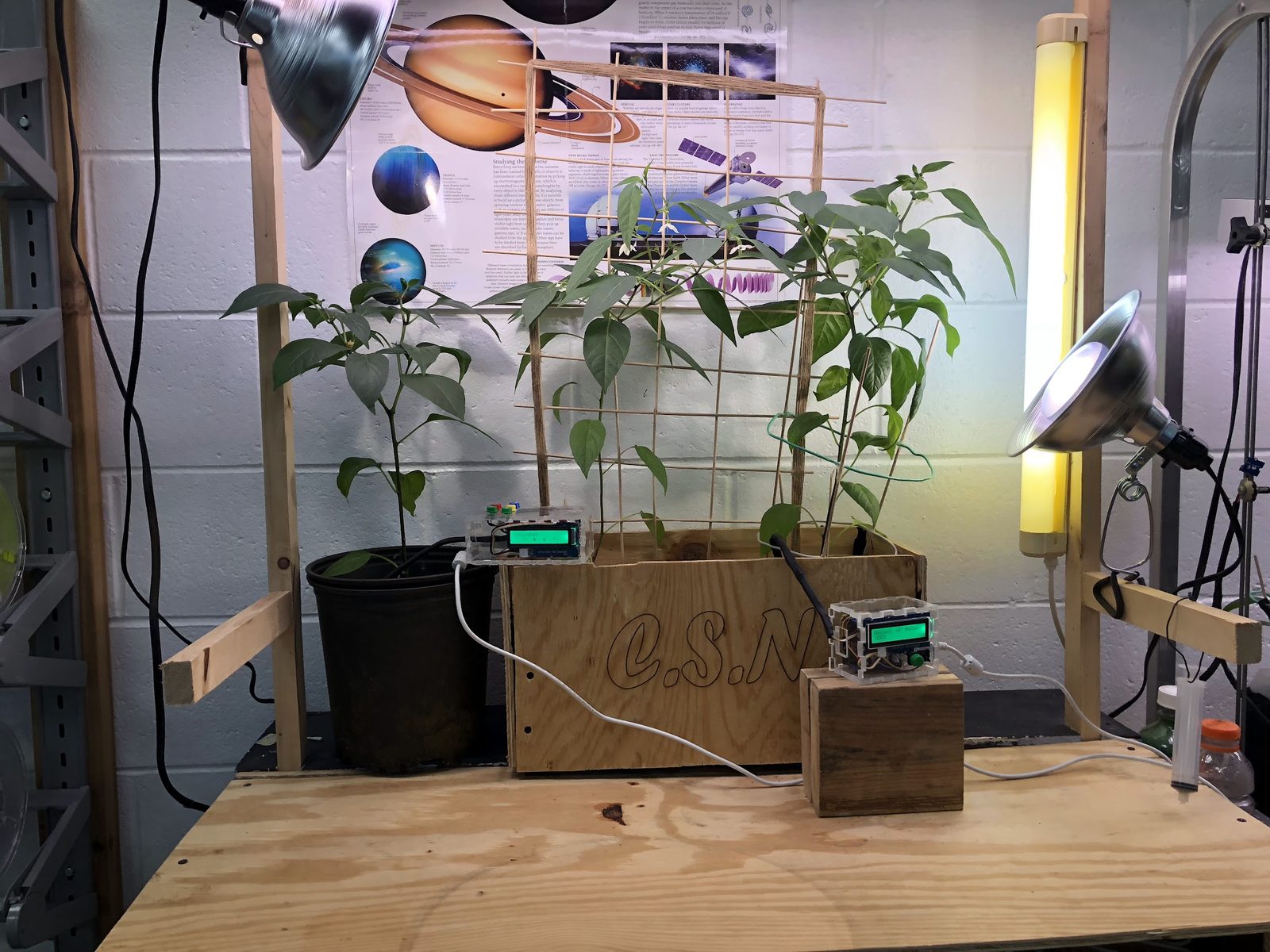
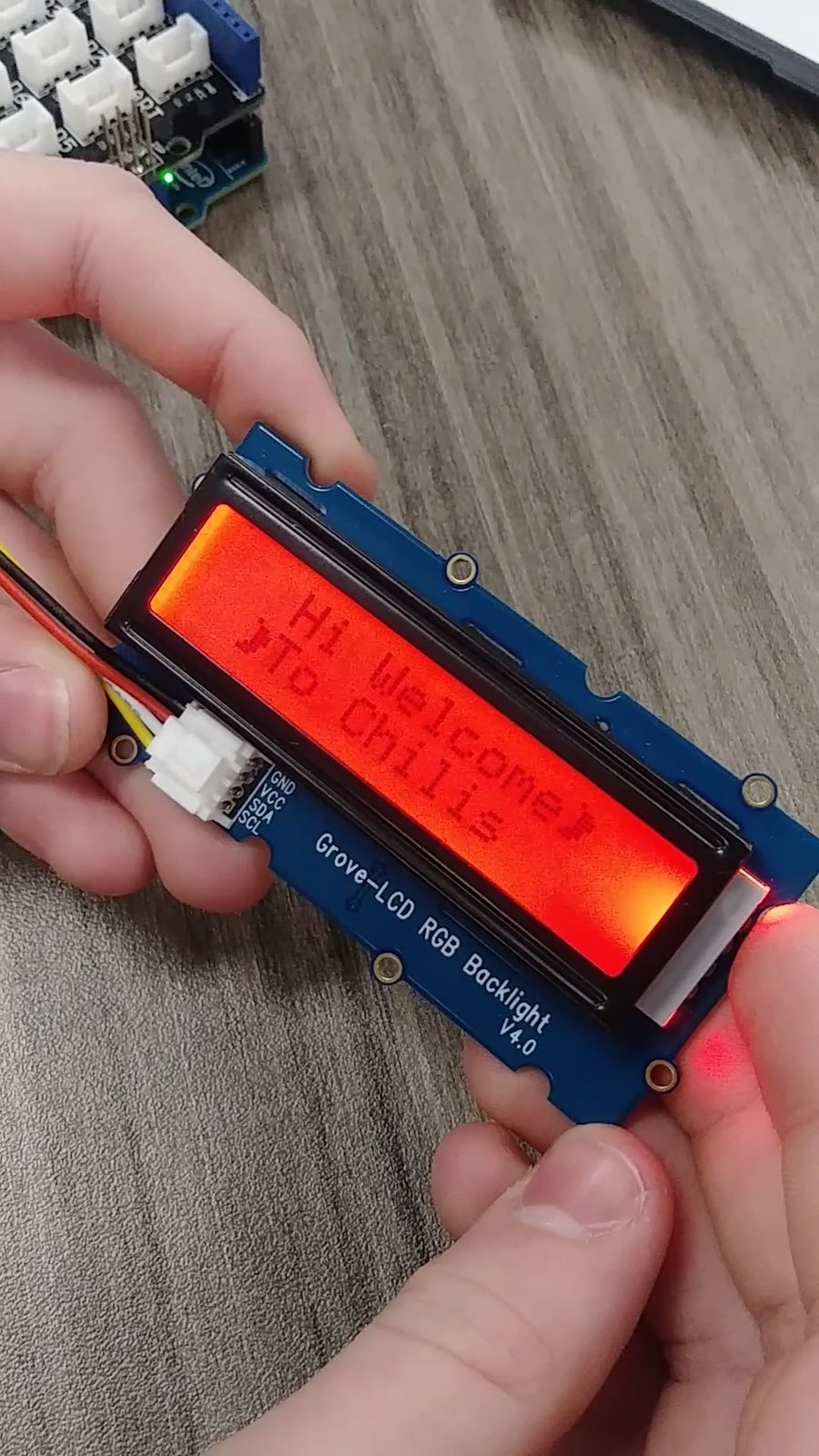
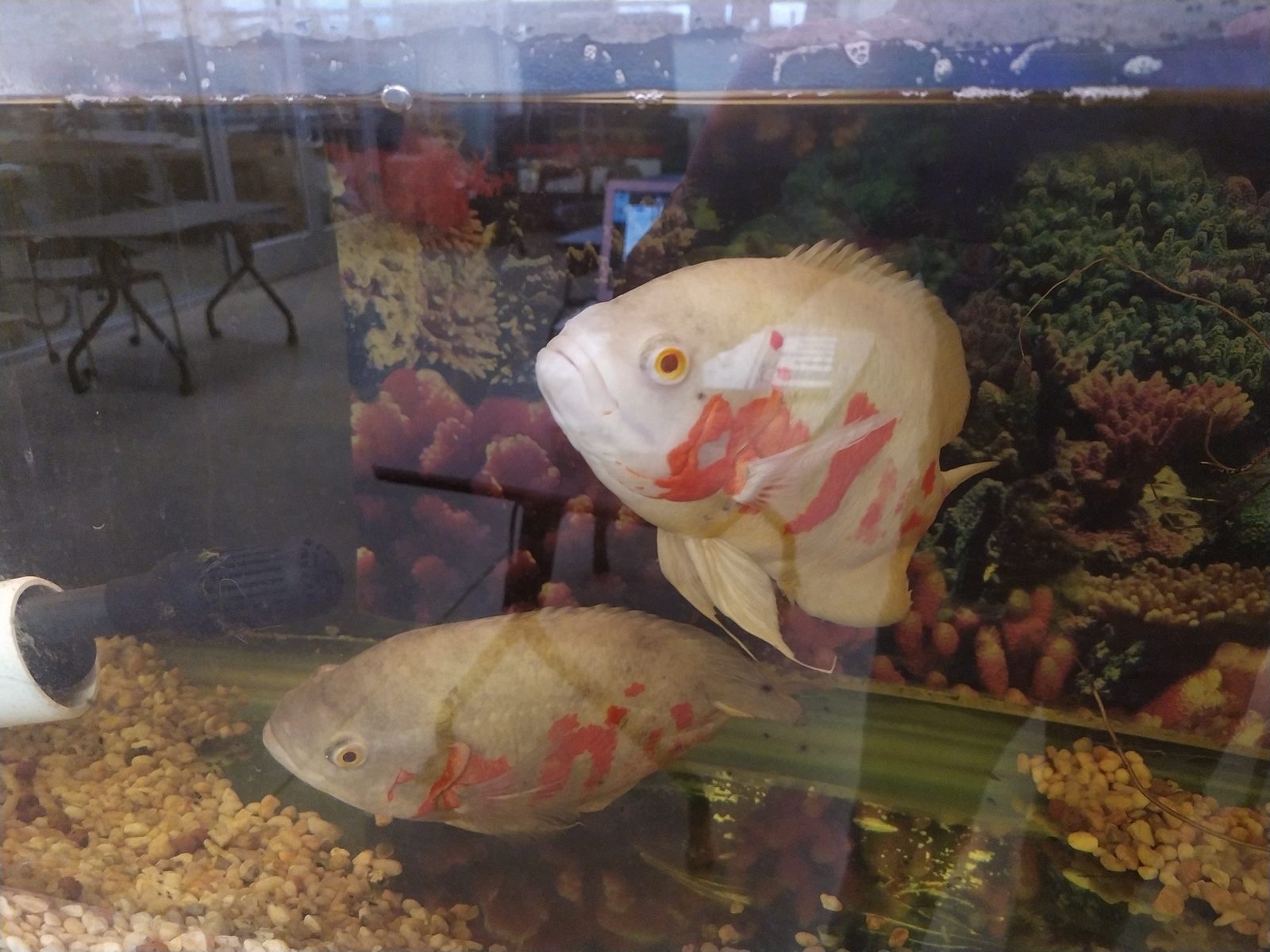
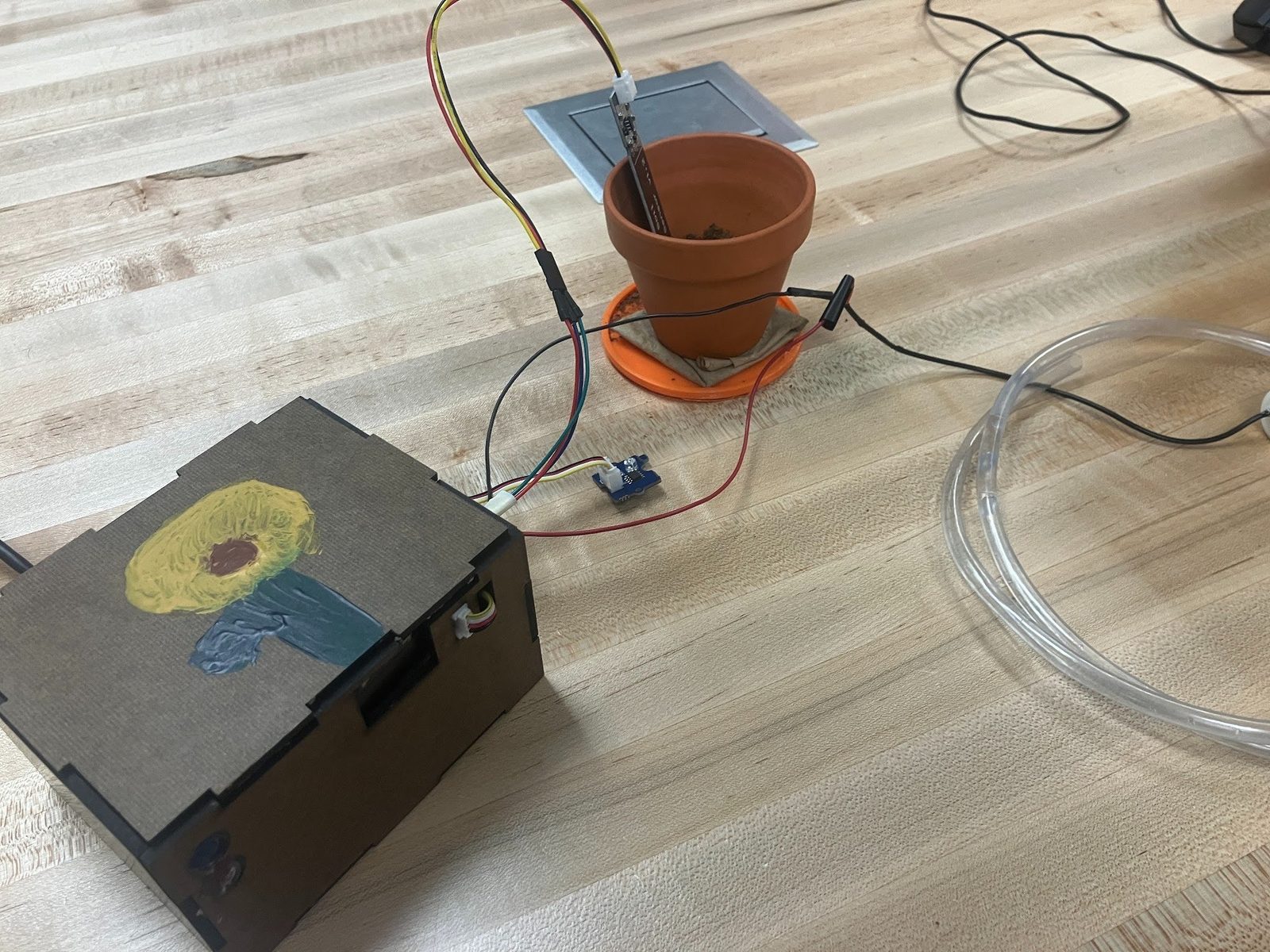
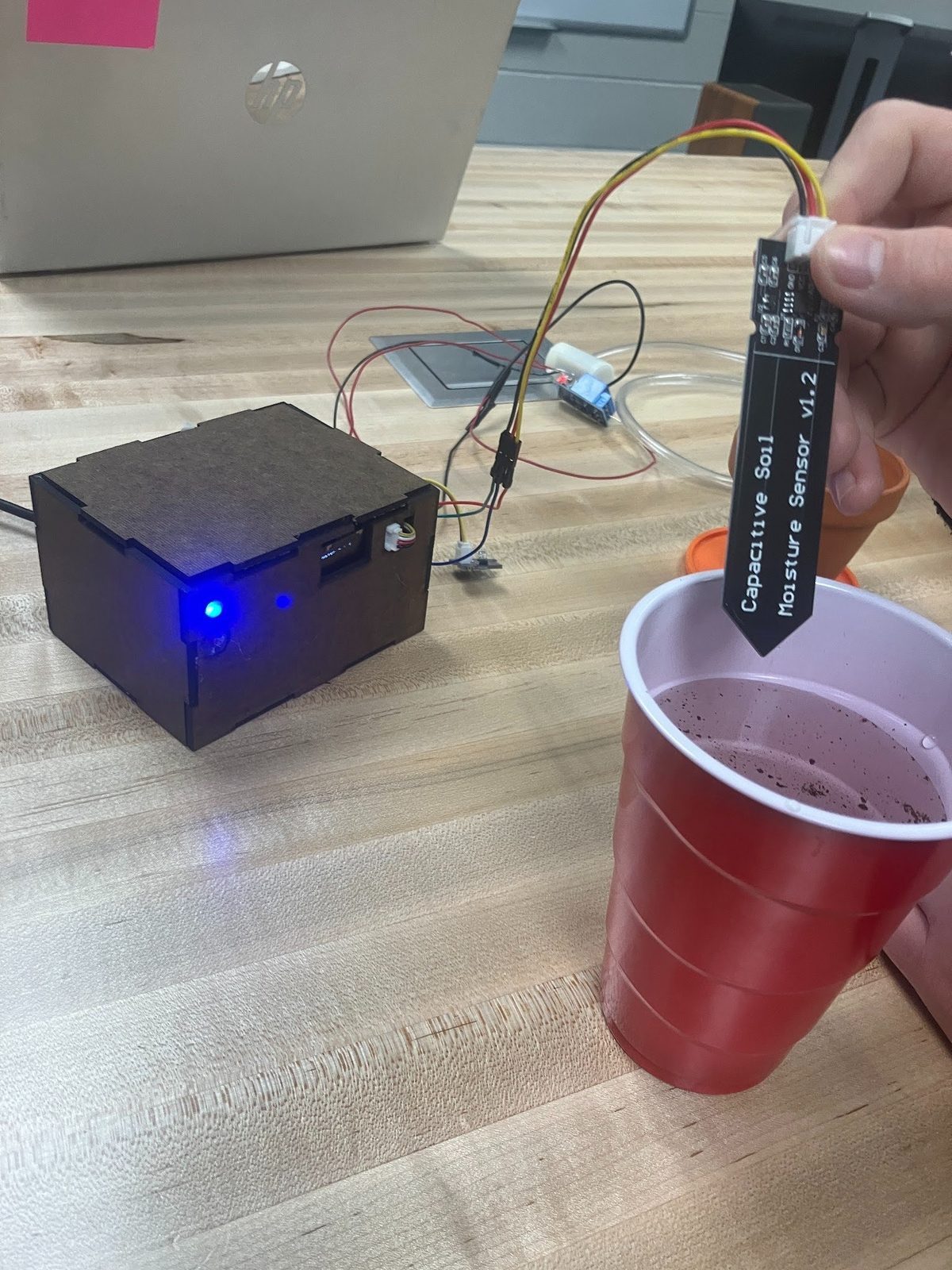
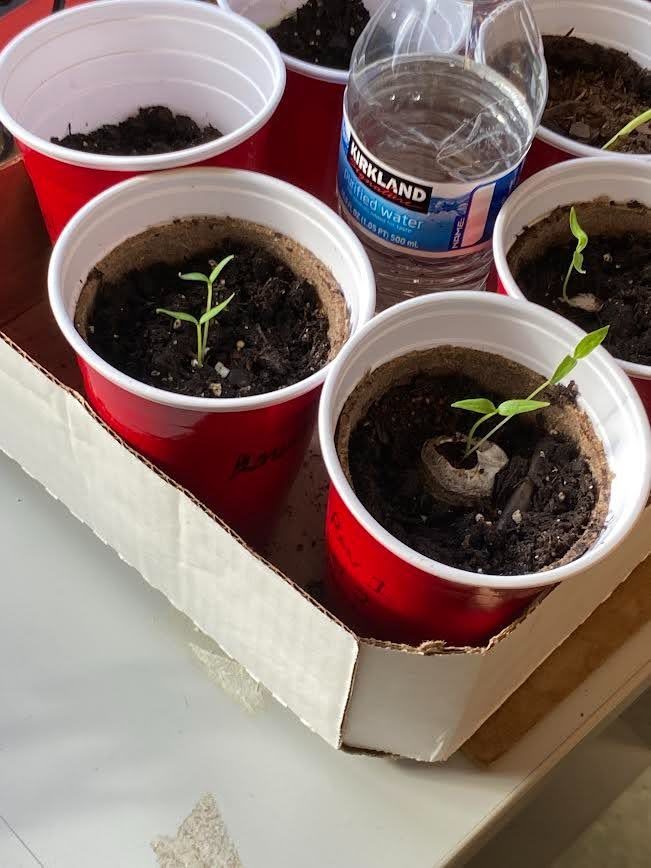
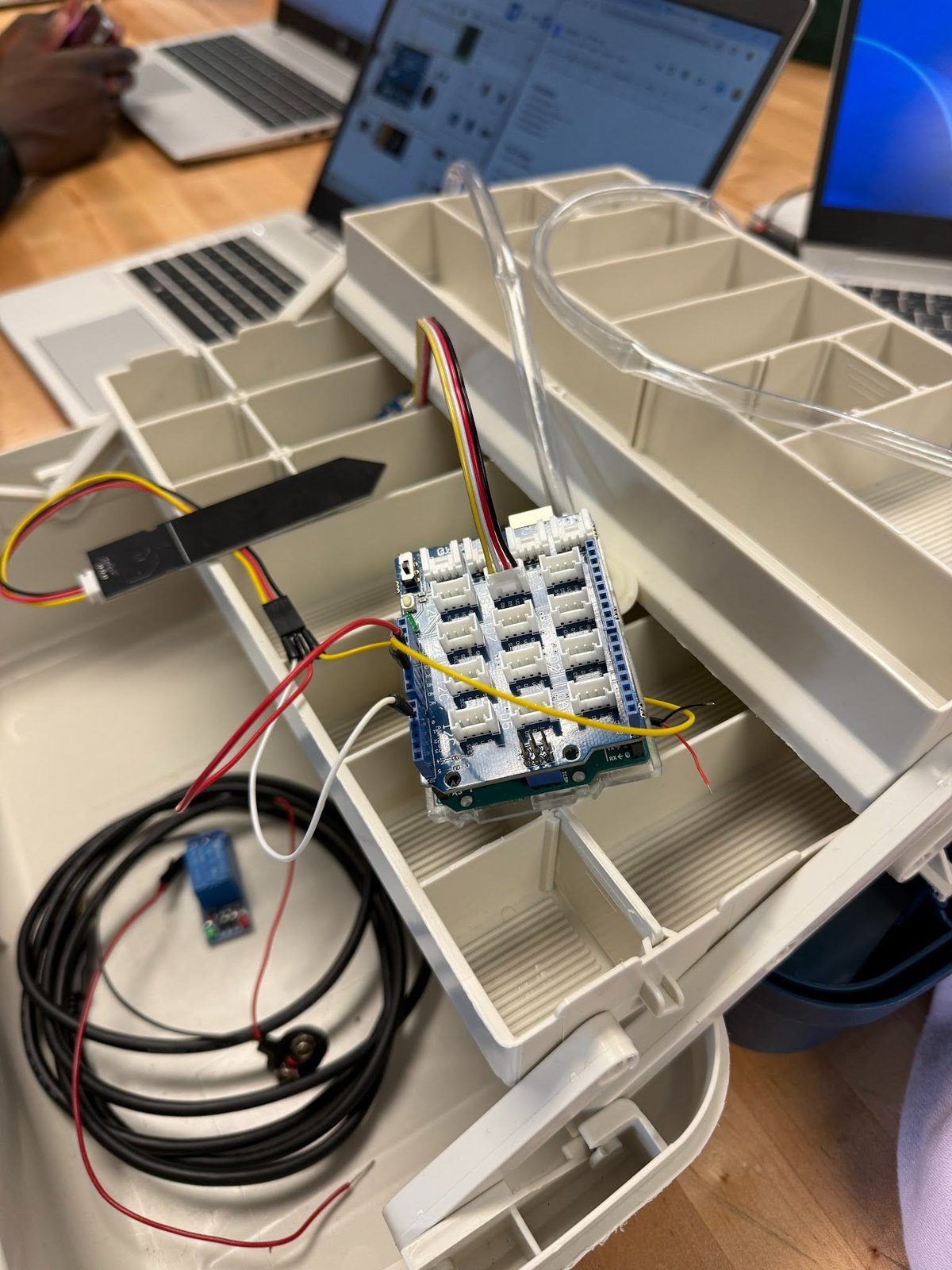
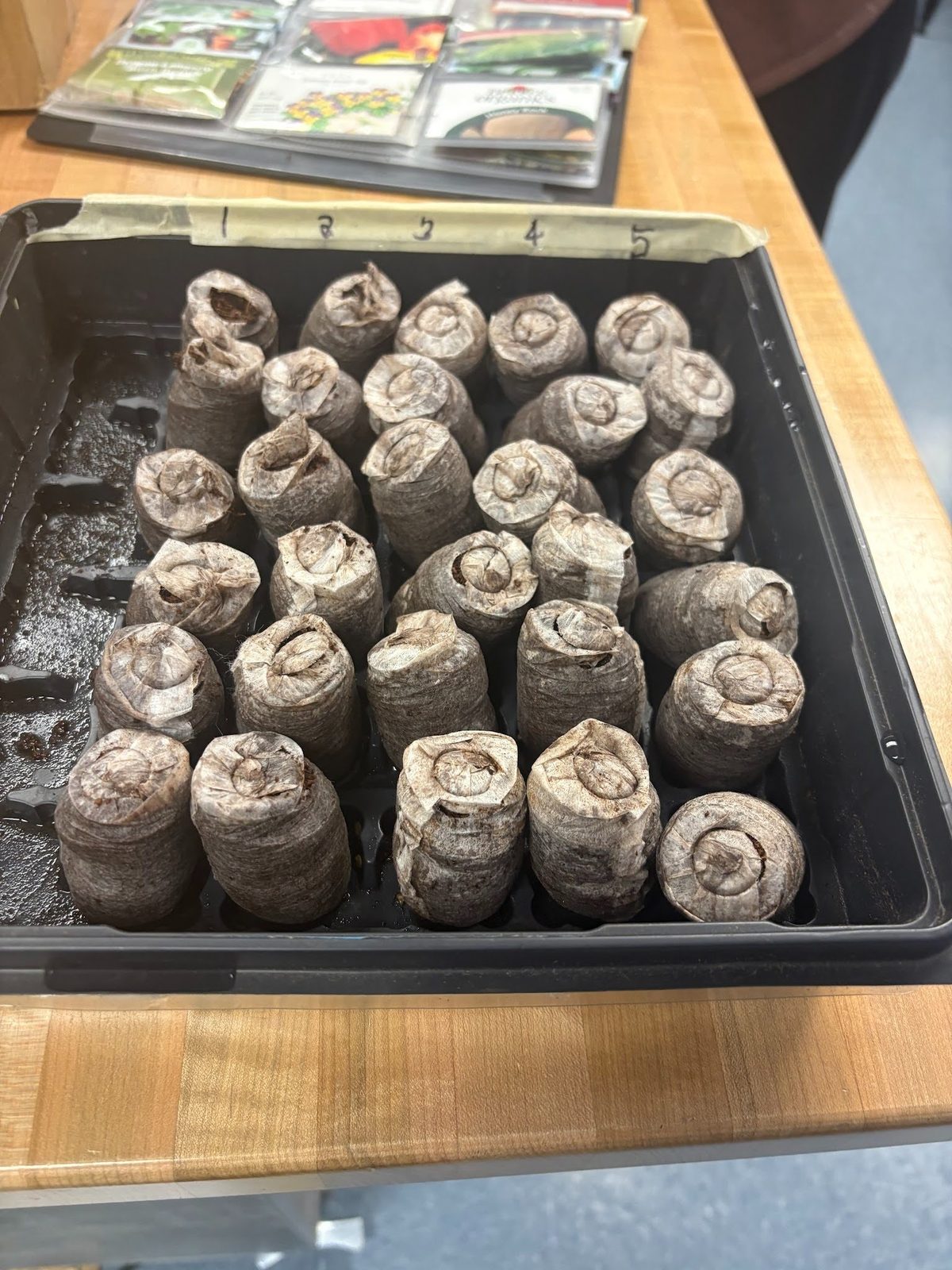
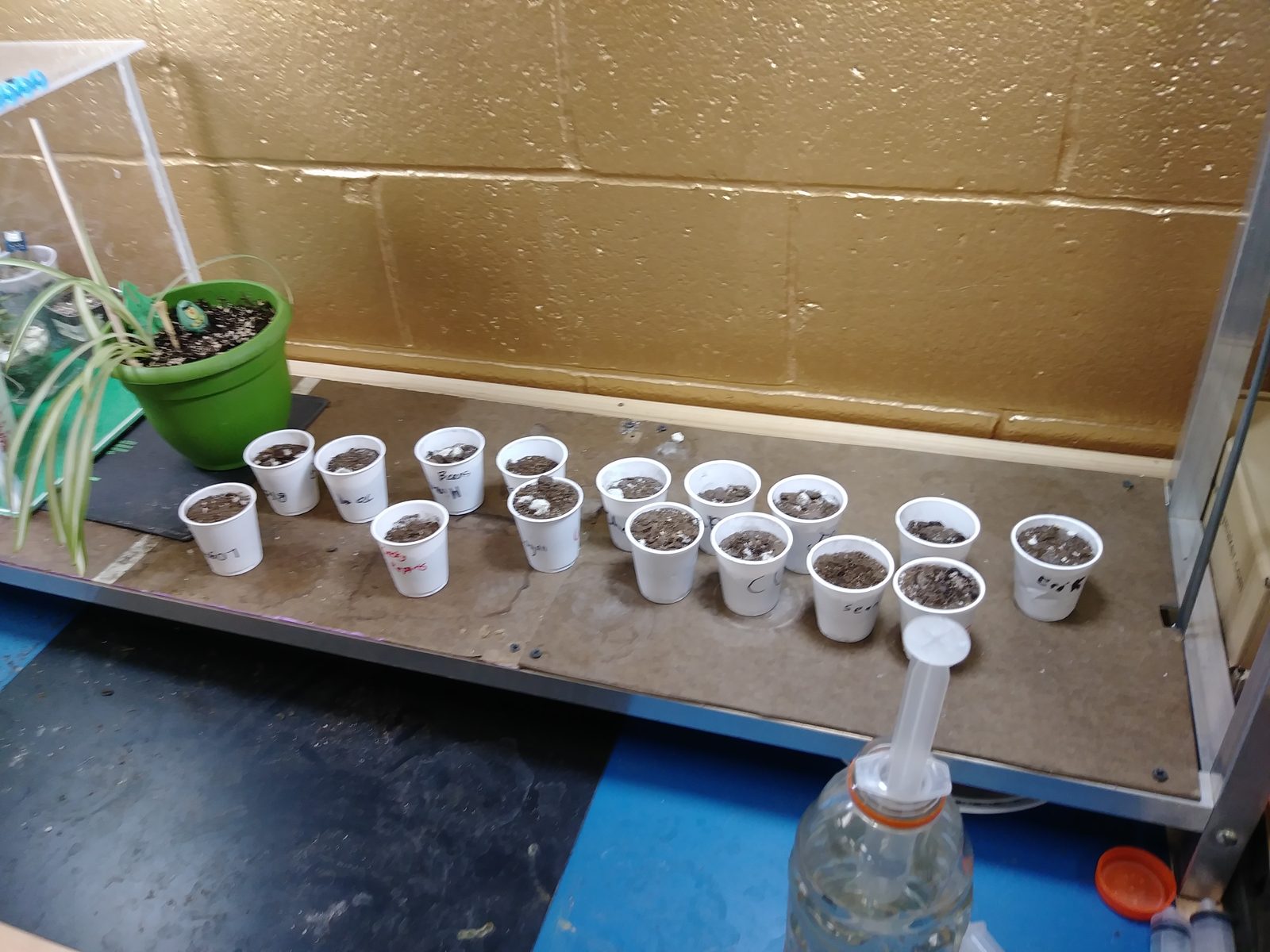
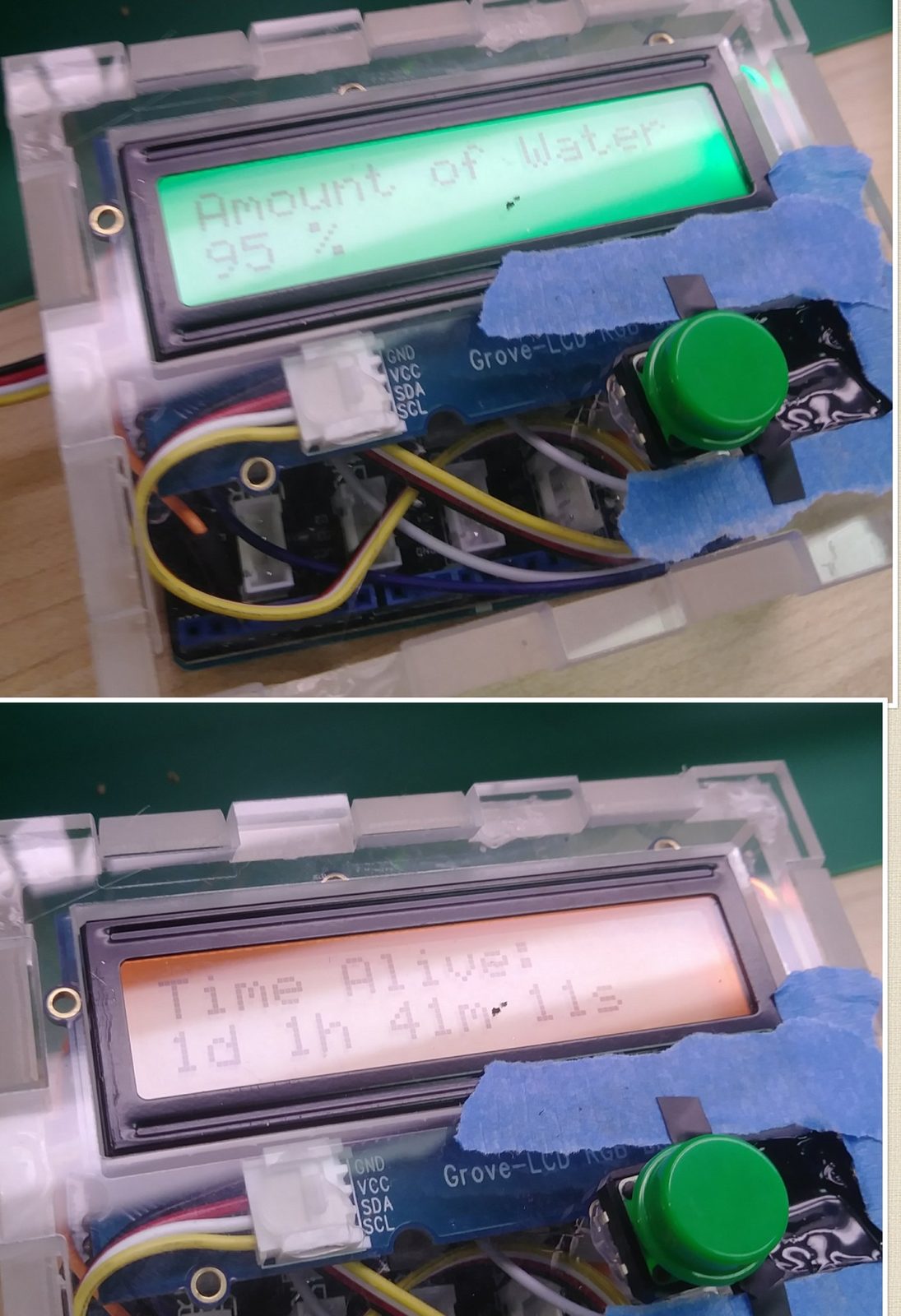
Way more than a repeat of the Millstone tank. Raised a male and female Oscar fish that got enormous, and built automated plant monitors with watering systems for both soil-based planters and the aquaponics grow beds.
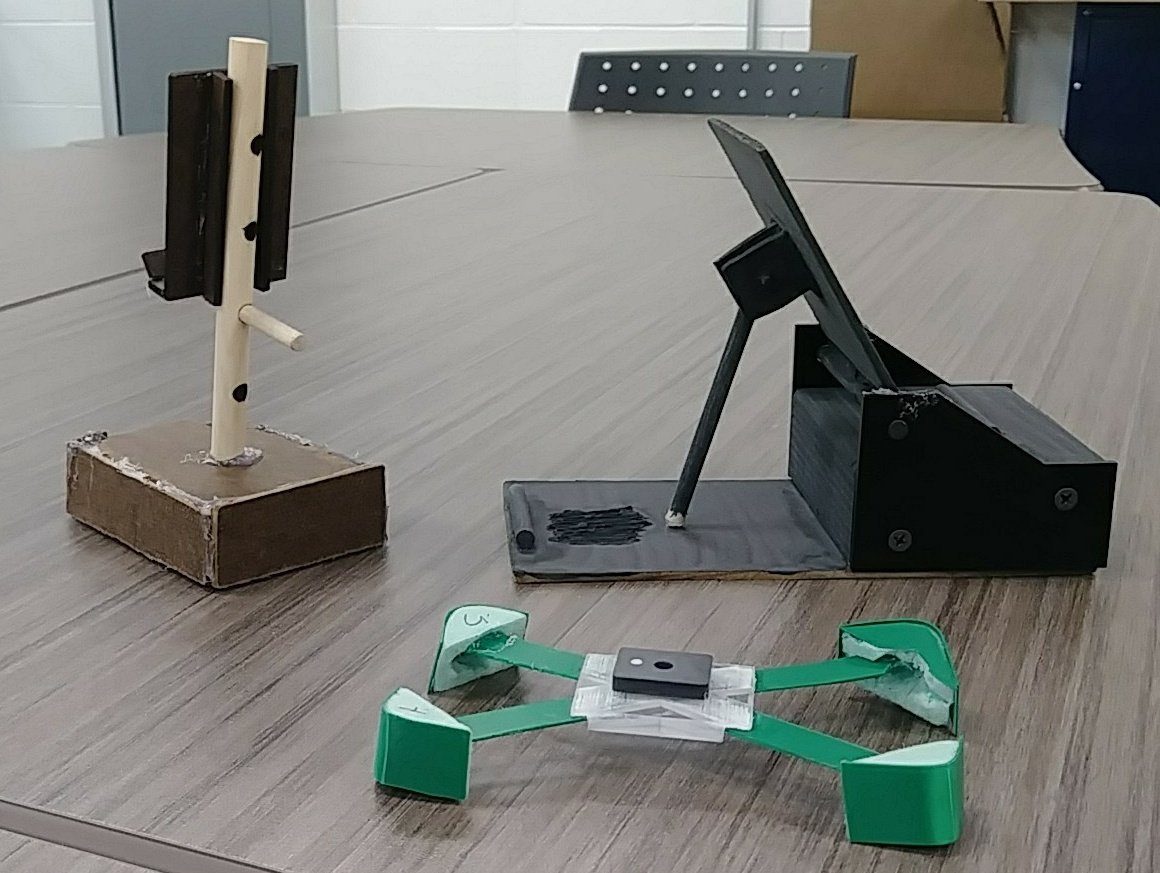
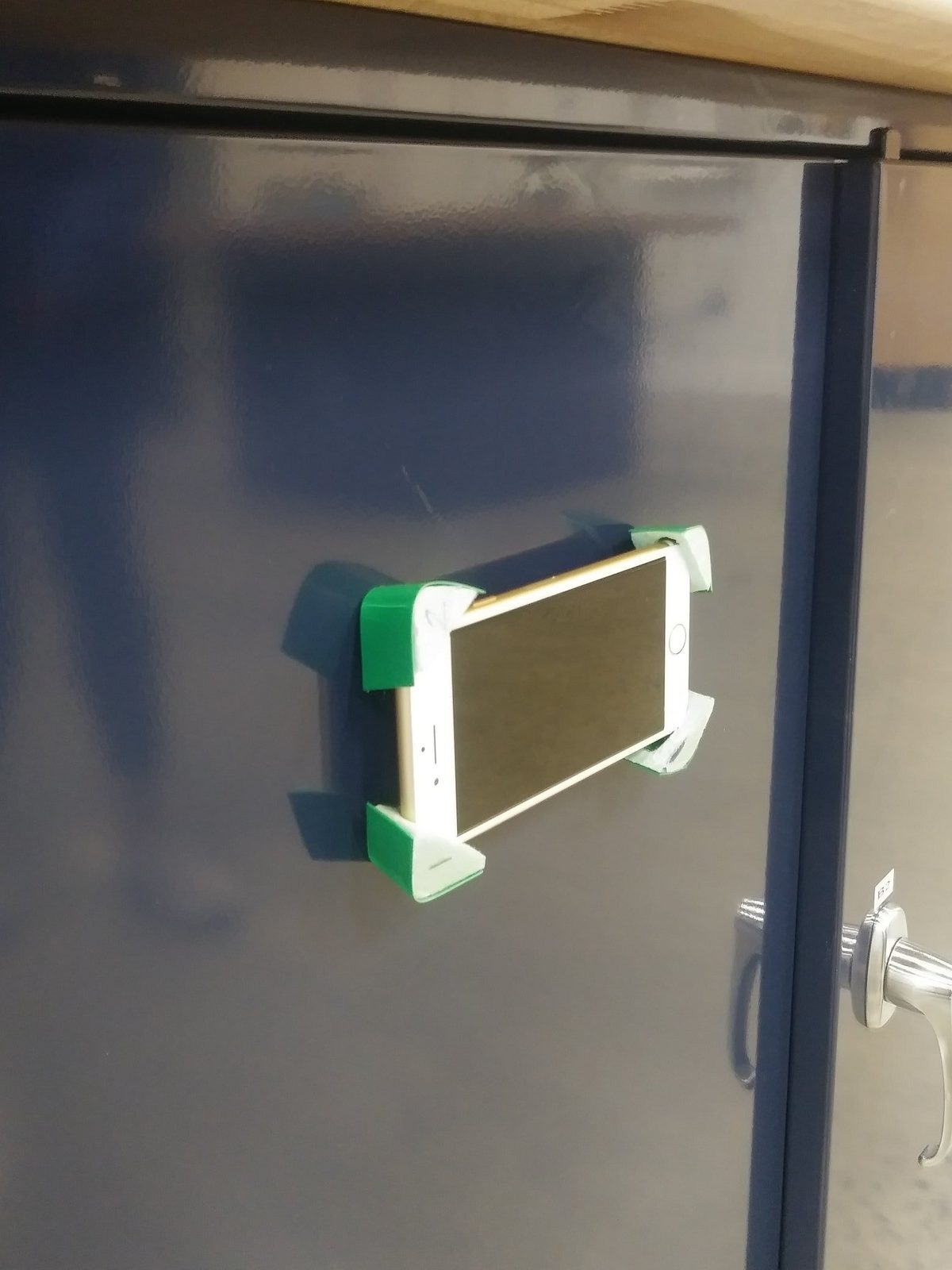
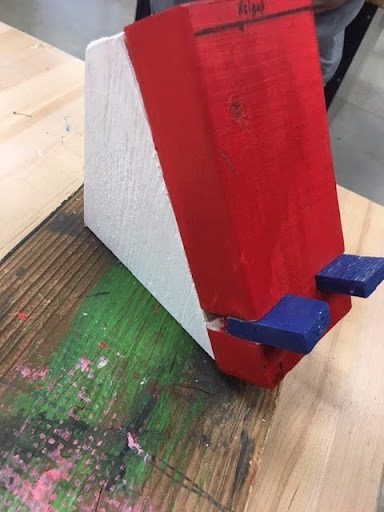
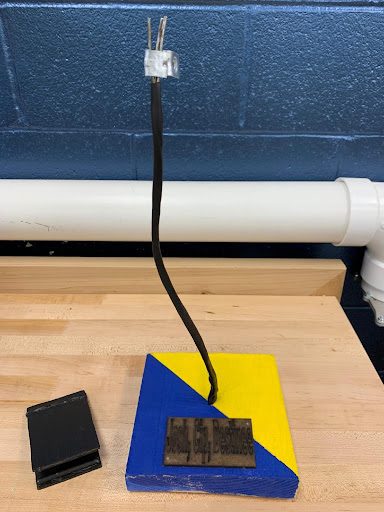
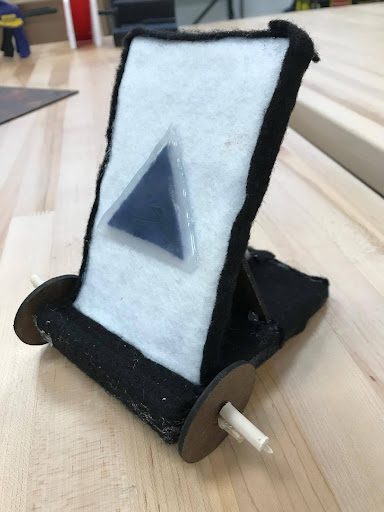
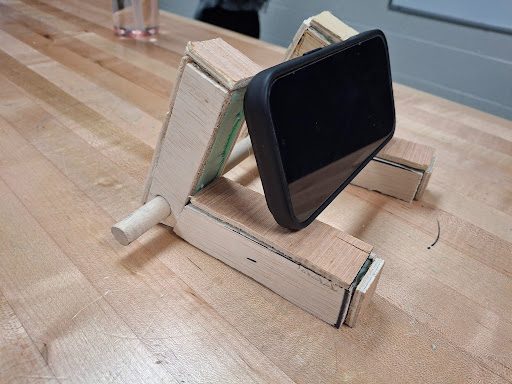
Open-ended challenge: design and build a stand to hold a phone, any way you can make it work. Some kids laser-cut theirs, some CNC-cut or 3D-printed them, and a few used all three to solve the same problem.
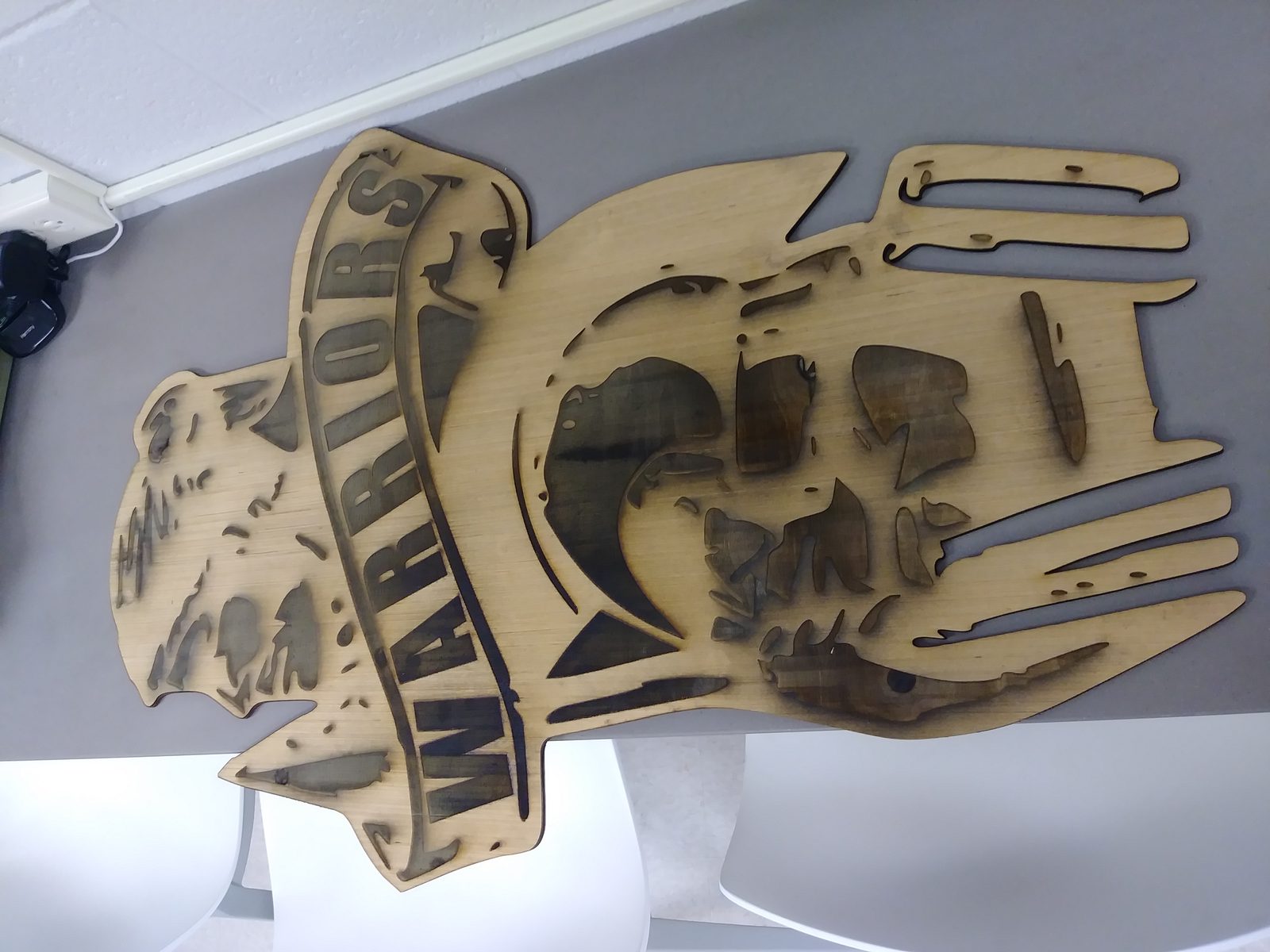
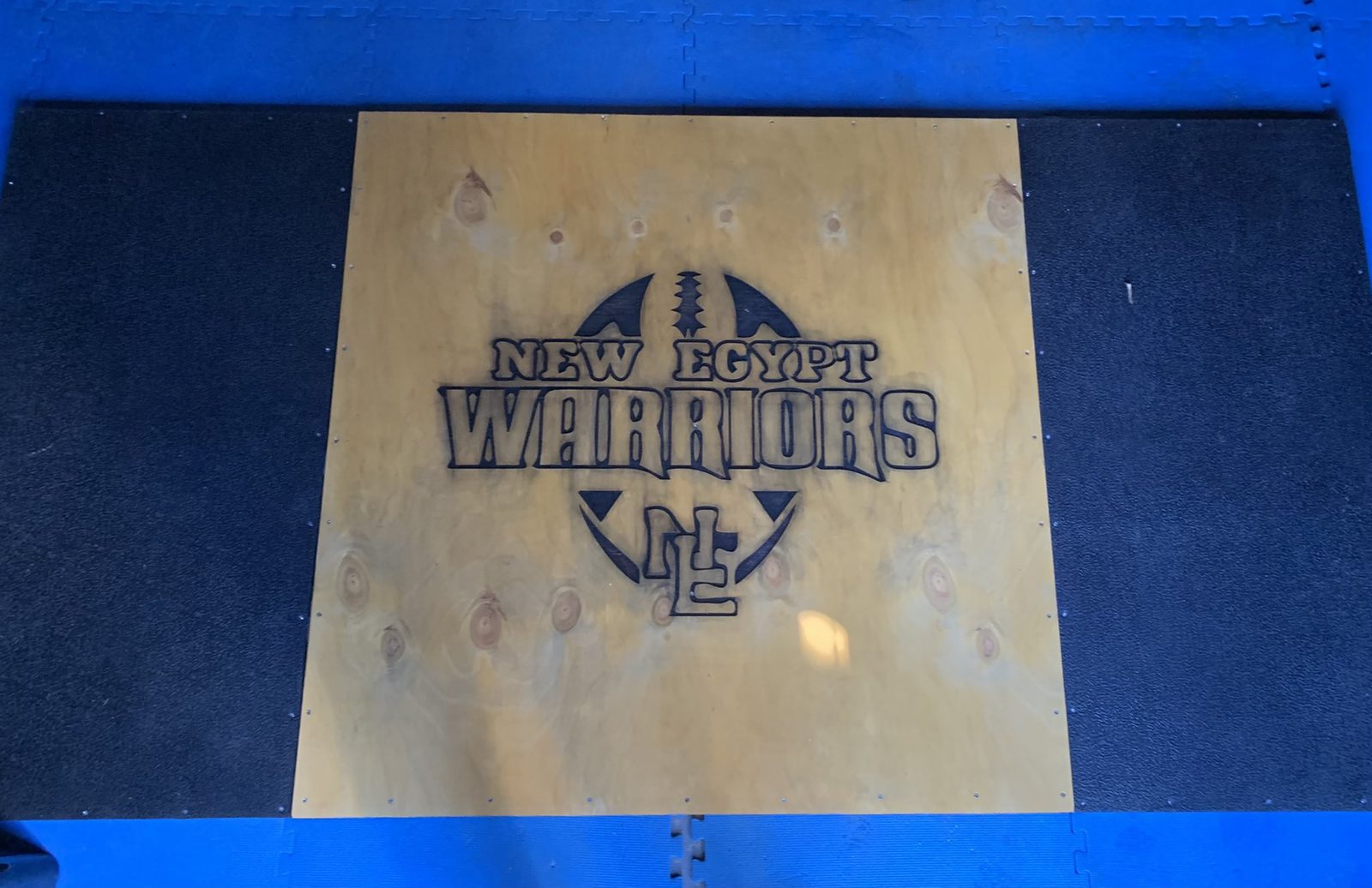
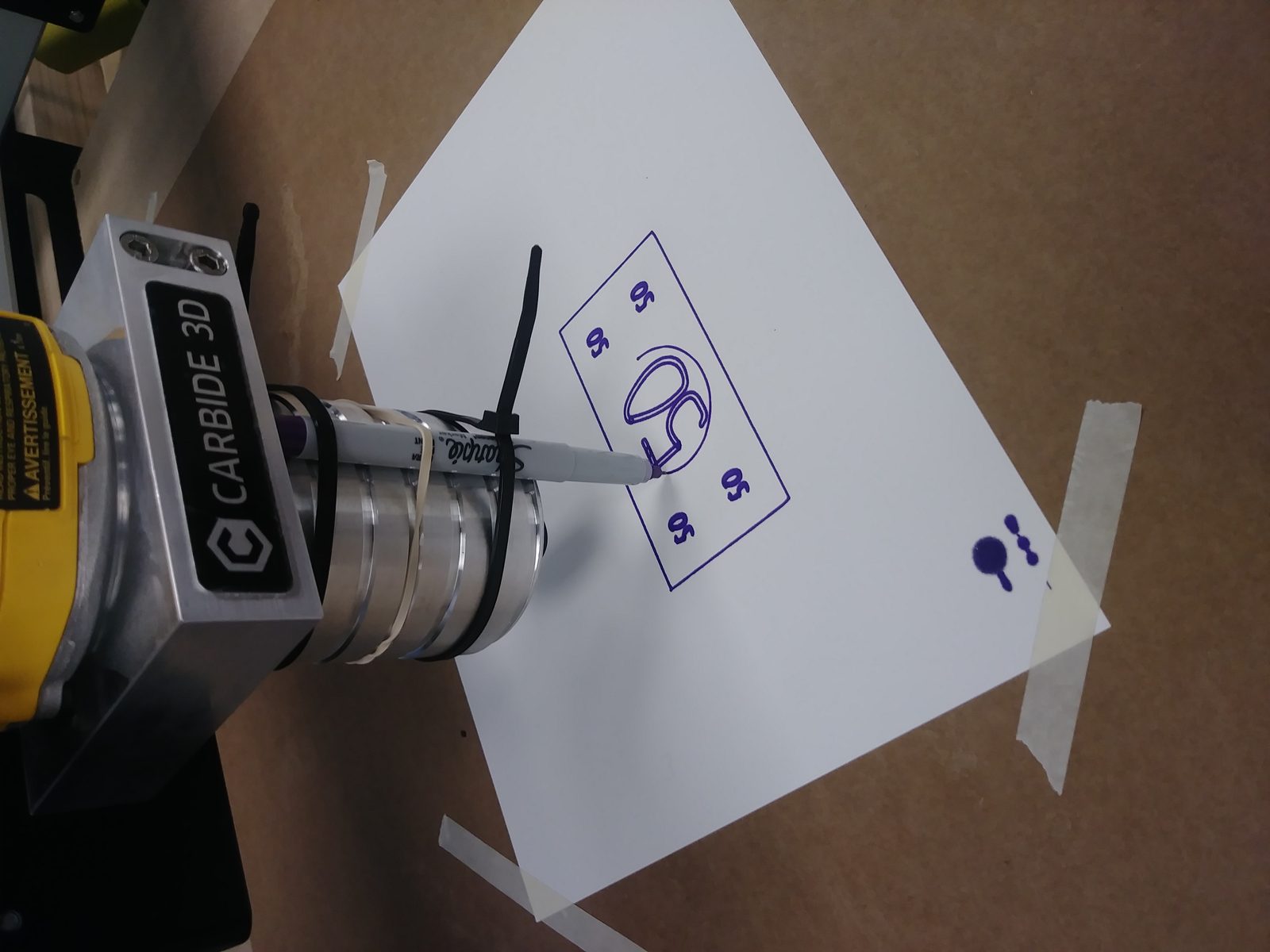
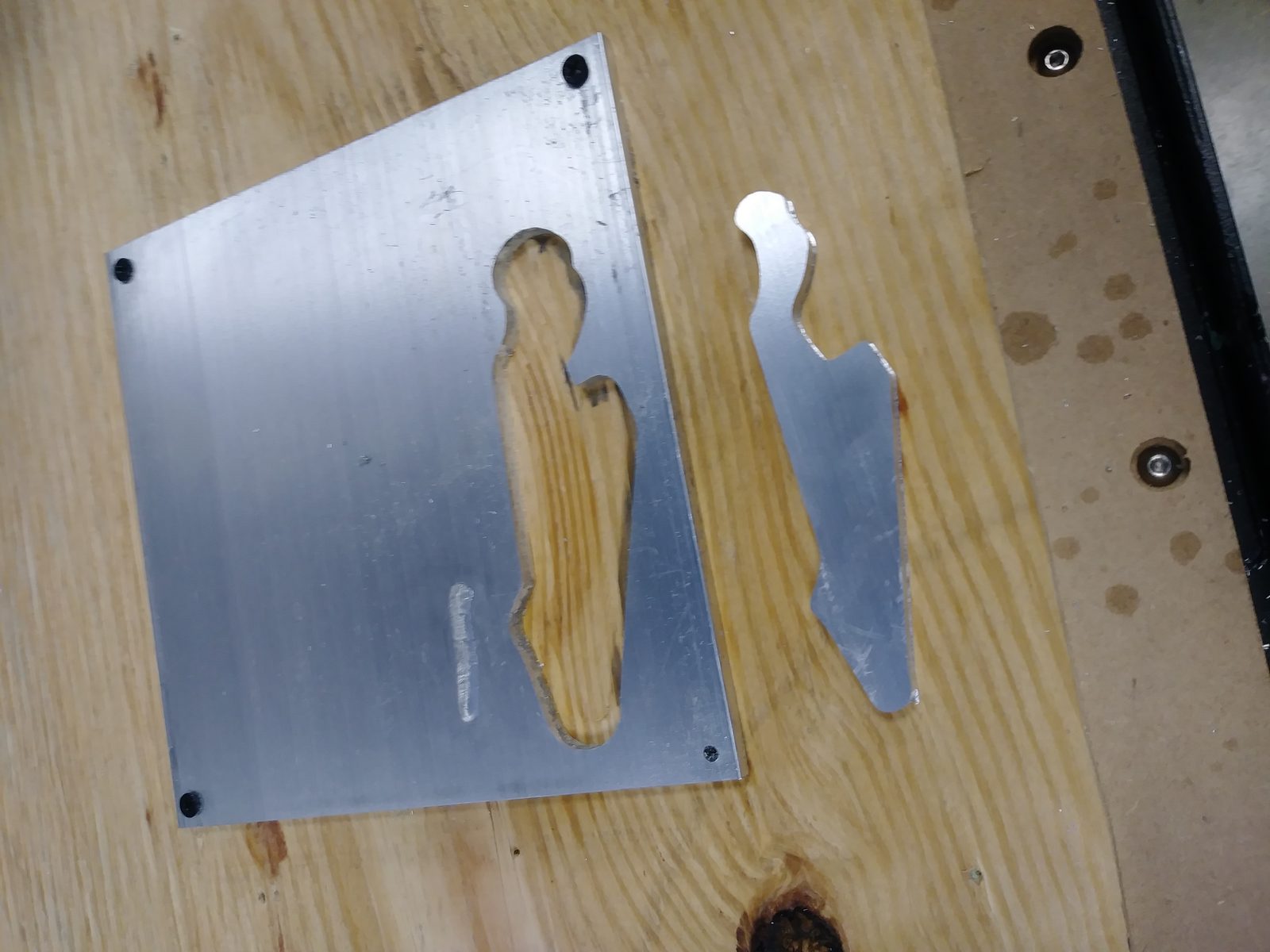
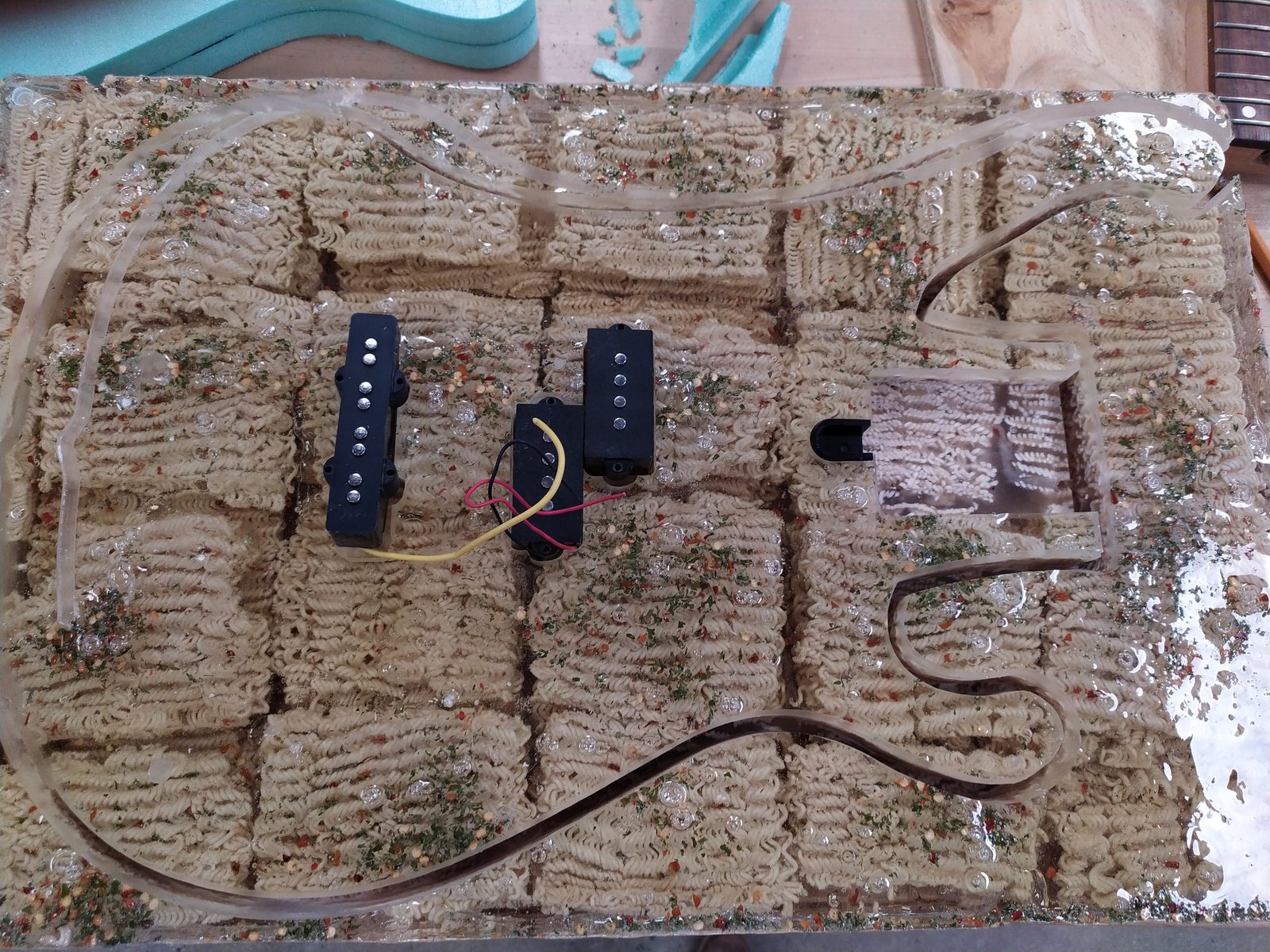
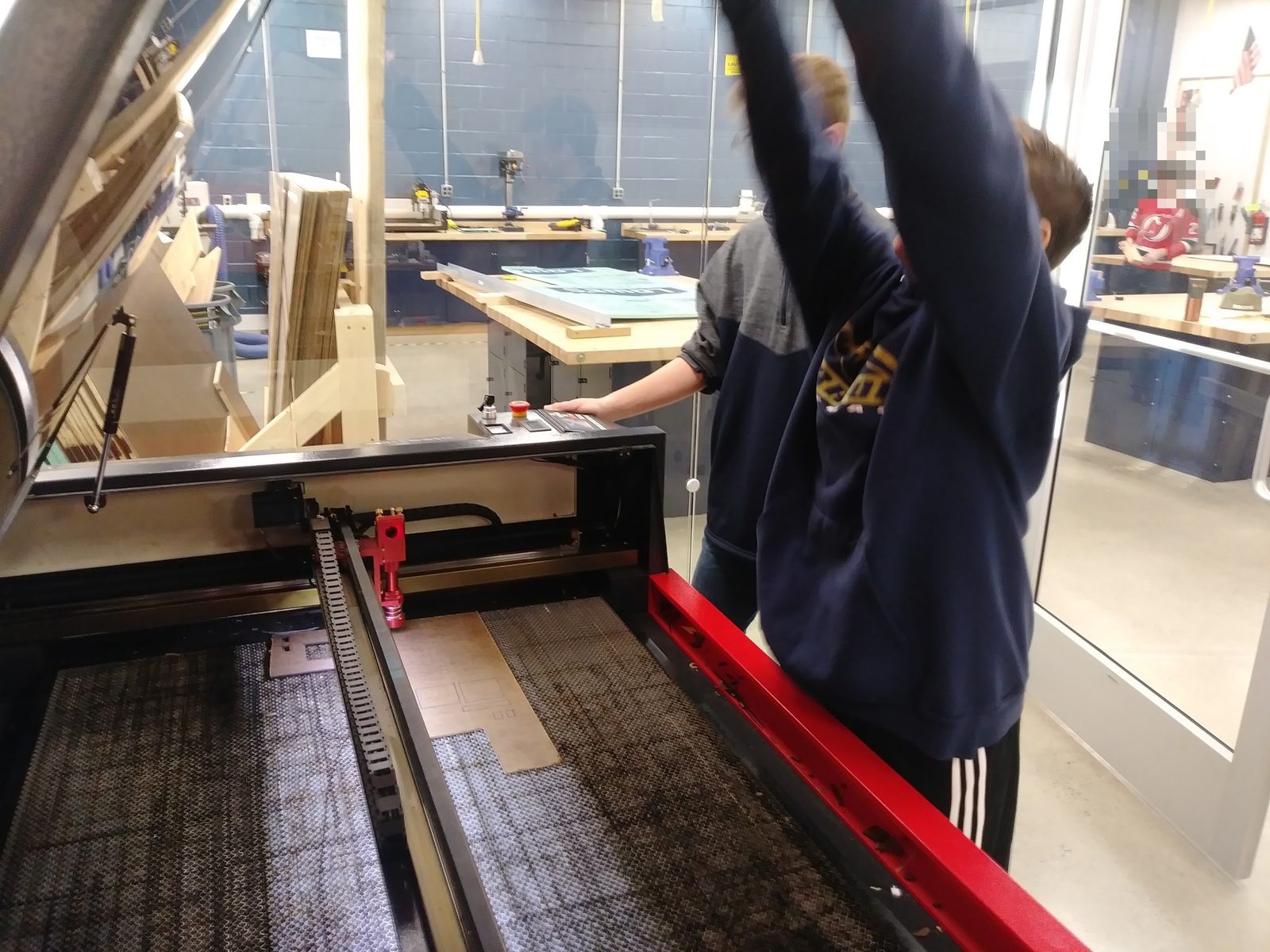
The Carbide 3D router earned its keep: pen-plotted logos, milled aluminum plates, and the showpiece, a resin-cast guitar body embedded with actual ramen noodles (seen mid-mill in the video). The laser cutter did its part too, etching the NE Warriors mascot into wood, and cutting the chassis for a battlebot build.
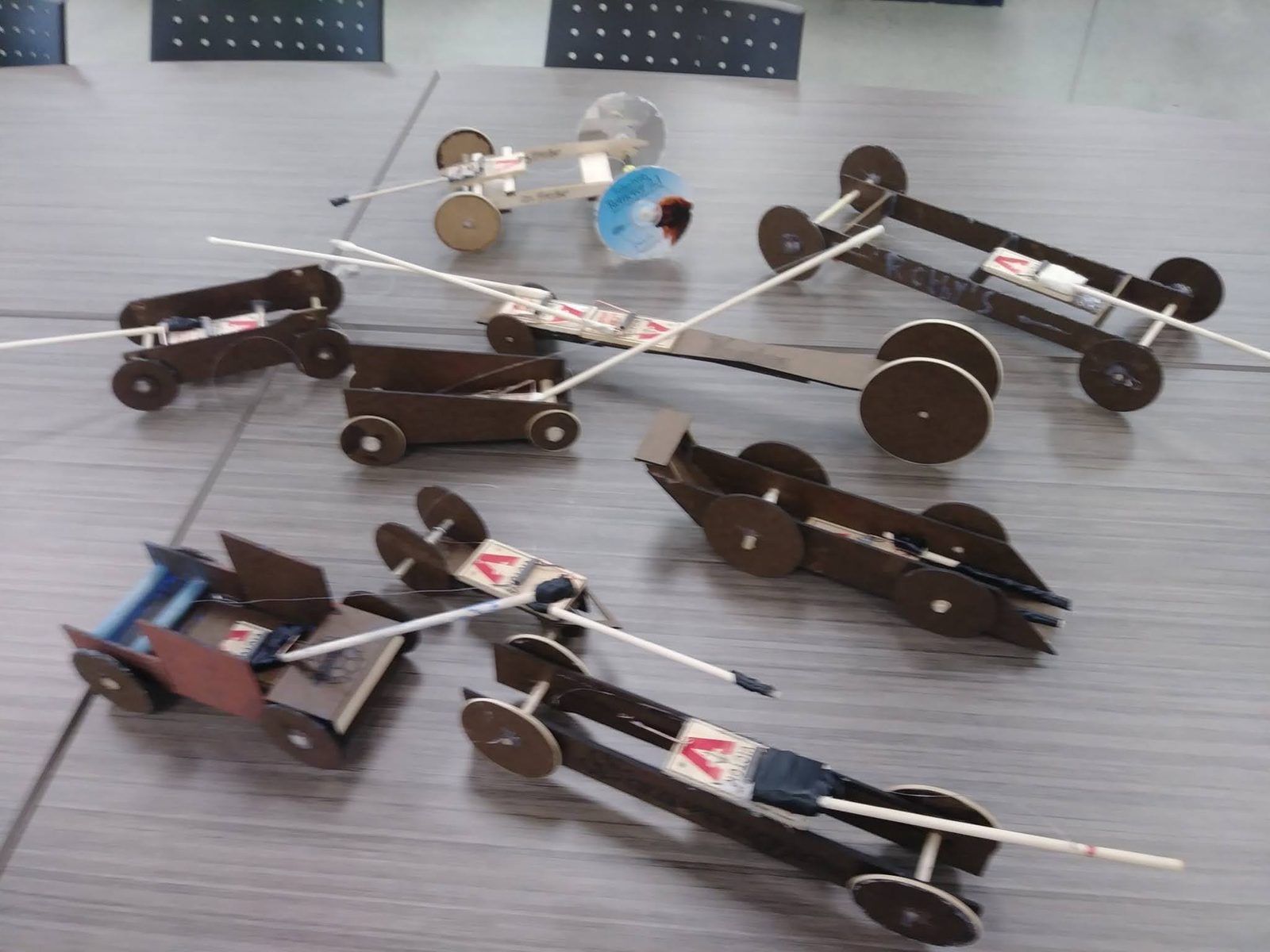
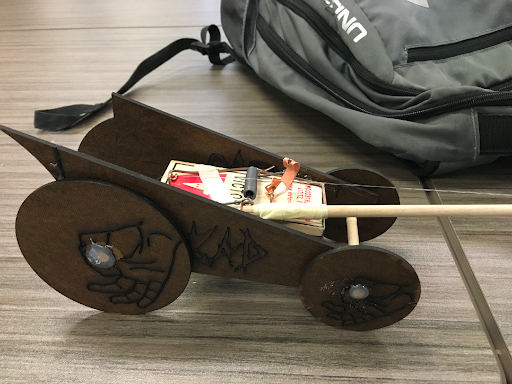
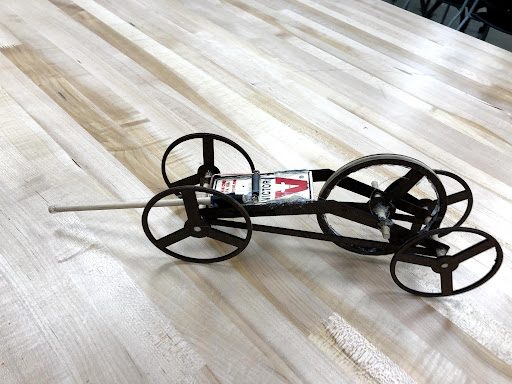
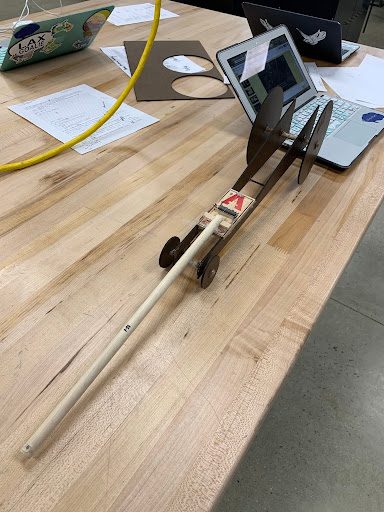
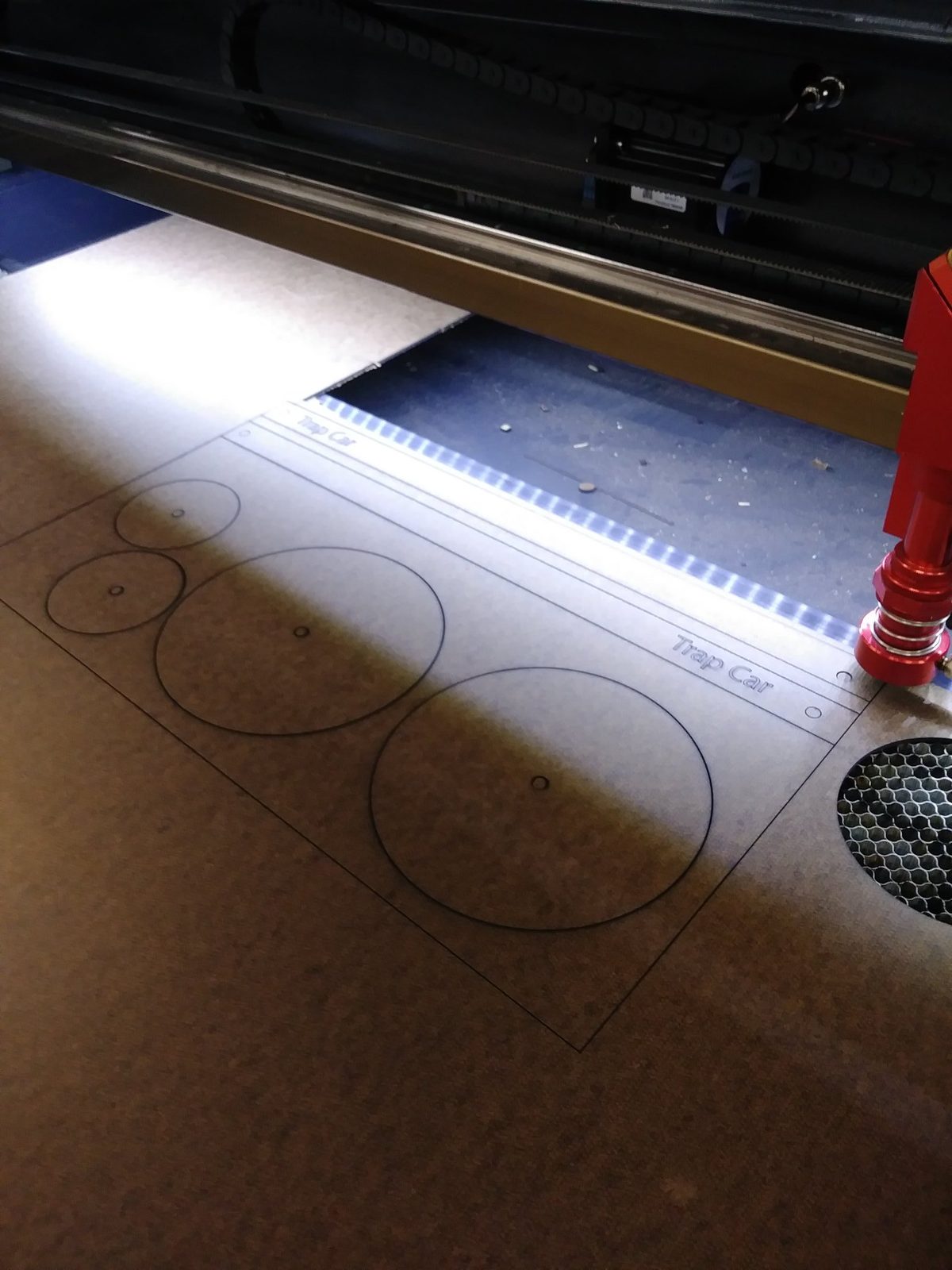
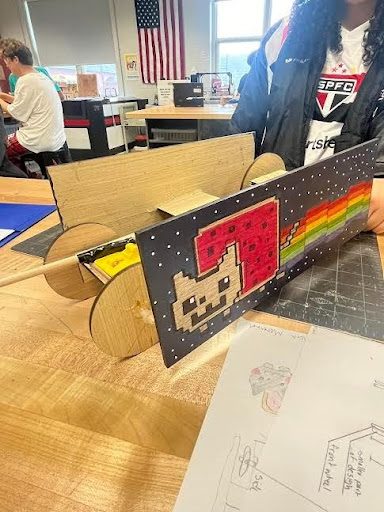
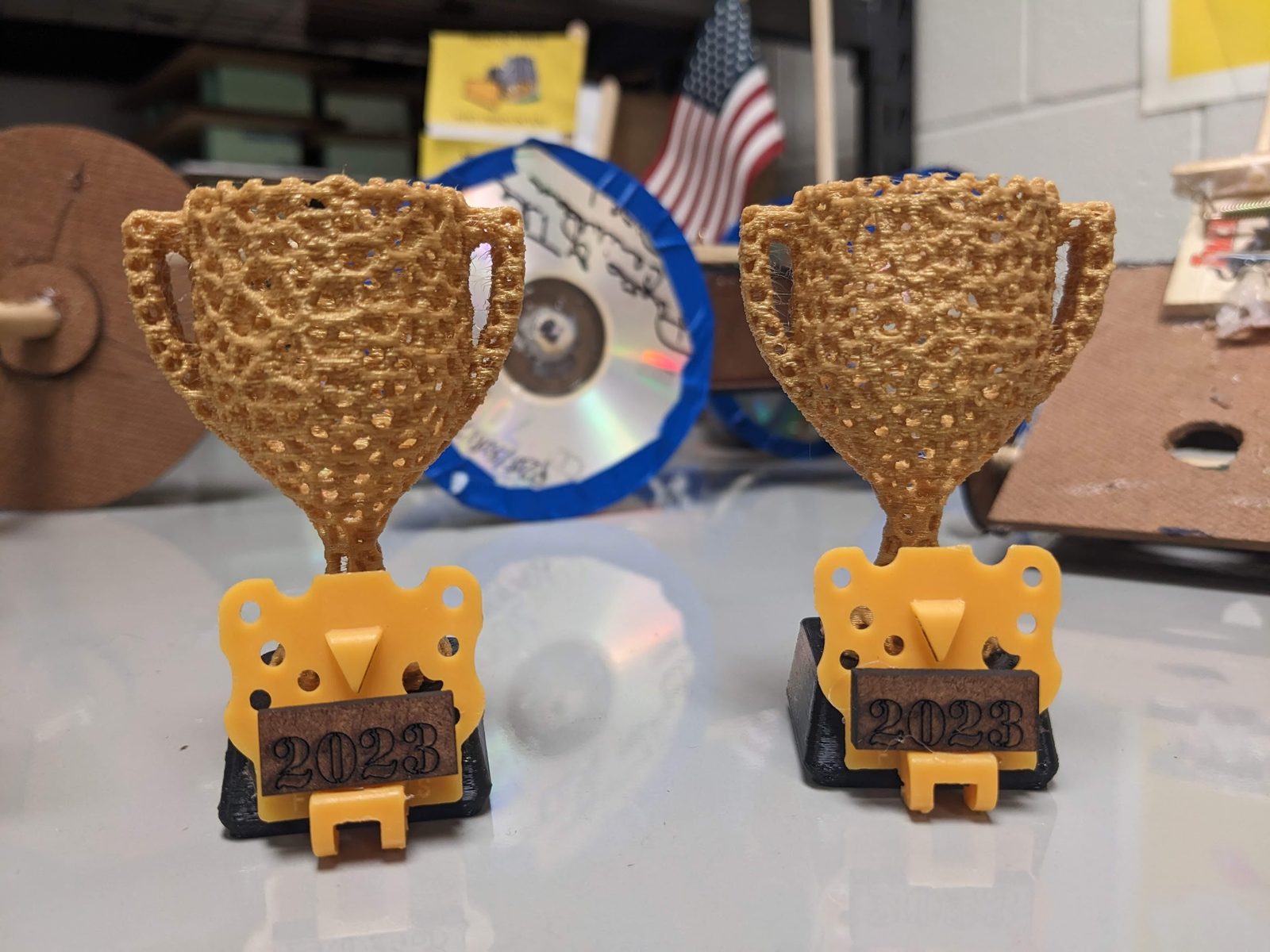
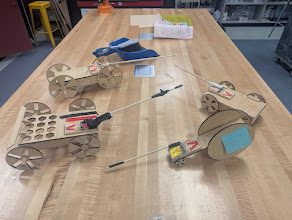
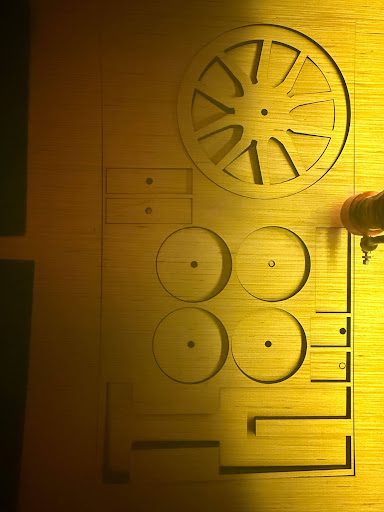
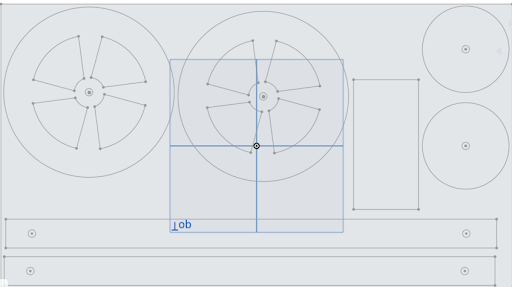
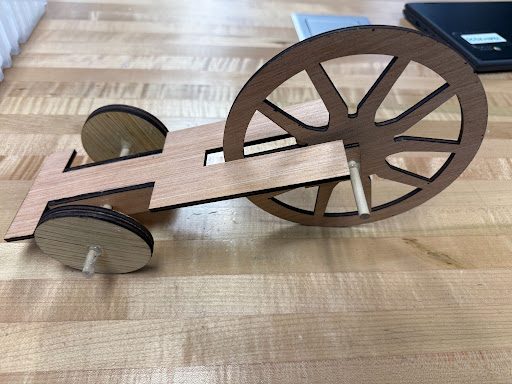
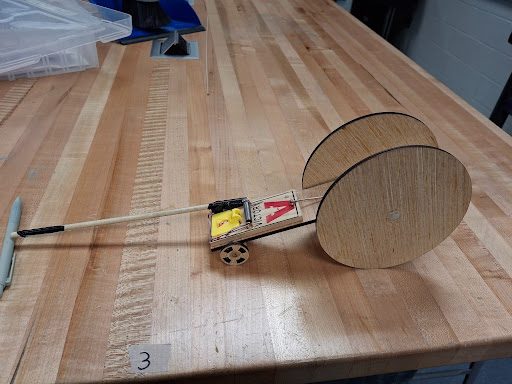
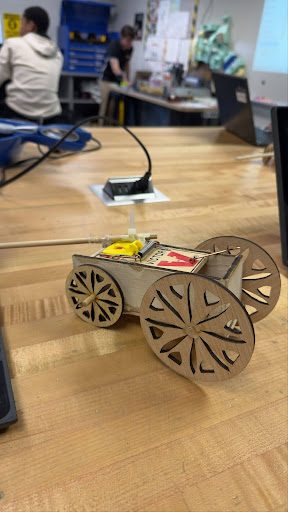
The classic mousetrap-powered car challenge, with laser-cut wheels and chassis pieces standing in for the usual glue-and-cardboard build. Same physics, cleaner tolerances.
CO2-powered magnetic levitation cars, built to survive a head-on crash test with a raw egg riding along as the payload. Compiled the best (worst?) wrecks into one video.
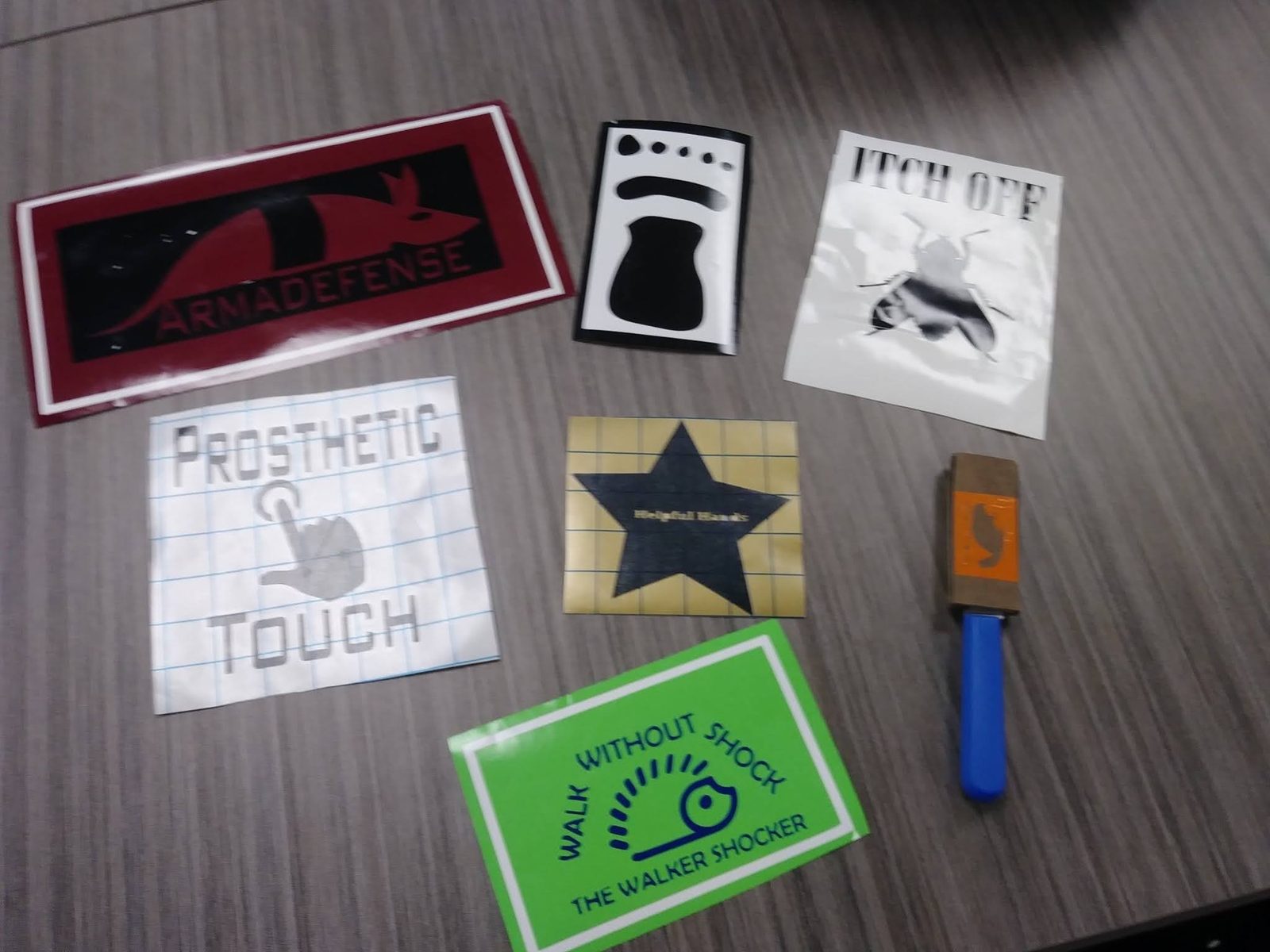
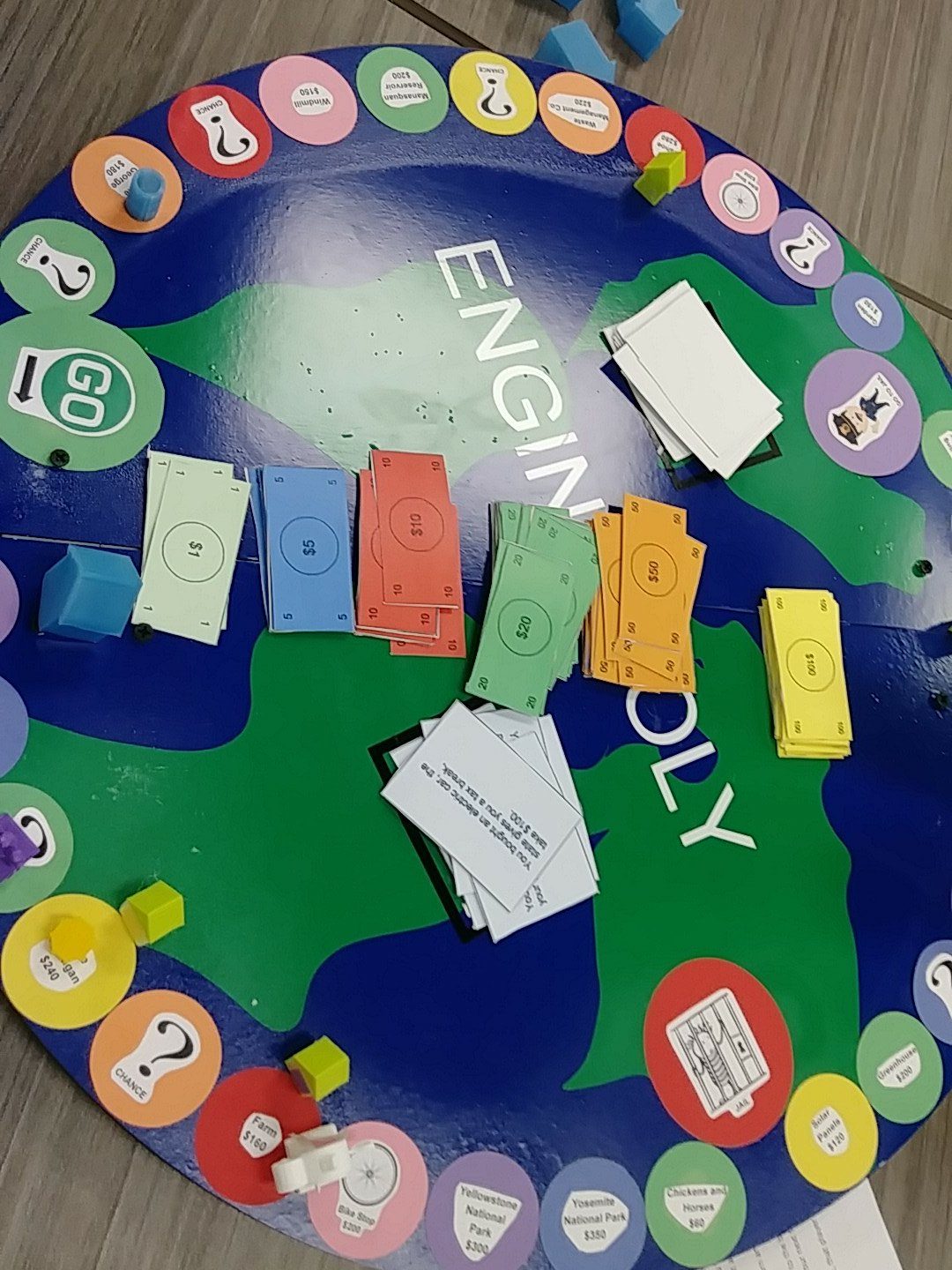
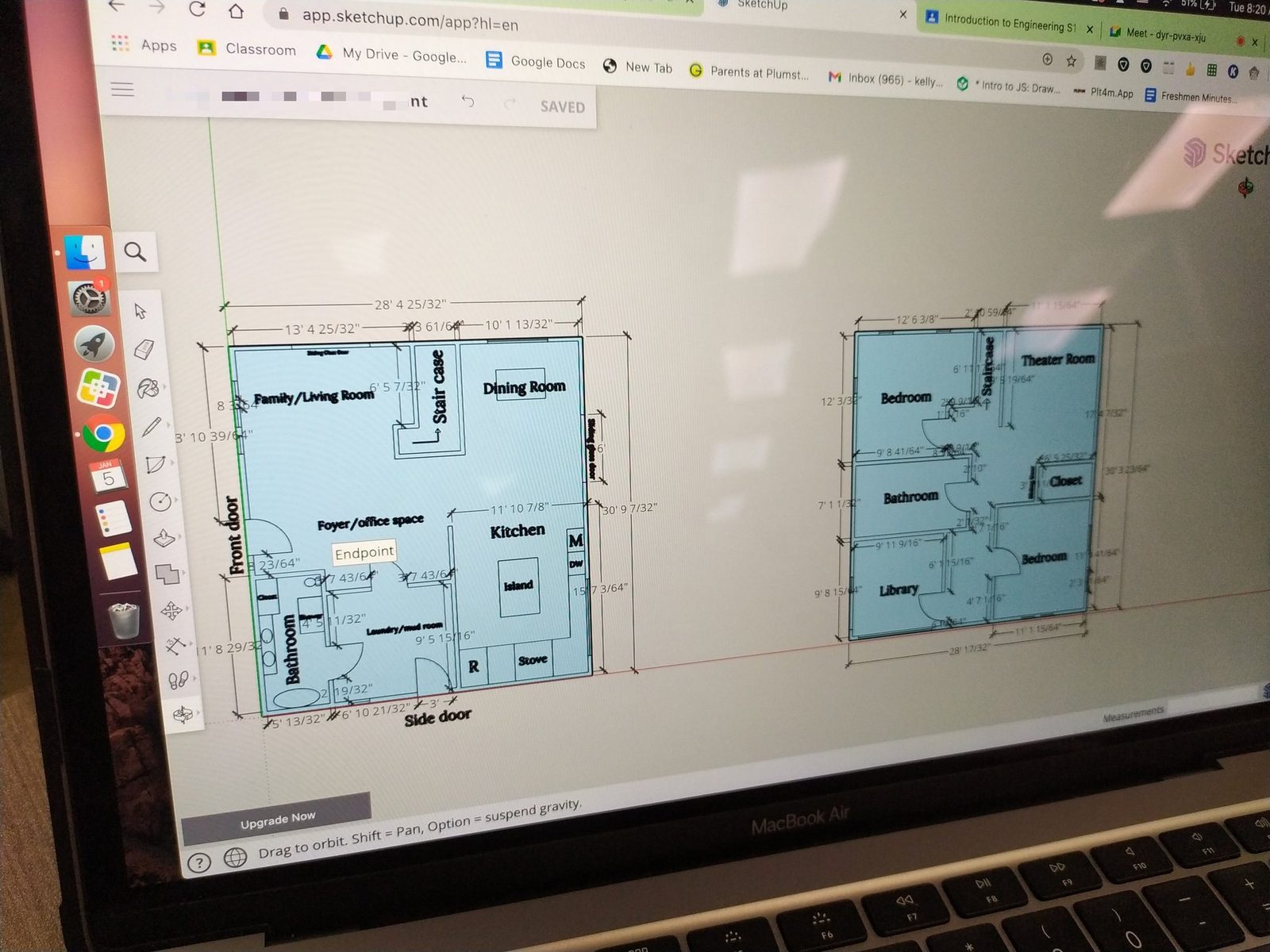
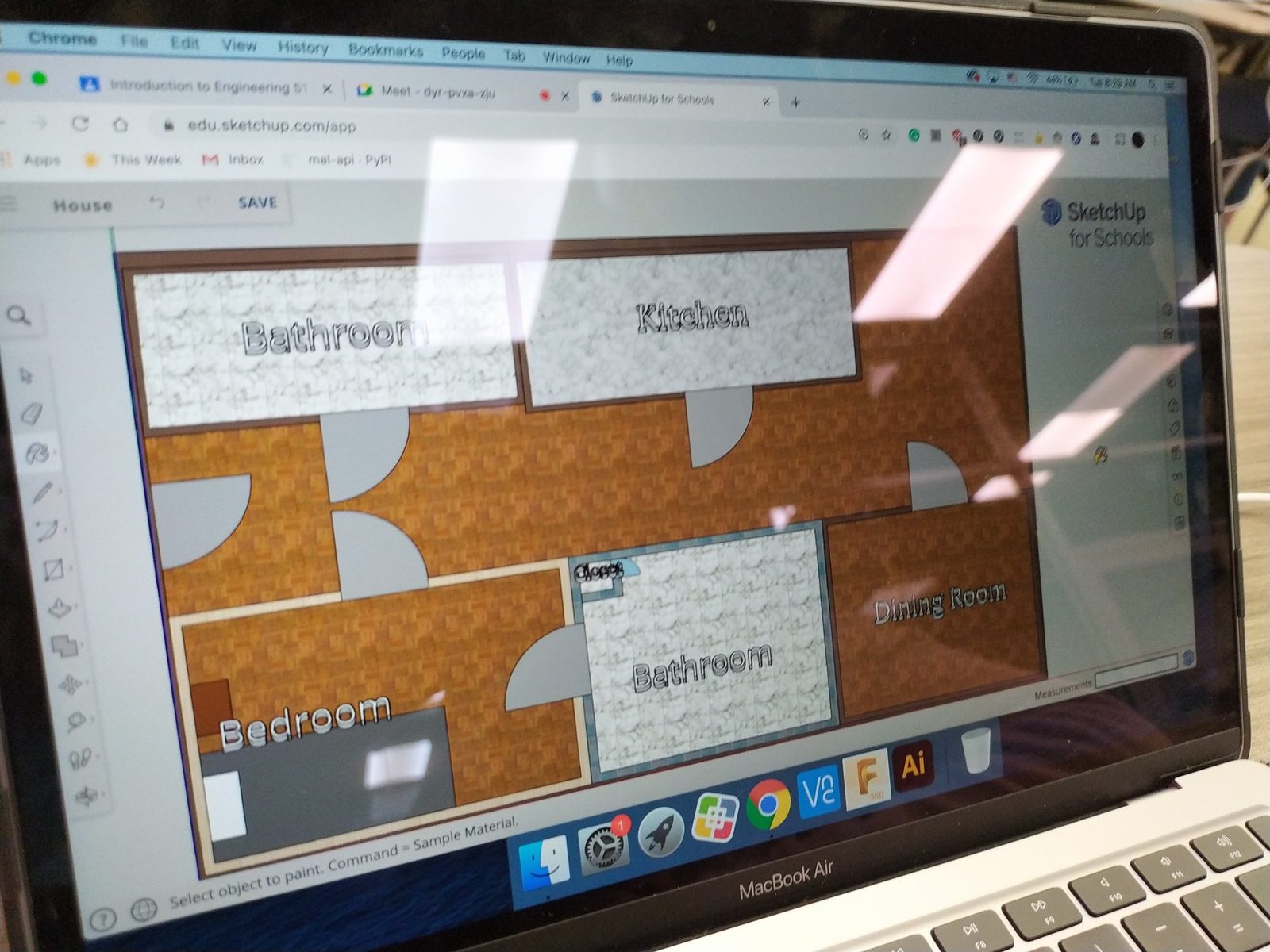
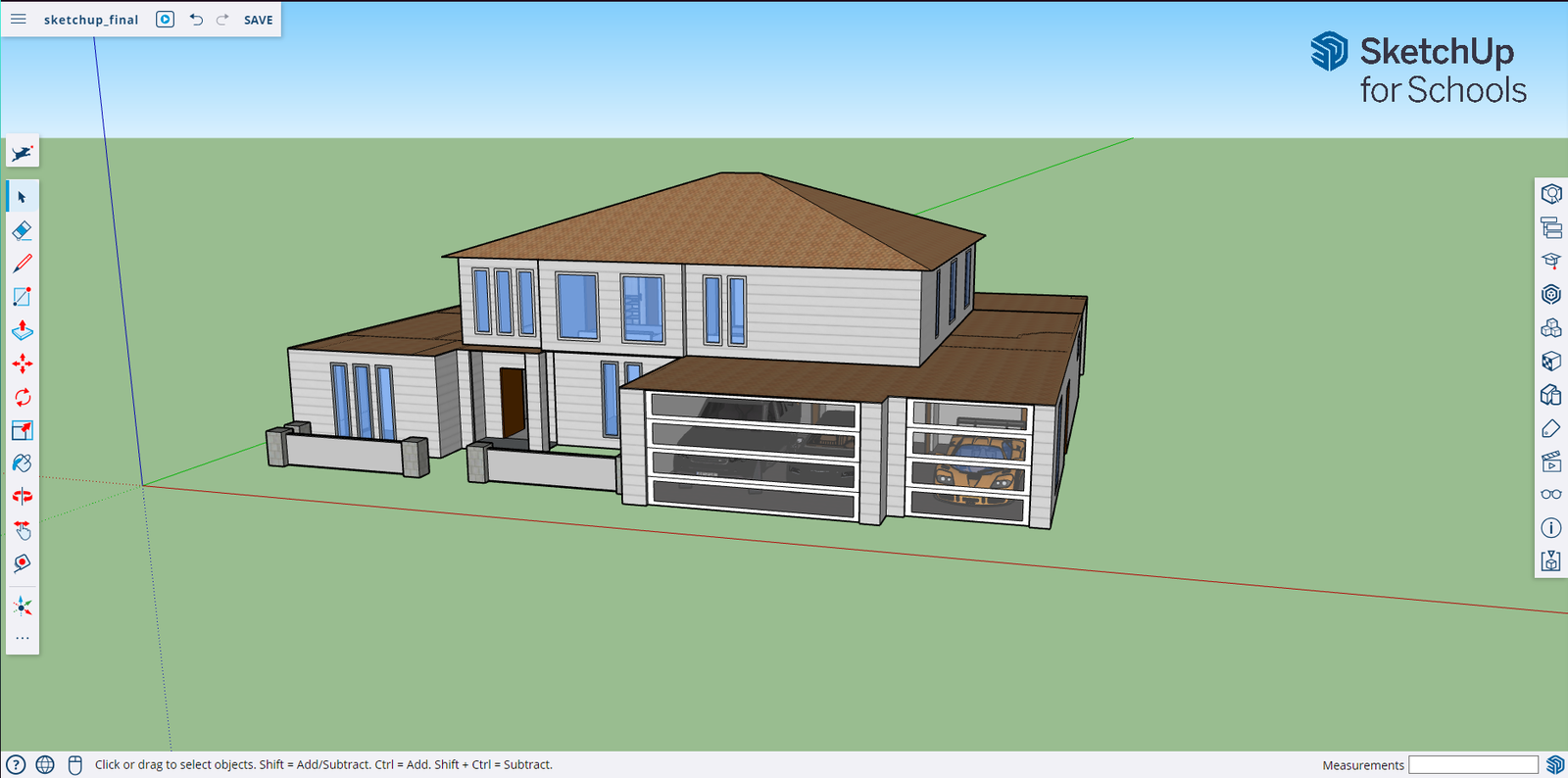
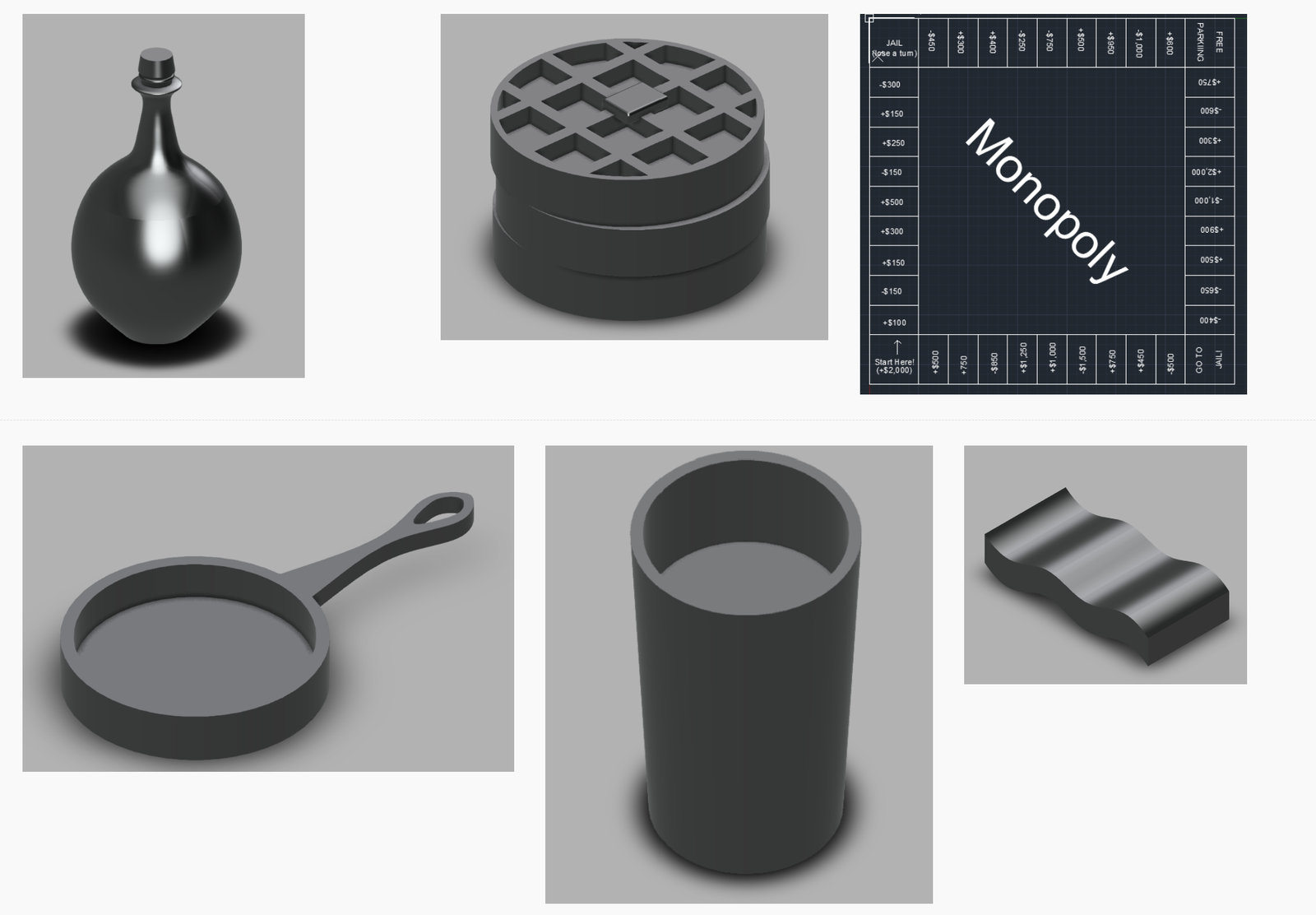
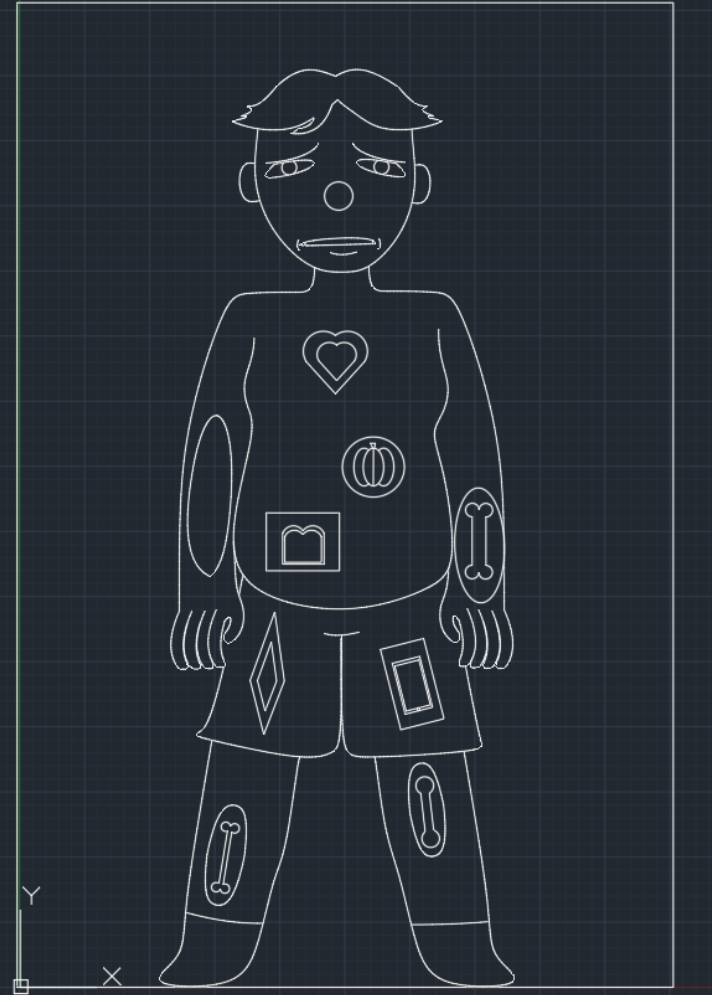
Watch the crash compilation →Sustainable Engineering coursework: biomimicry-inspired assistive tech branding, a student-designed "Engin-opoly" board game built around sustainability concepts, plus SketchUp floor plan and architecture design work.
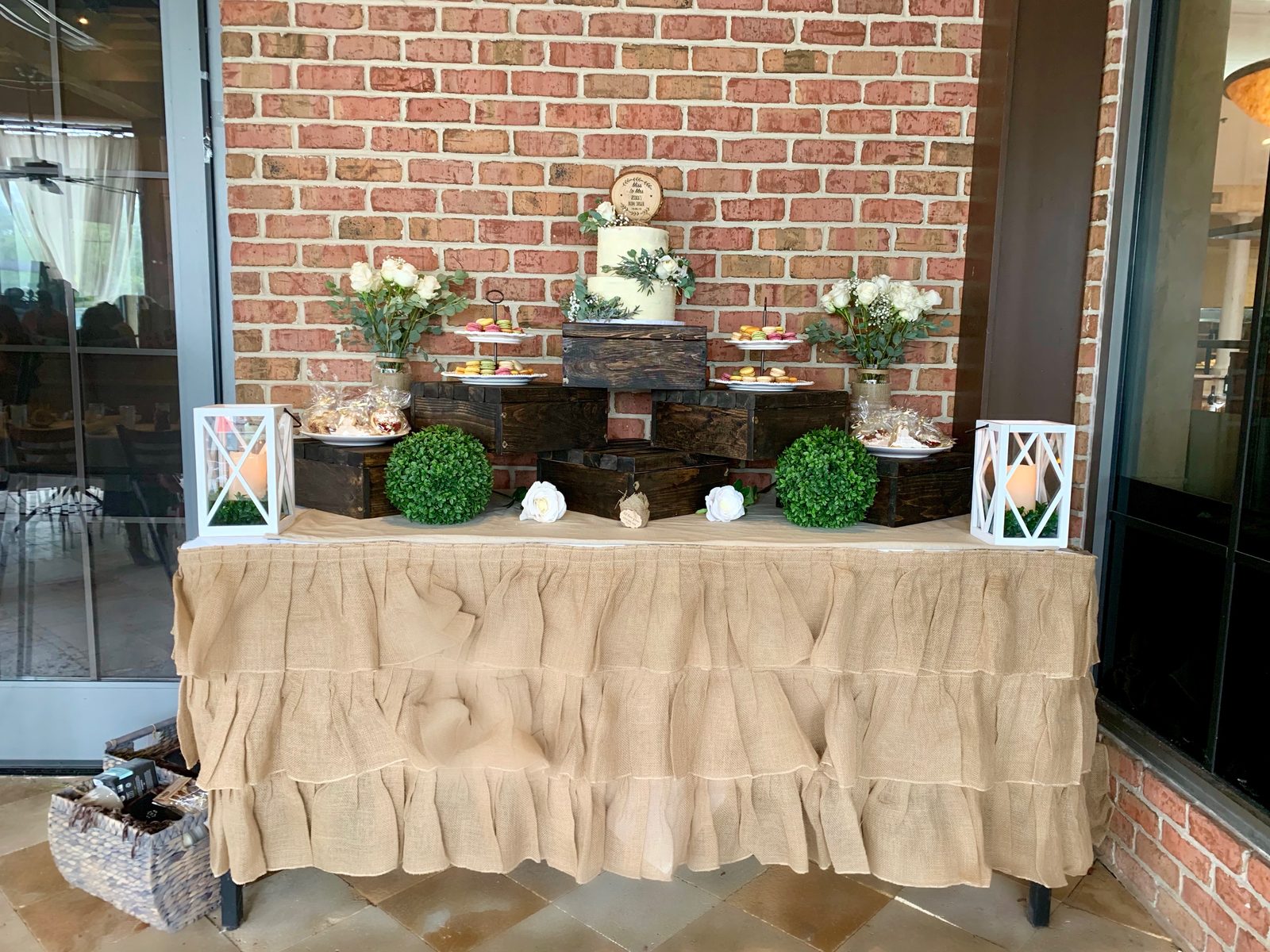
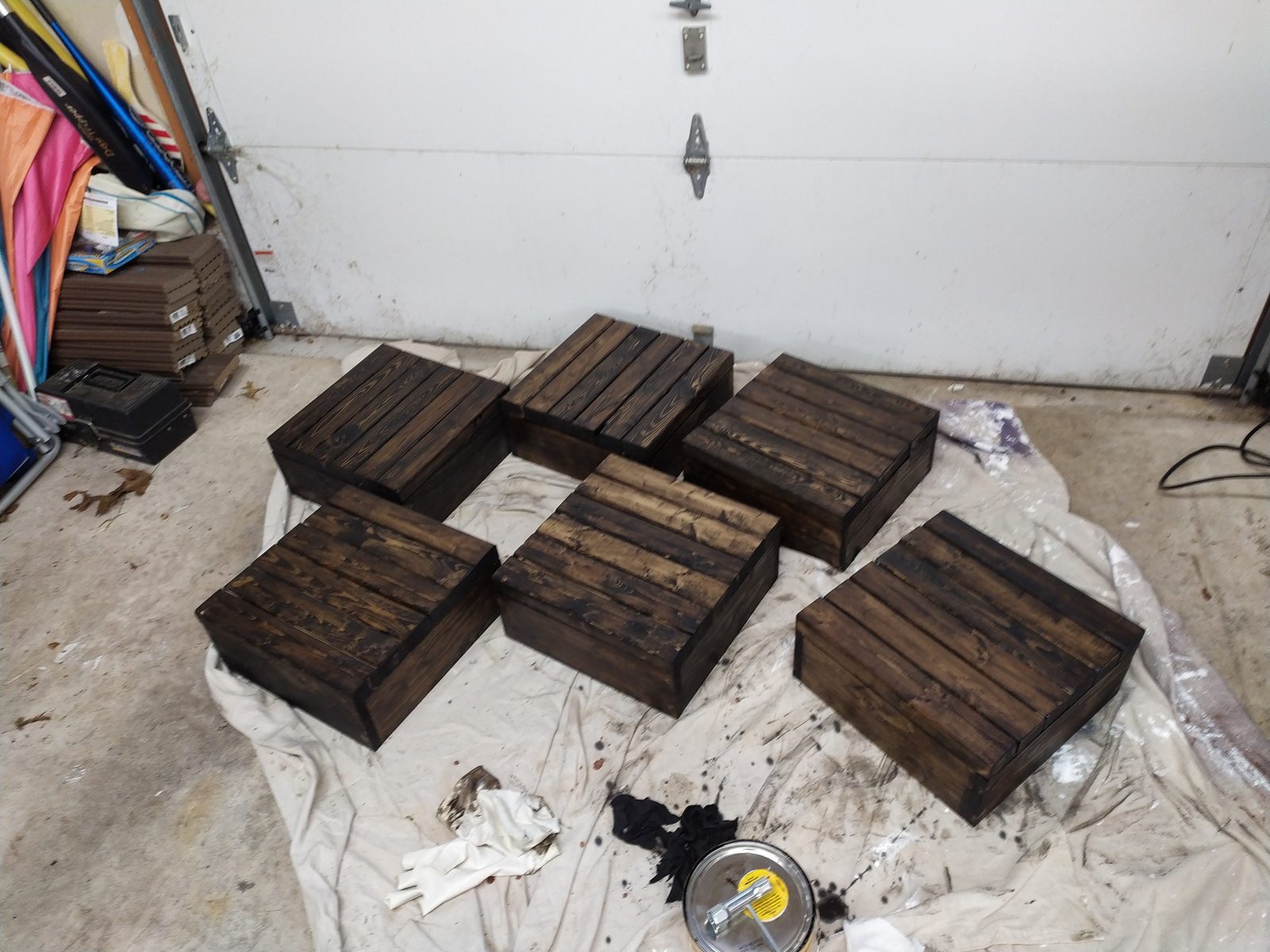
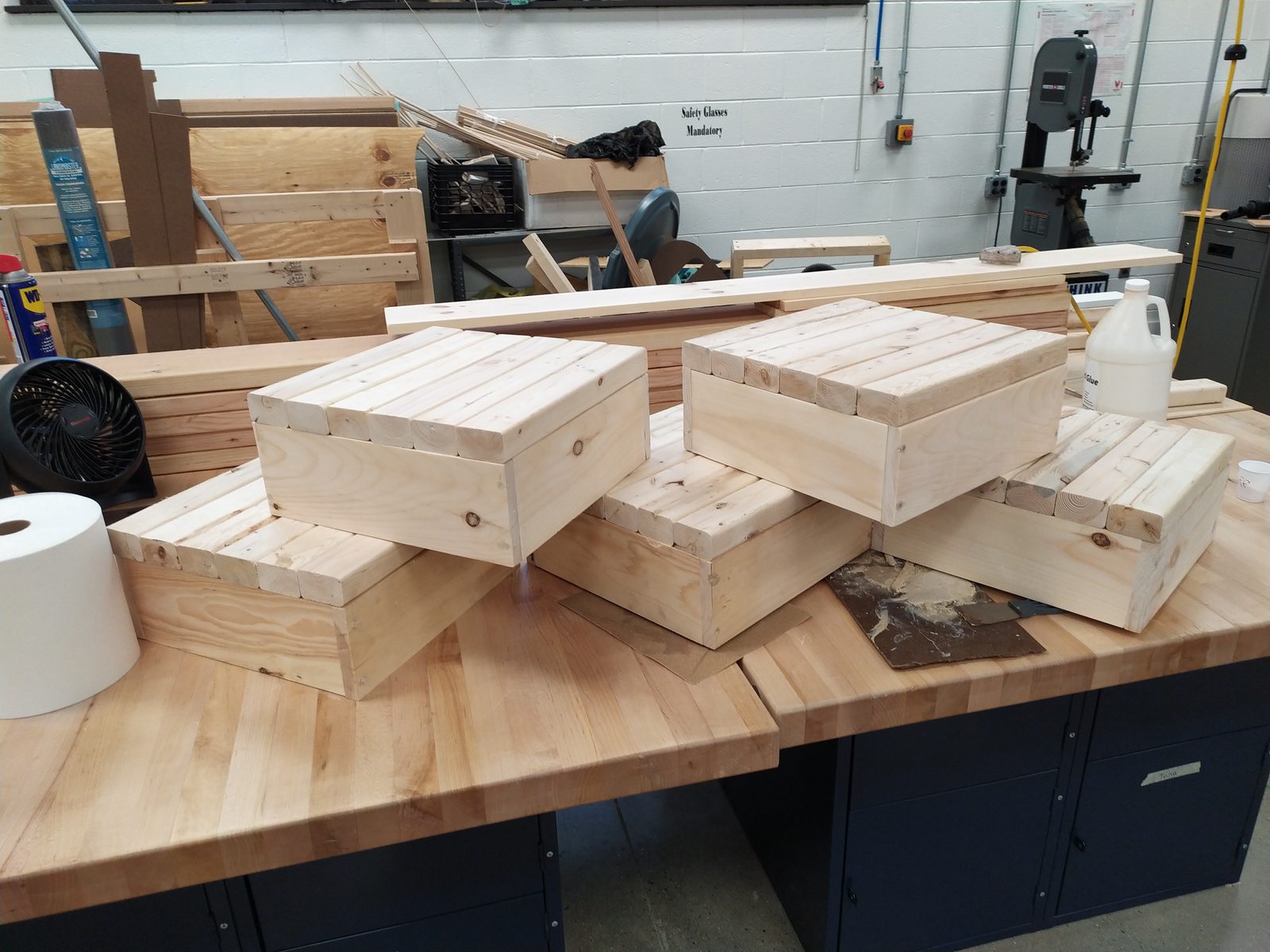
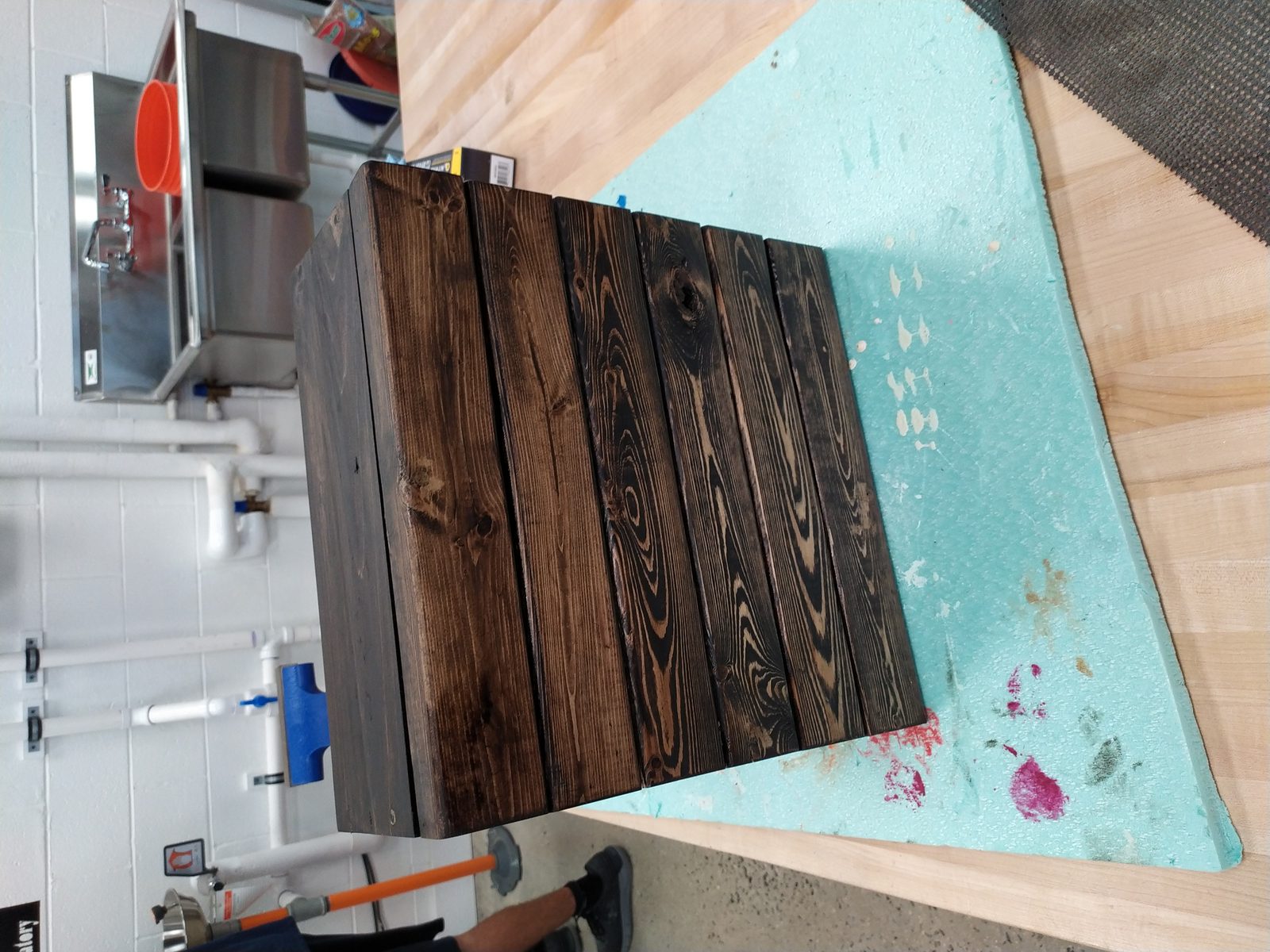
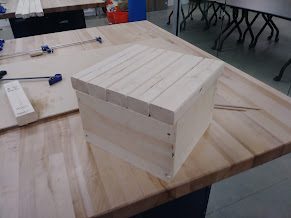
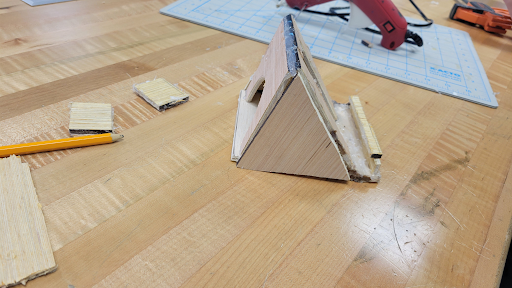
A real production run: built jigs and fixtures to batch-produce a Pinterest-inspired wood-plank centerpiece box for a catering order, instead of building each one by hand from scratch. Same design, repeatable process, six identical boxes out the door.
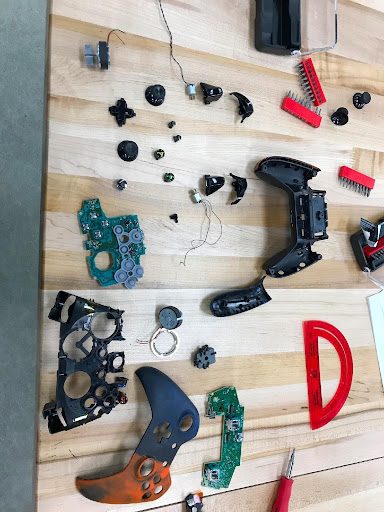
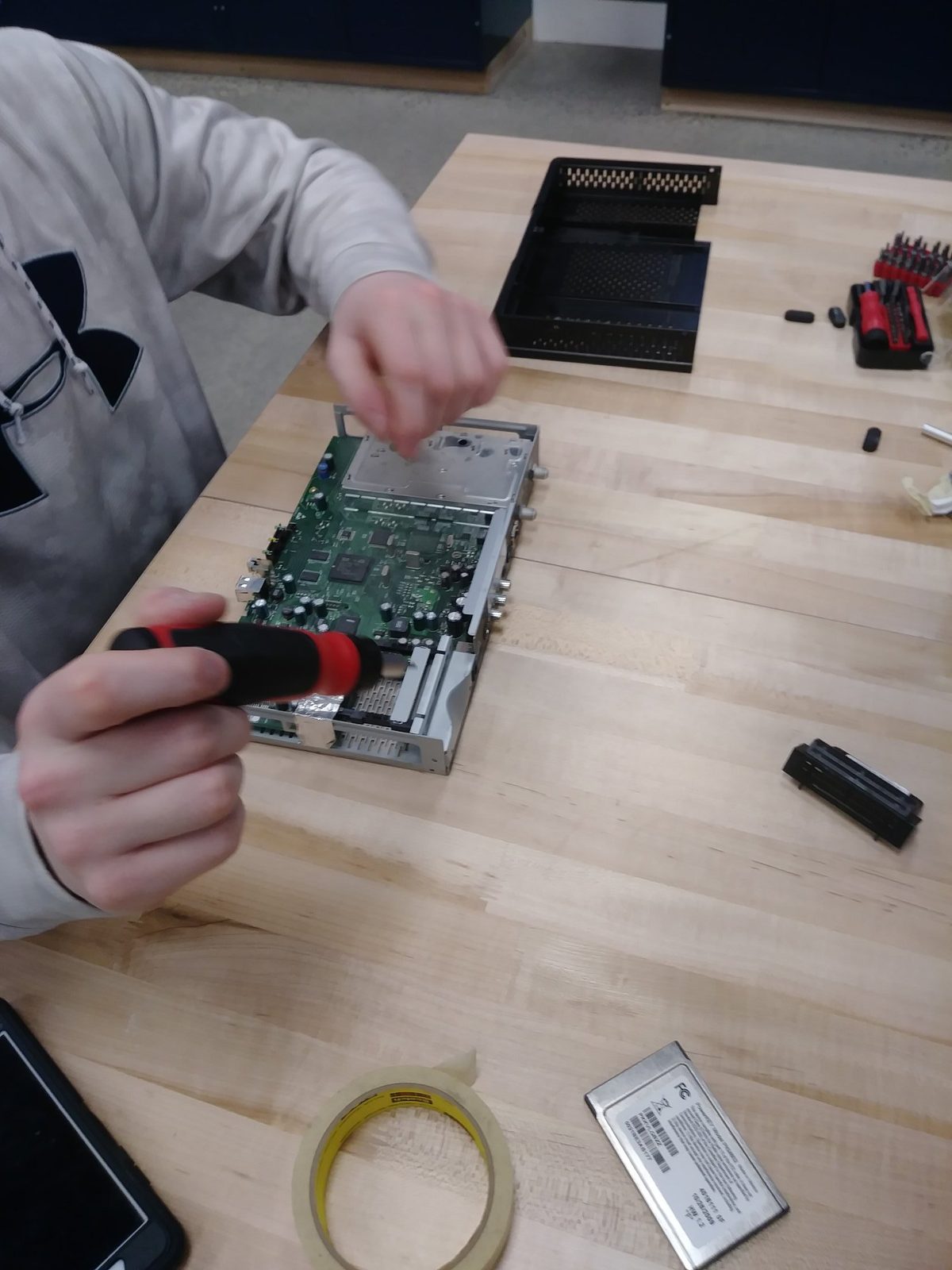
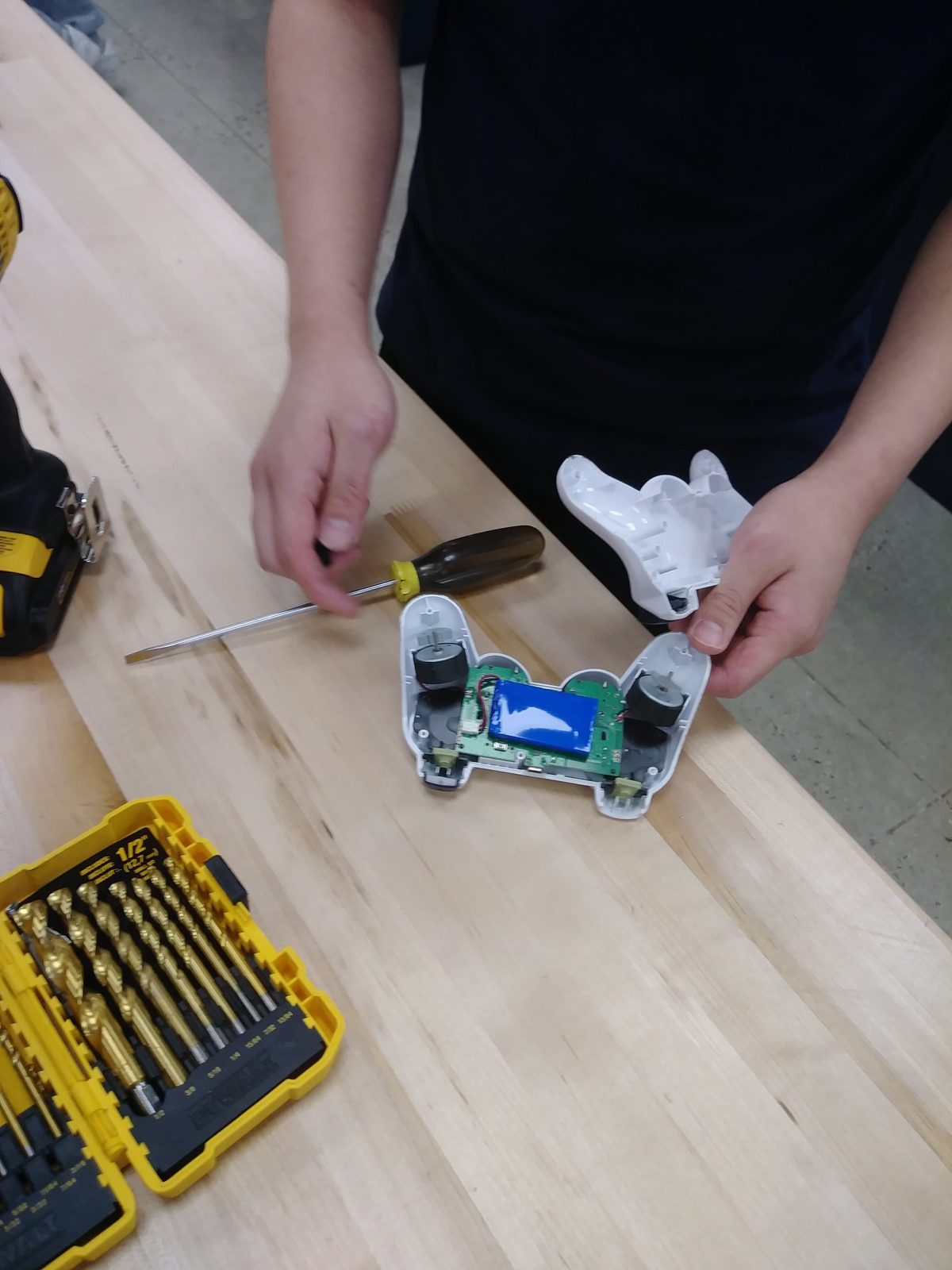
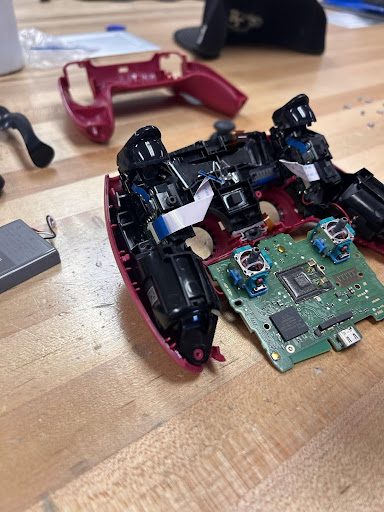
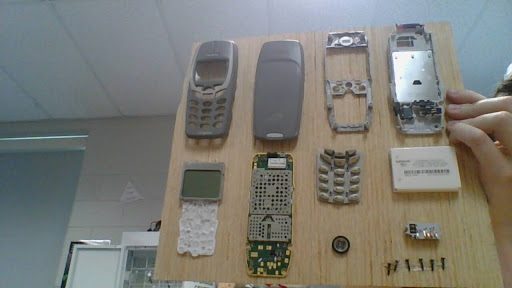
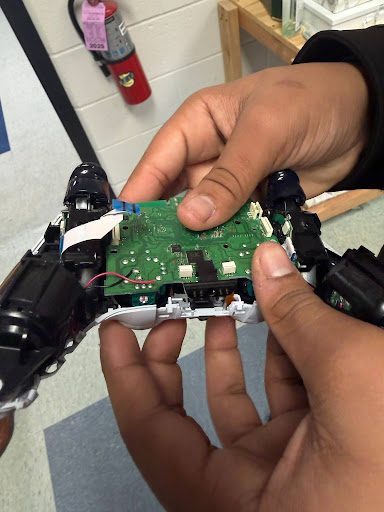
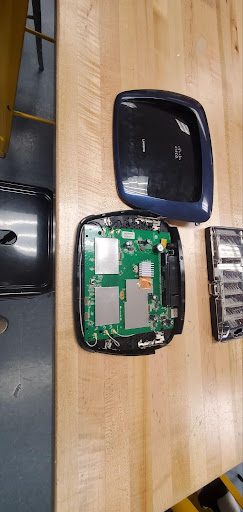
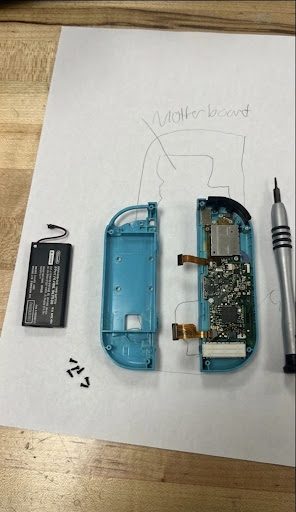
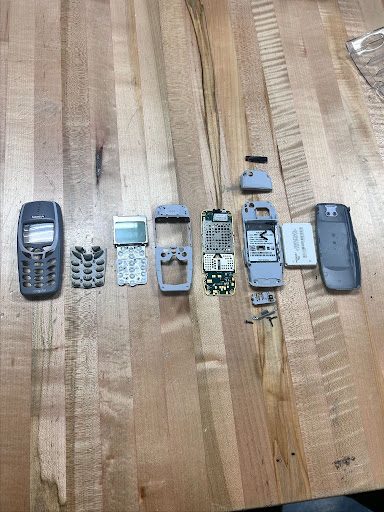
Students tore down old set-top boxes, game controllers, and whatever else was on hand to figure out how the stuff actually works before being asked to design anything new.
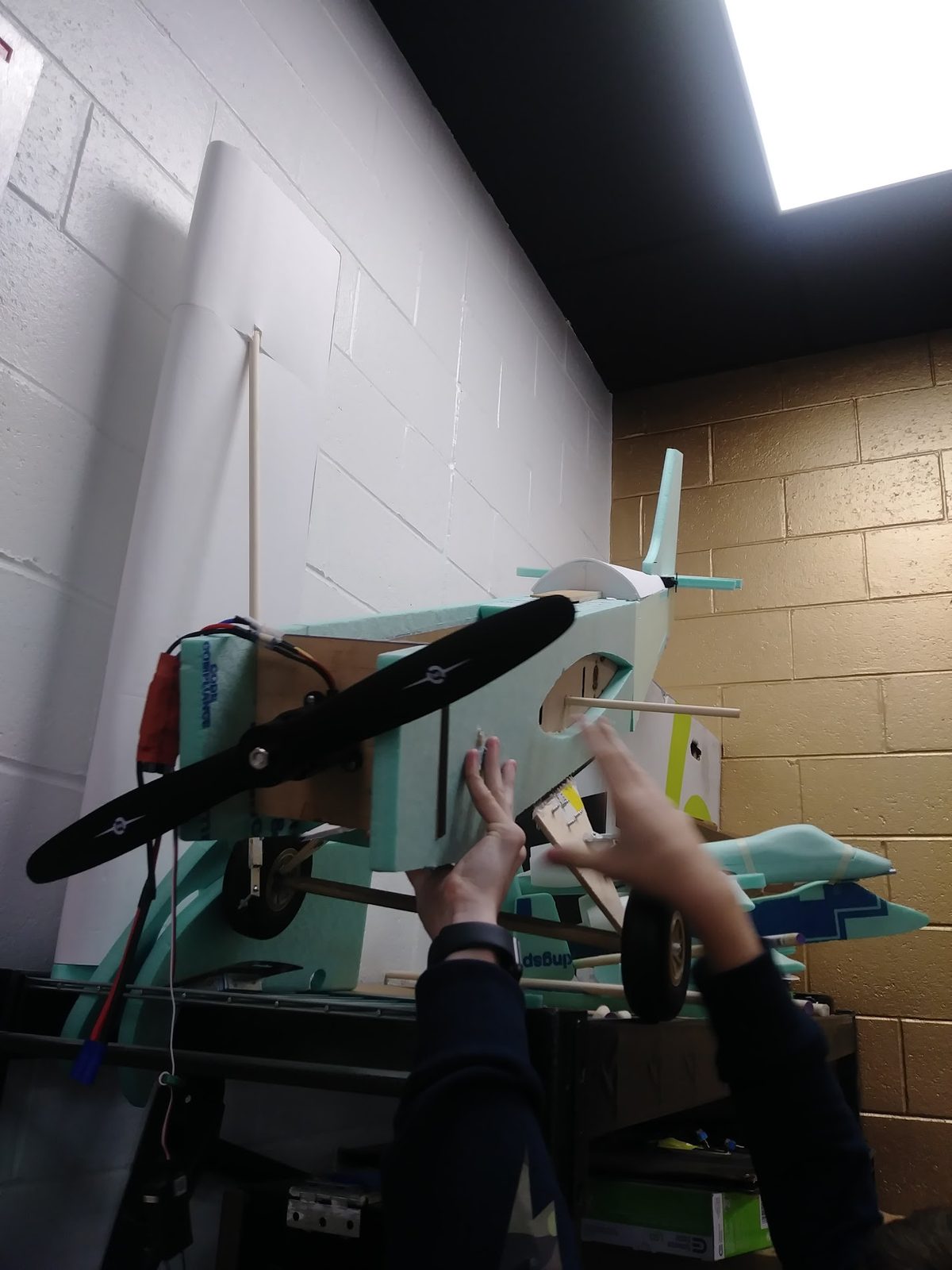
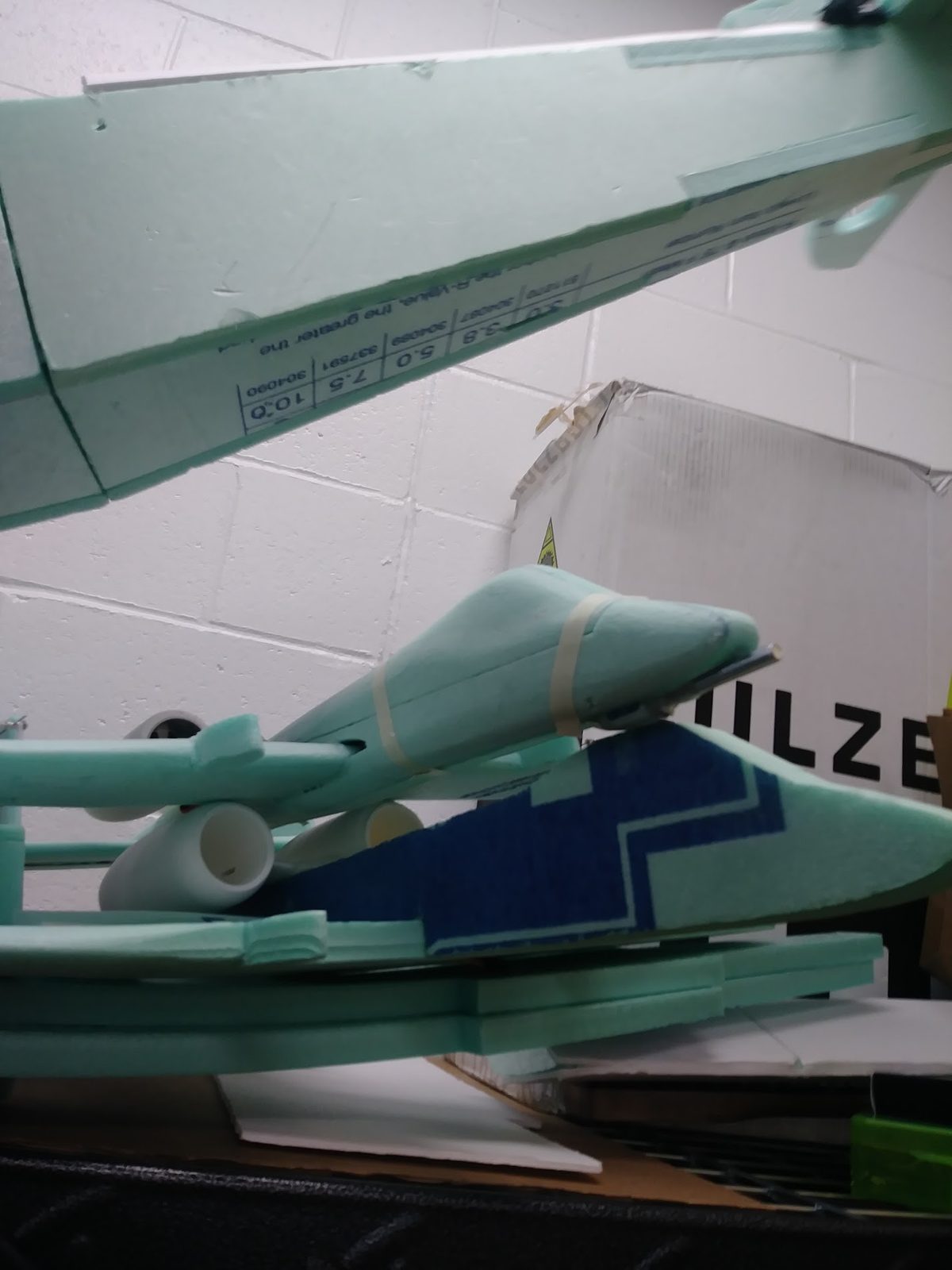
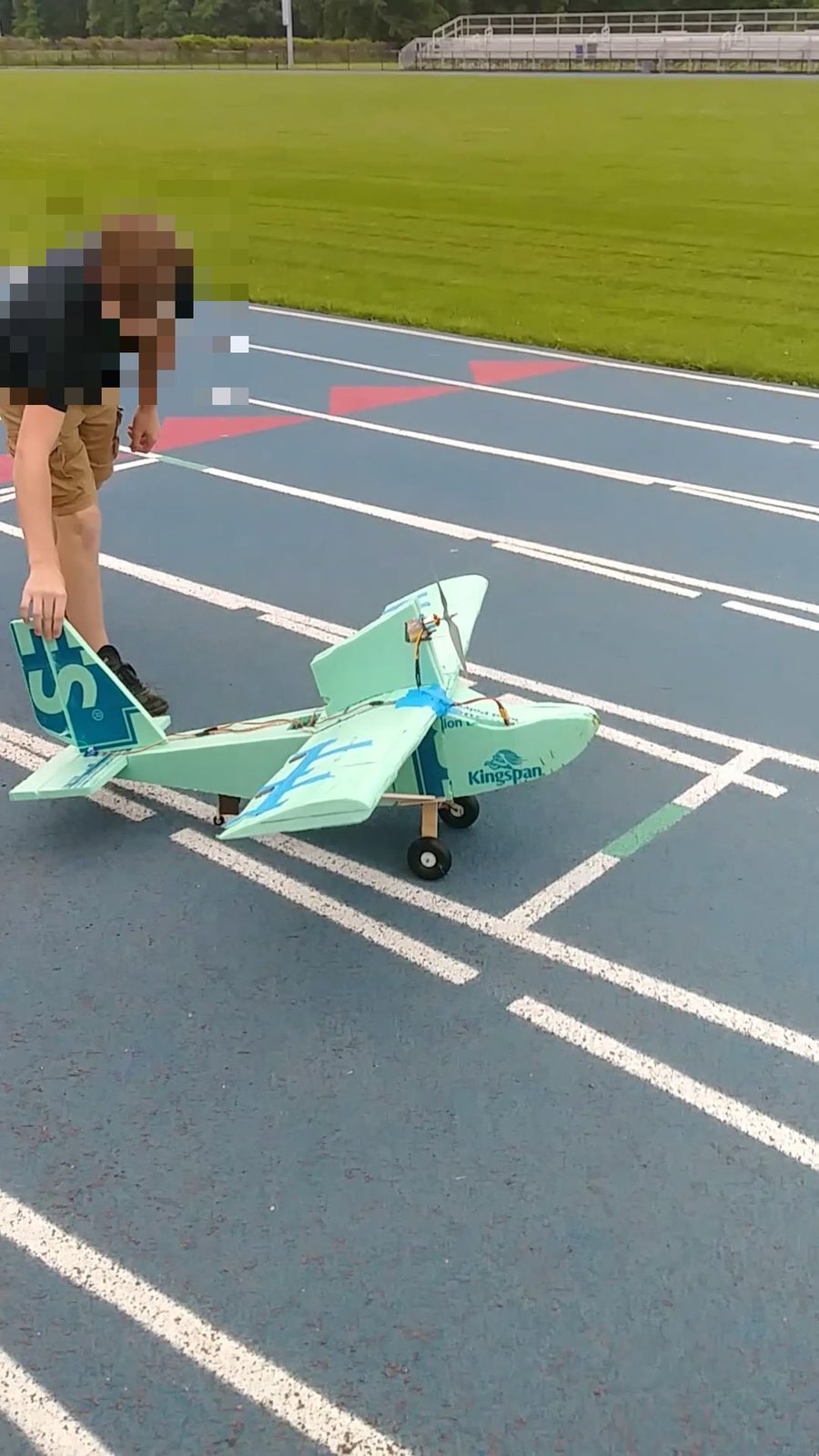
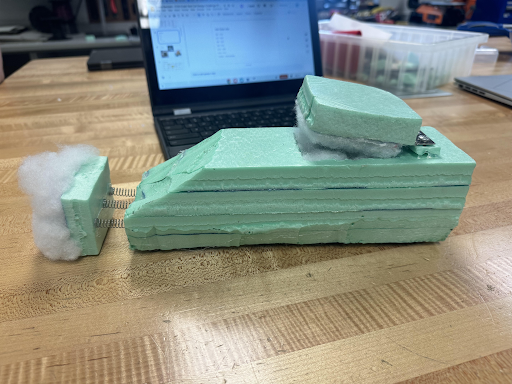
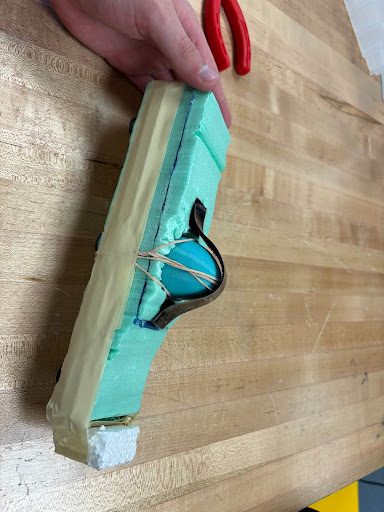
Scratch-built foam RC plane, from motor mount and wing structure to a real test flight out on the track.
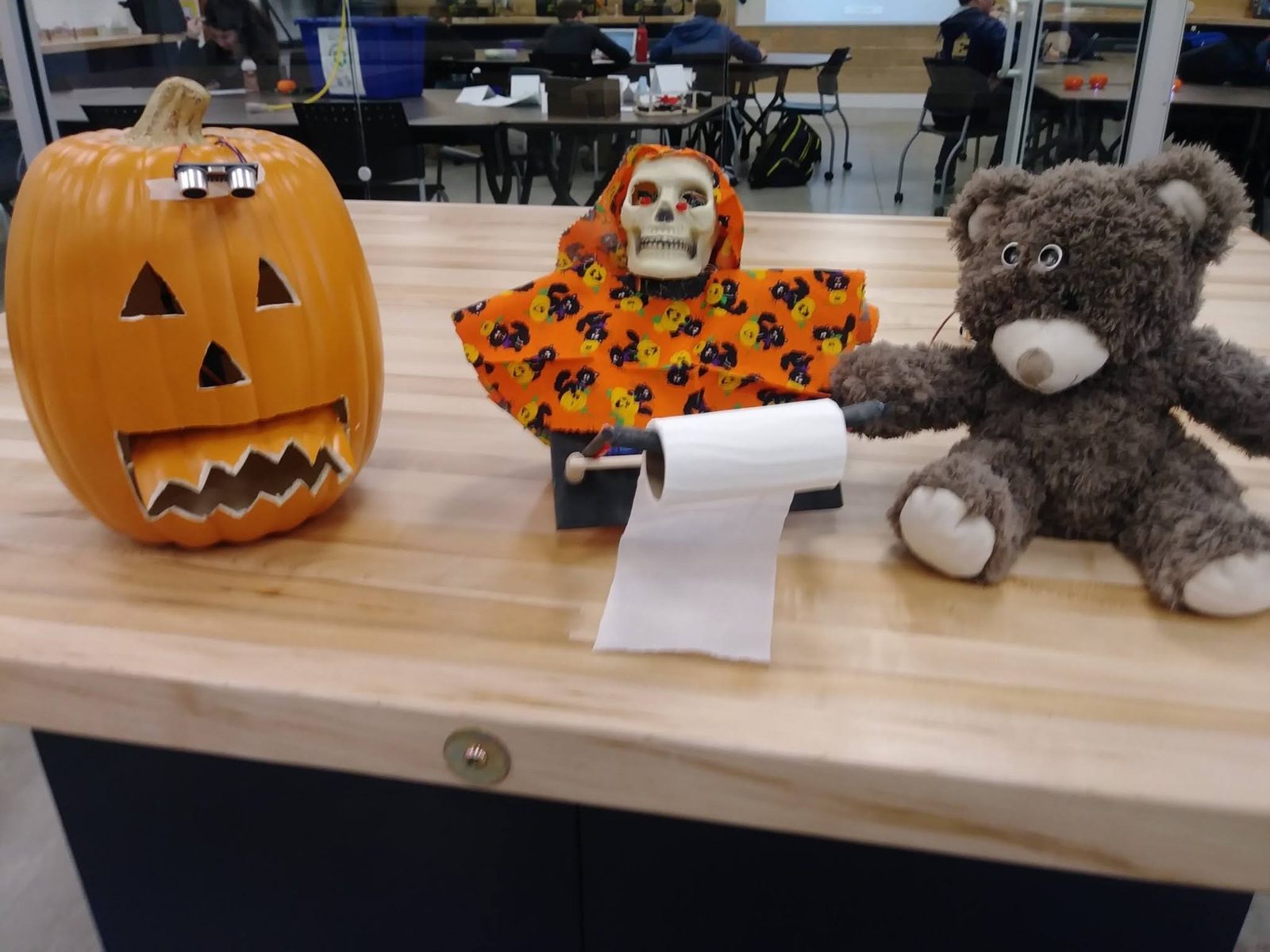
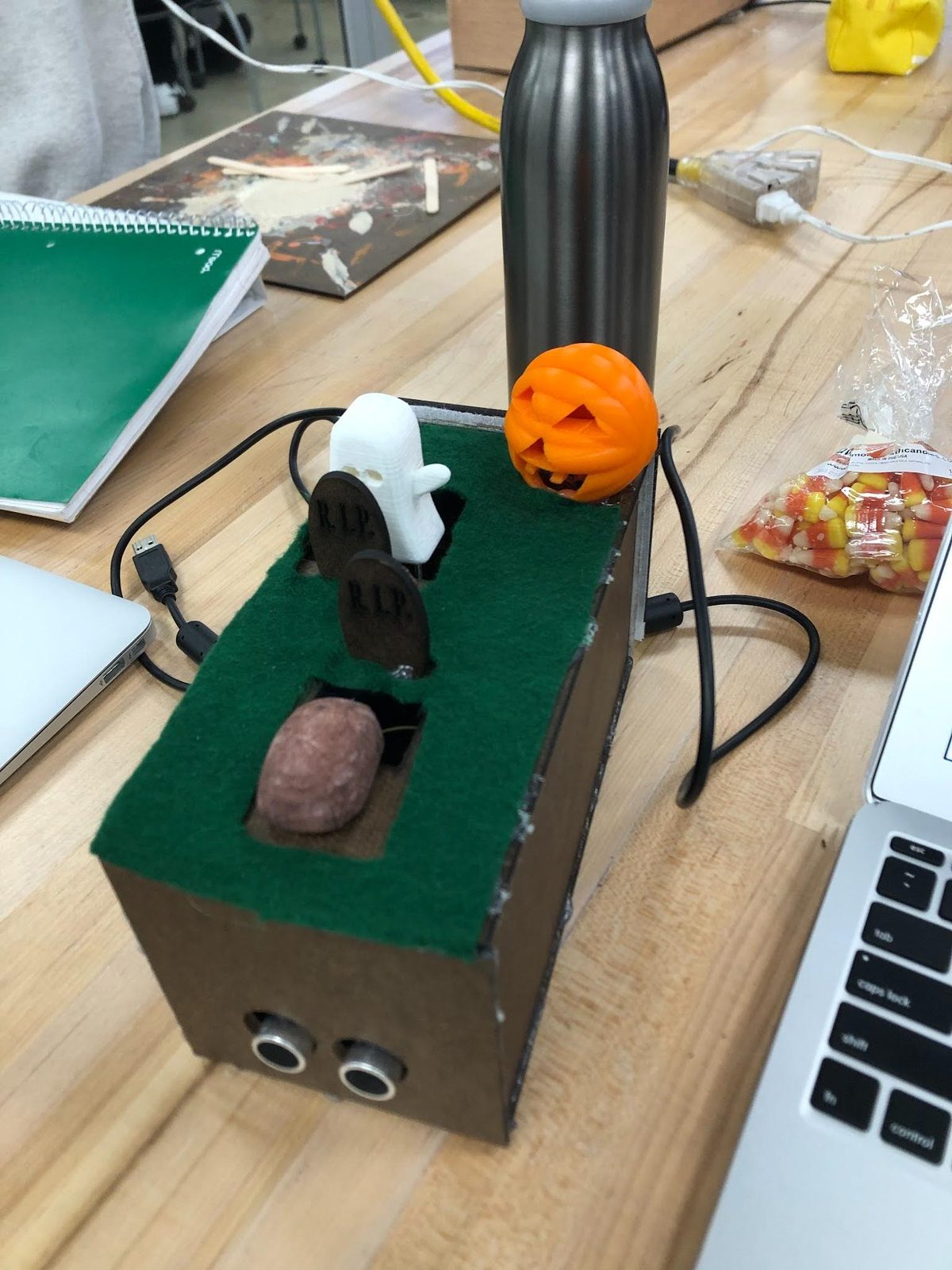
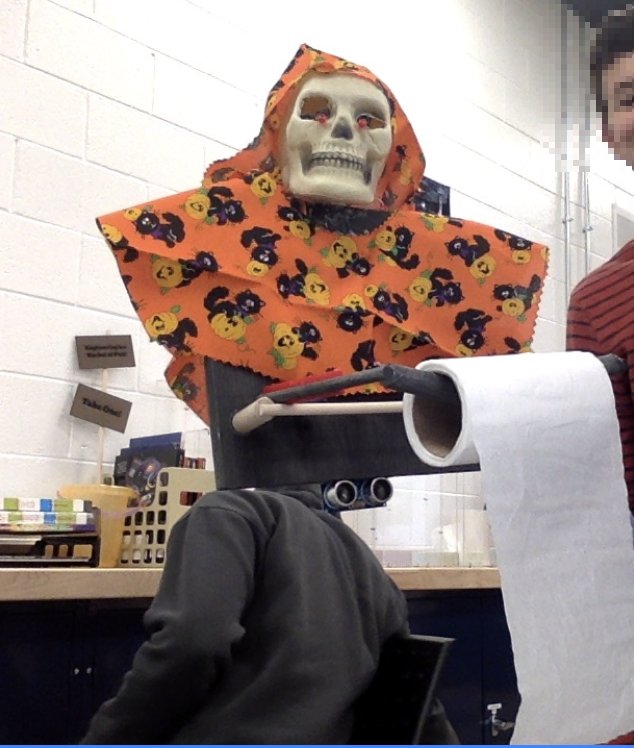
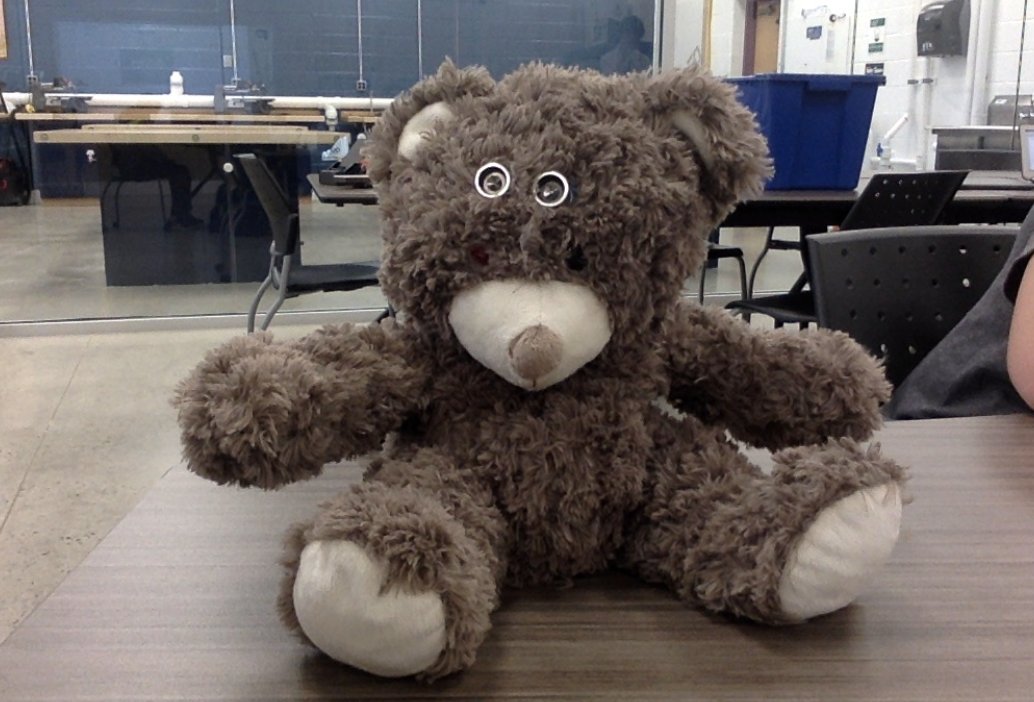
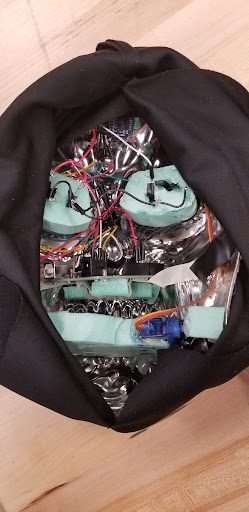
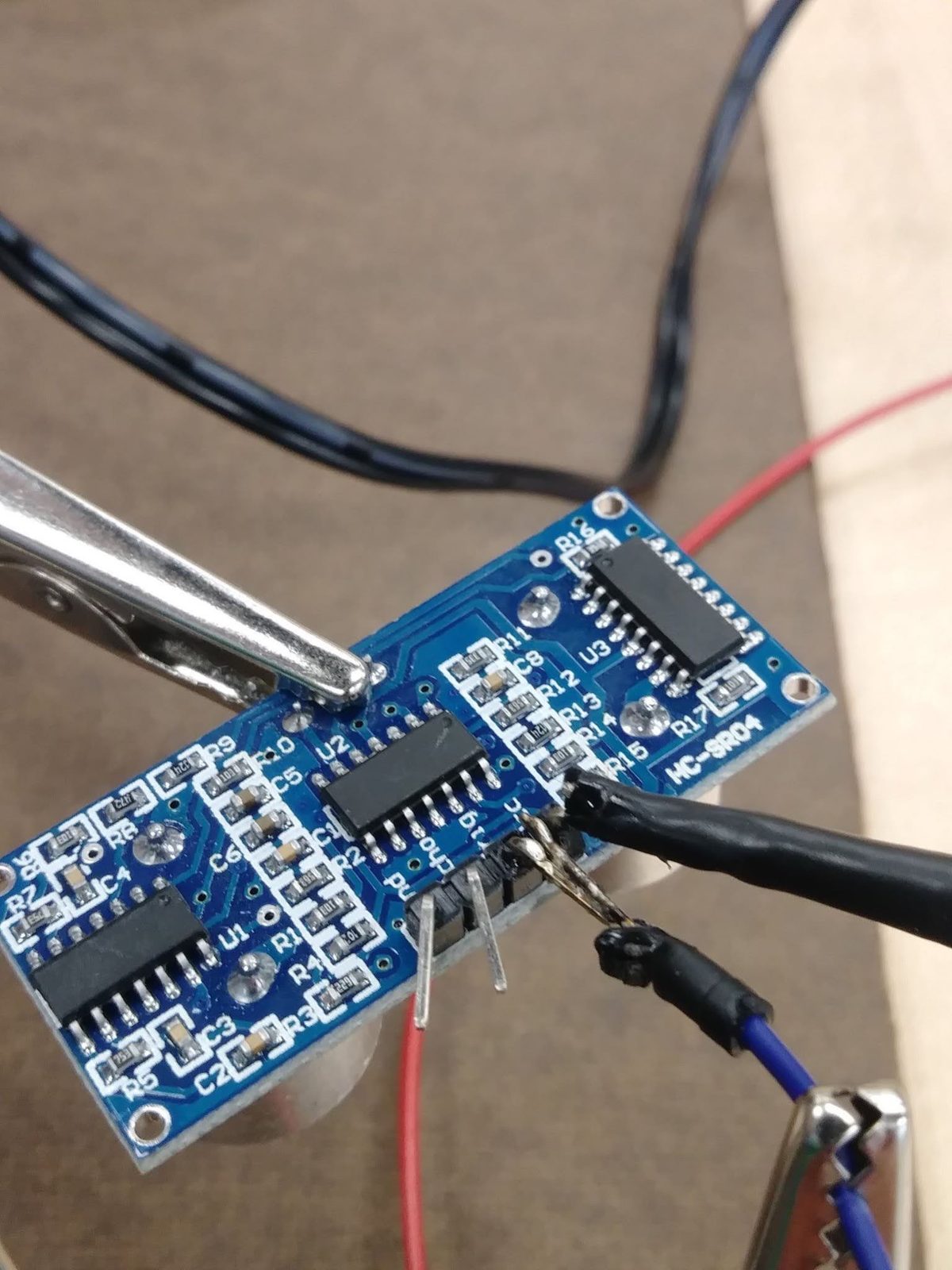
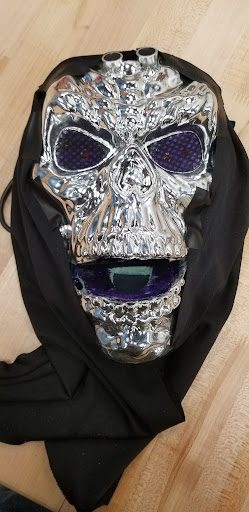
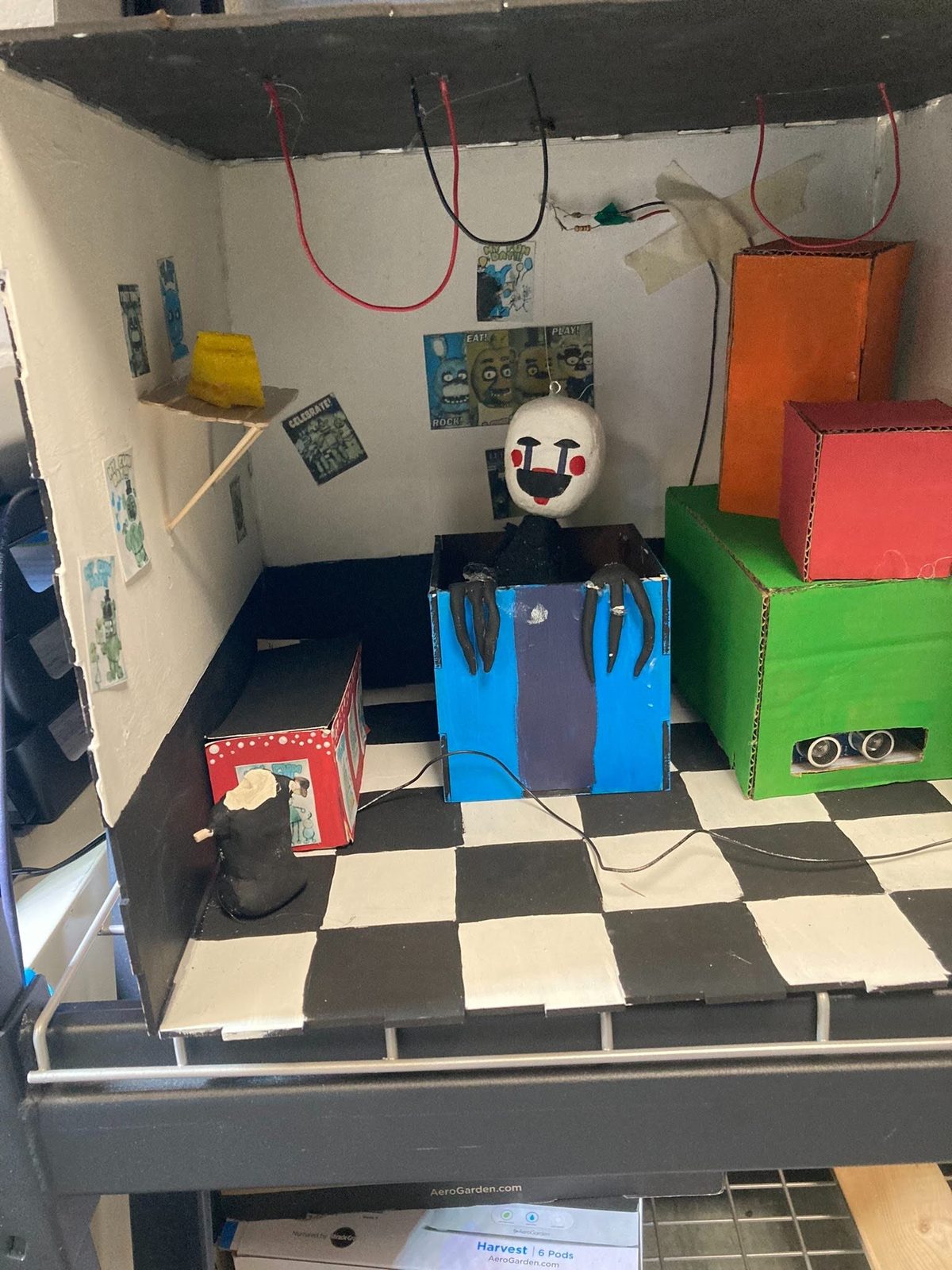
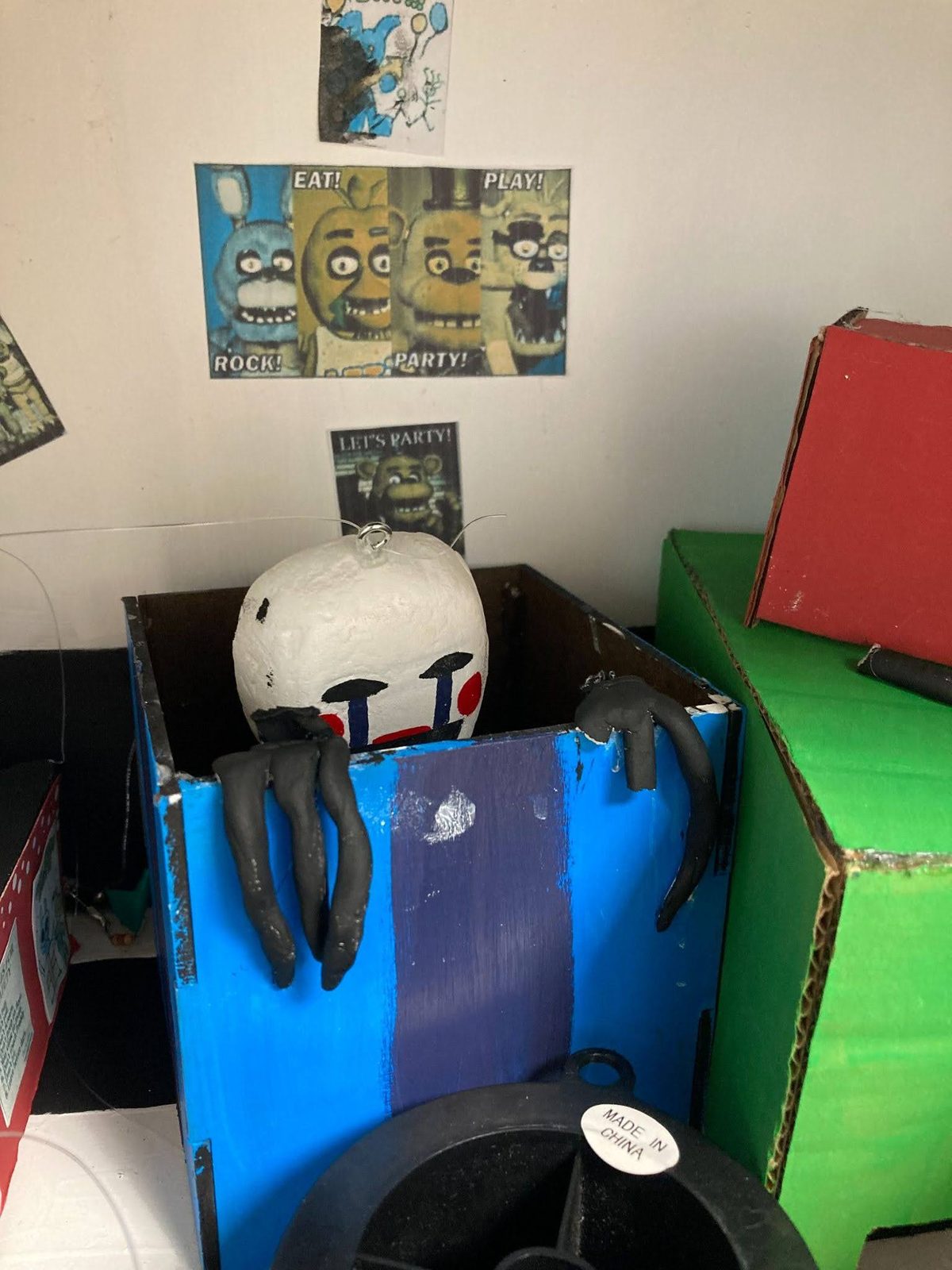
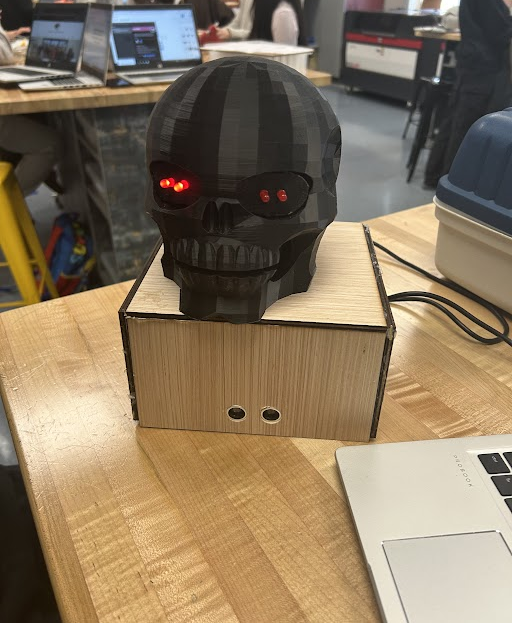
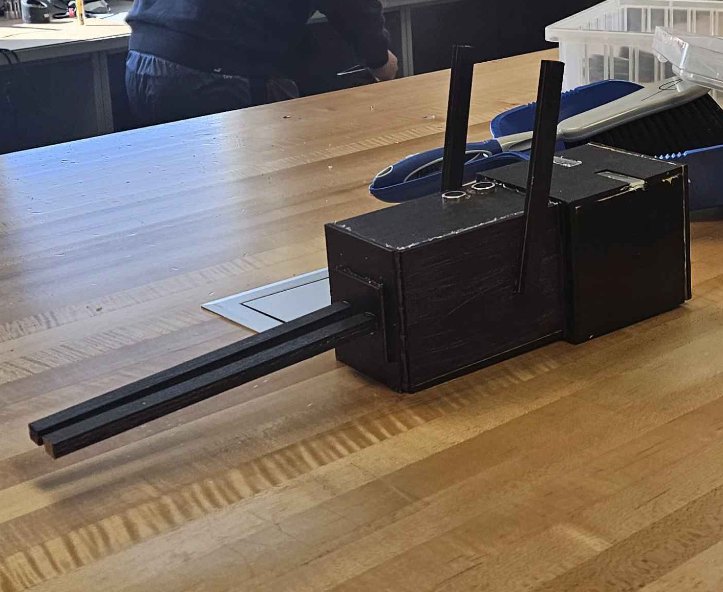
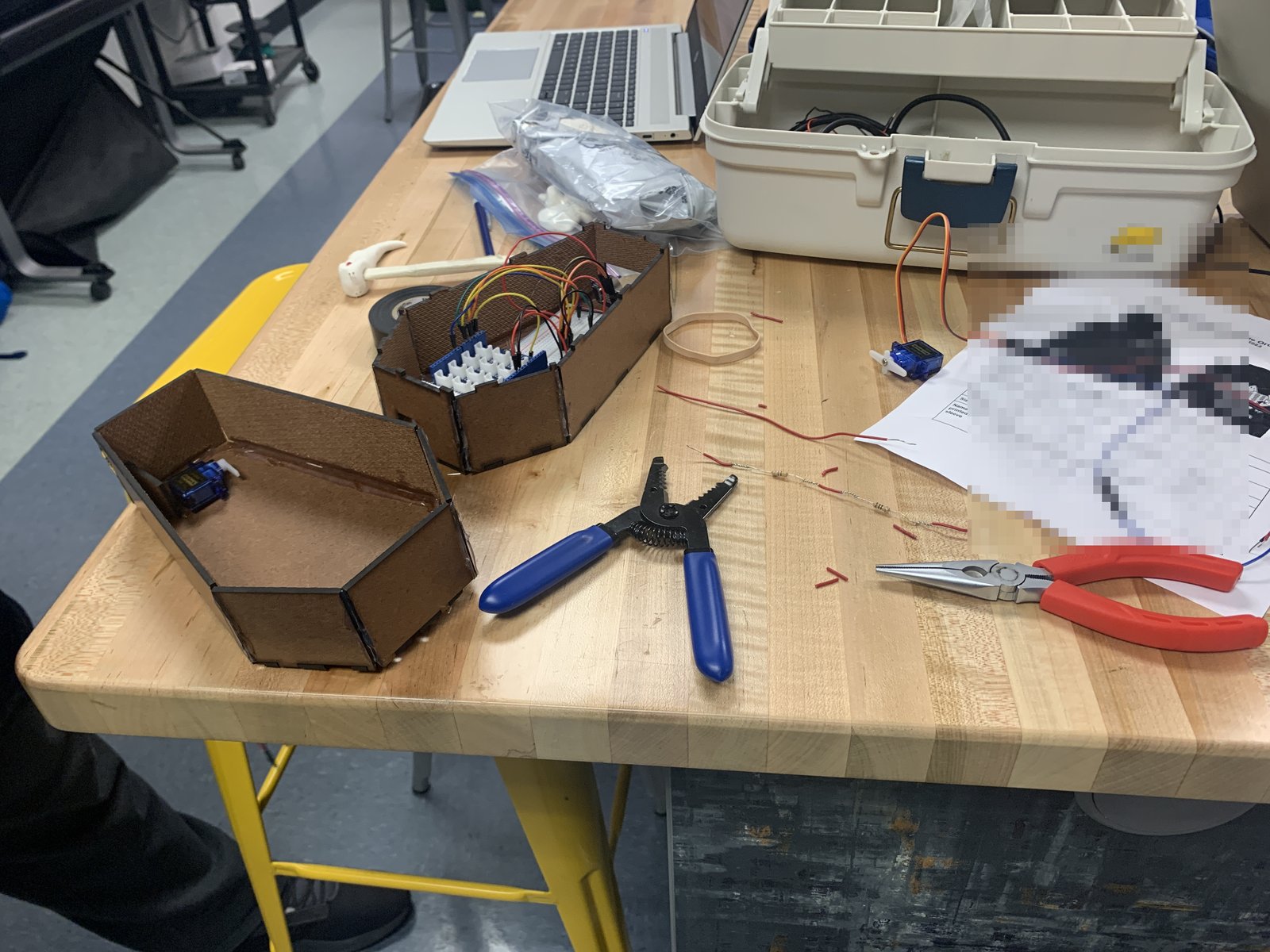
Sensor-triggered Halloween animatronics: a chrome skeleton mask with LED eyes, a graveyard jump-scare box, and a few sillier builds along the way.
Four years here. More projects going up as I find the photos.
Created an engineering lab in the main building plus a dedicated robotics lab in the Hopkins building, currently teaching Introduction to Engineering, CAD, Engineering 2, and Robotics. Served as a FIRST robotics mentor for 2 years, and a VEX V5 mentor for 2 years.
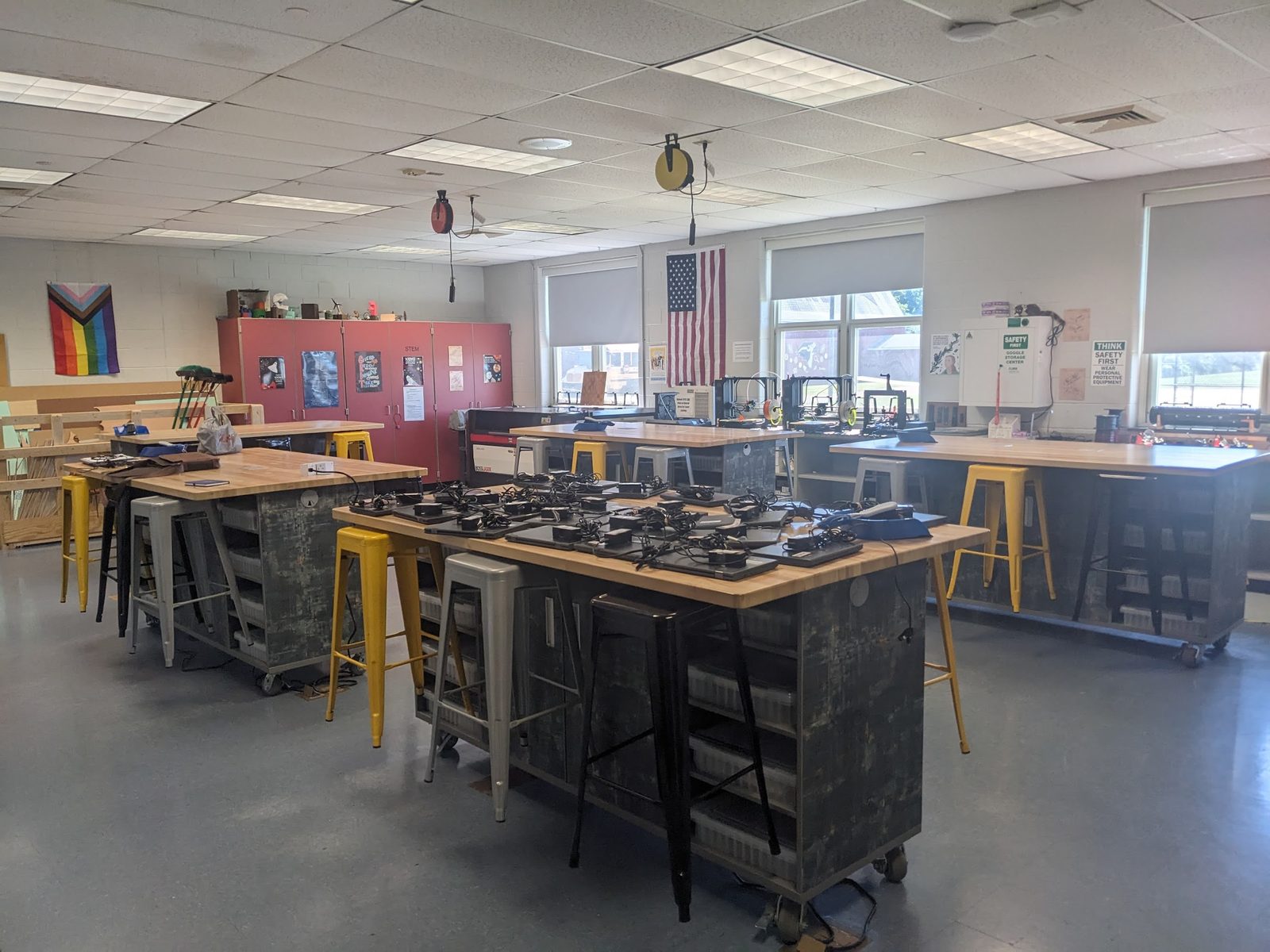
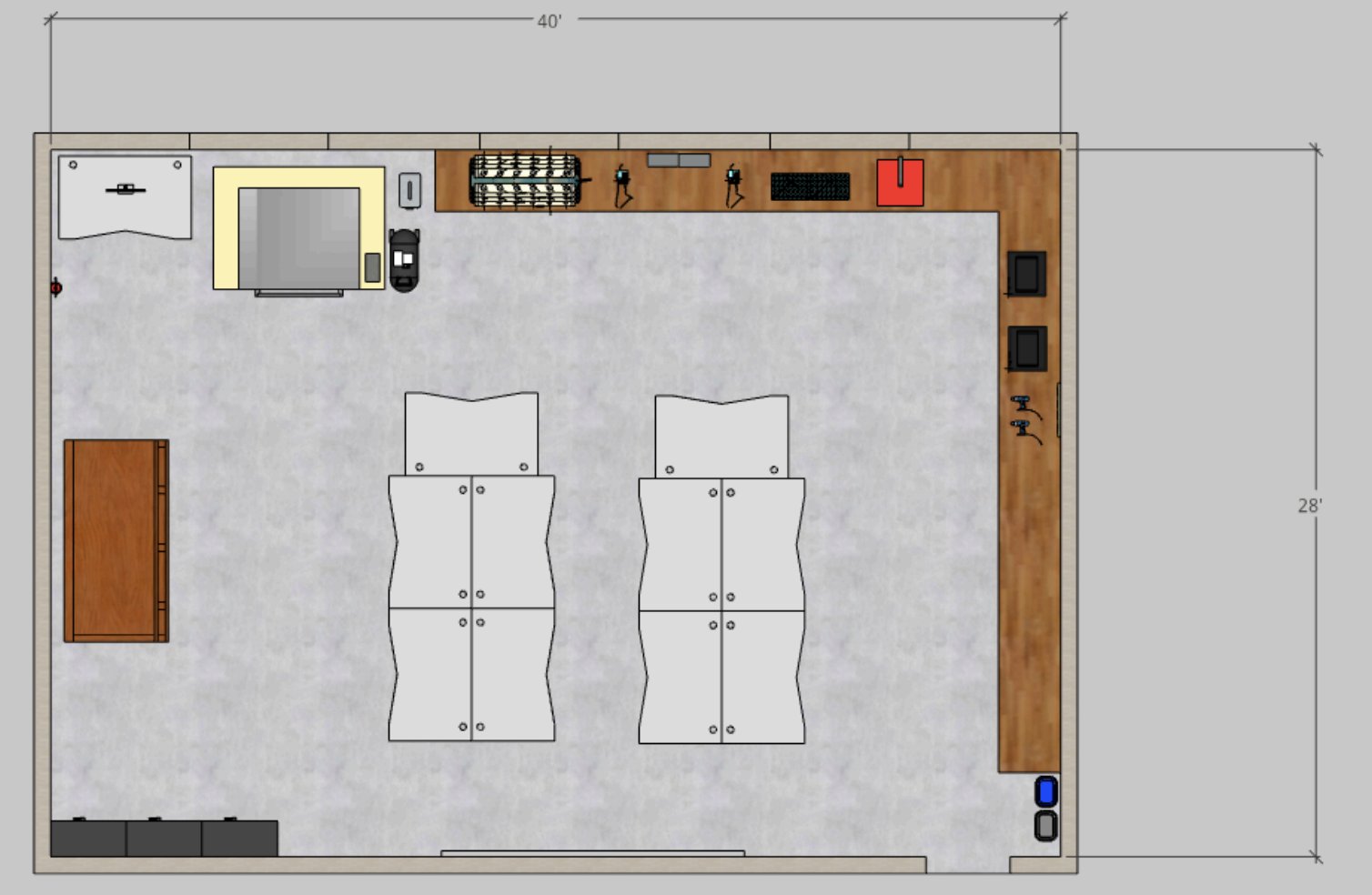
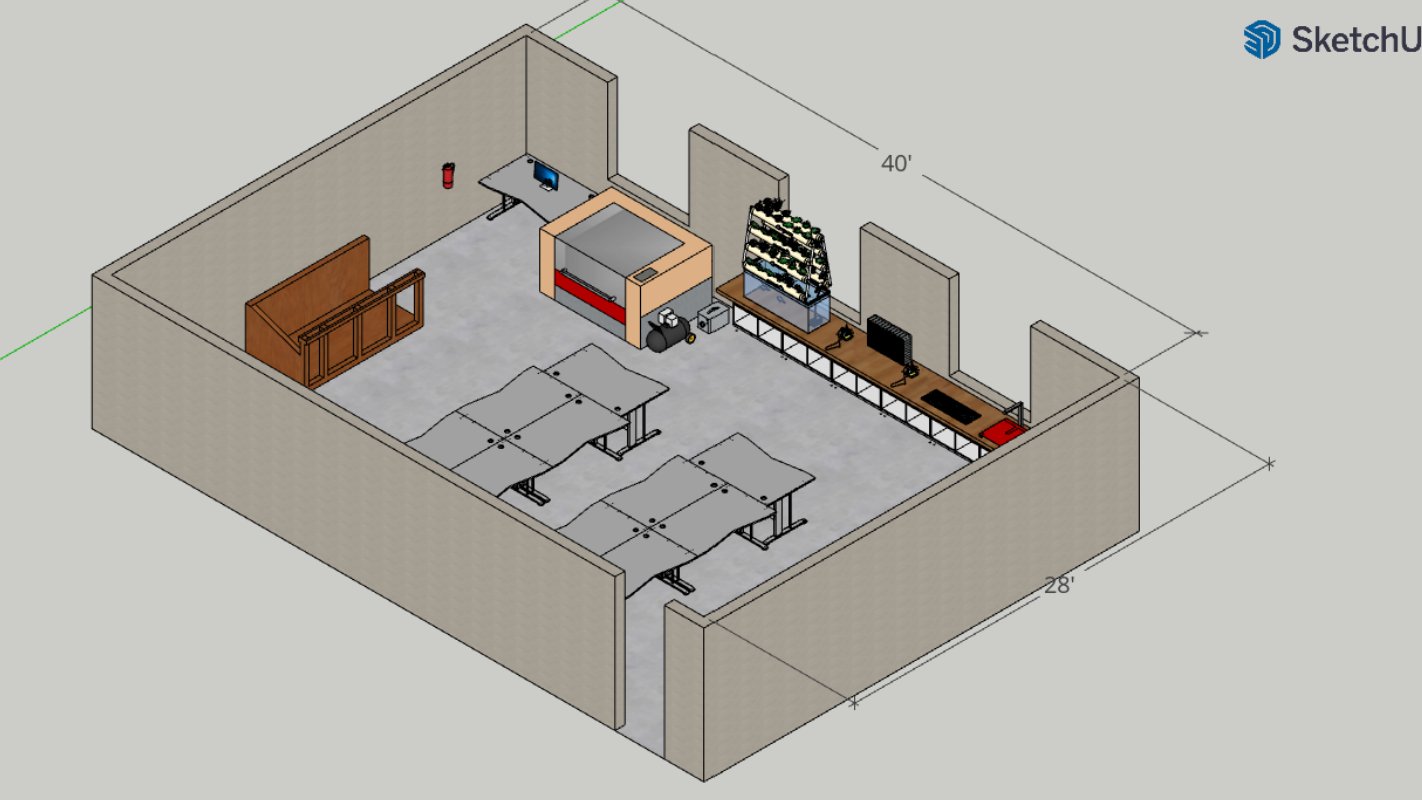
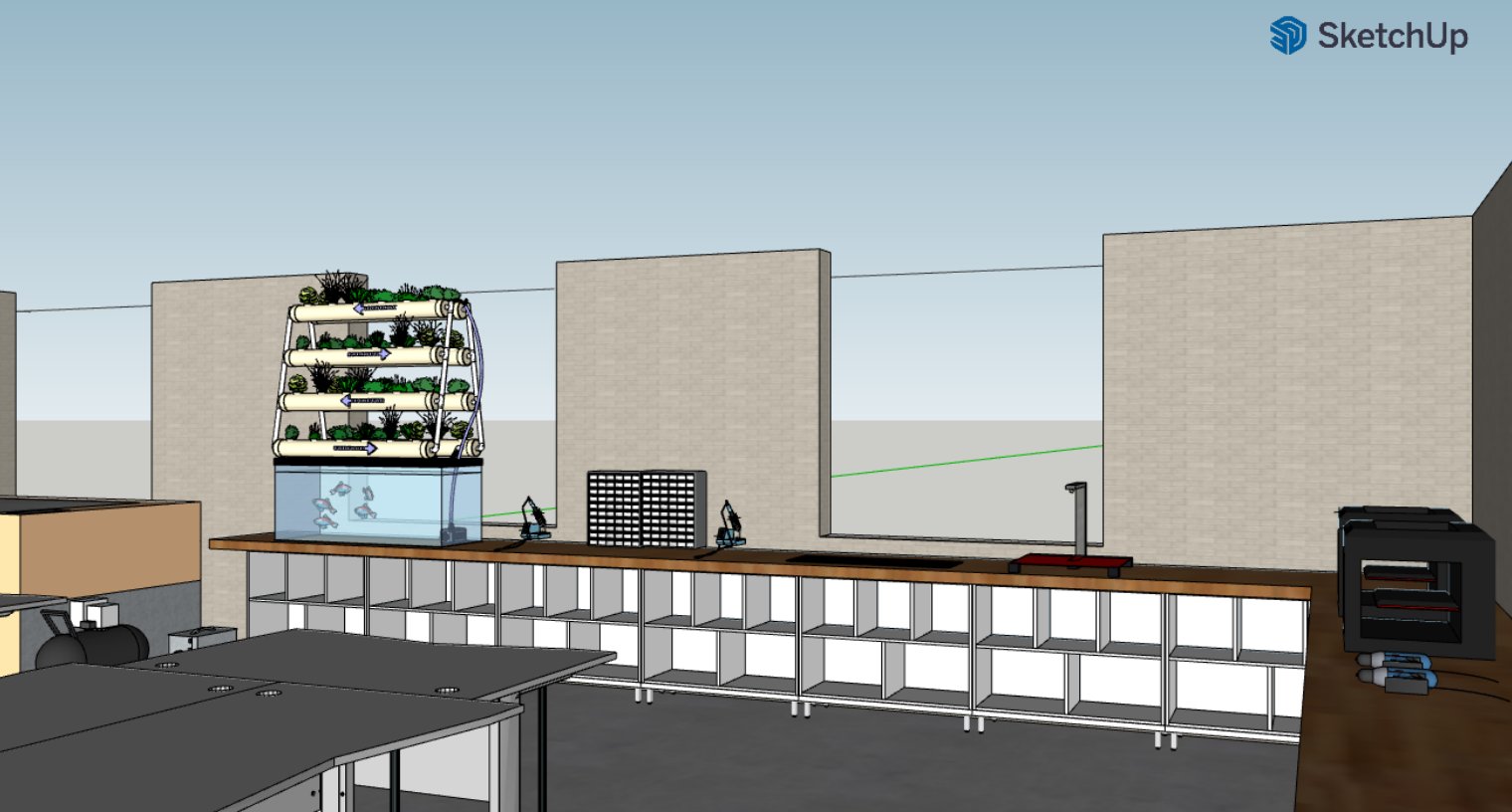
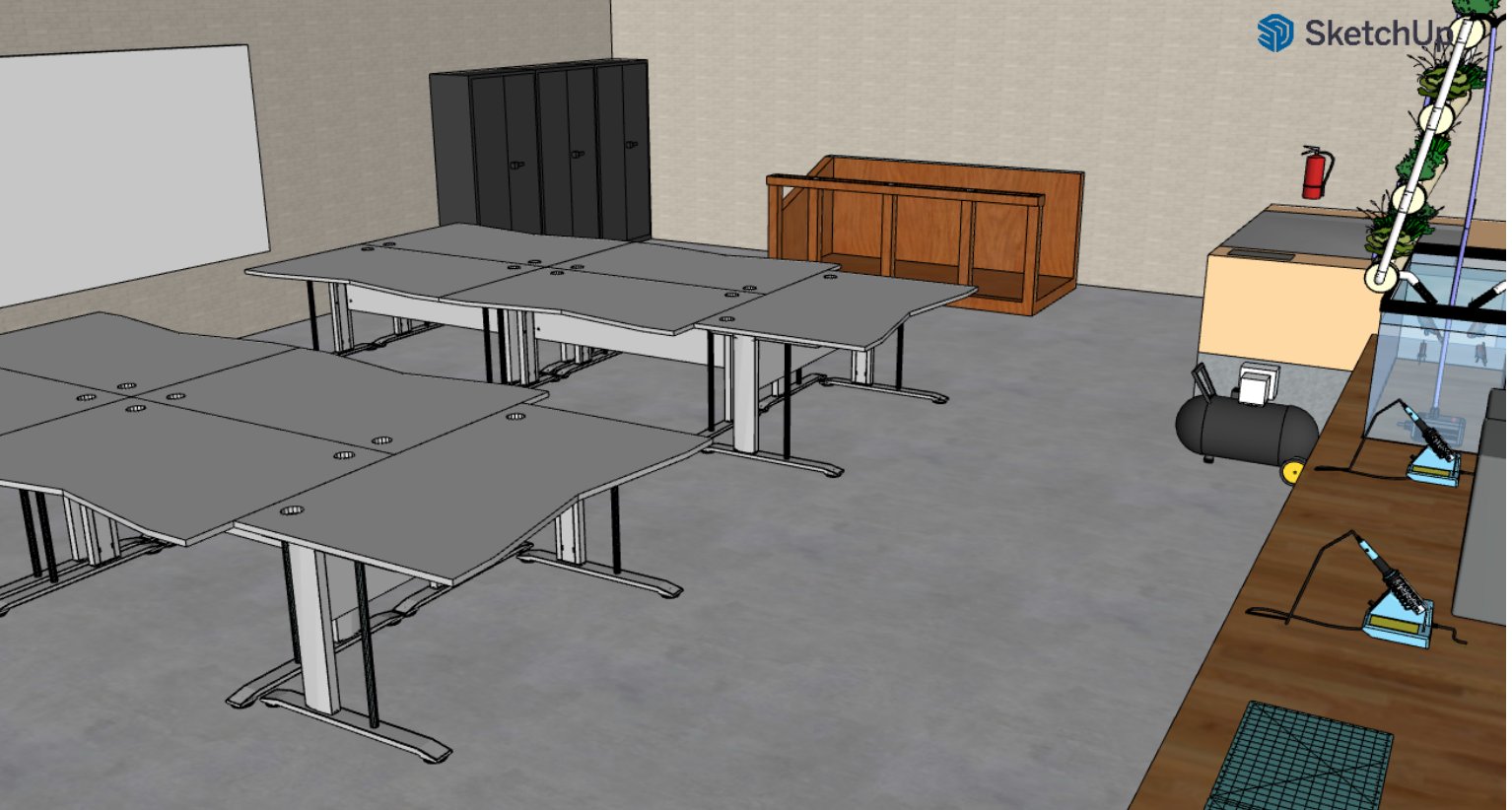
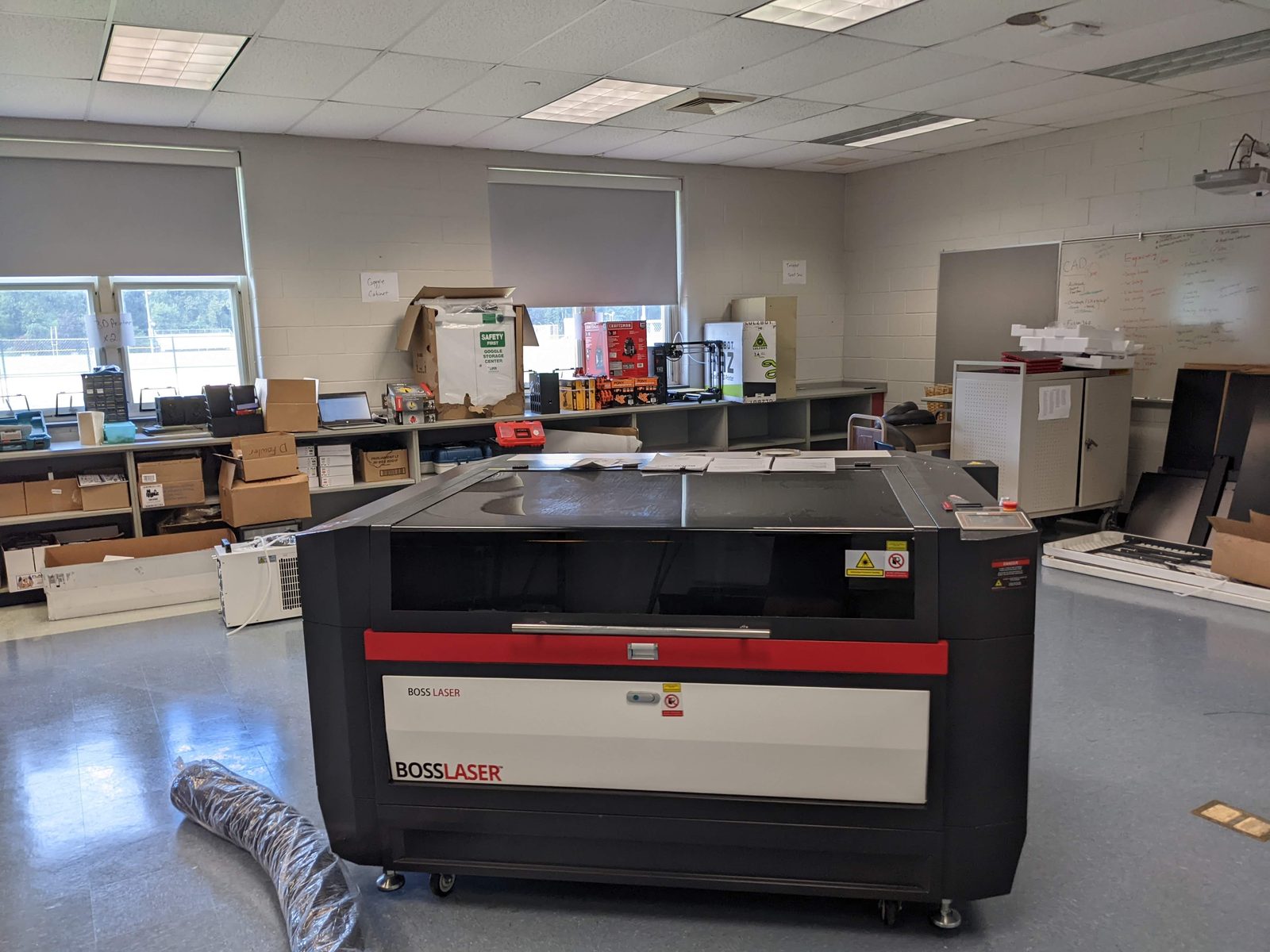
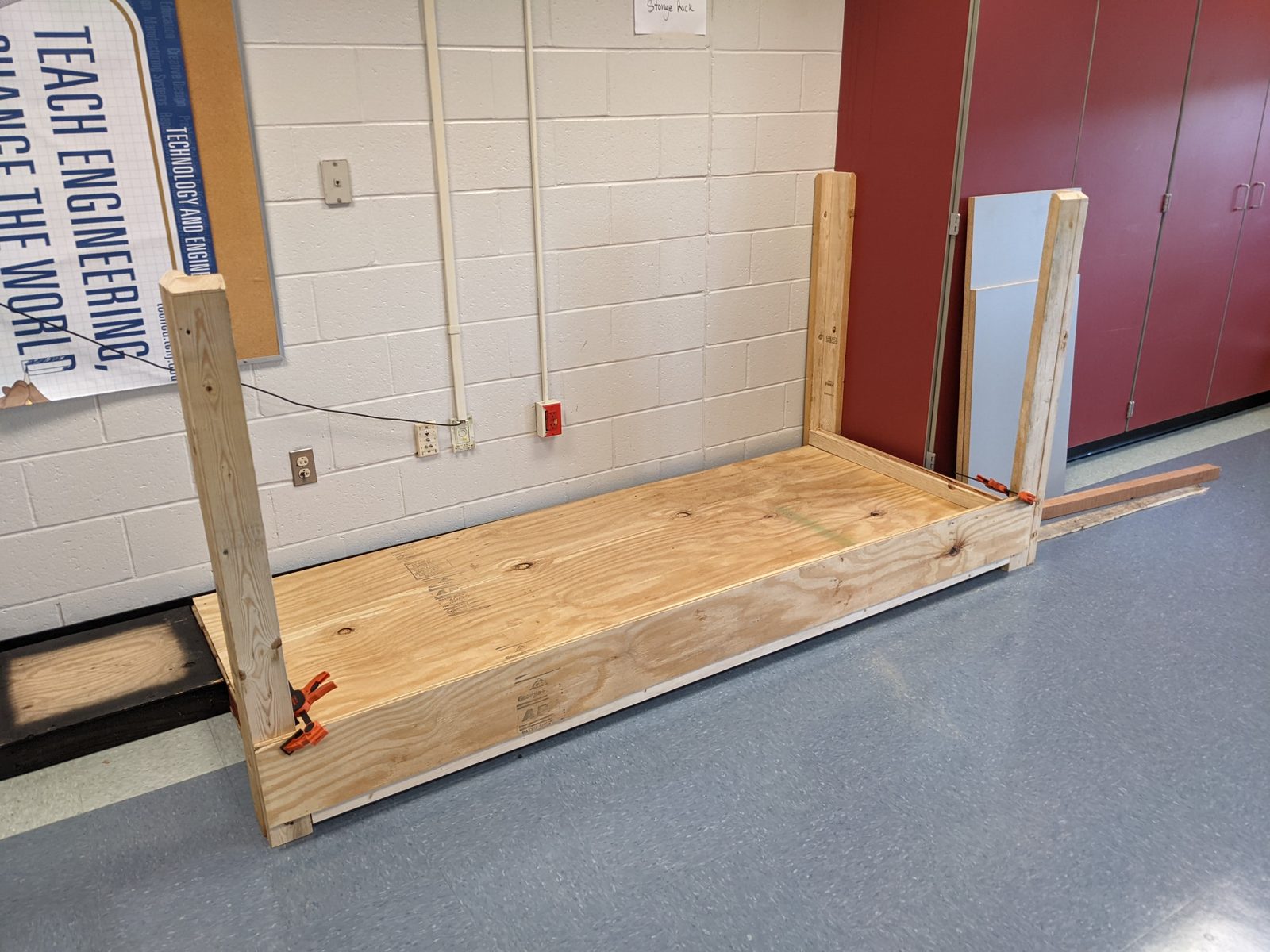
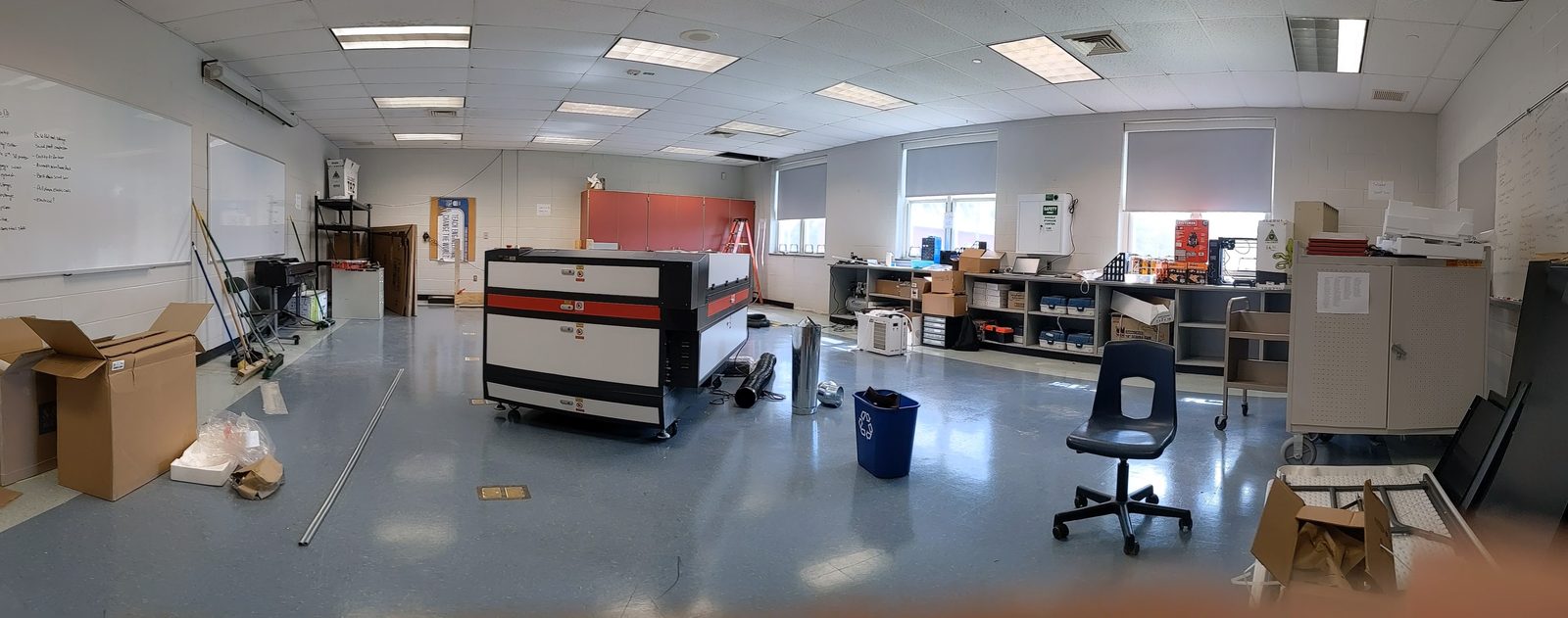
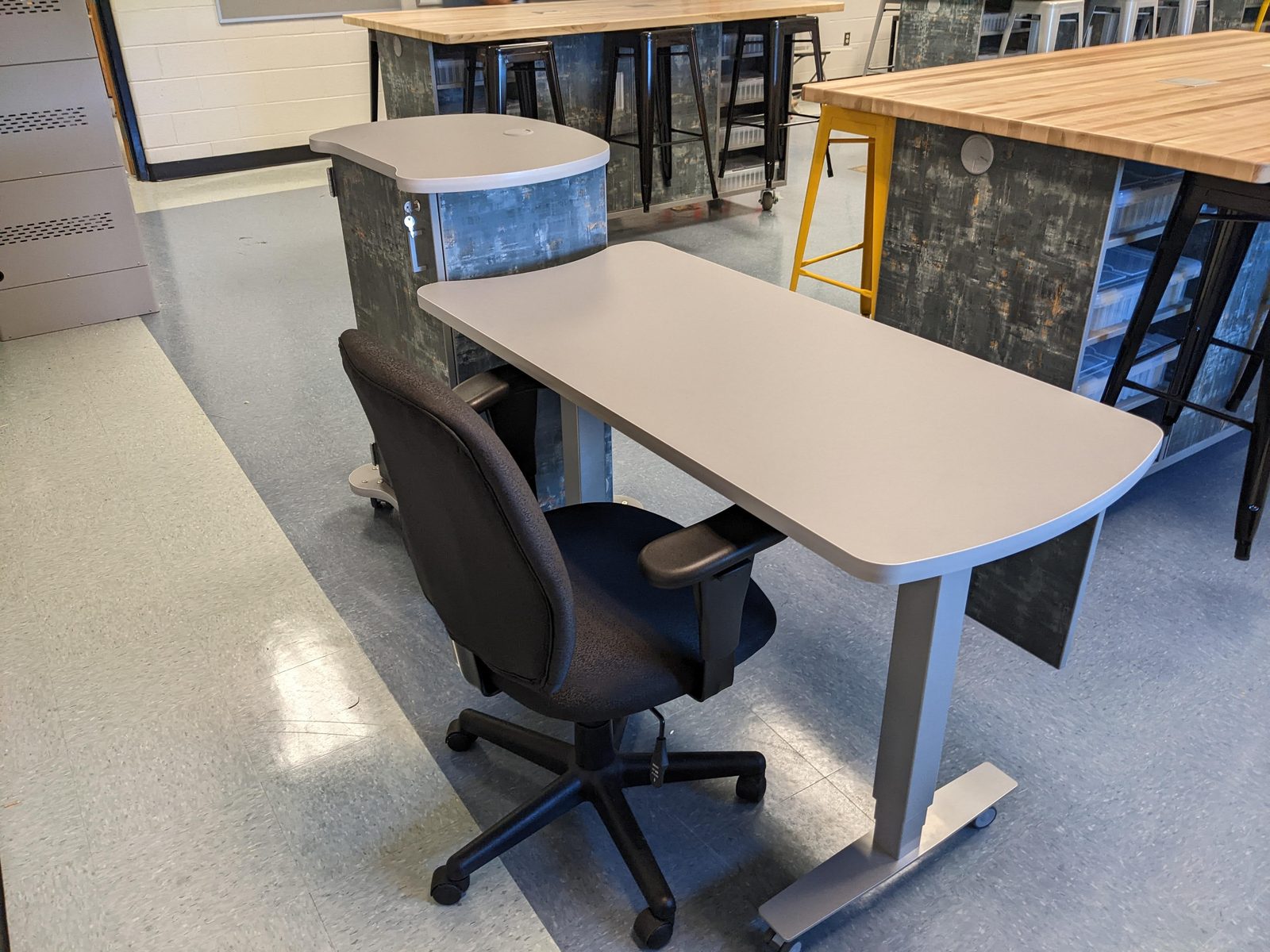
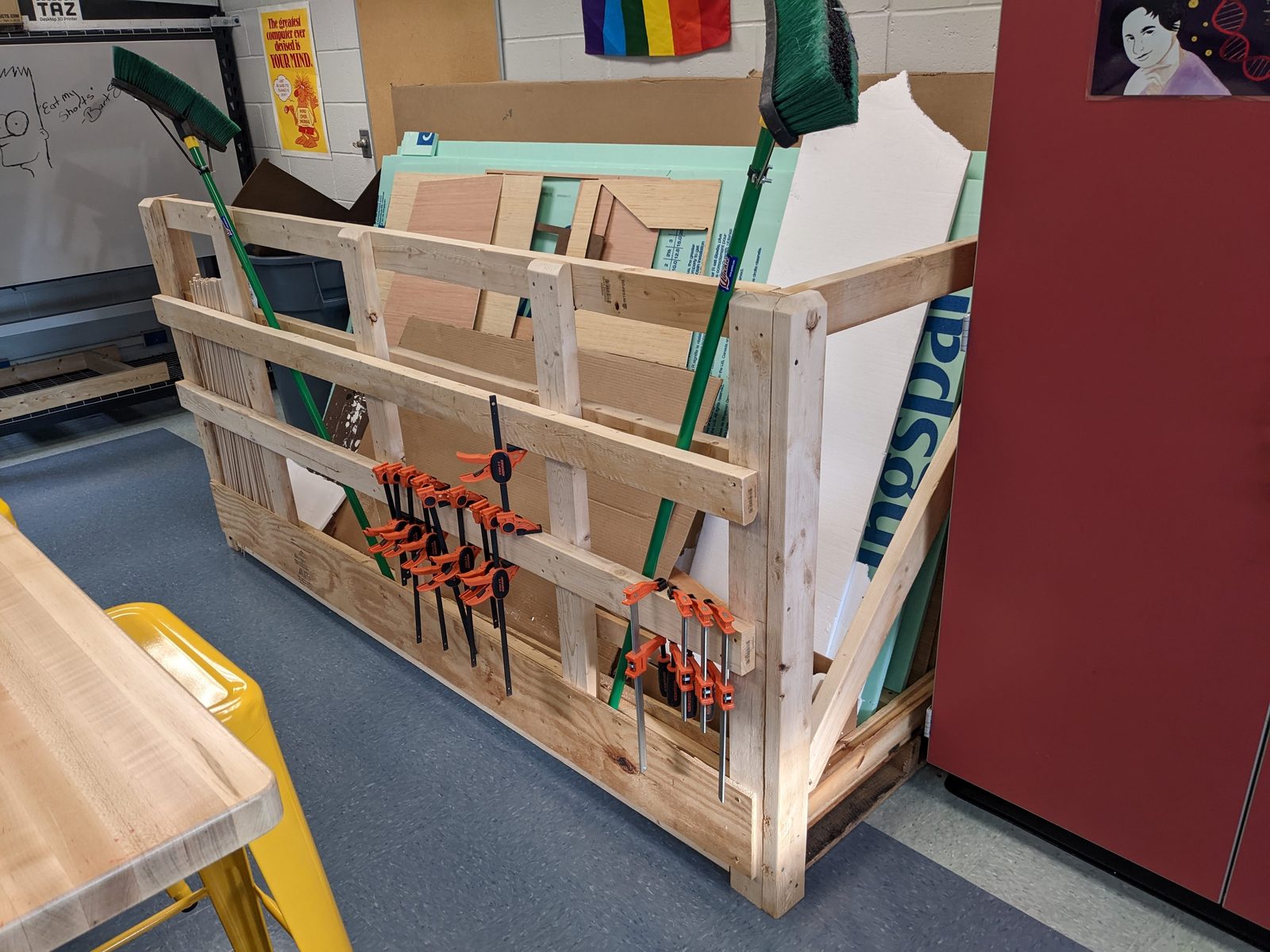
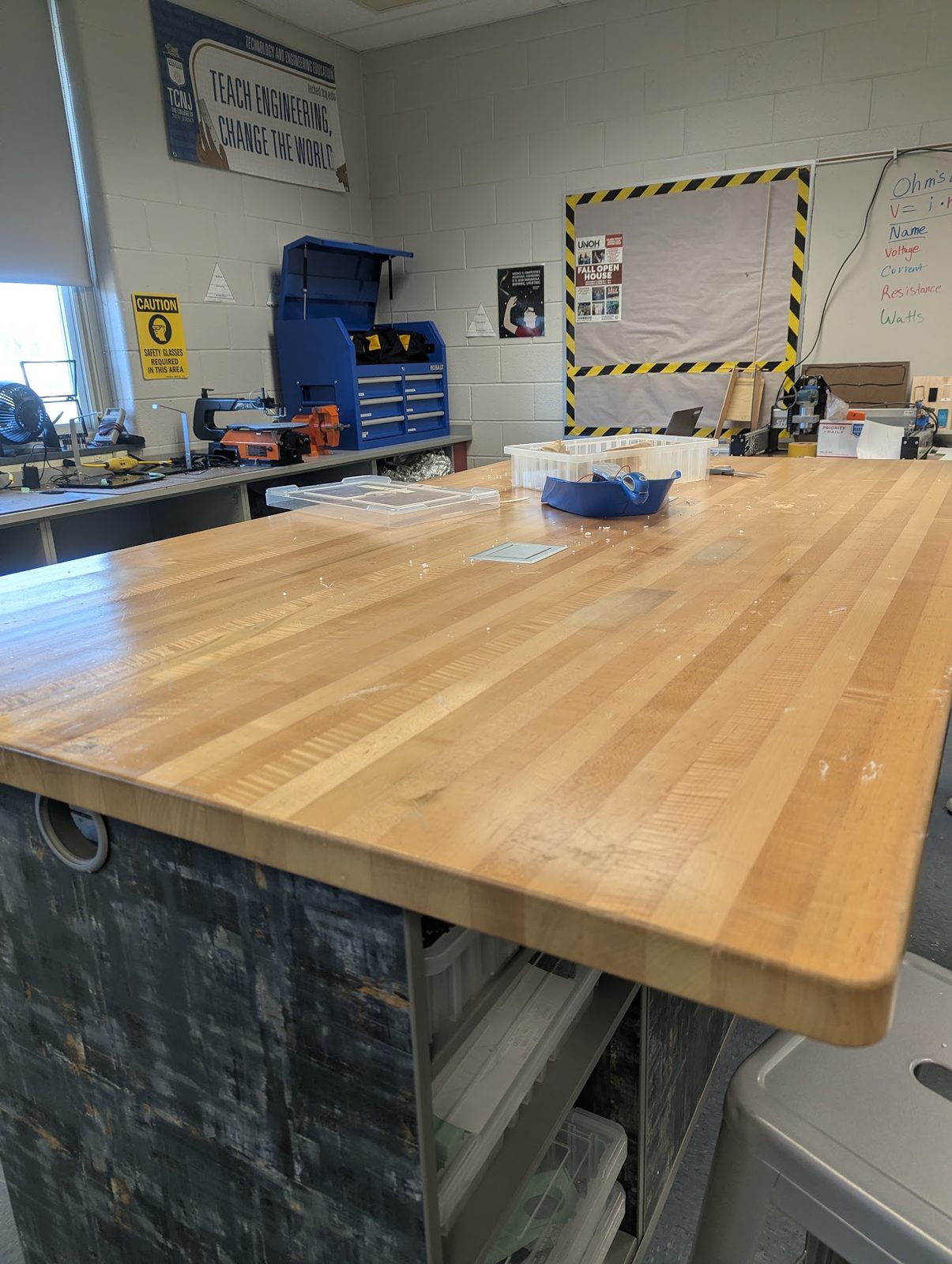
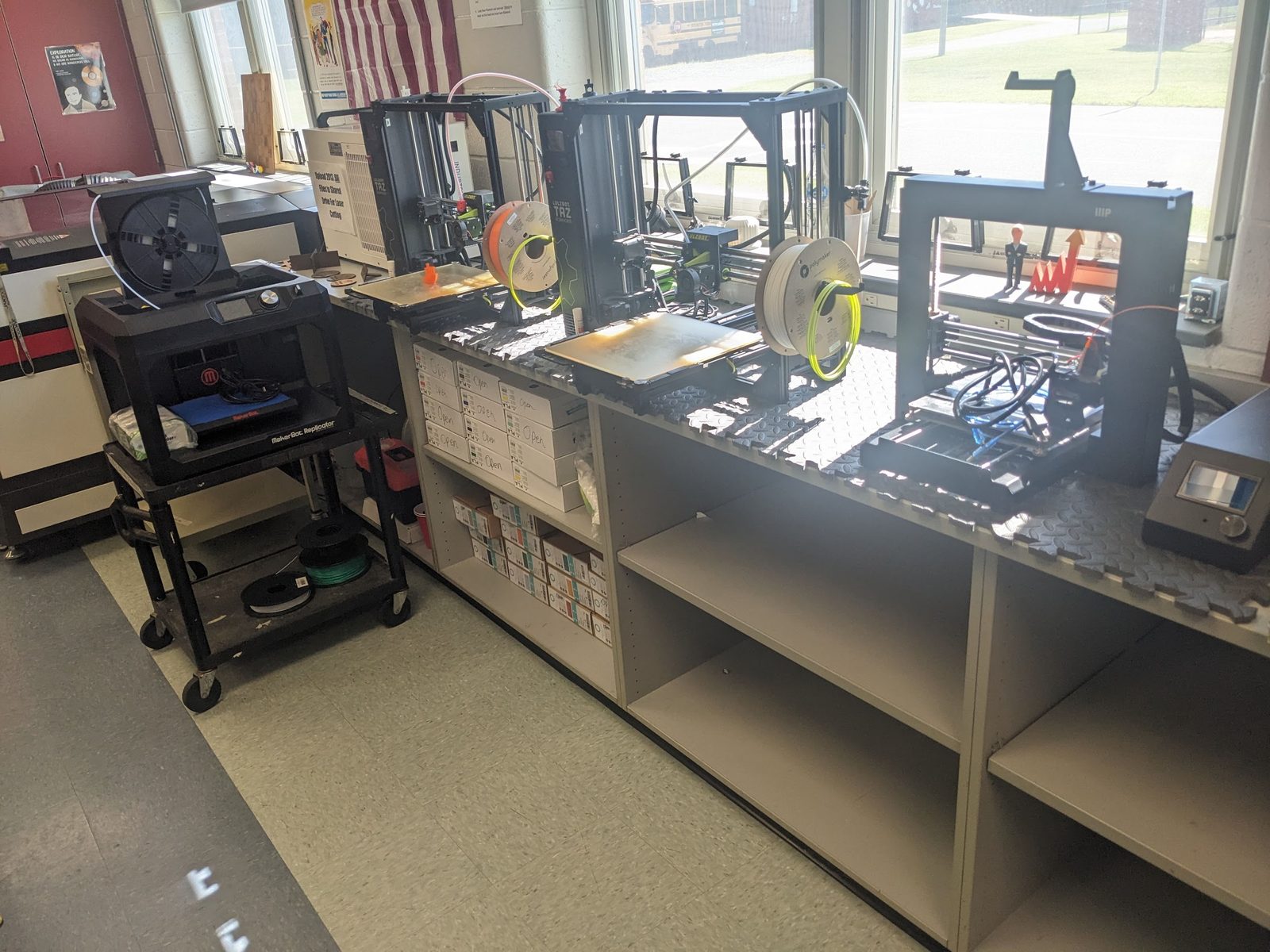
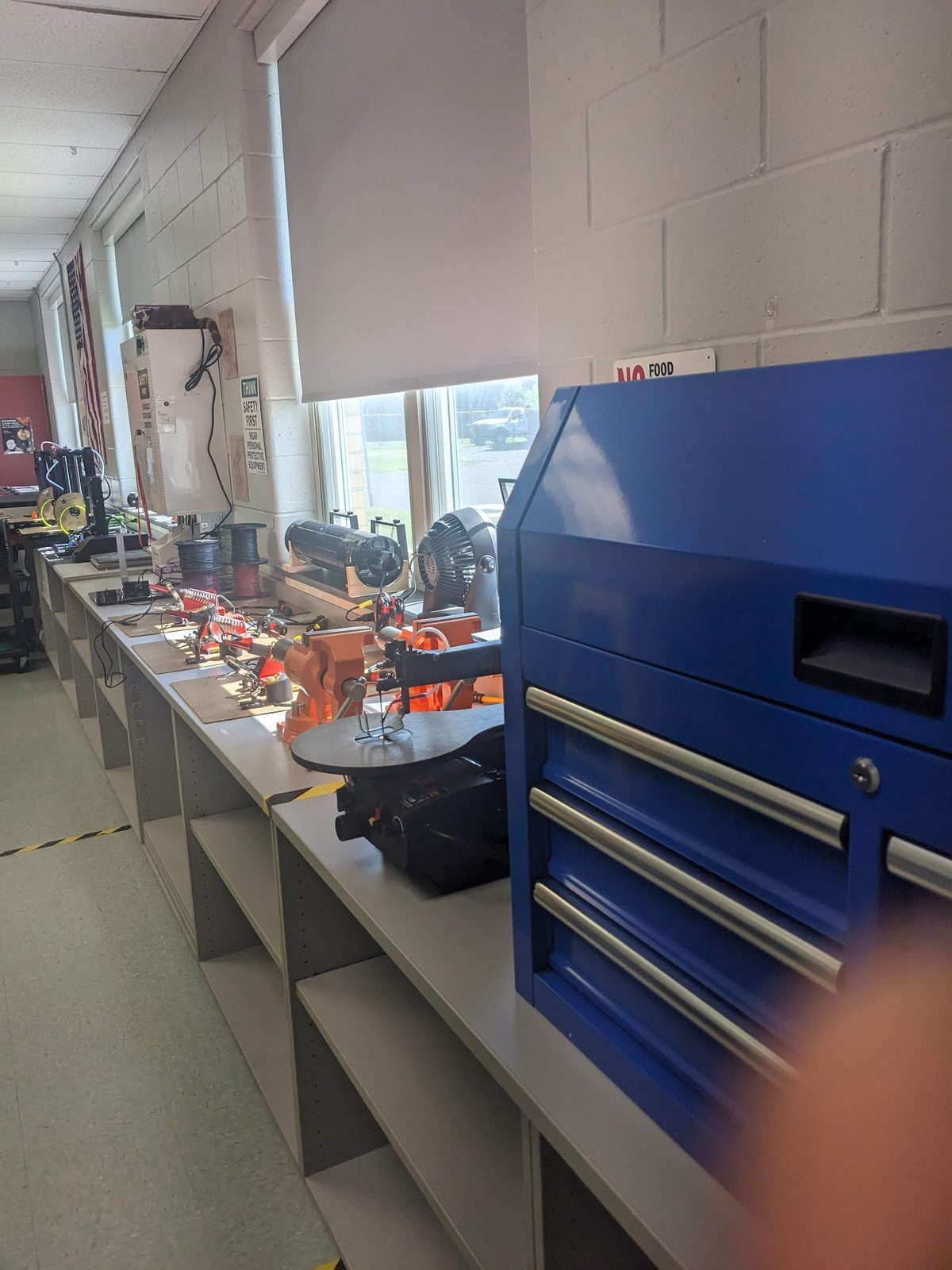
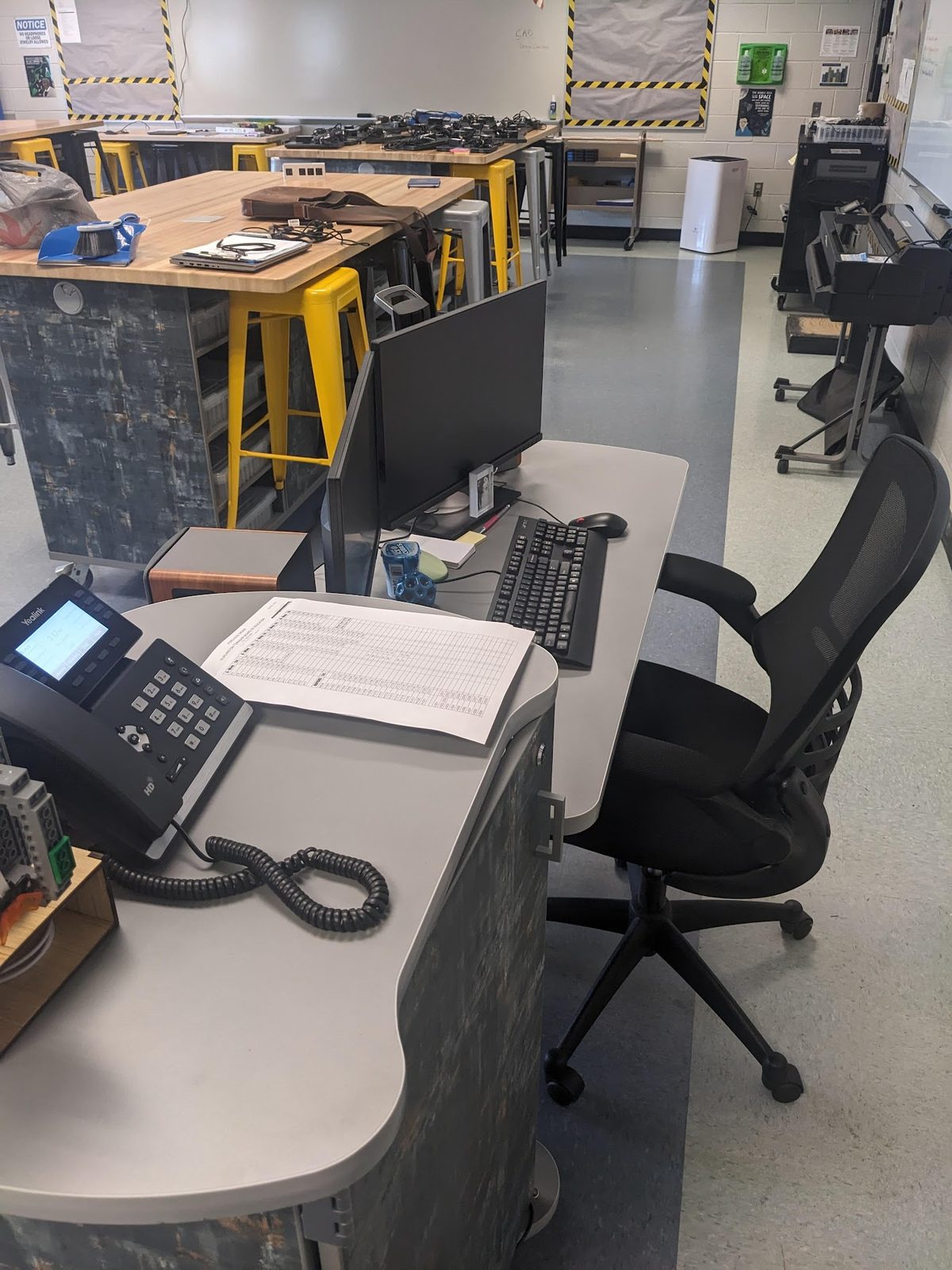
Turned a standard classroom into a full engineering lab. Planned it in CAD first, then built it out for real: pod desks on rolling storage, a laser cutter, a 3D printer bank, and a shop bench, most of it built or installed by hand.
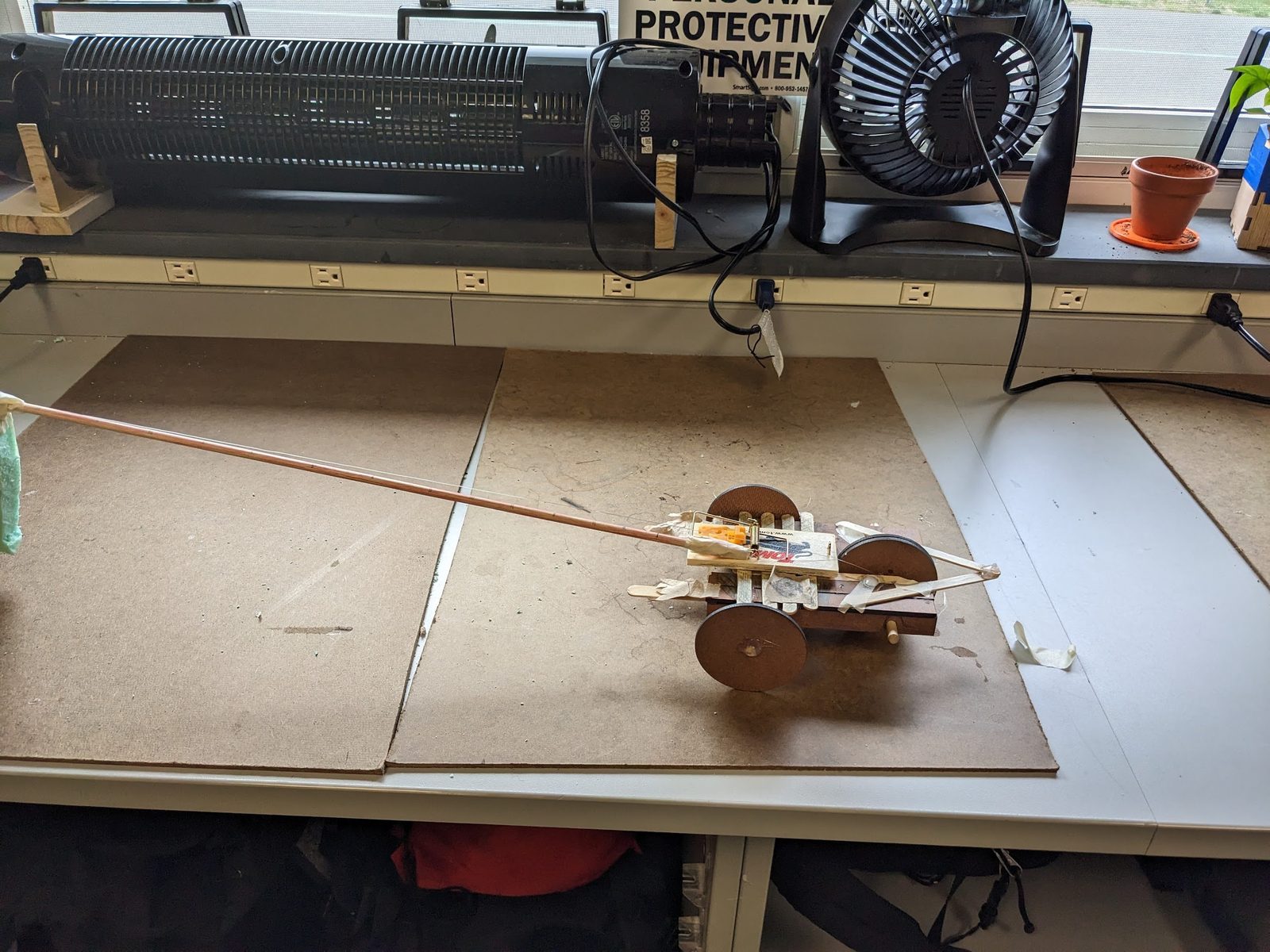
The classic mousetrap car challenge, now at Burlington. More builds and photos going up as I find them.
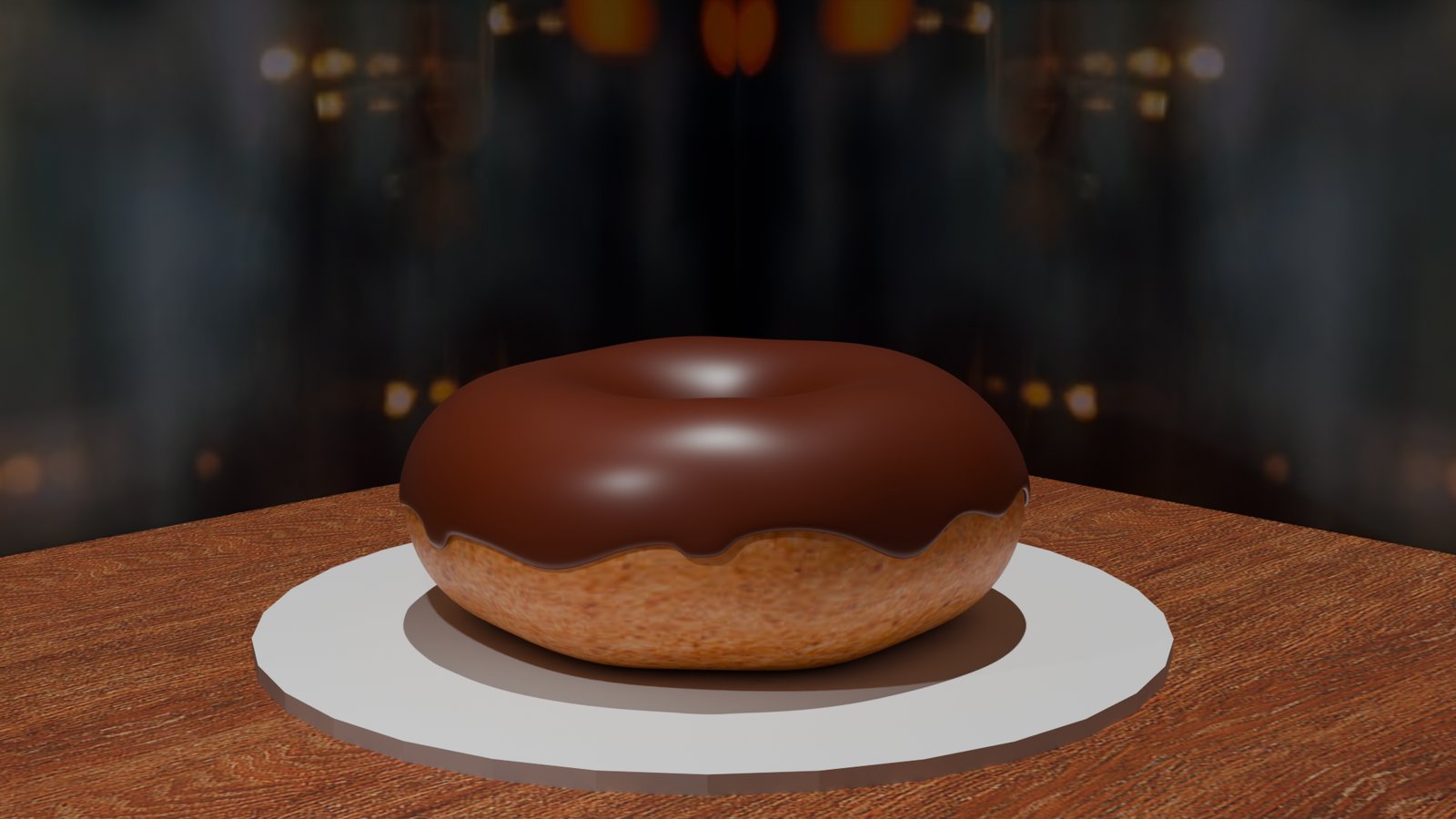
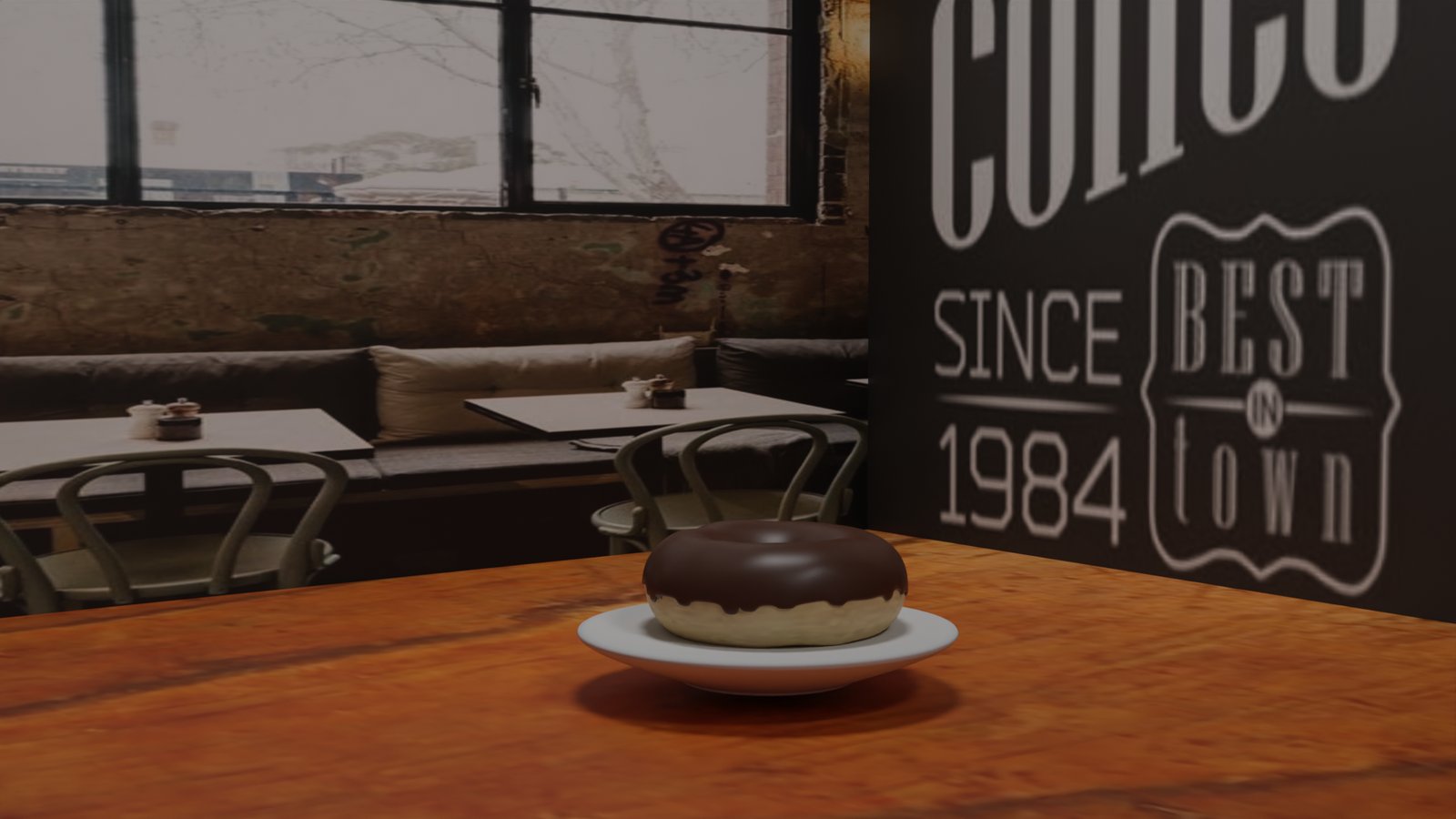
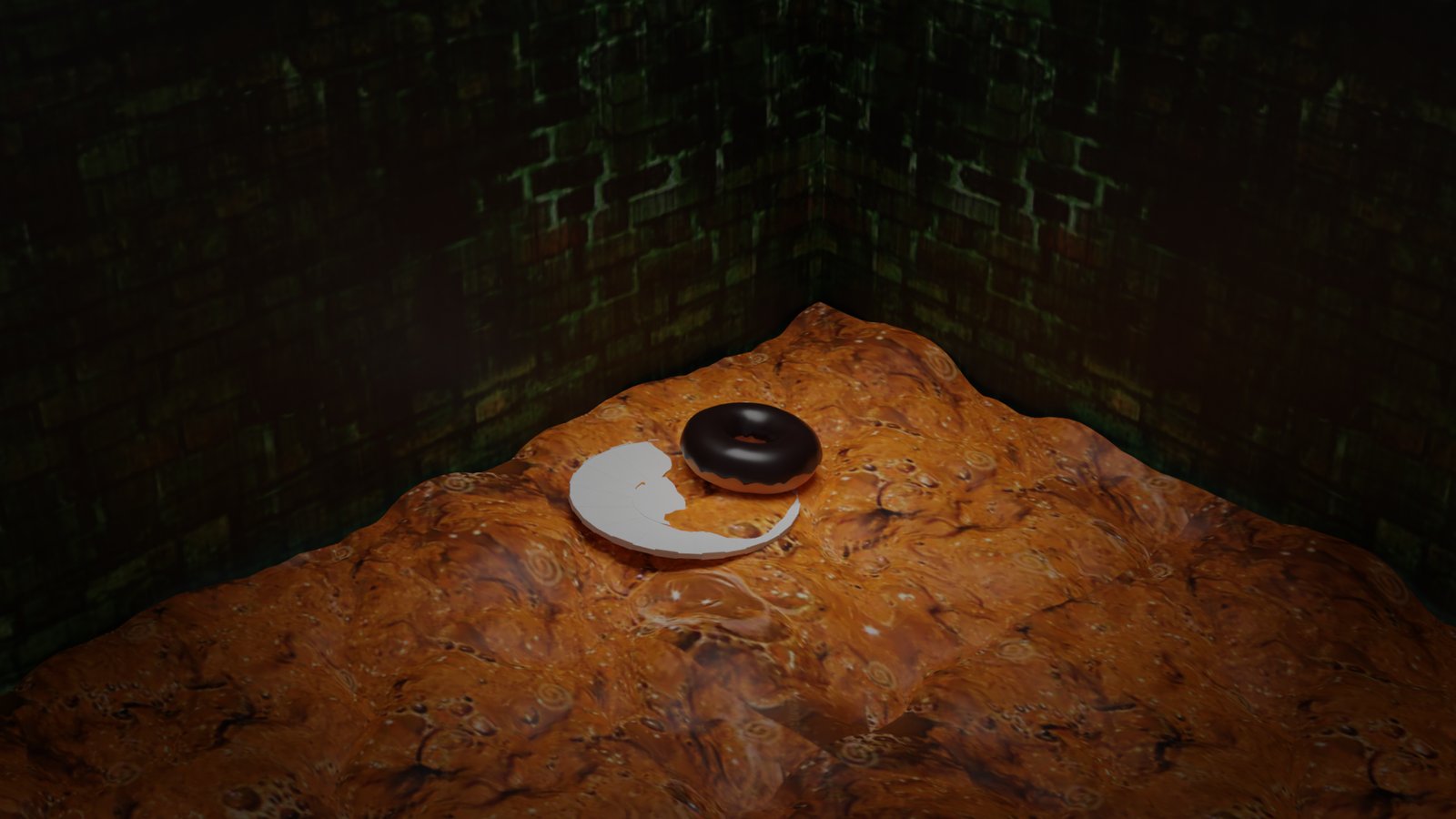
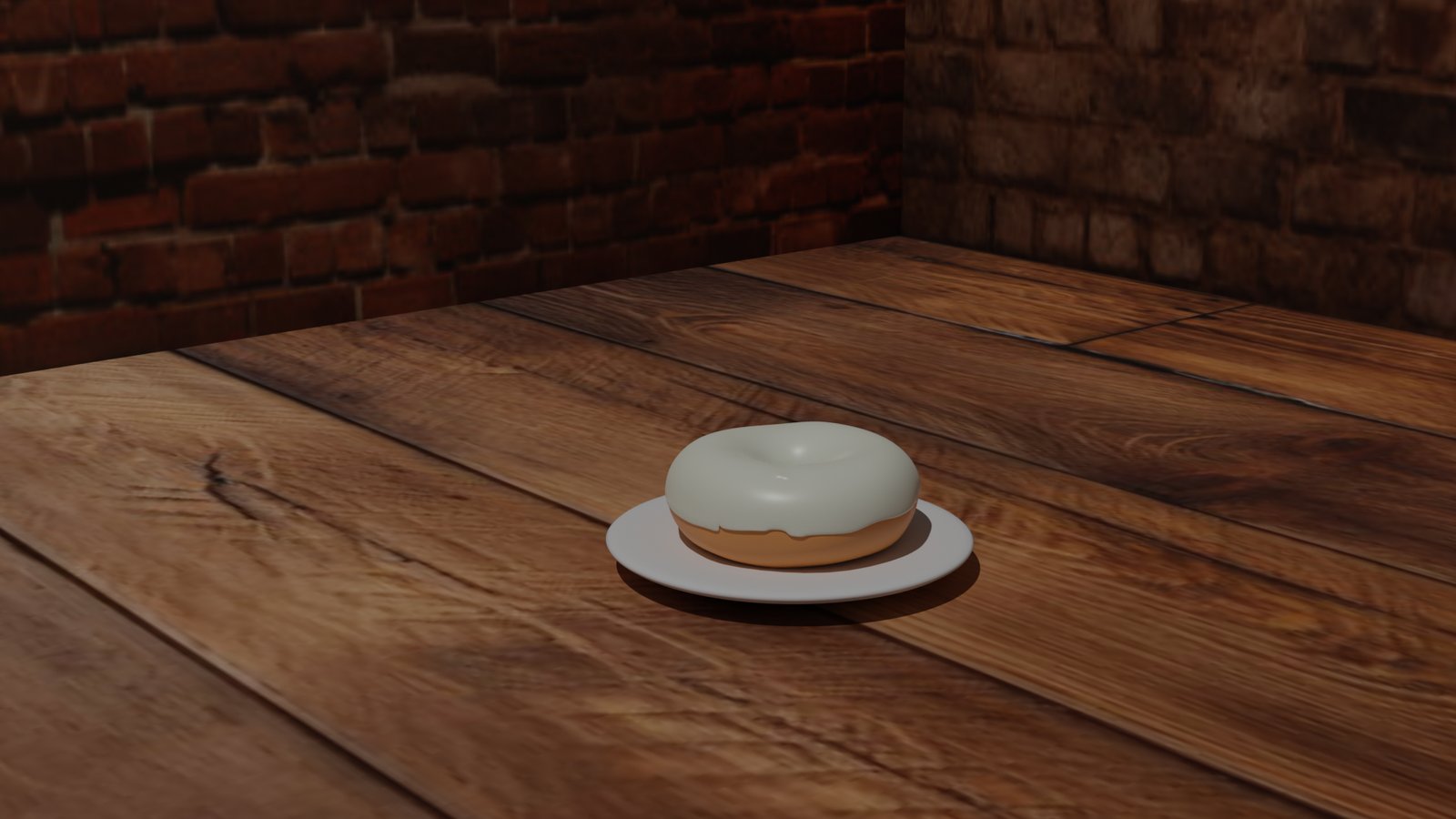
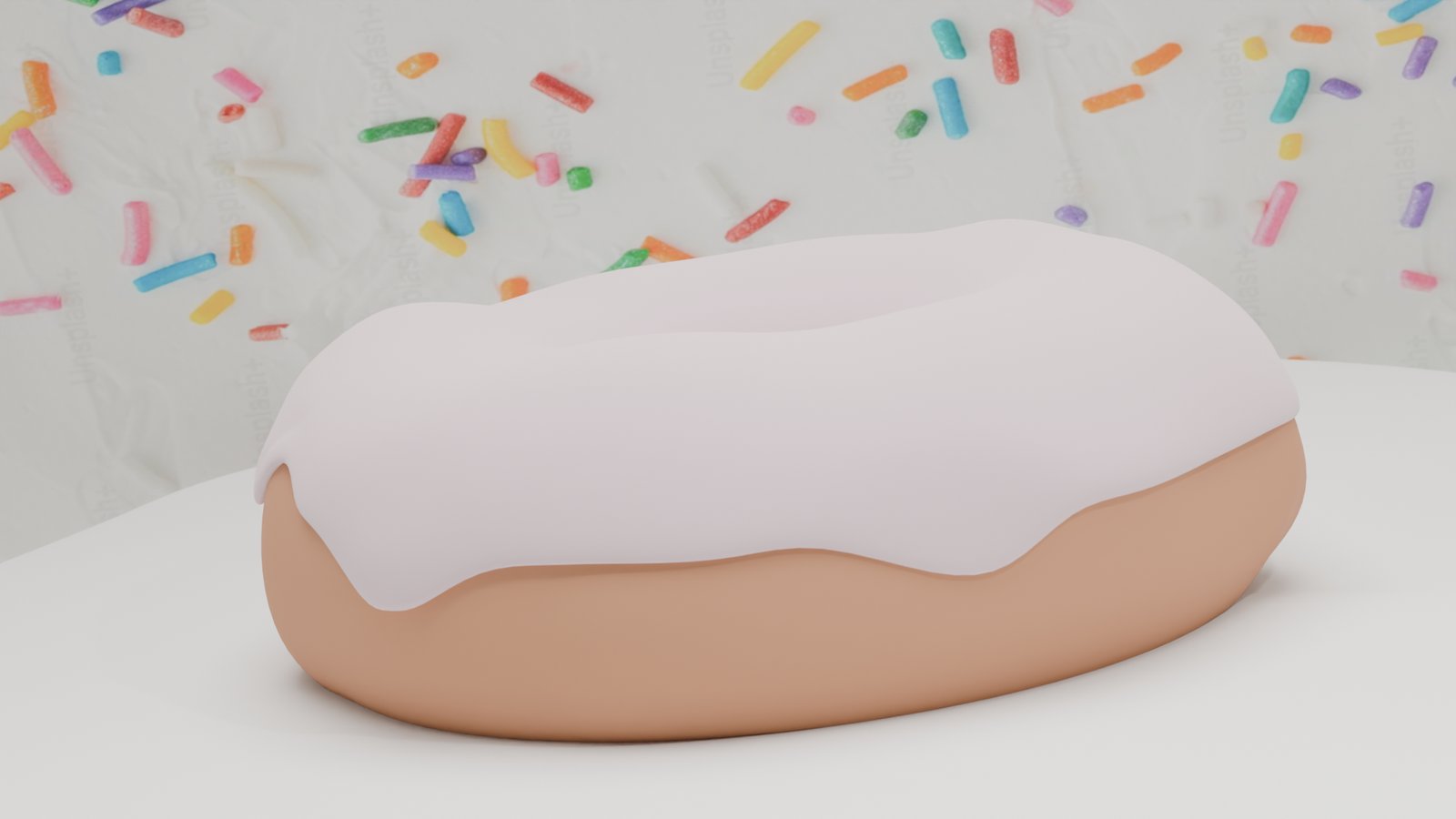
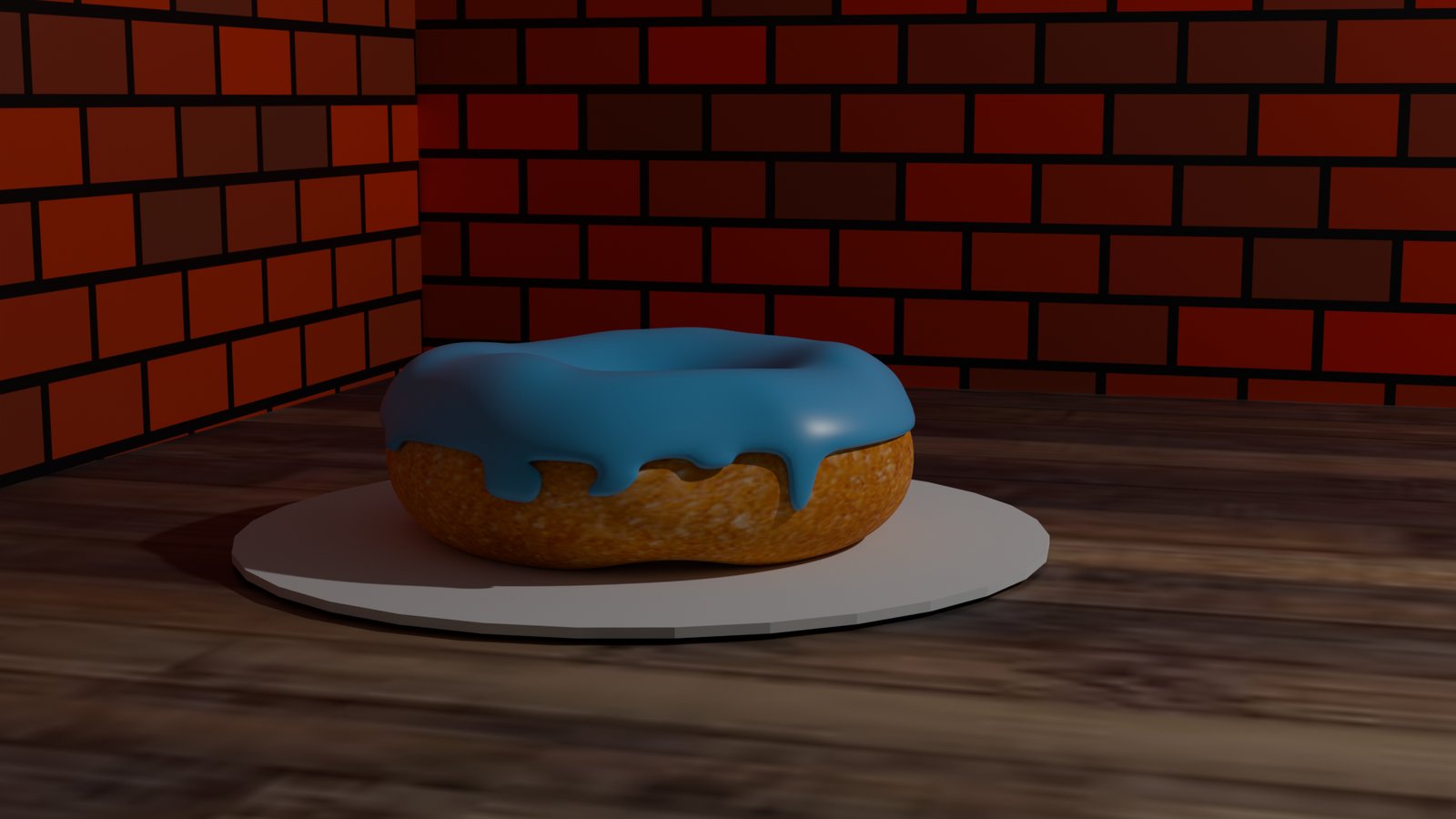
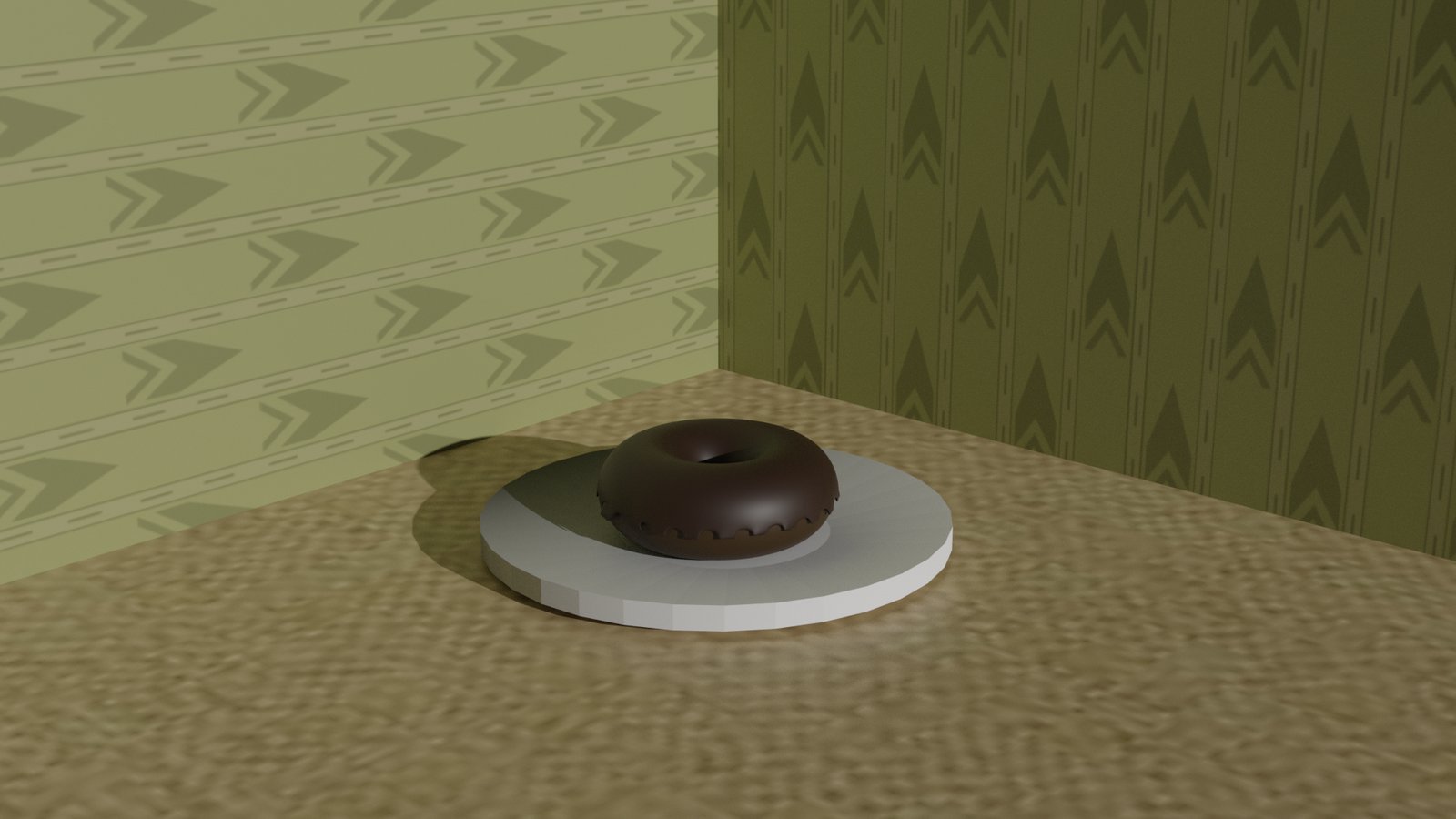
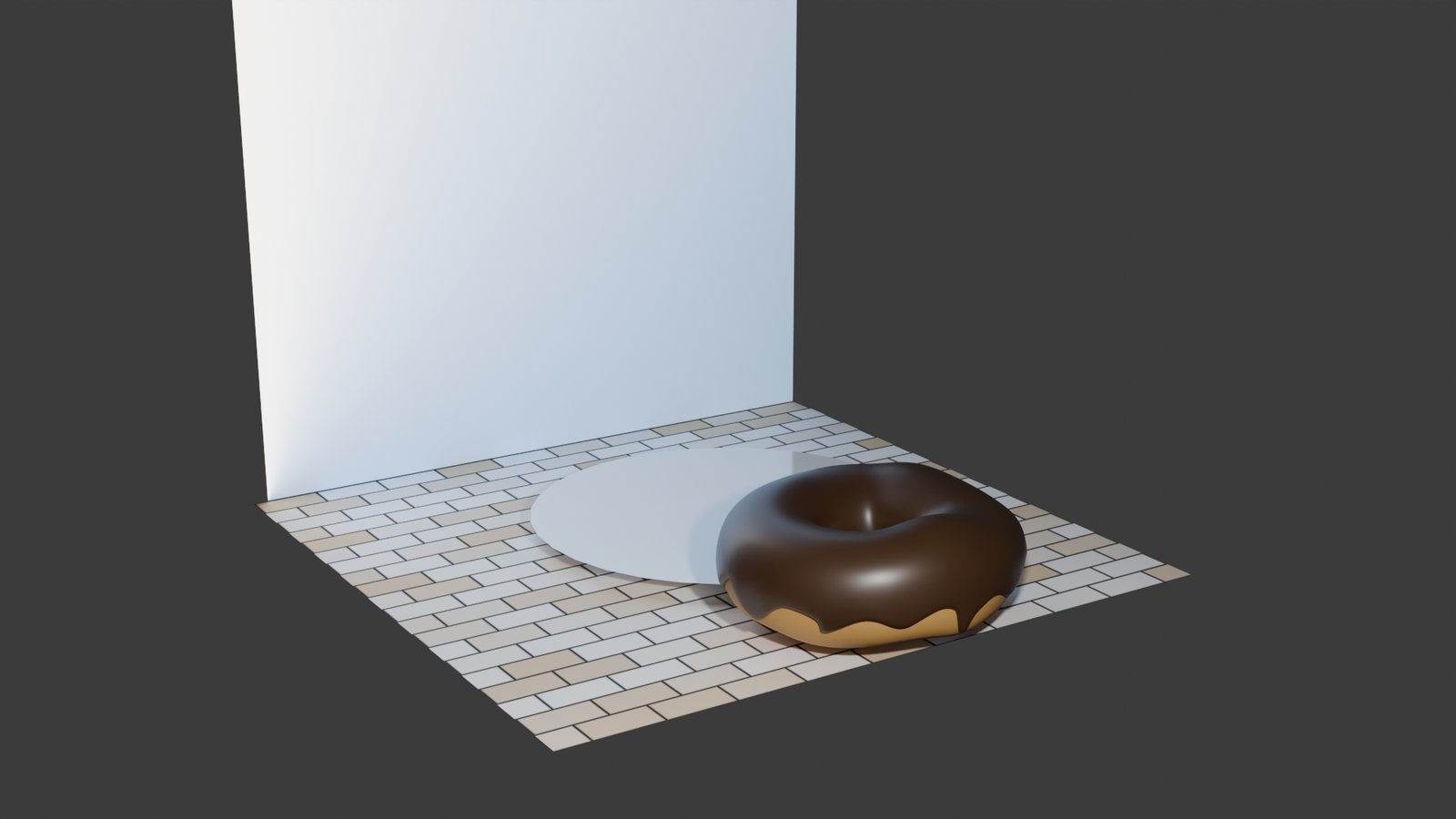
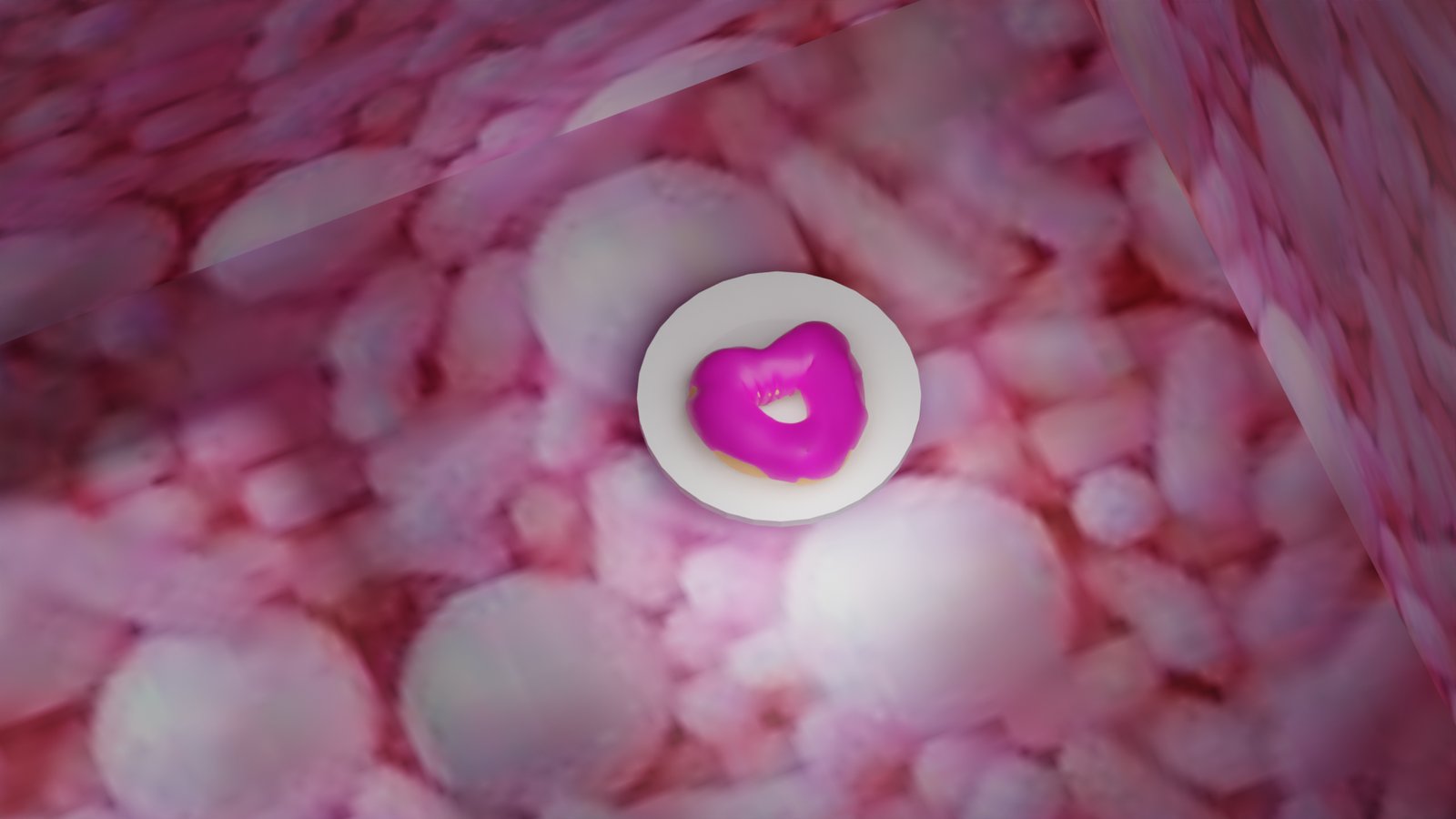
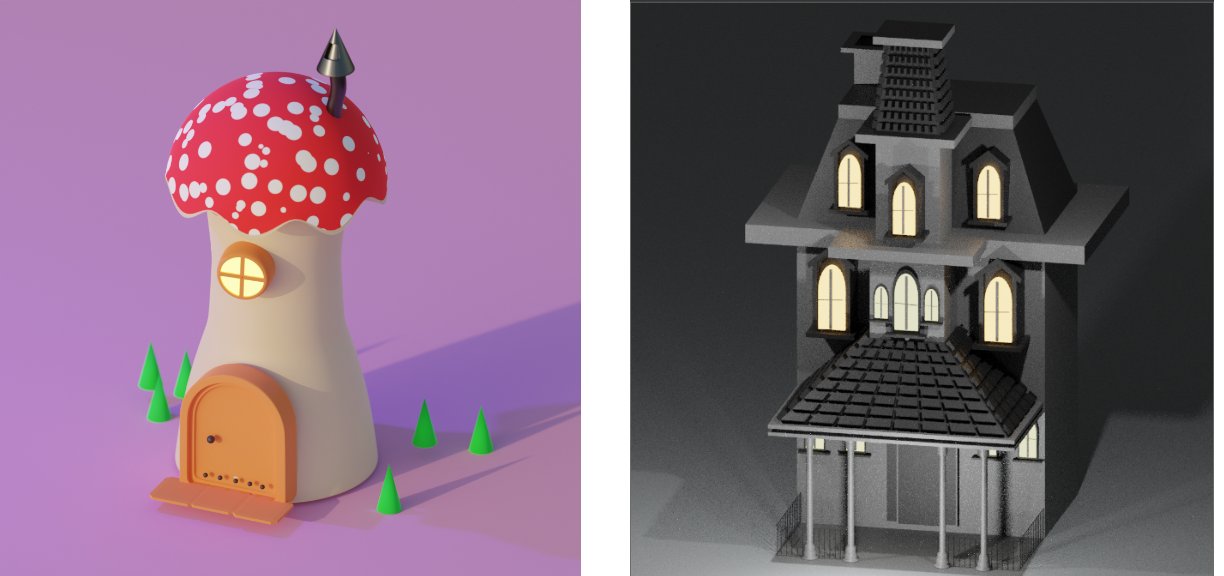
The classic "donut" project, the way I teach Blender basics: modeling, materials, lighting, and compositing into different scenes.
Short, silent, looping Blender animations from modeling, lighting, and rigid-body physics exercises.
Same open-ended challenge as New Egypt: design and build a stand to hold a phone, any way you can make it work.
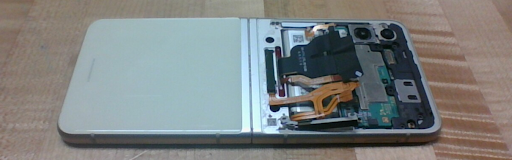
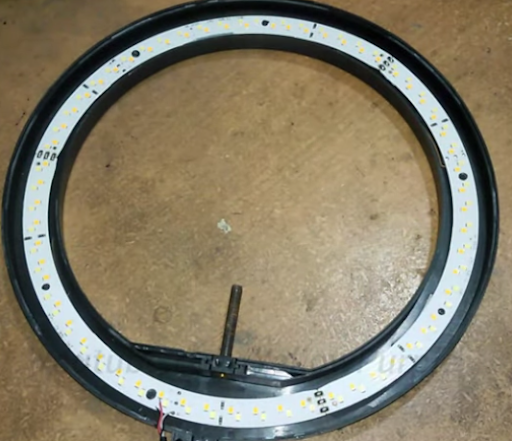
Students tore down old phones, routers, game controllers, even a ring light, to figure out how the stuff they use every day actually works before designing anything new.
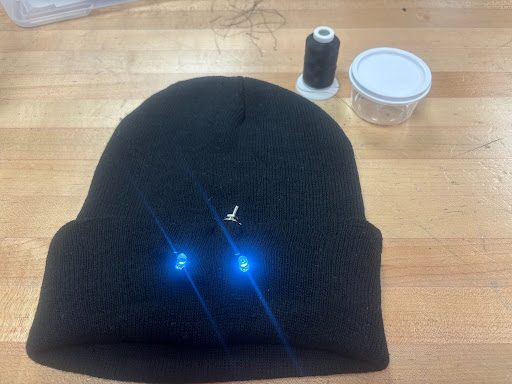
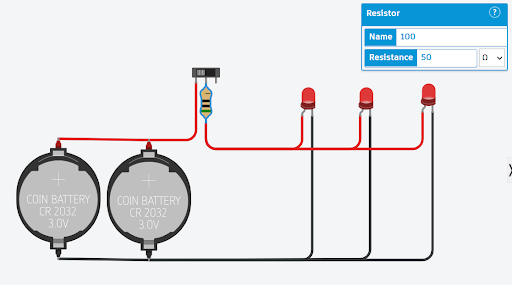
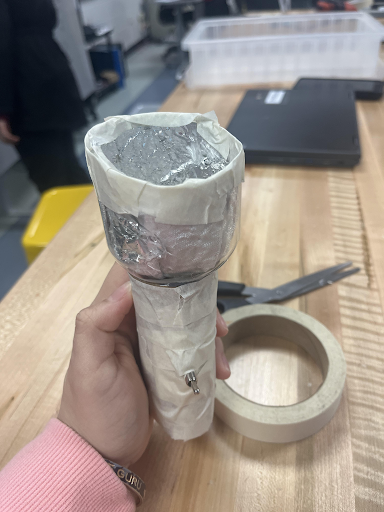
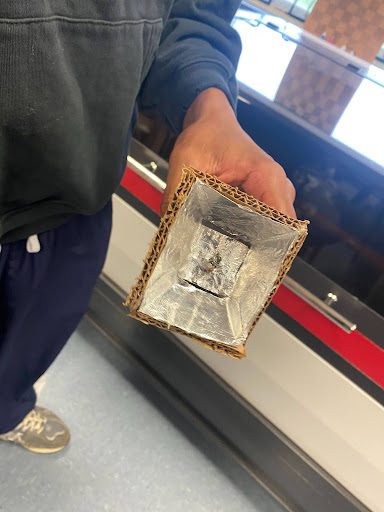
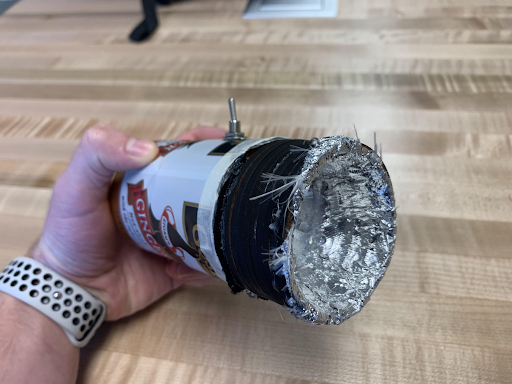
Working flashlights built from scratch. Circuit design came first, then reflectors and housings out of whatever worked: cups, cardboard, soda cans, 3D prints, even a beanie.
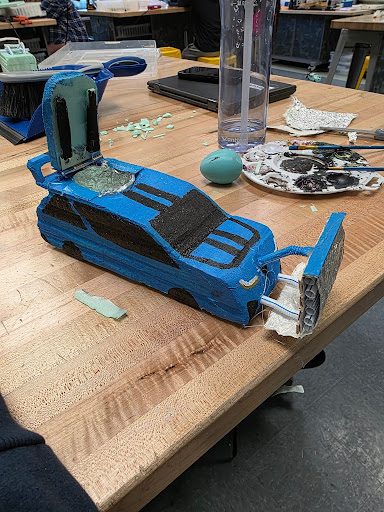
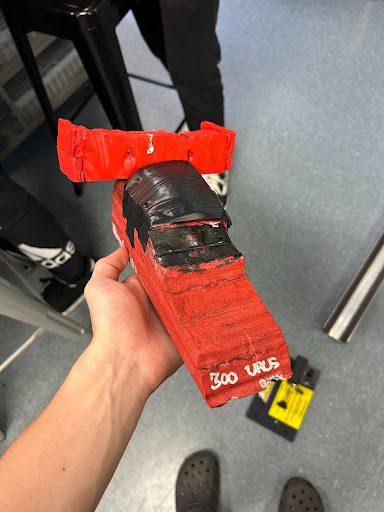
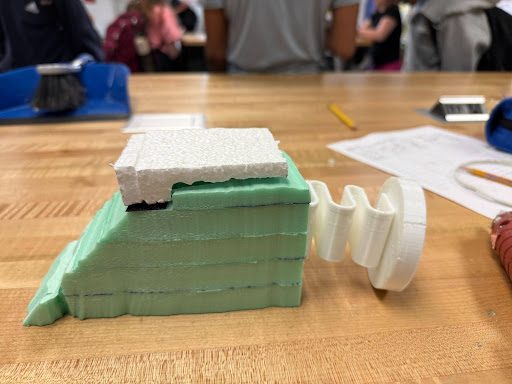
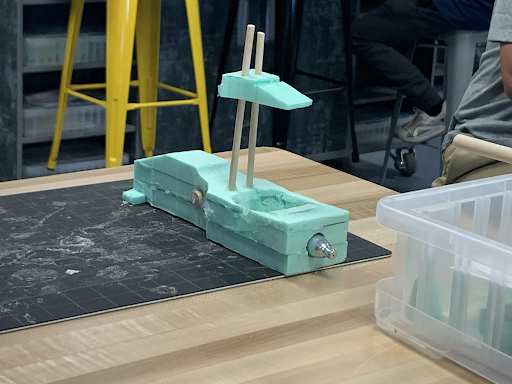
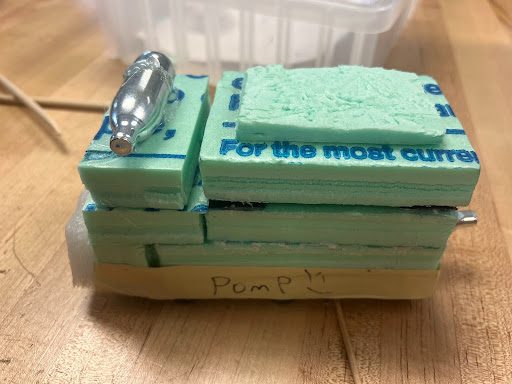
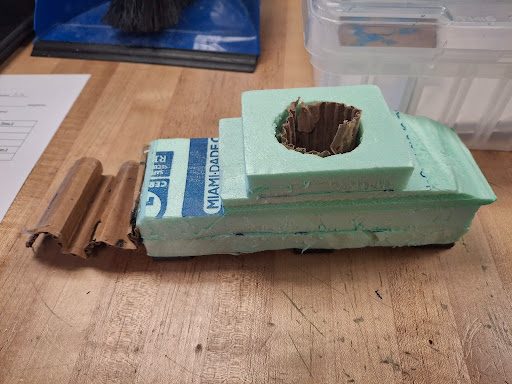
CO2-powered foam cars, shaped, painted, and armed with an actual CO2 cartridge for propulsion. Some were built for speed, some just for style.
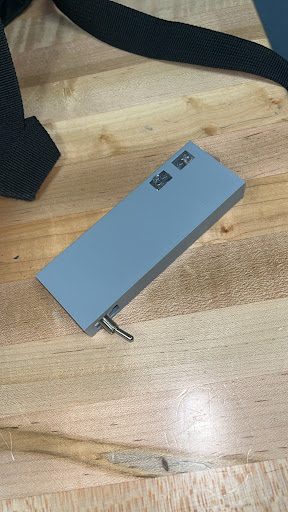
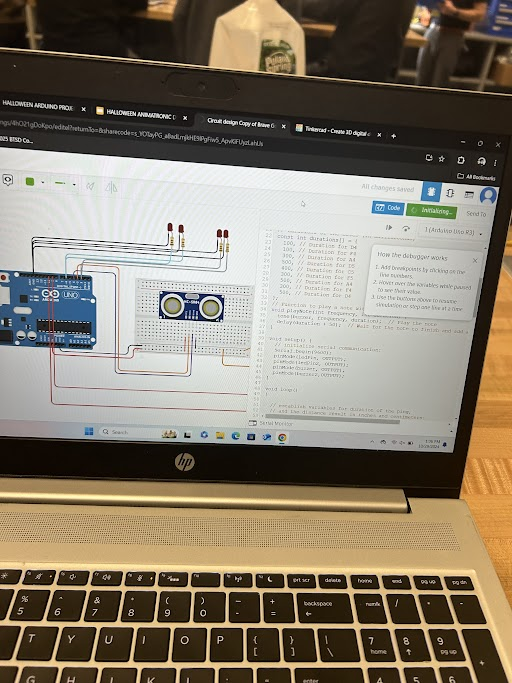
Halloween animatronic props built with Arduino, servos, and ultrasonic sensors. Motion-triggered scares housed in laser-cut boxes and whatever costume pieces sold the effect.
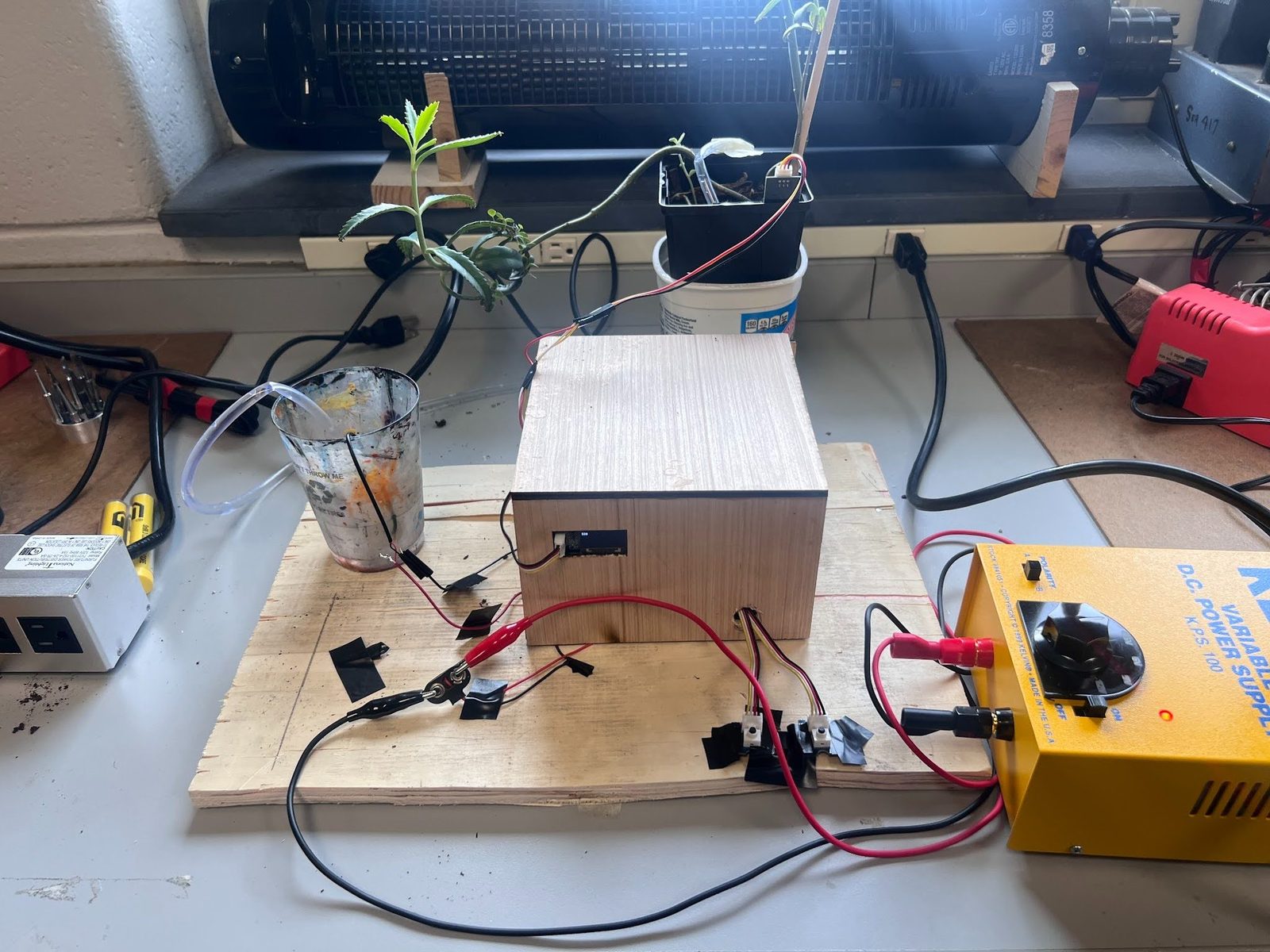
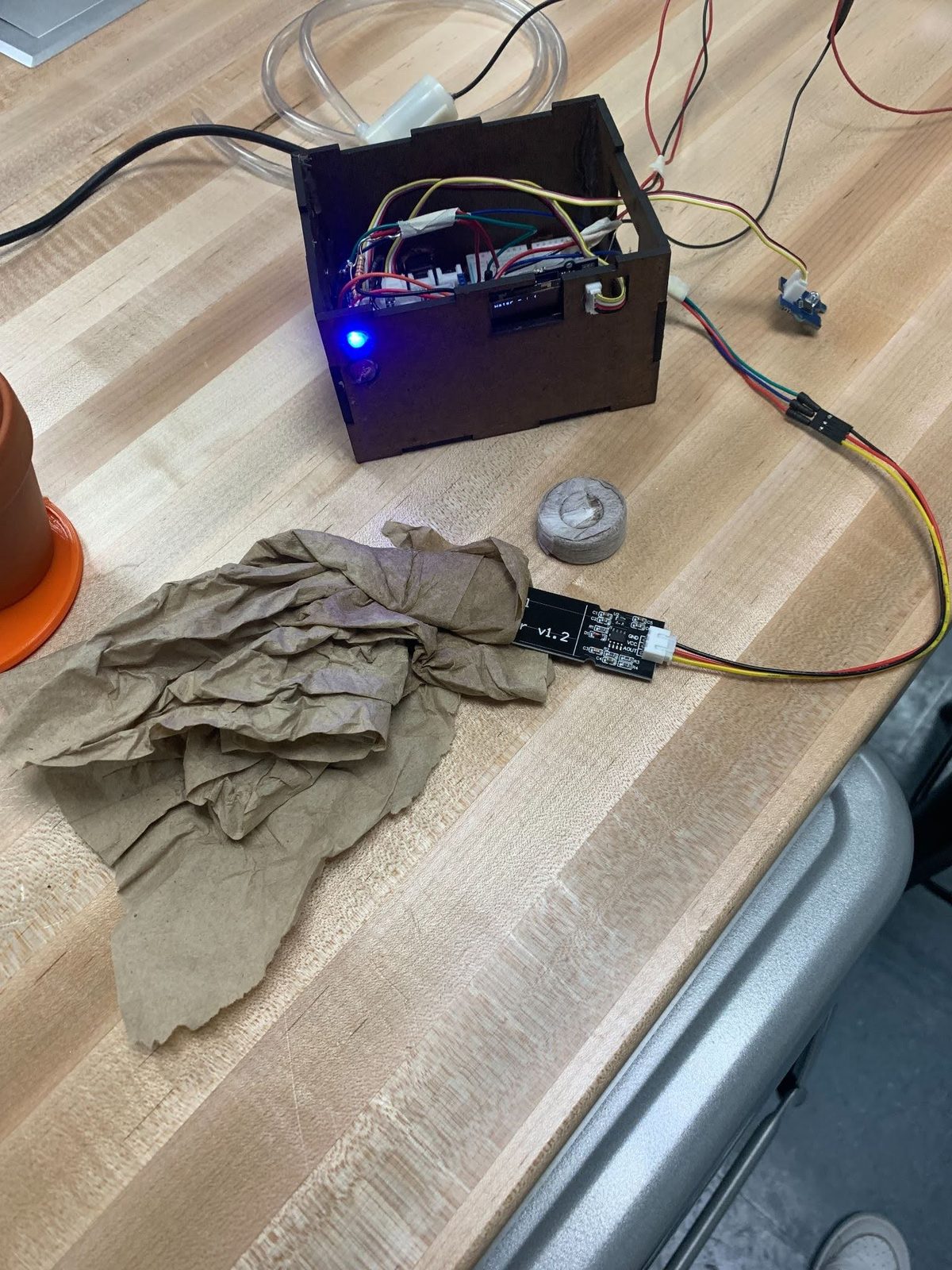
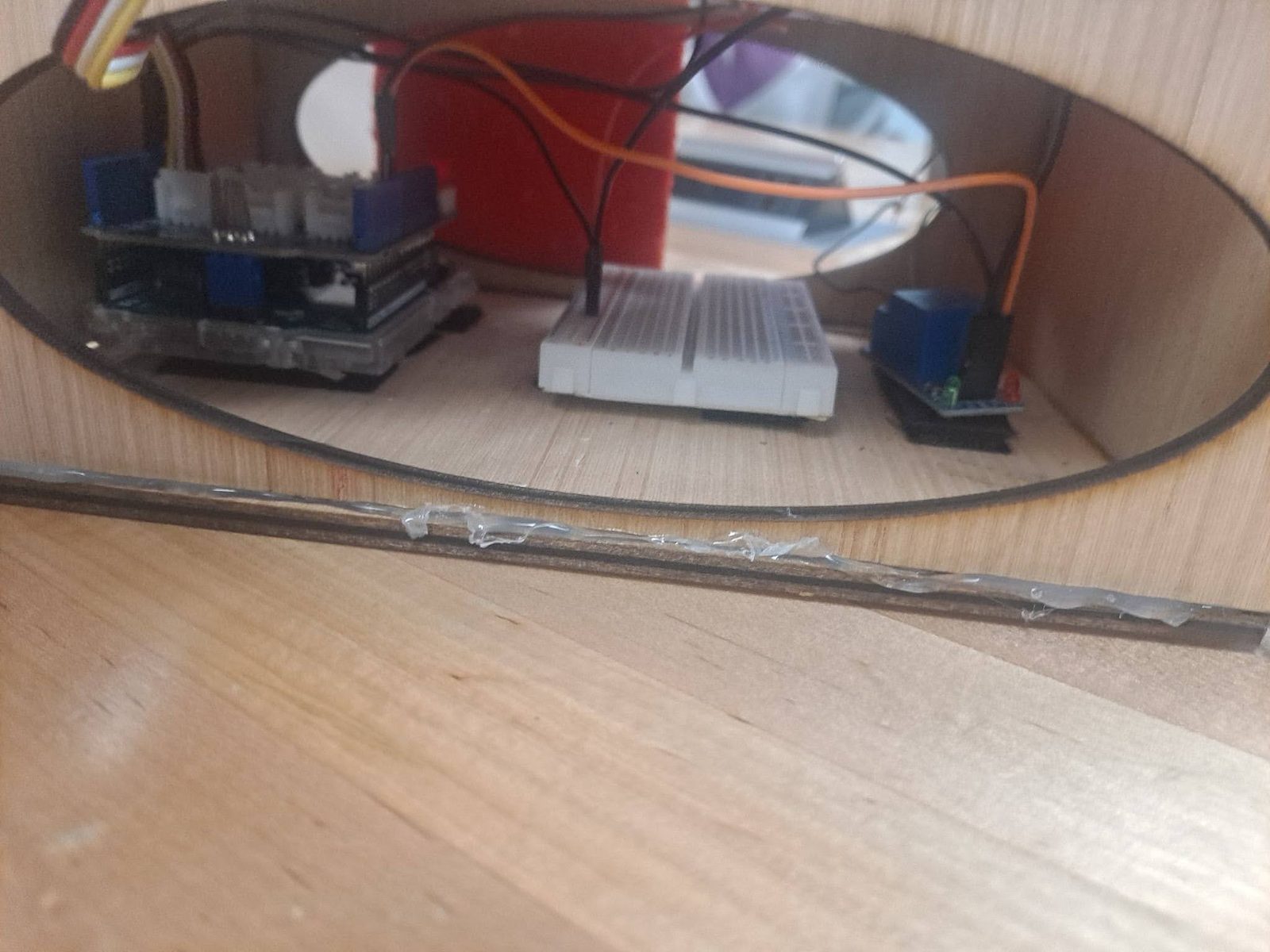
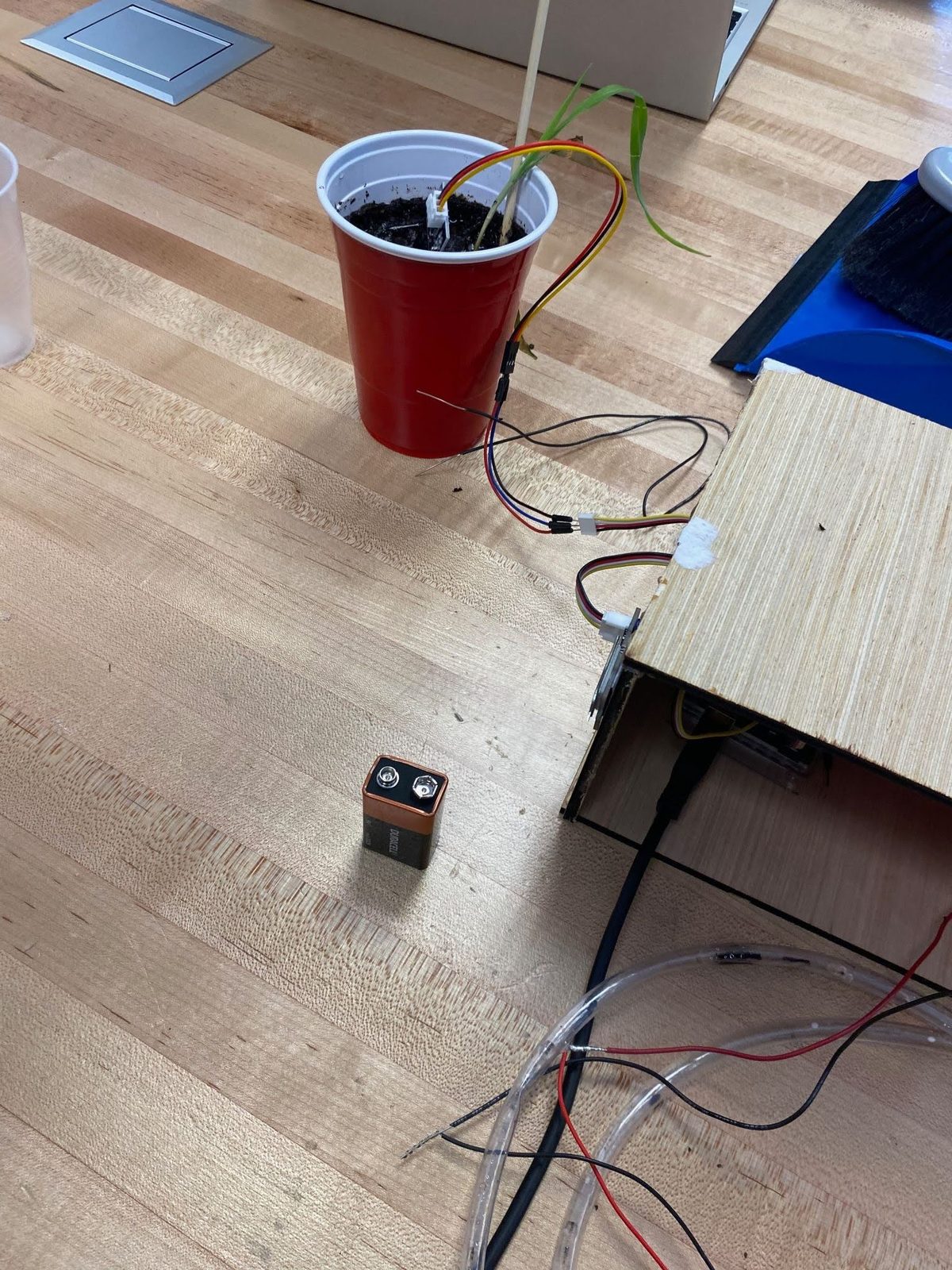
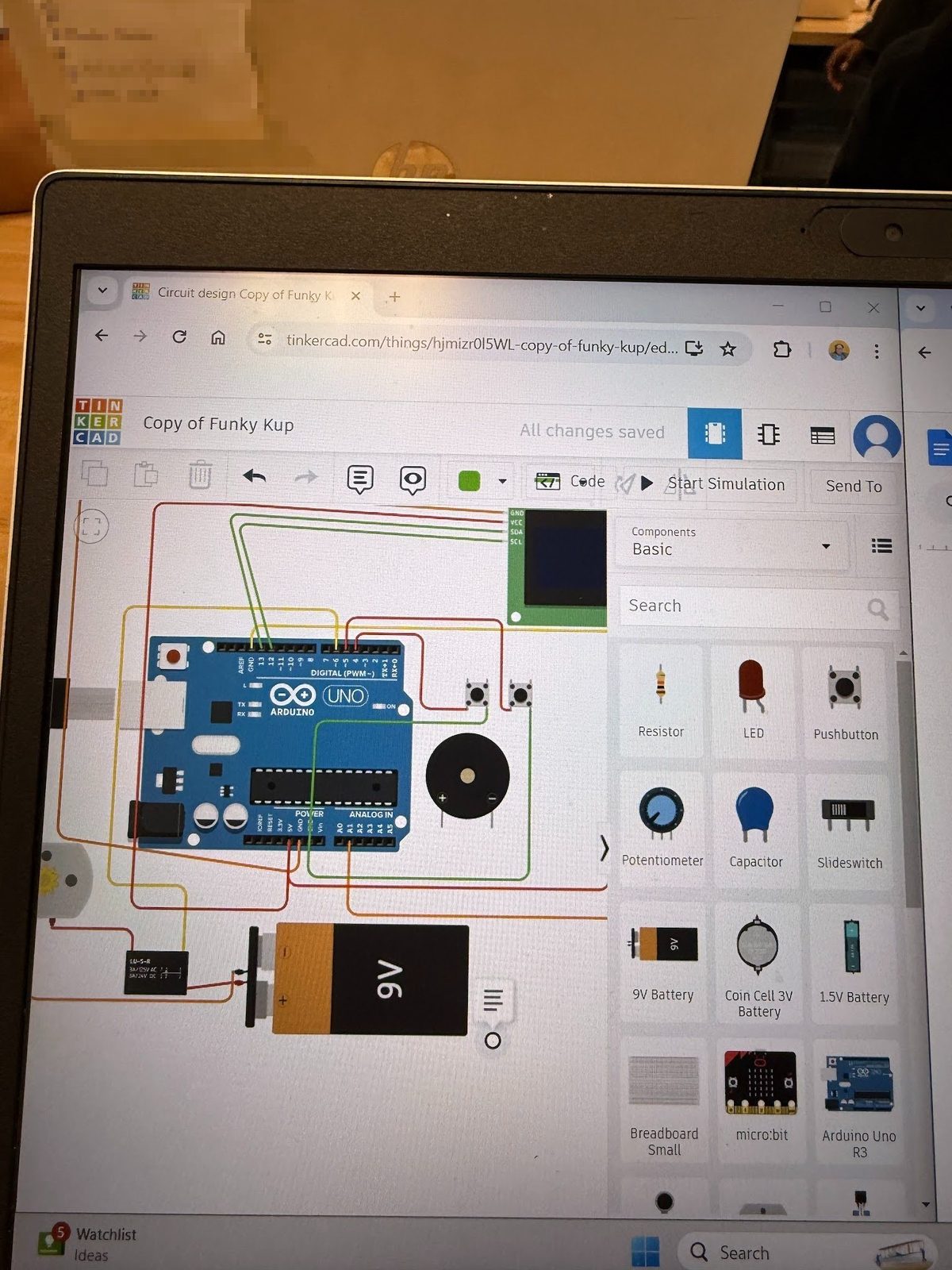
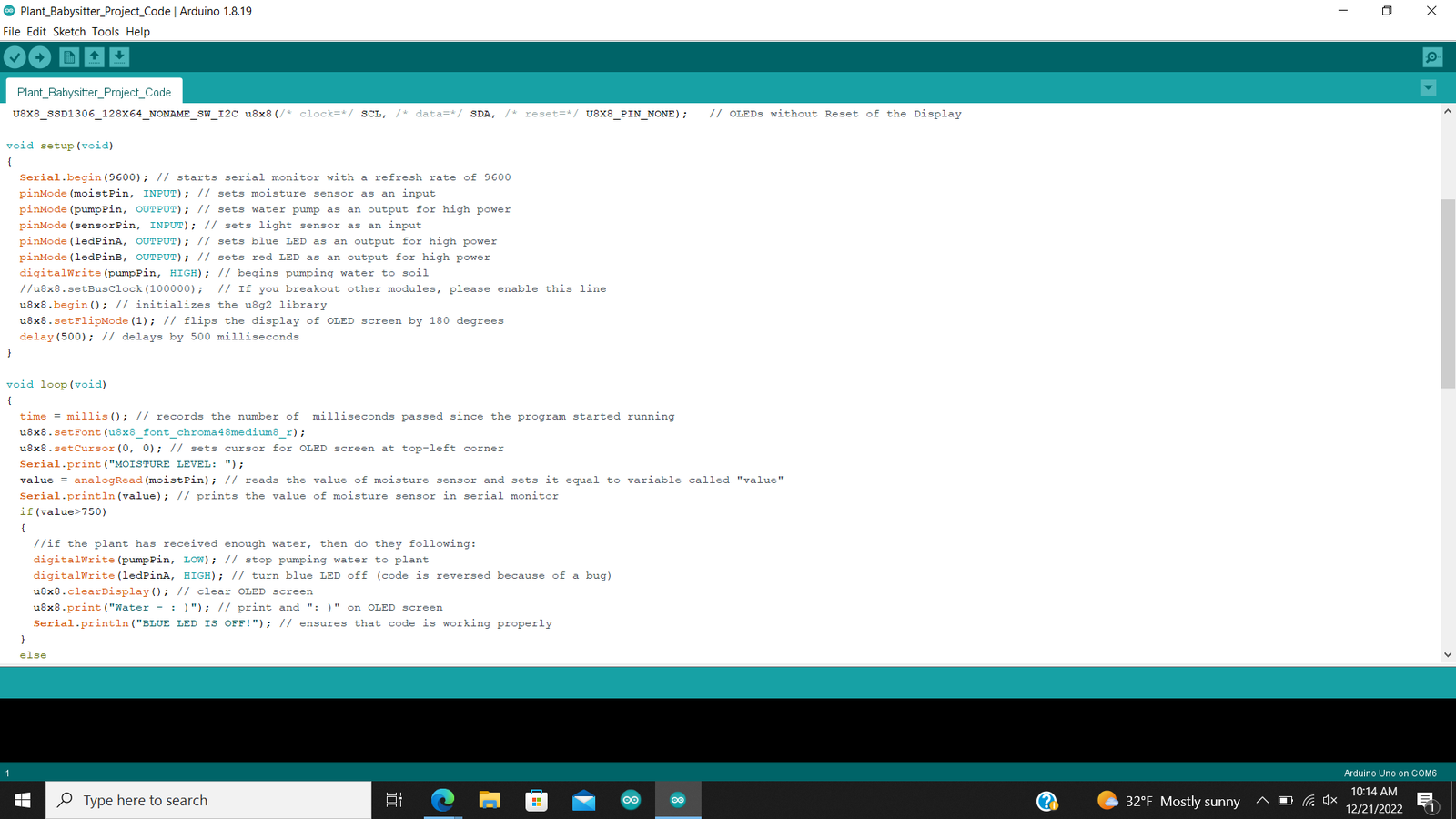
"Plant babysitters": Arduino-driven moisture sensors that trigger a pump to water plants automatically, housed in laser-cut boxes with an OLED readout and a hand-painted finish.
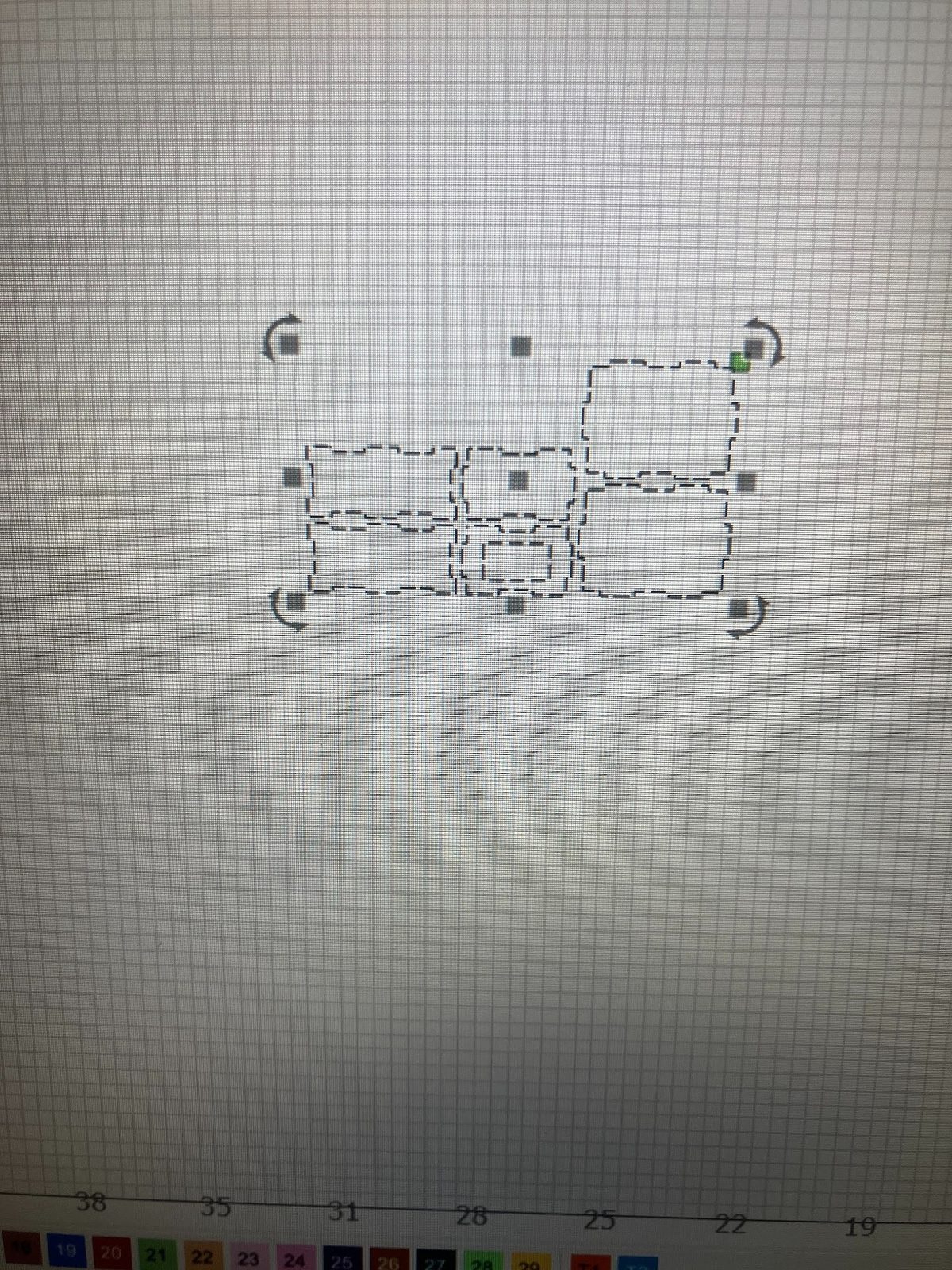
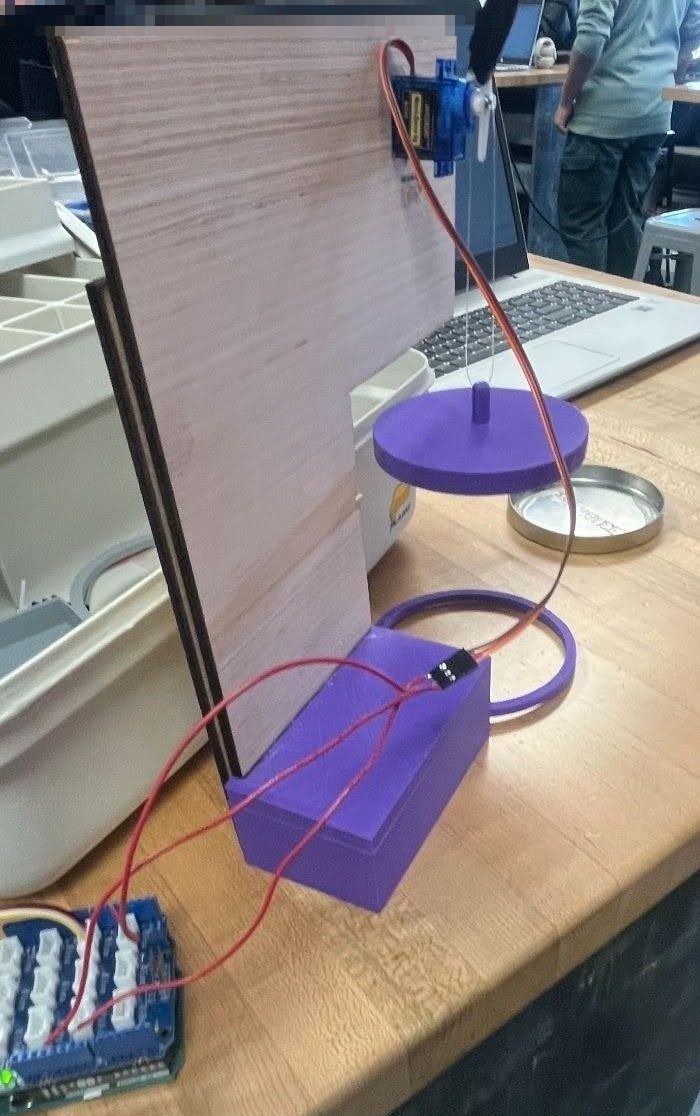
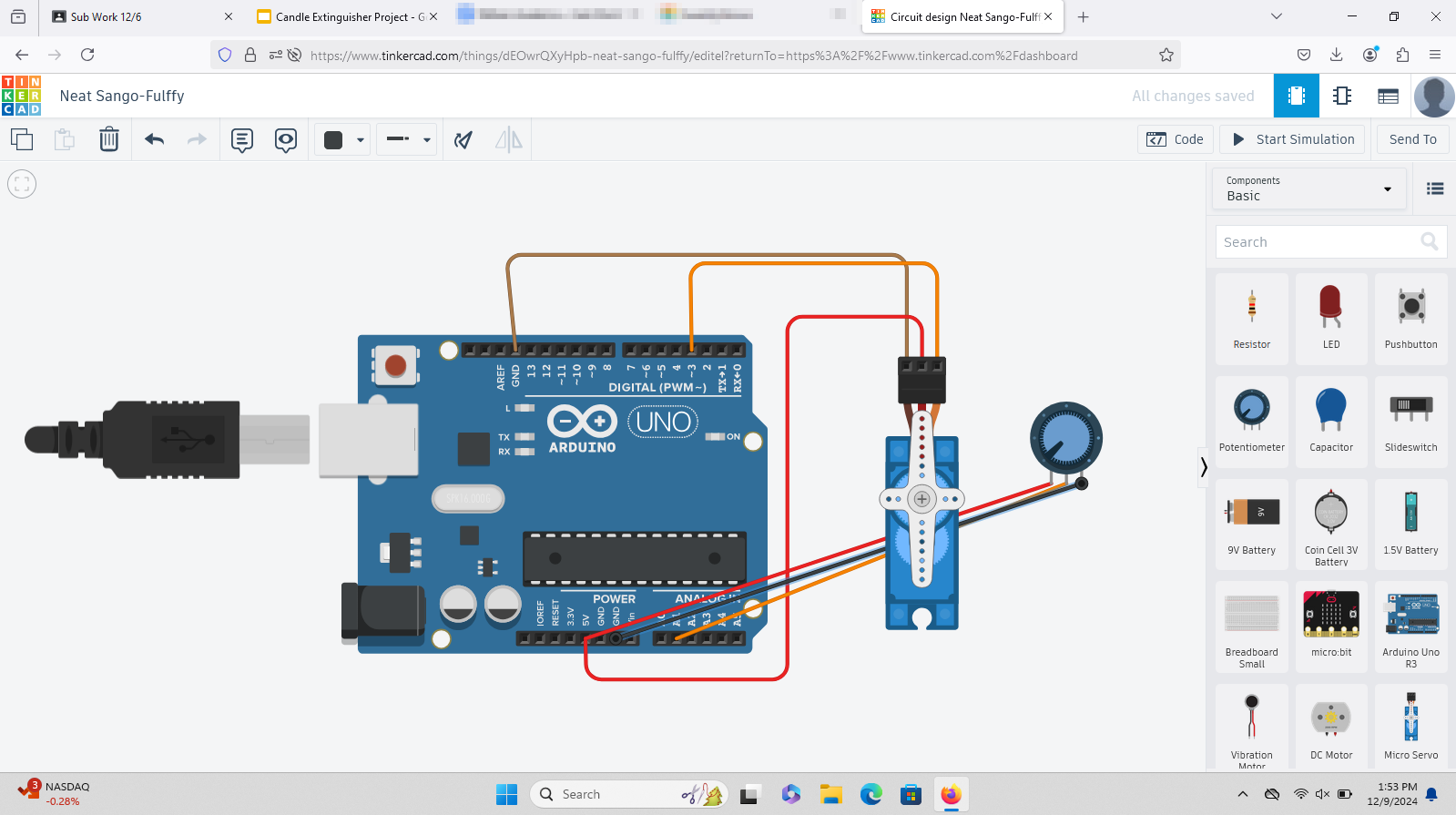
Servo-powered candle snuffers: a swinging arm on a timer or trigger drops a cap over the flame. Designed in TinkerCad and built from laser-cut wood.
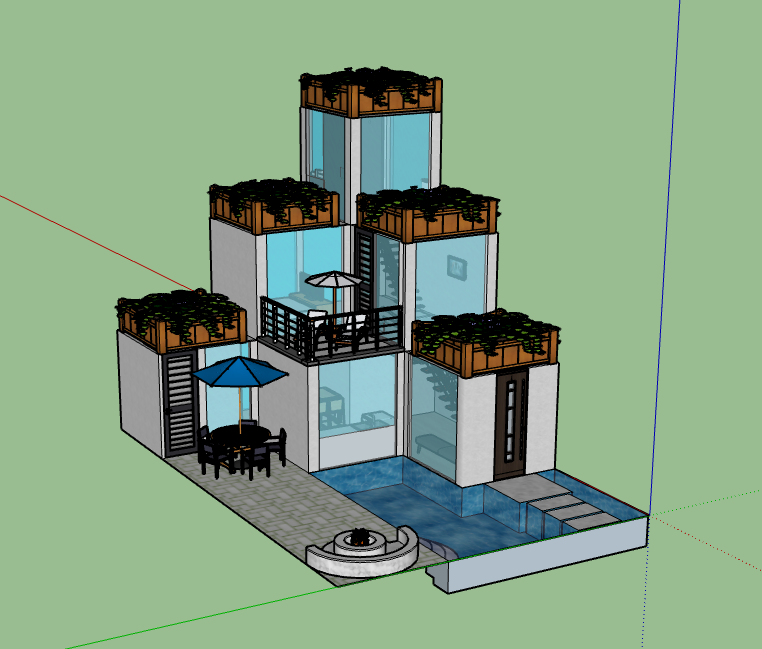
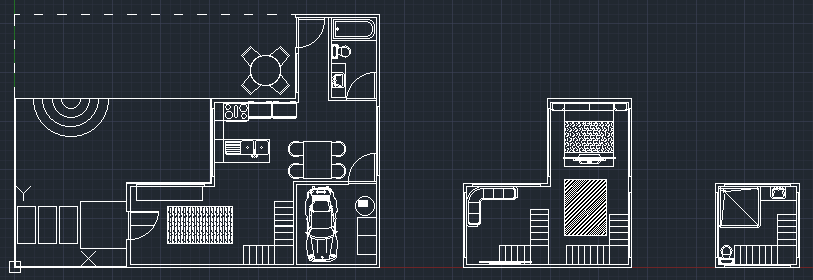
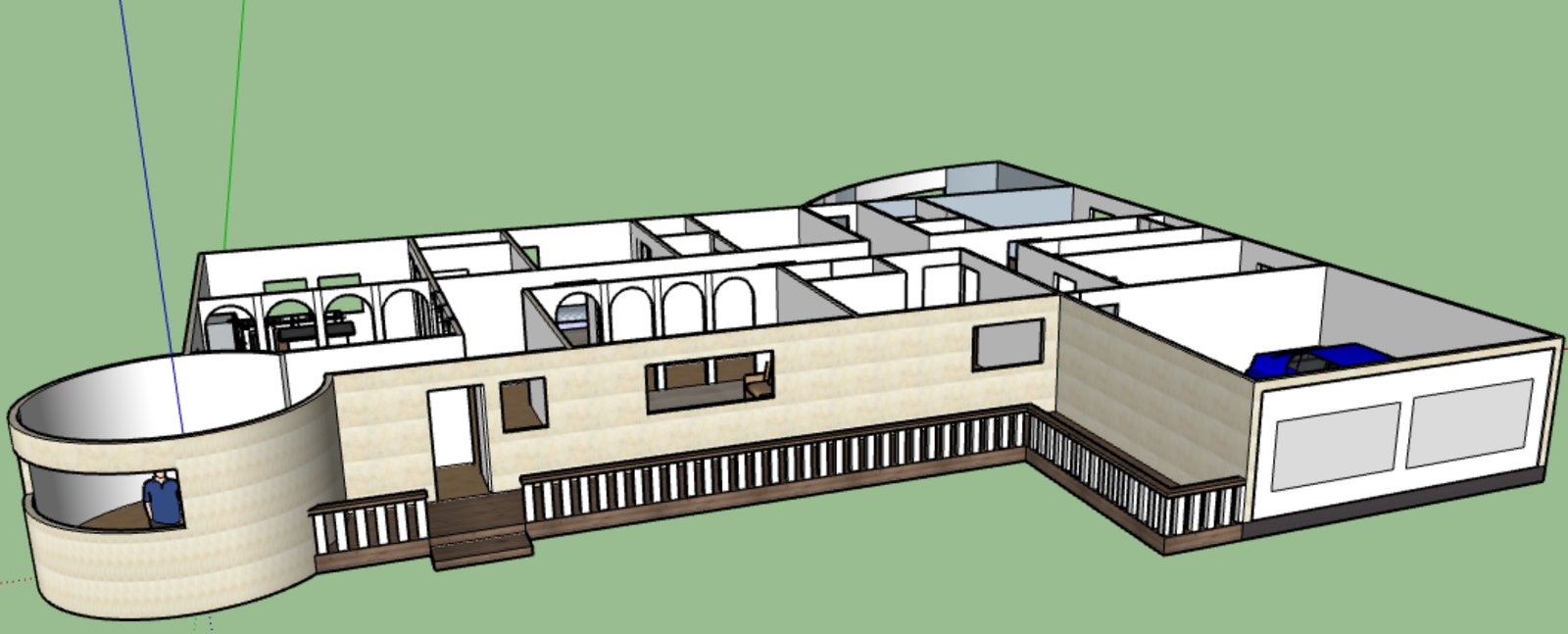
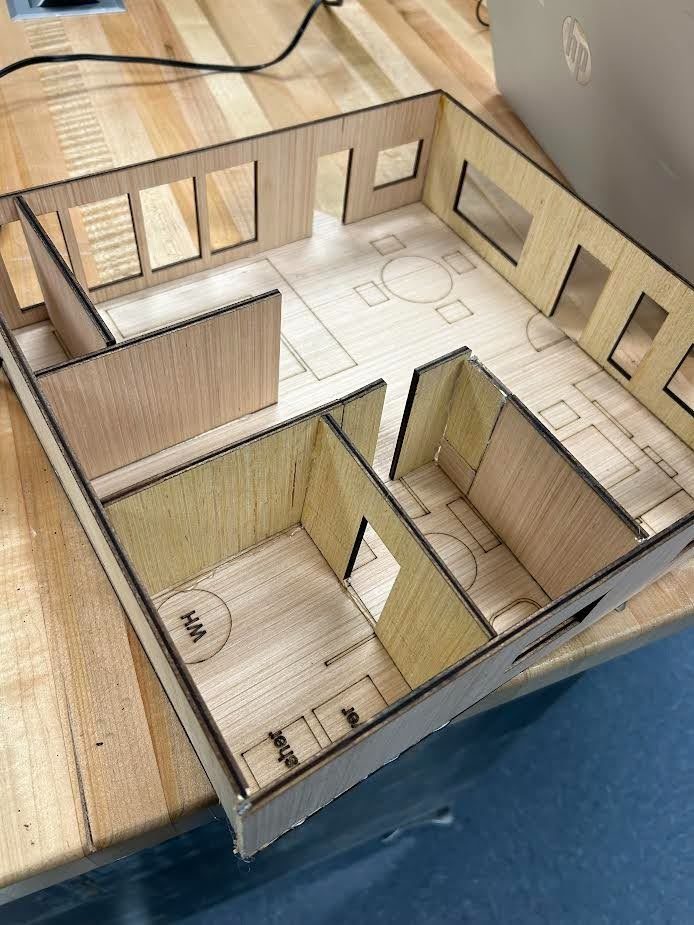
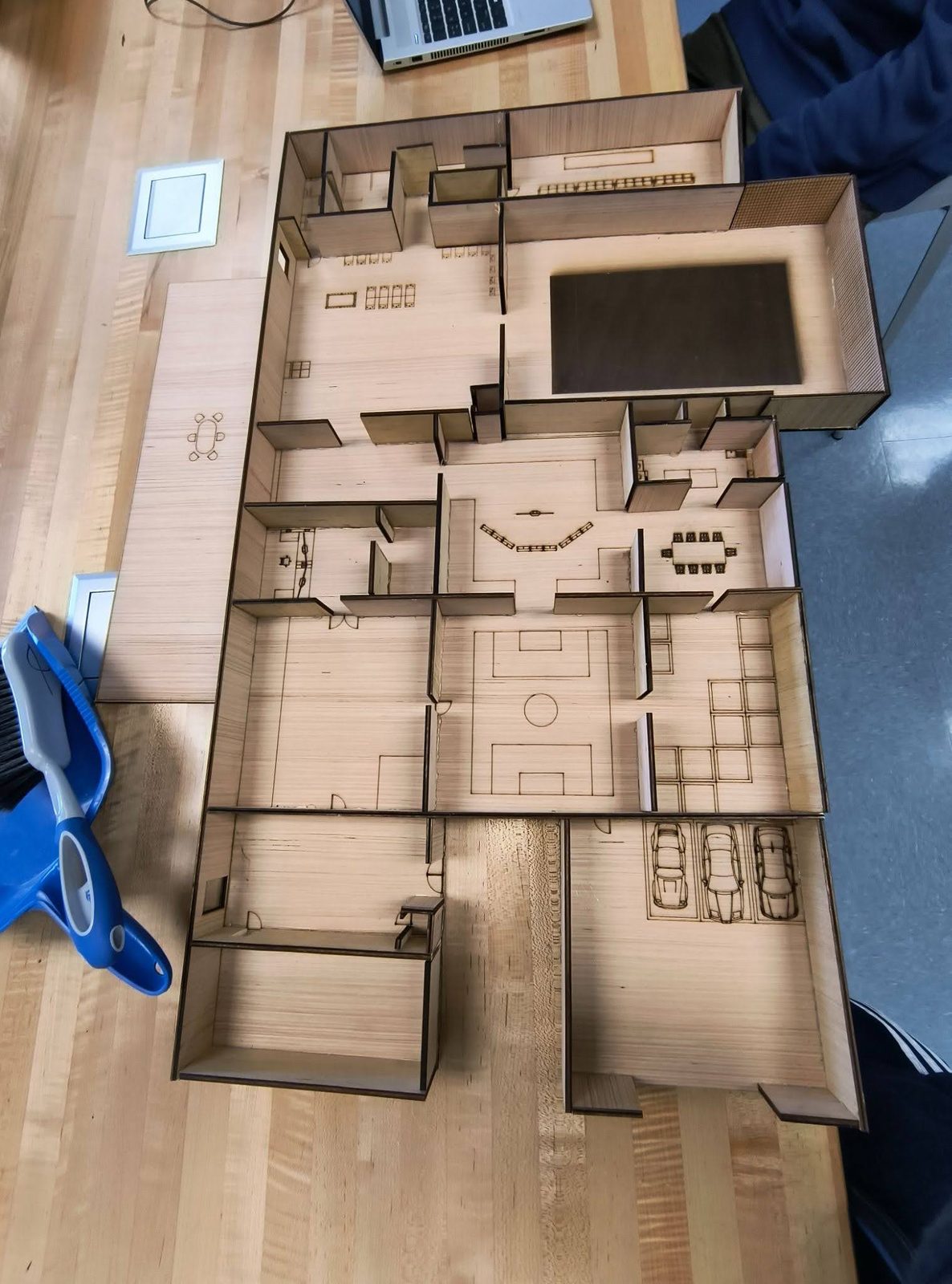
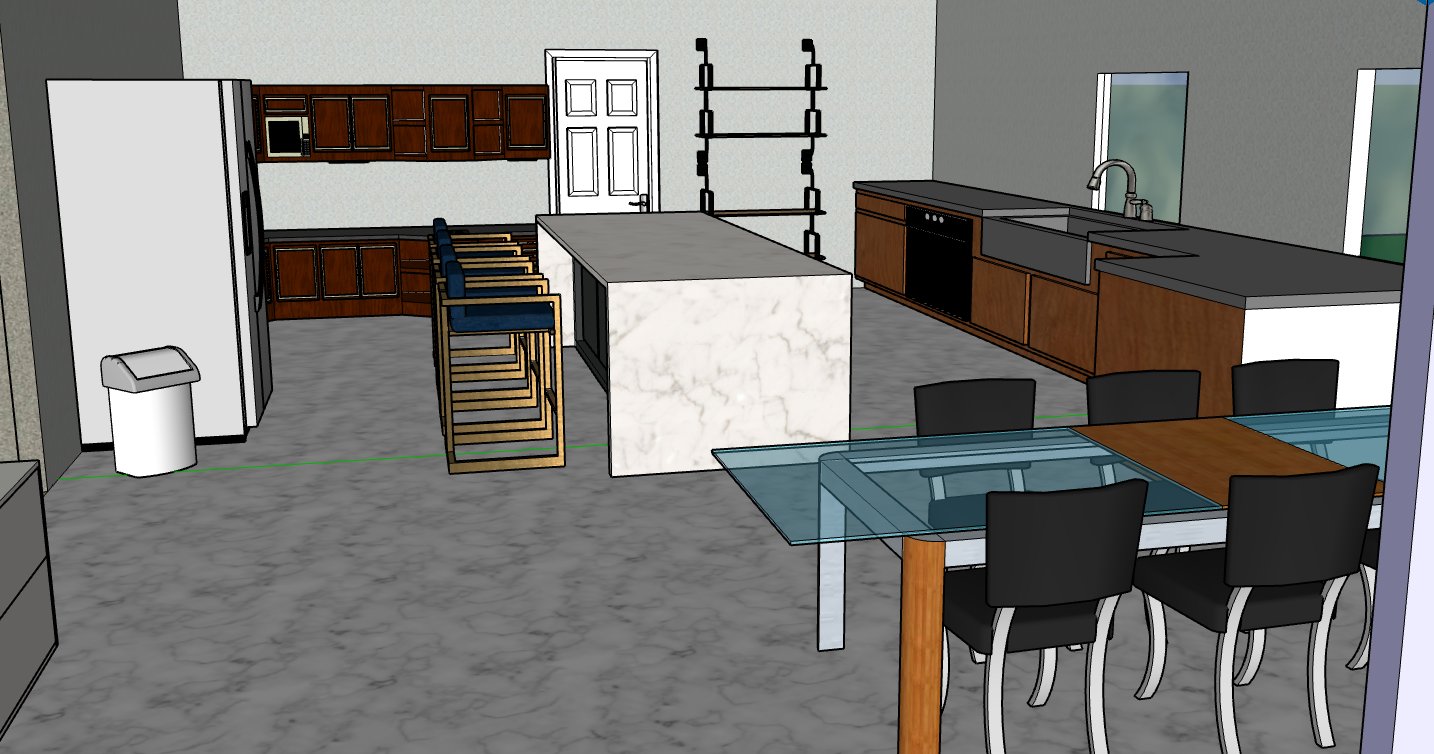
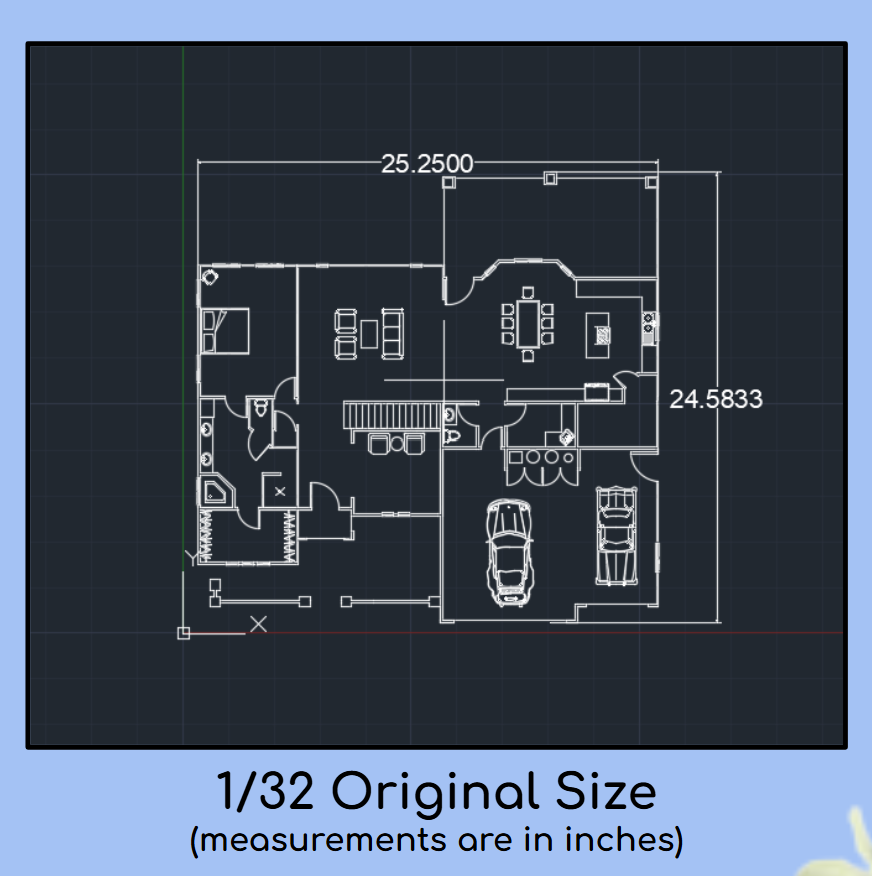
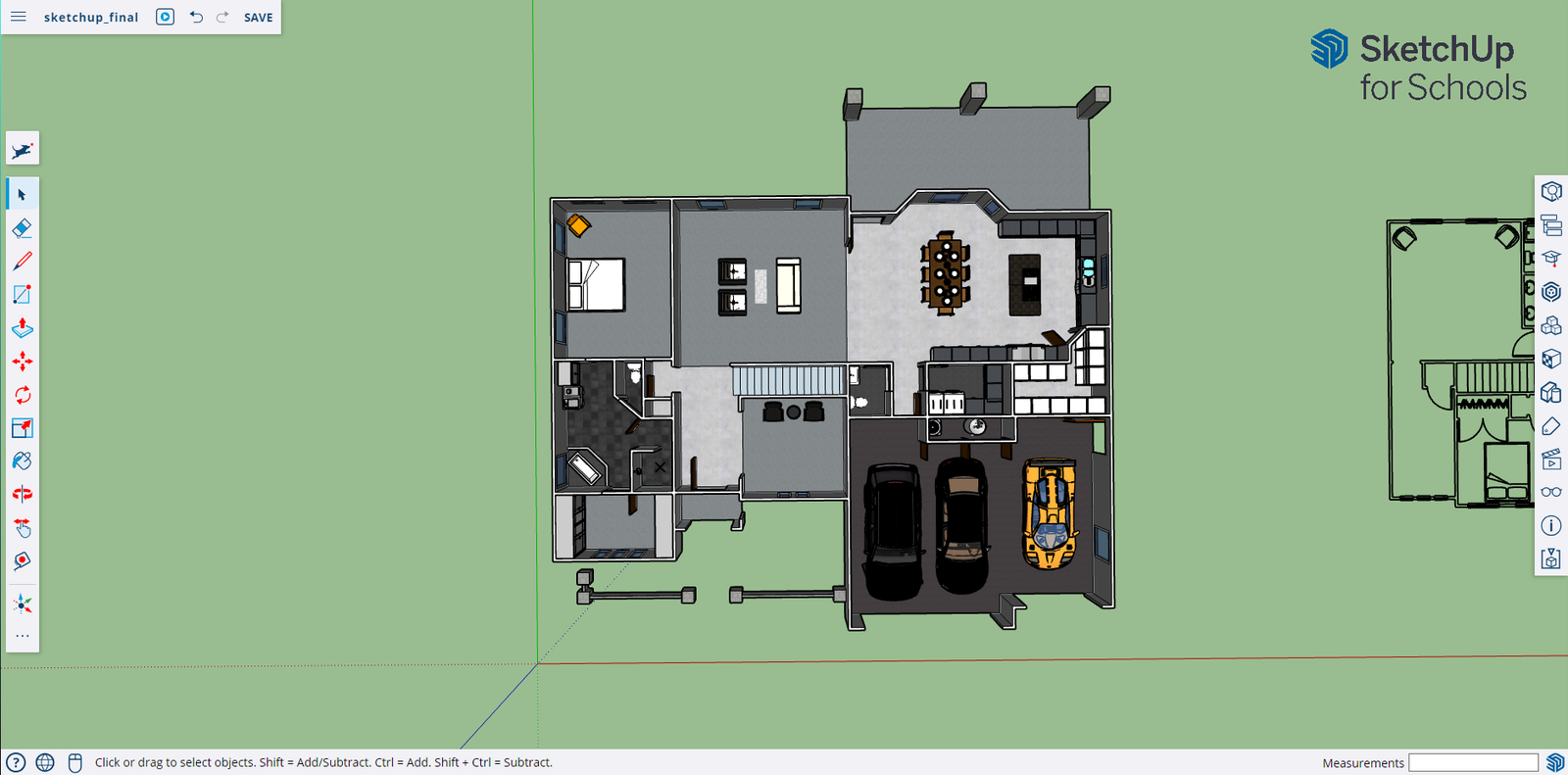
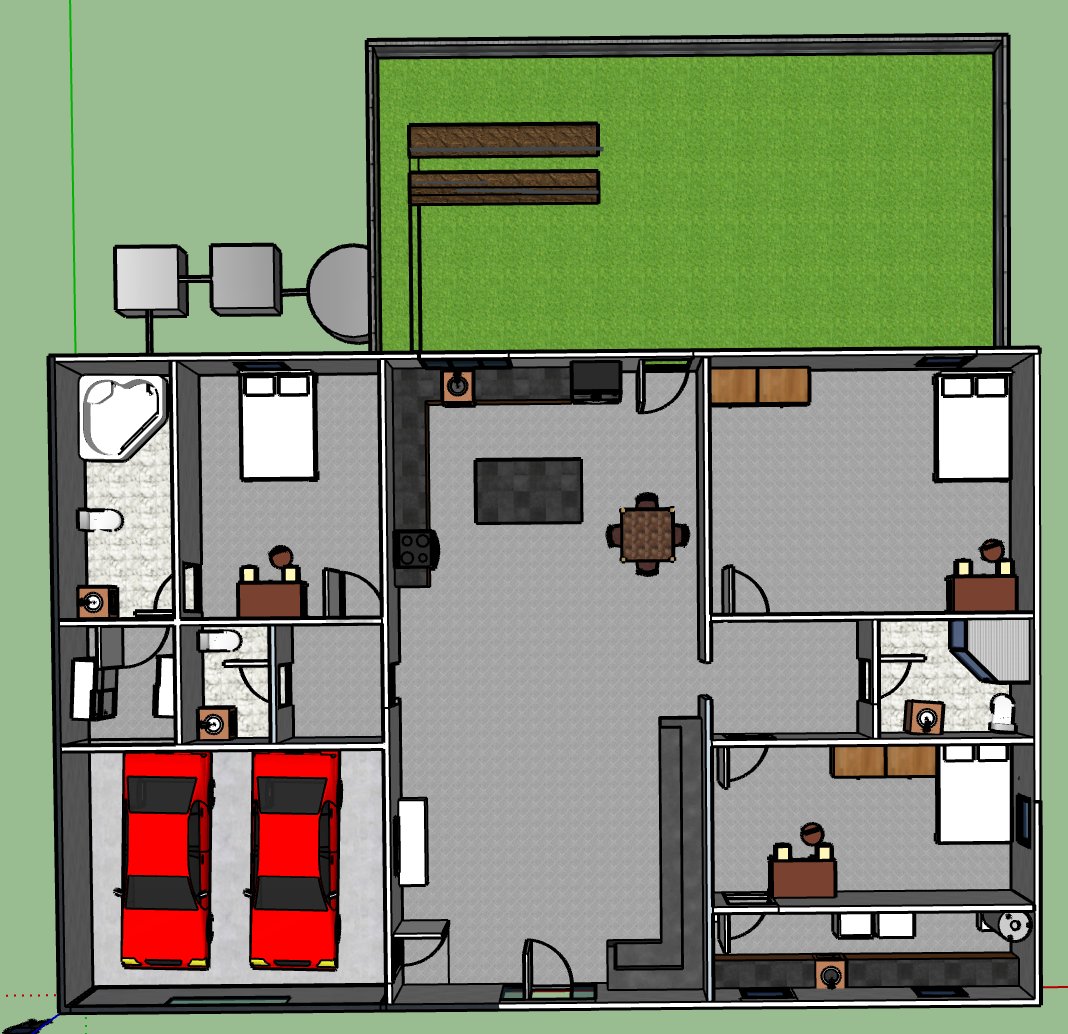
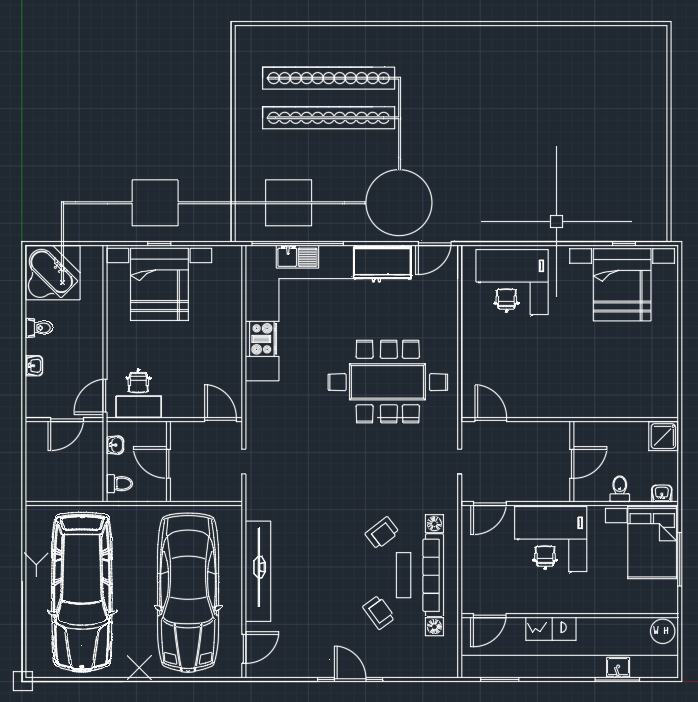
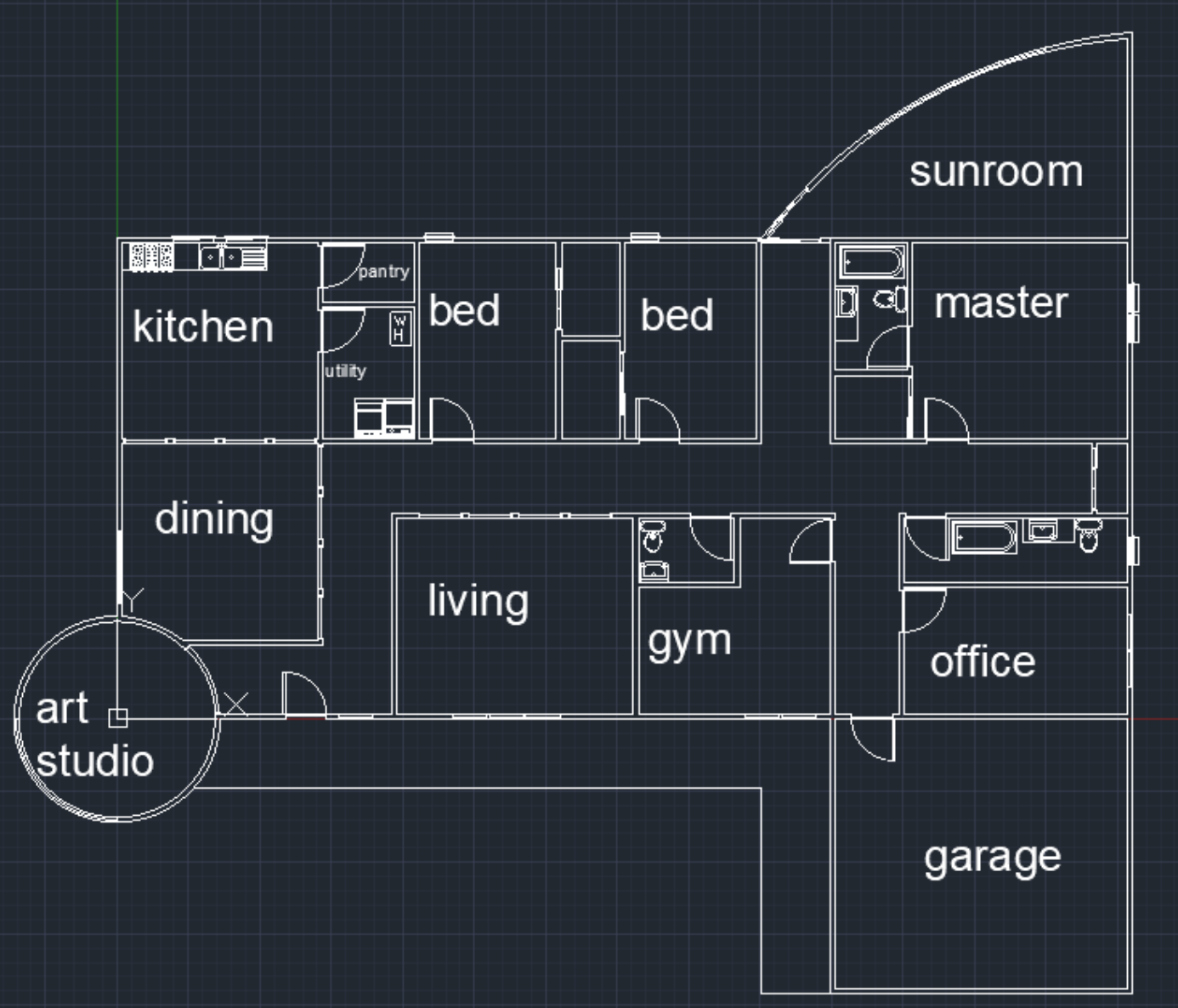
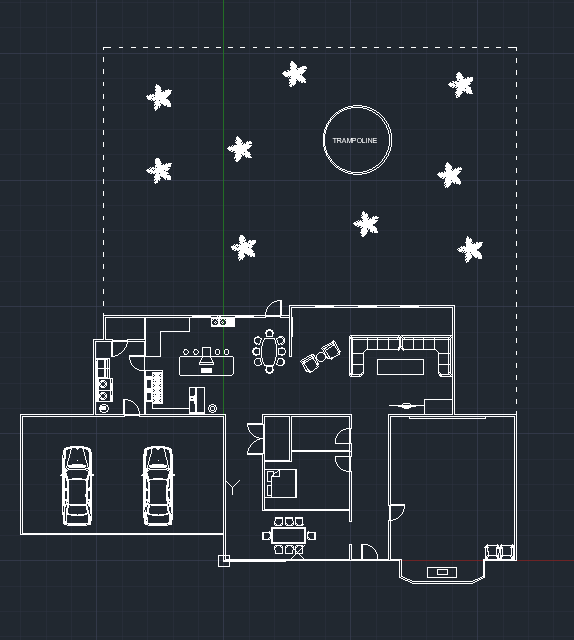
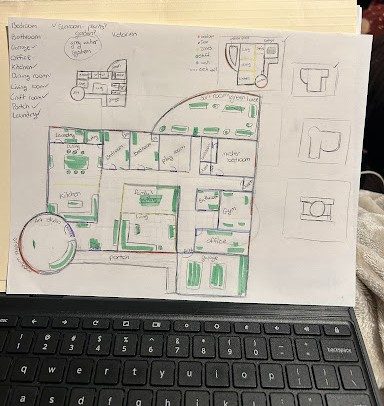
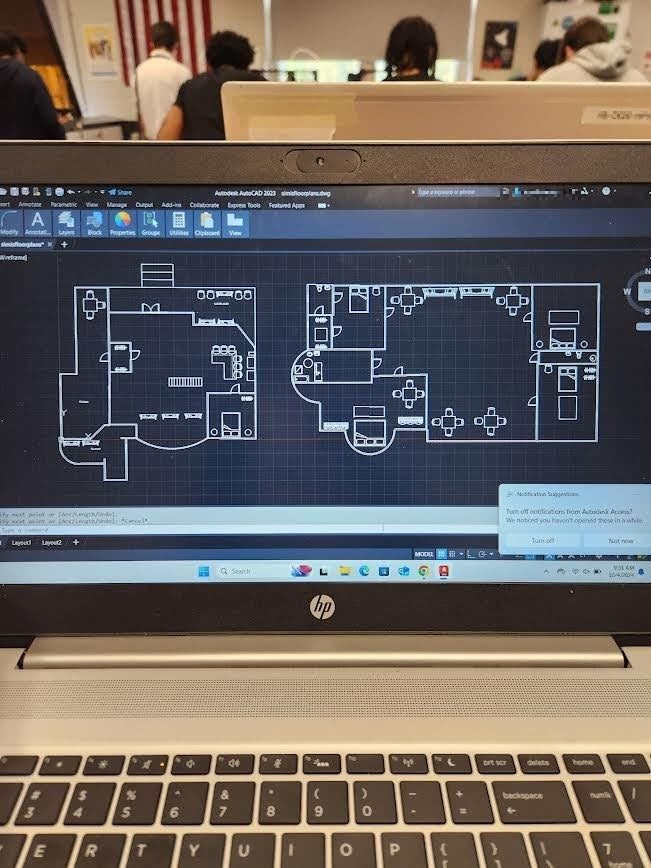
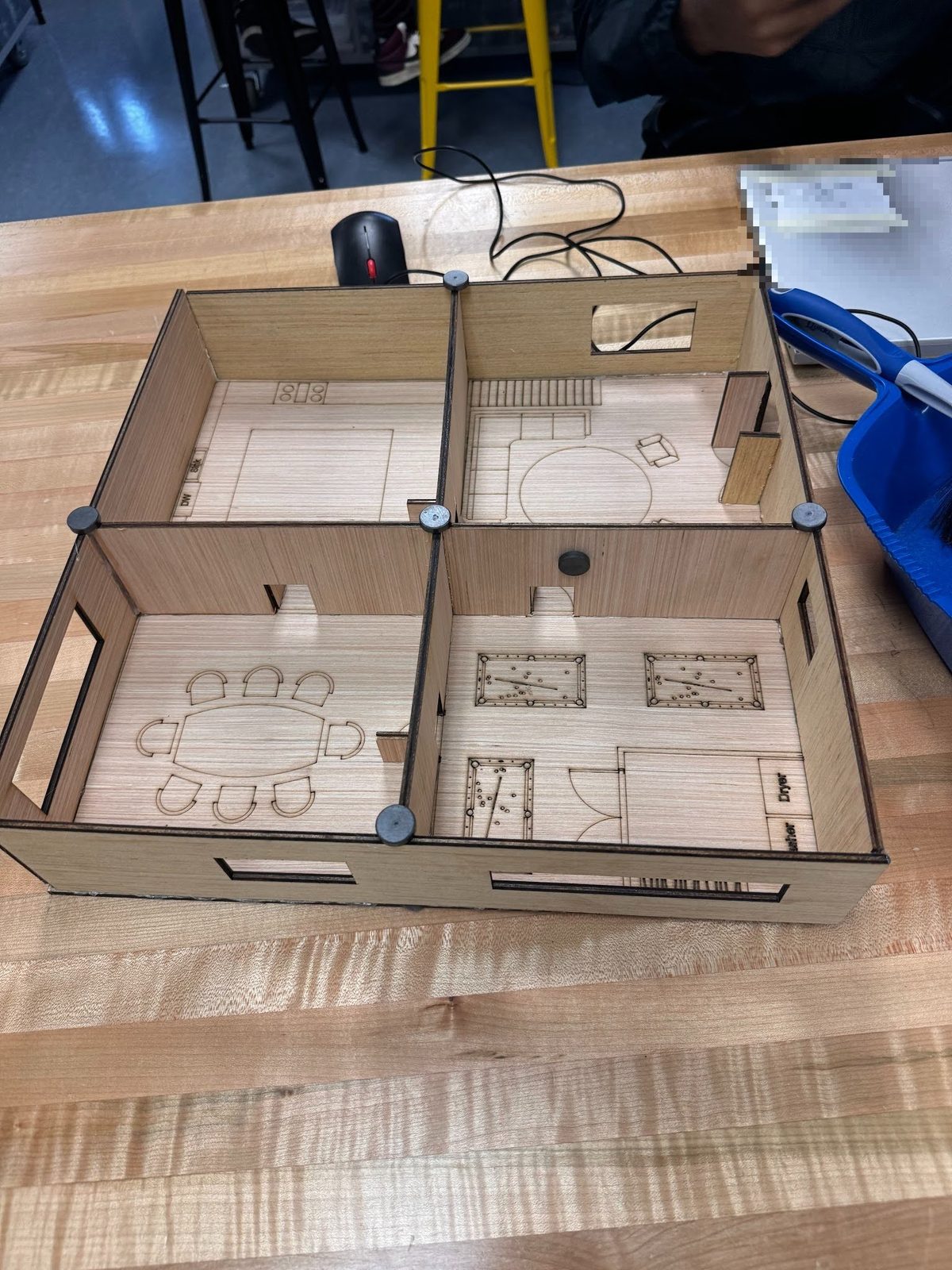
House designs taken from hand-drawn floor plans through CAD and SketchUp renders, all the way to laser-cut wood models. The full pipeline from sketch to physical build.
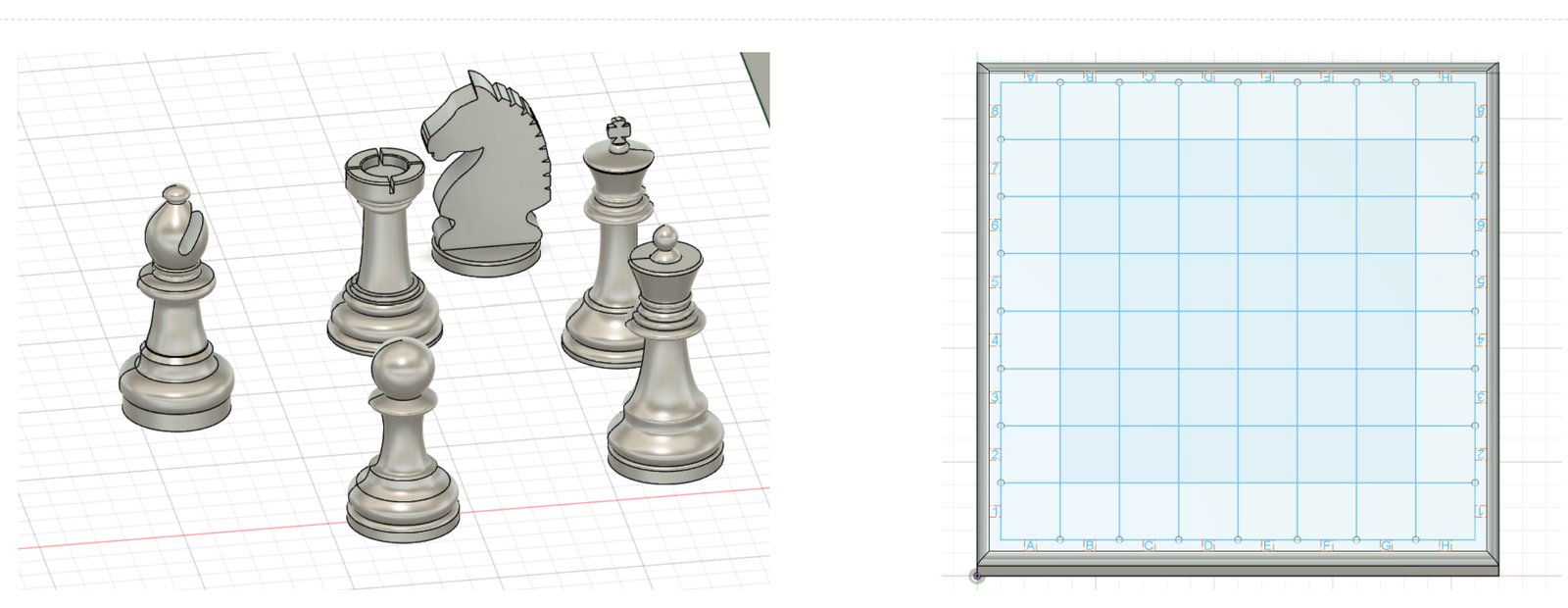
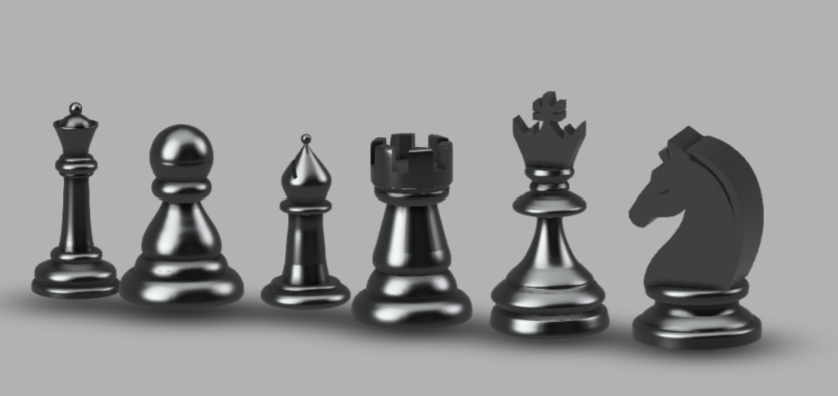
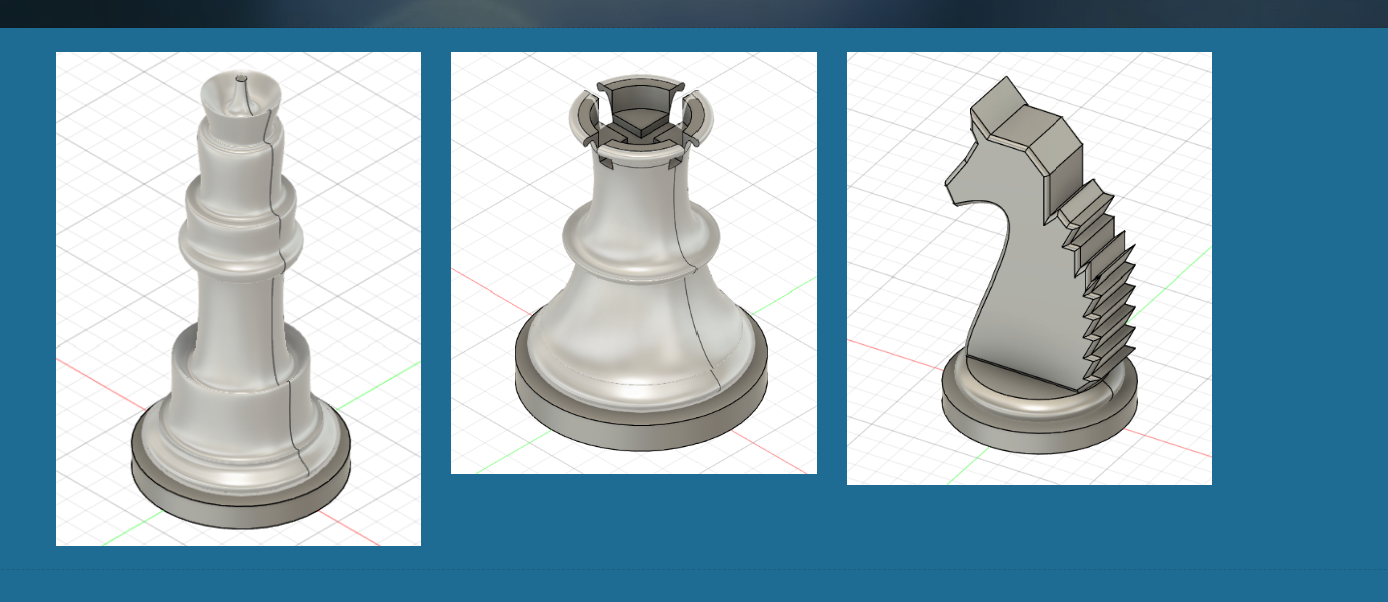
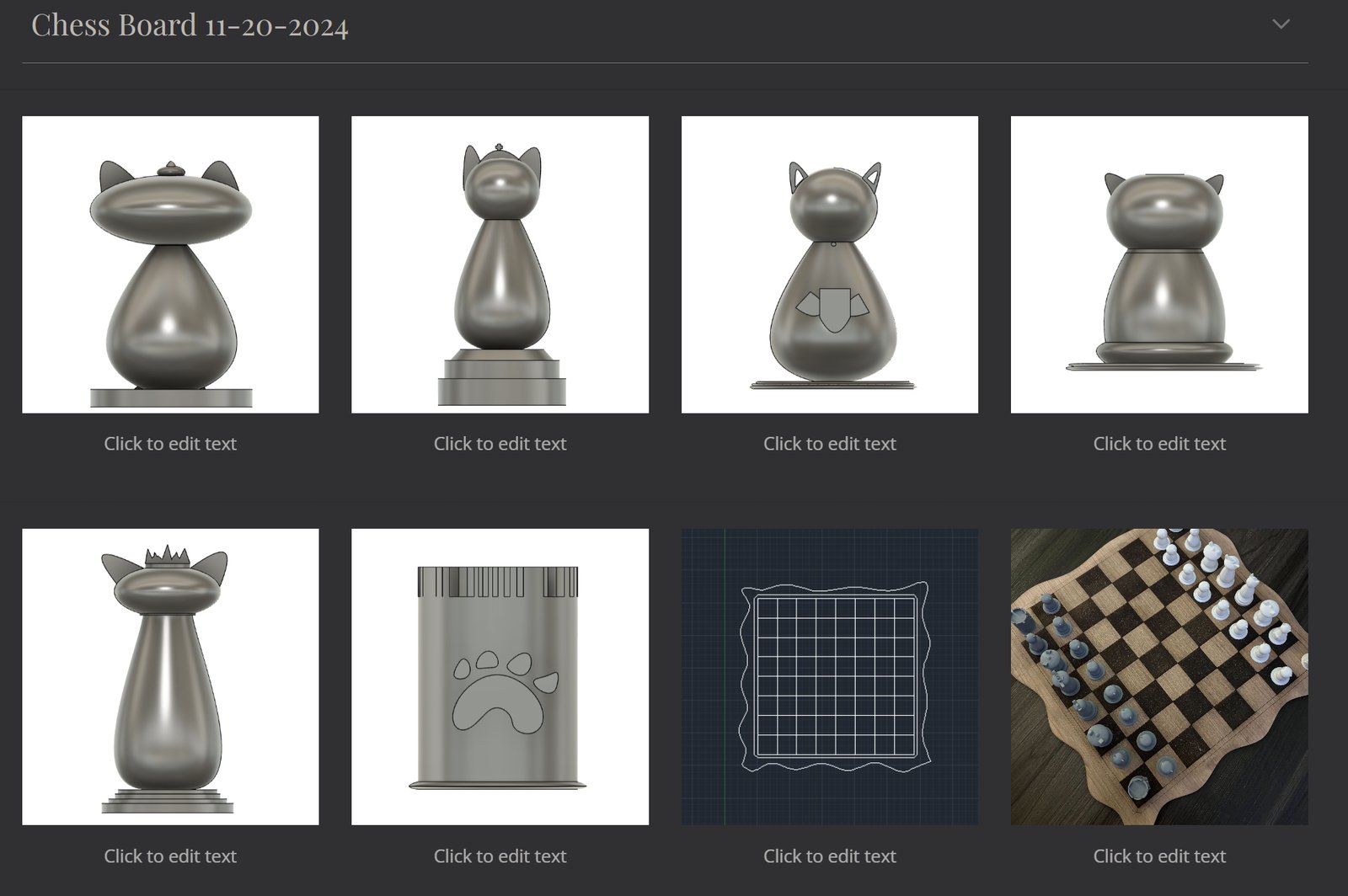
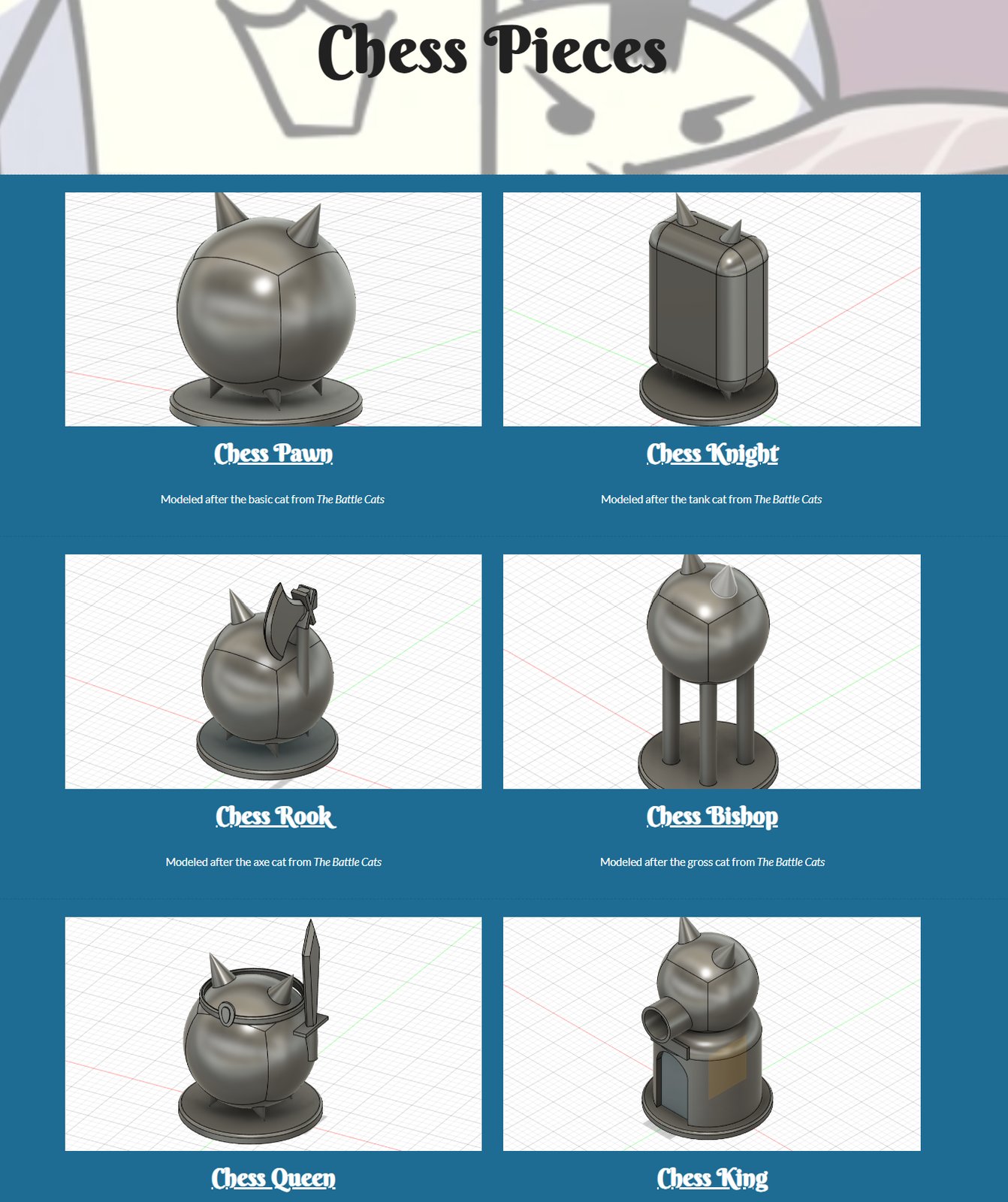
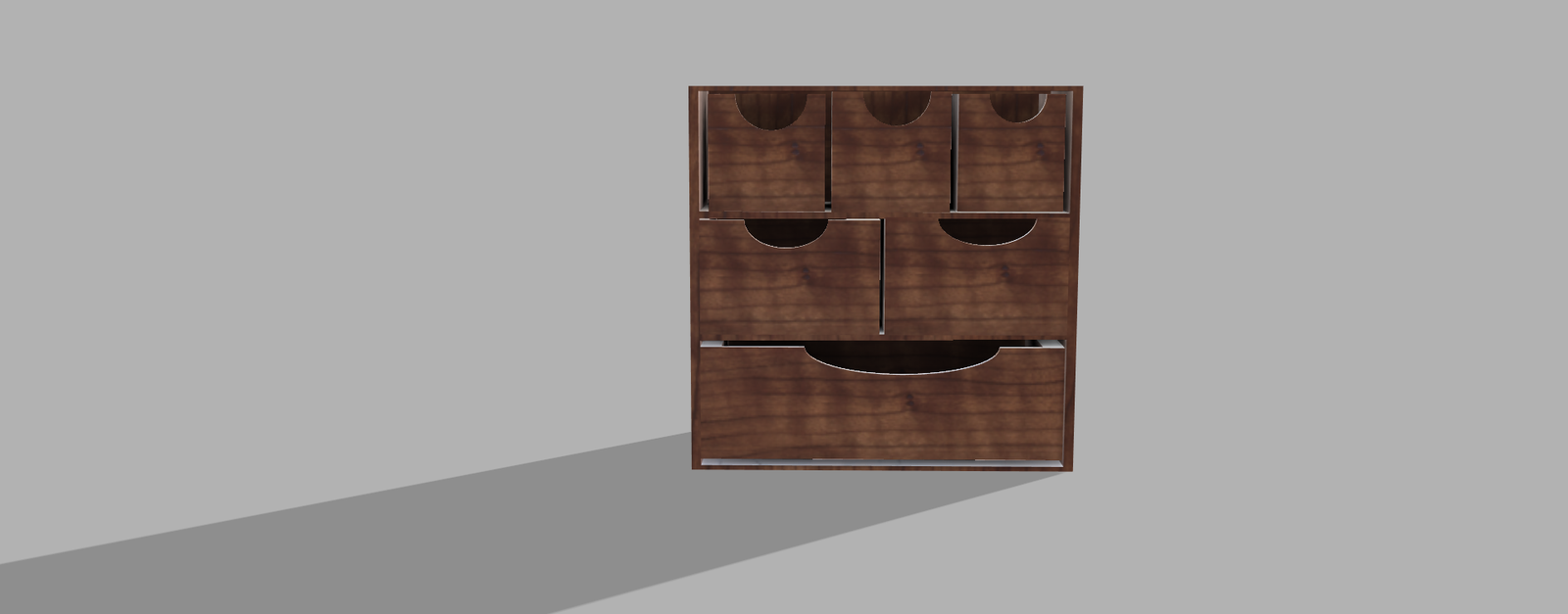
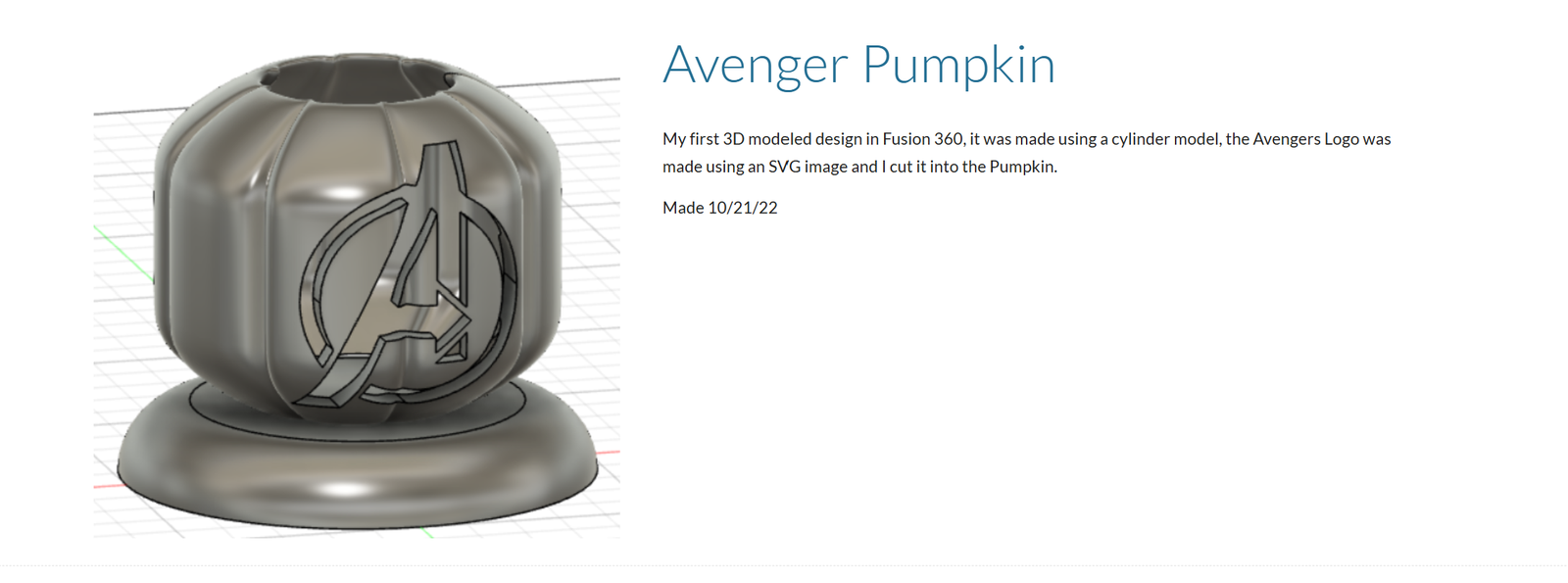
Student-designed chess sets and board games modeled in Fusion 360 and laser-cut or 3D-printed. More pieces and boards going up here as students finish them.
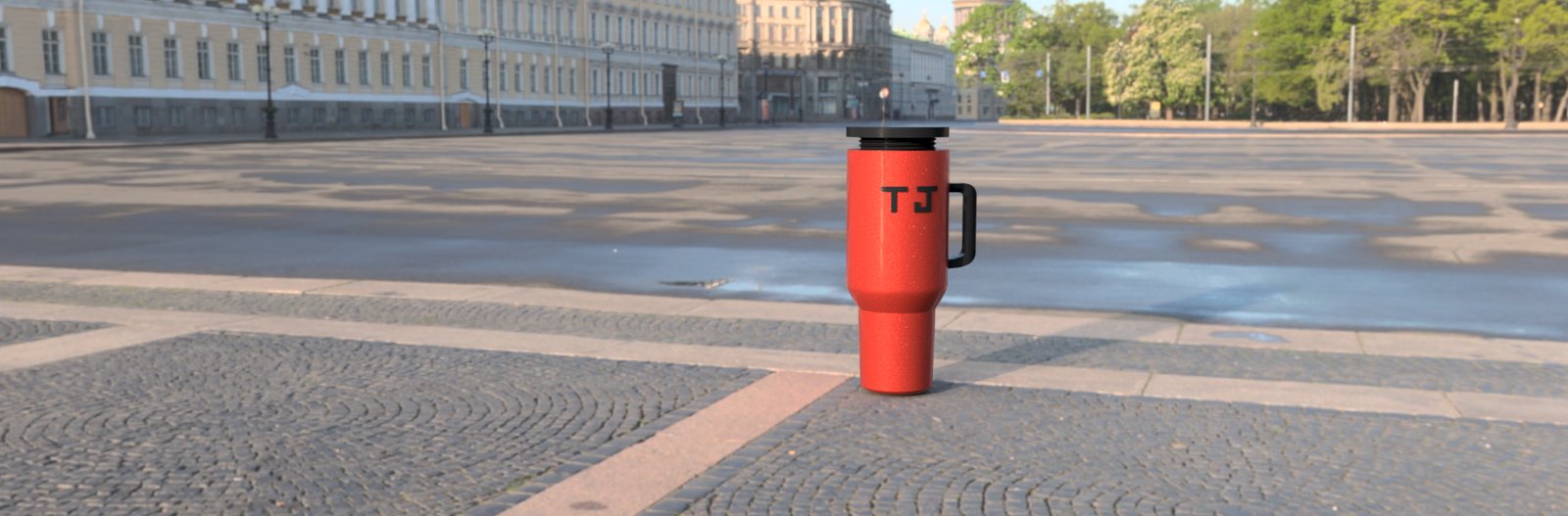
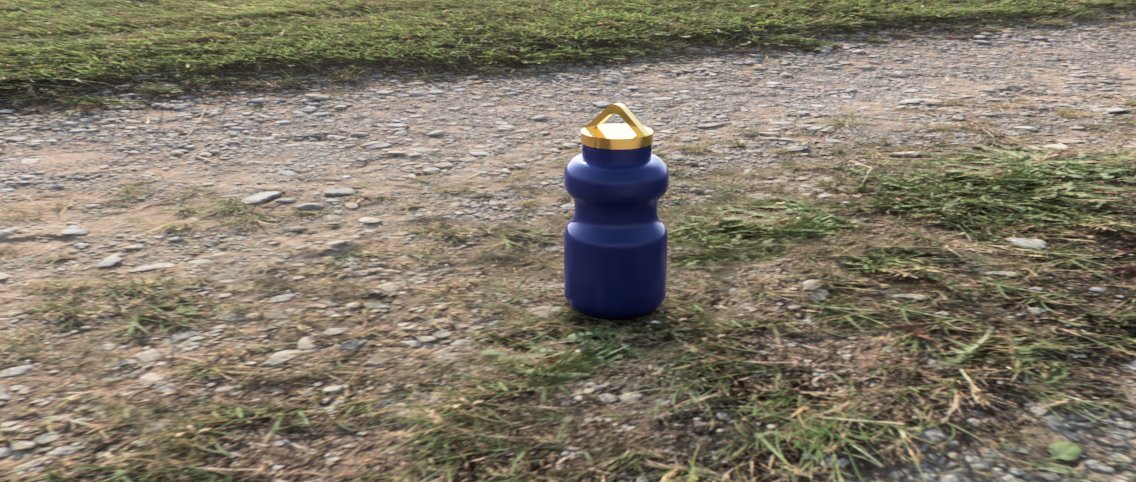
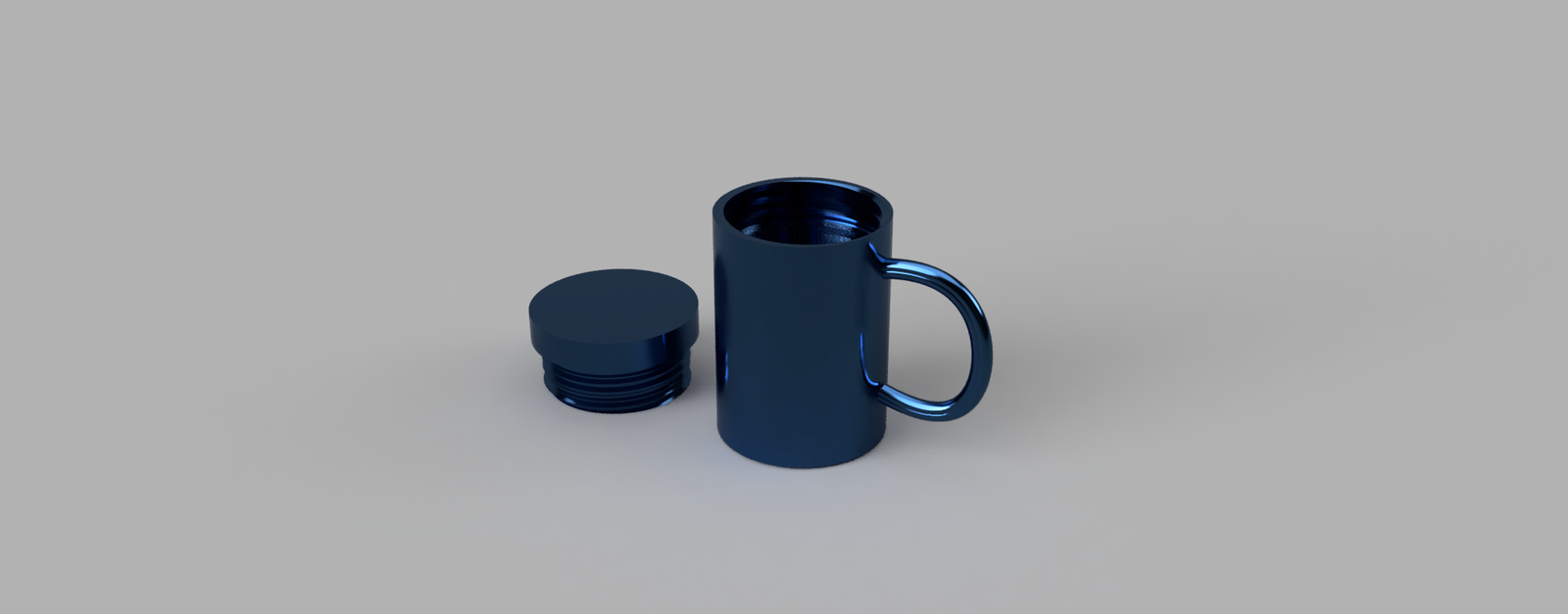
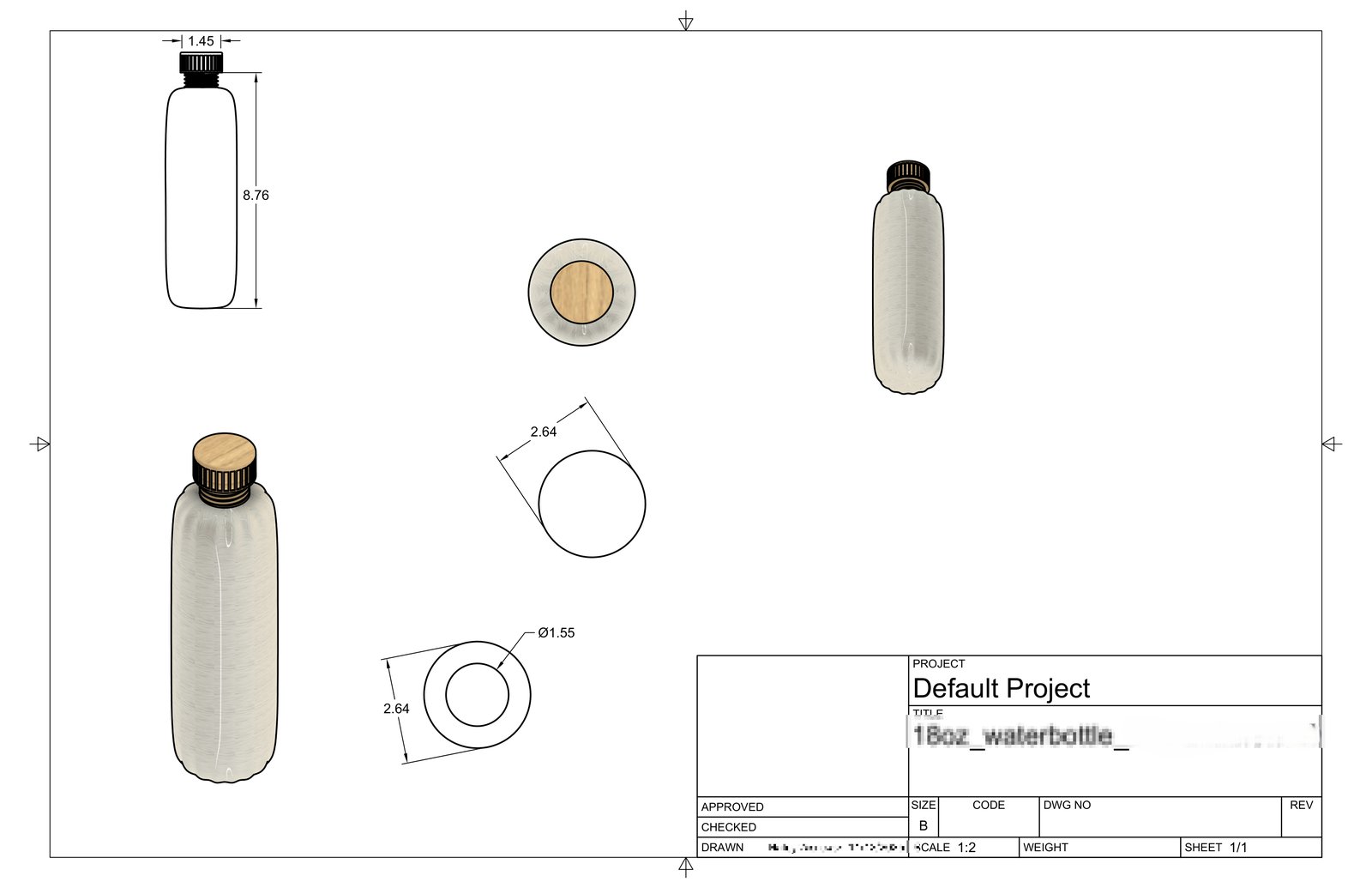
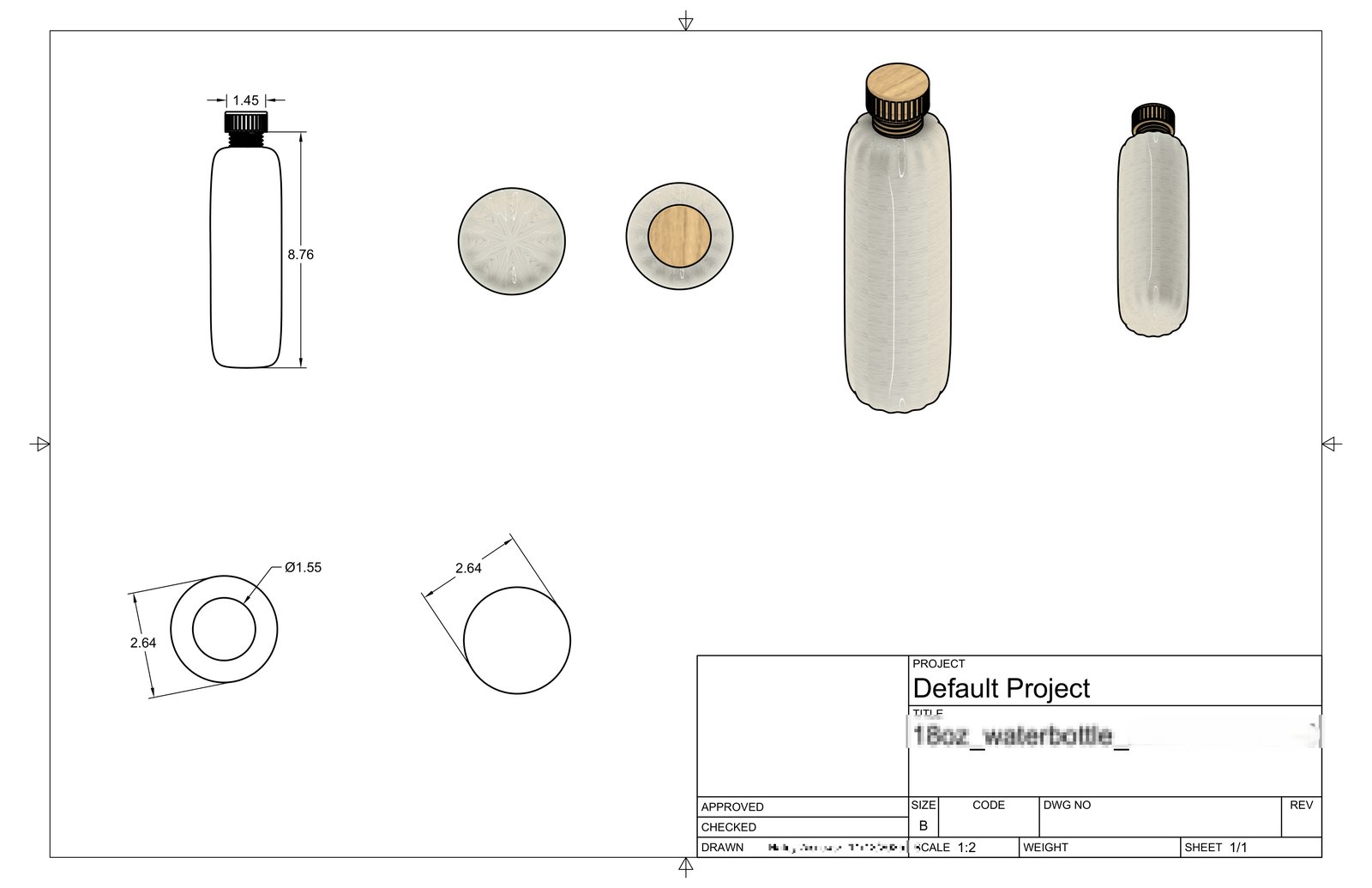
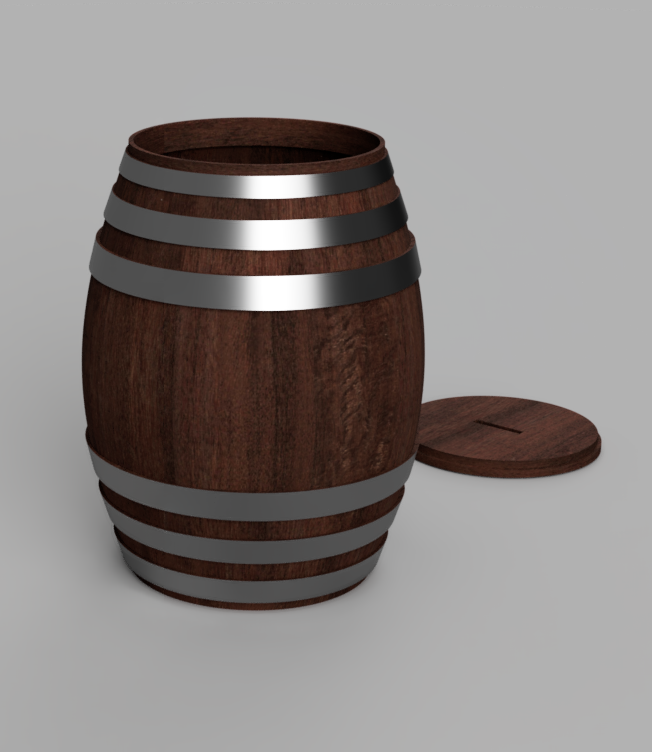
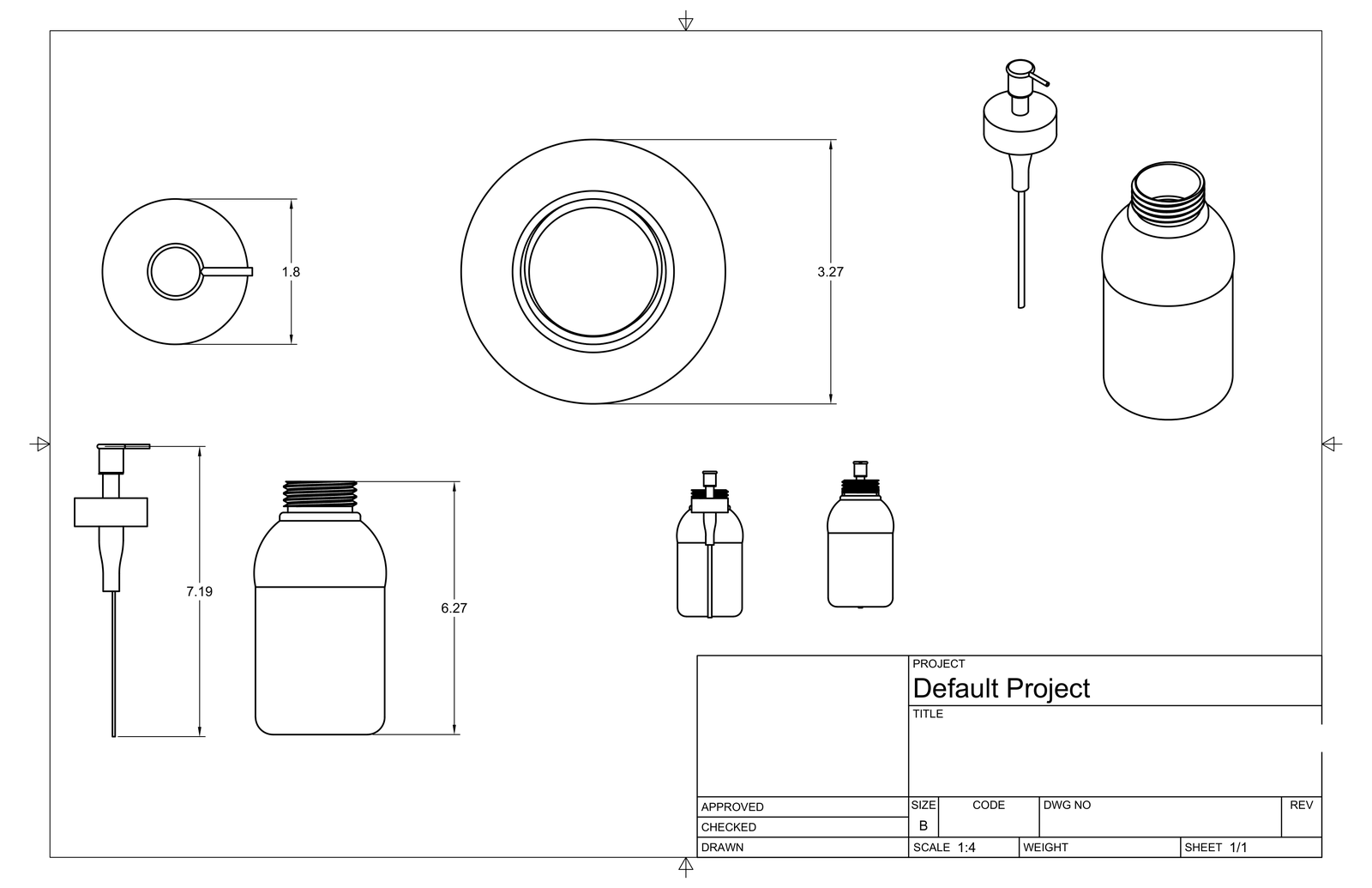
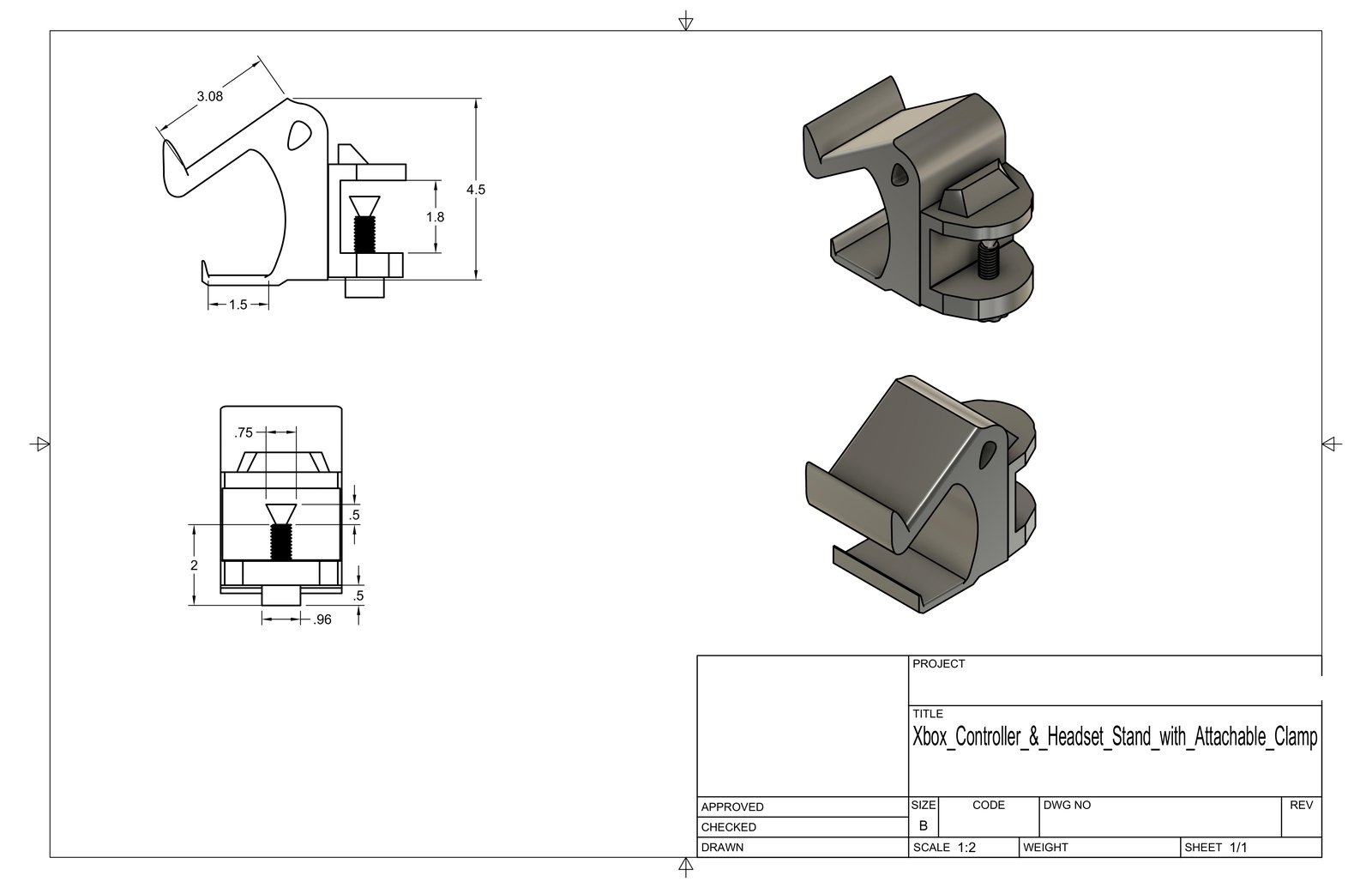
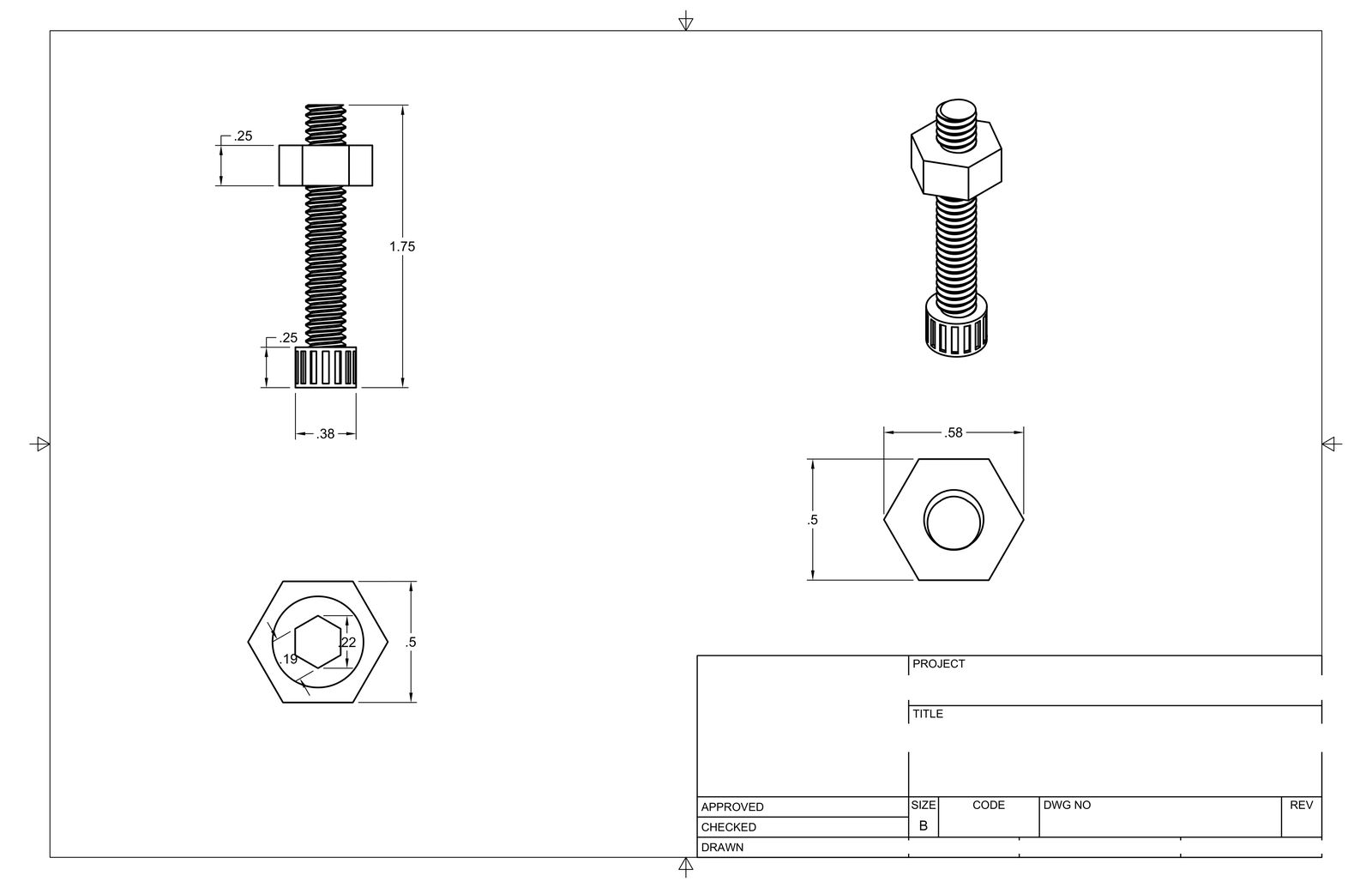
Custom water bottle and mug designs modeled to spec in Fusion 360, dimensioned in technical drawings, and rendered into real-world scenes.
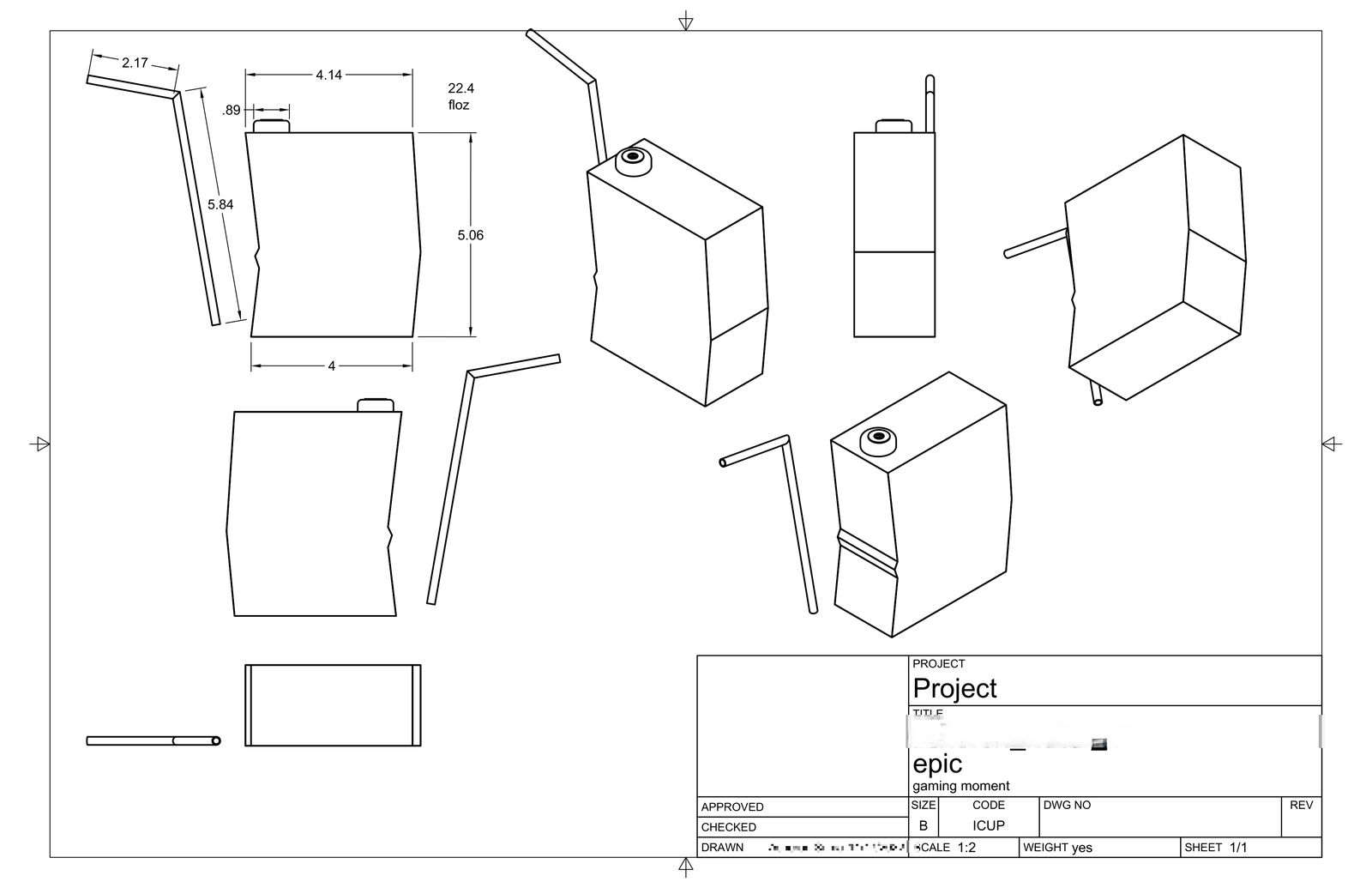
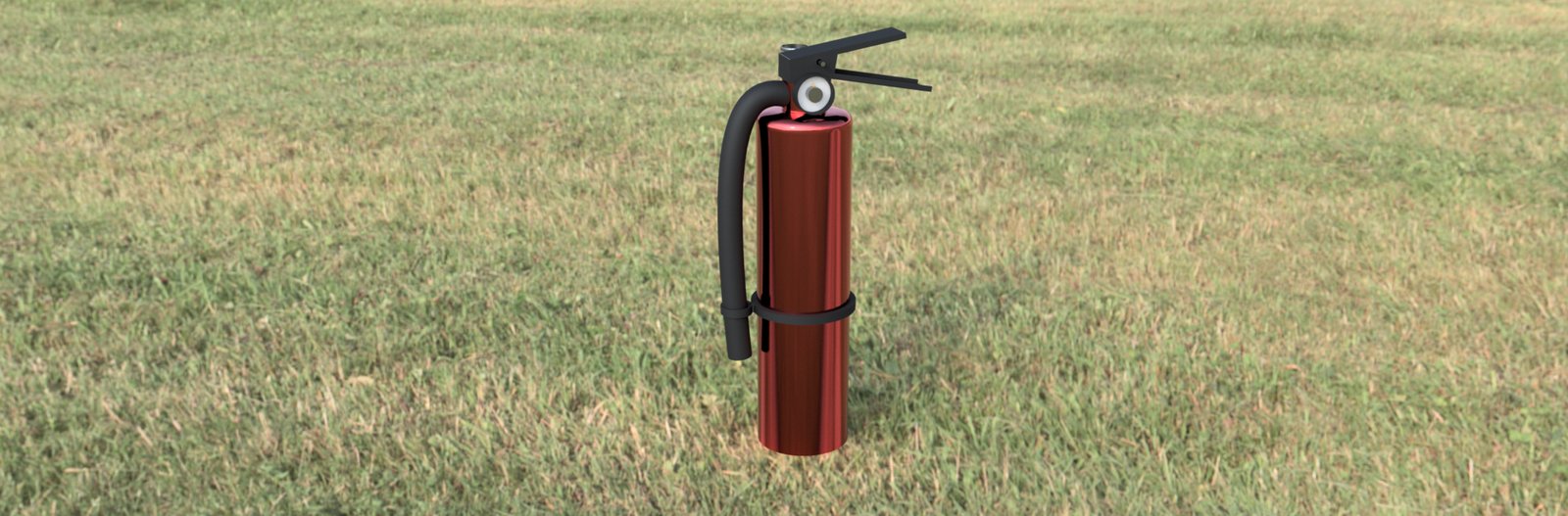
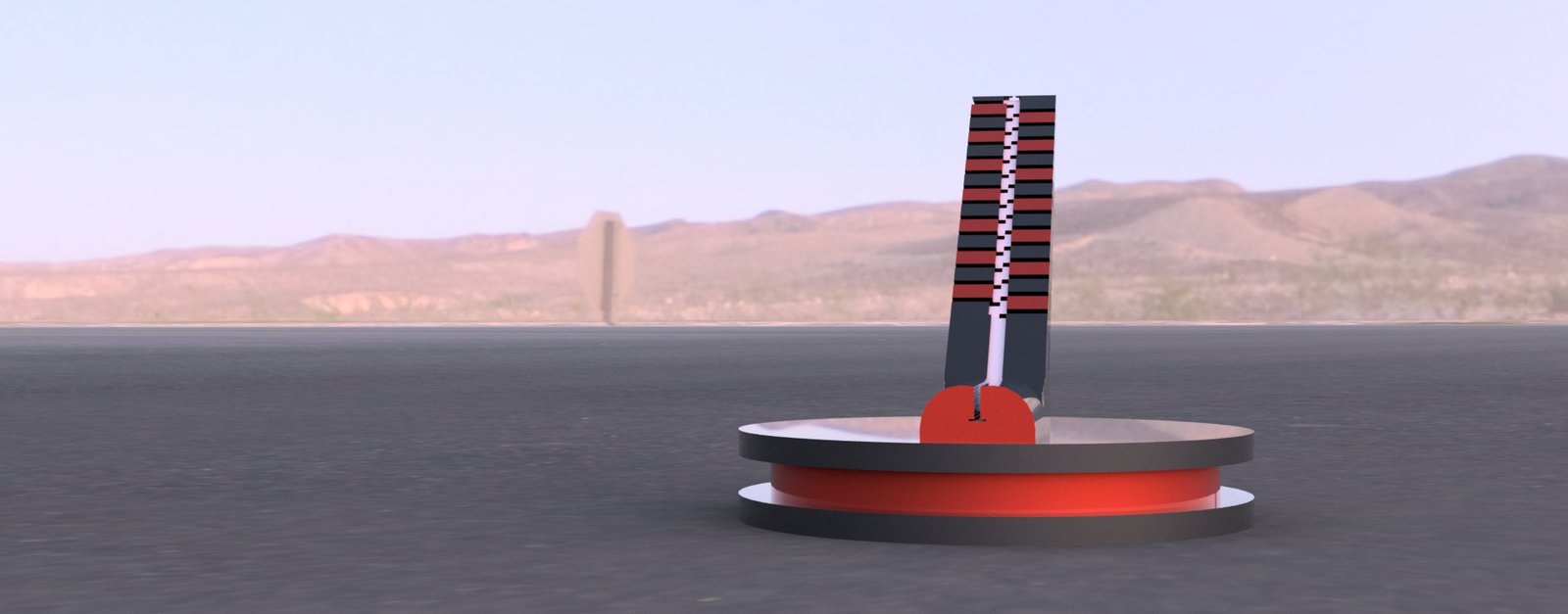
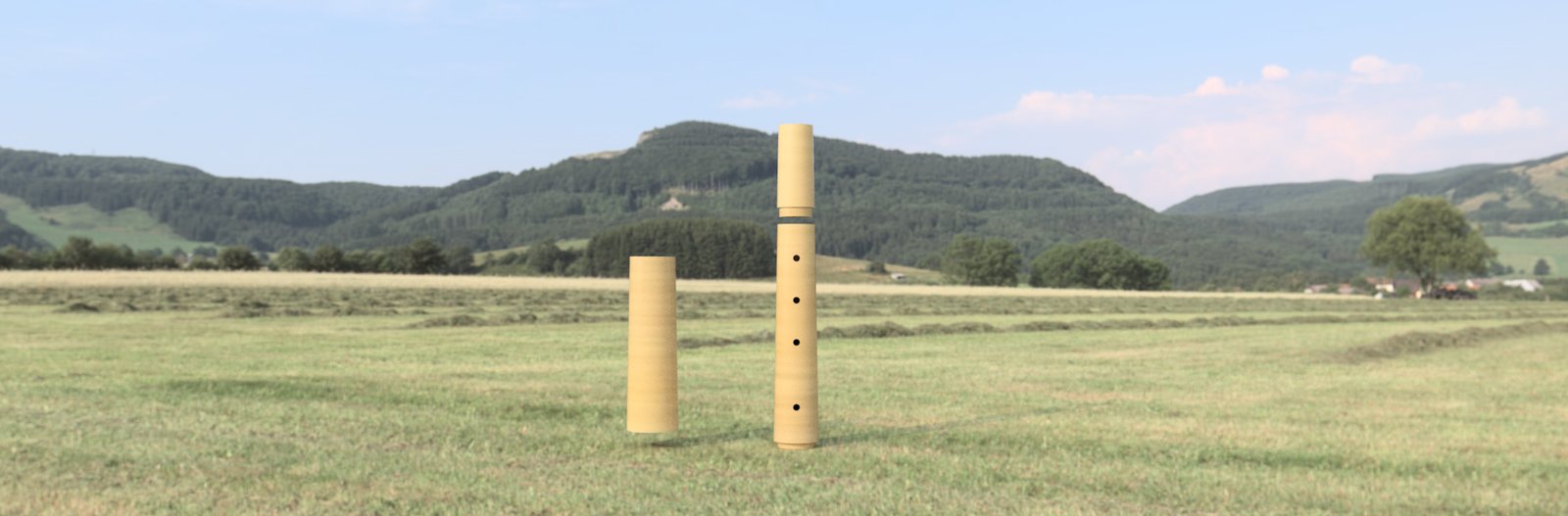
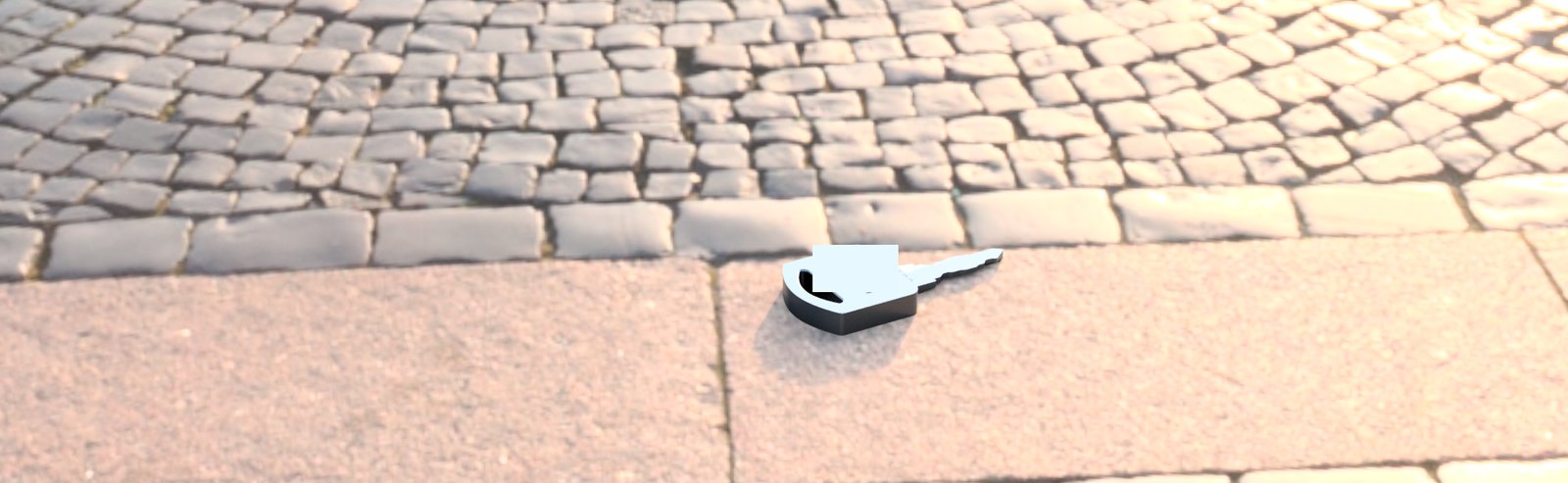
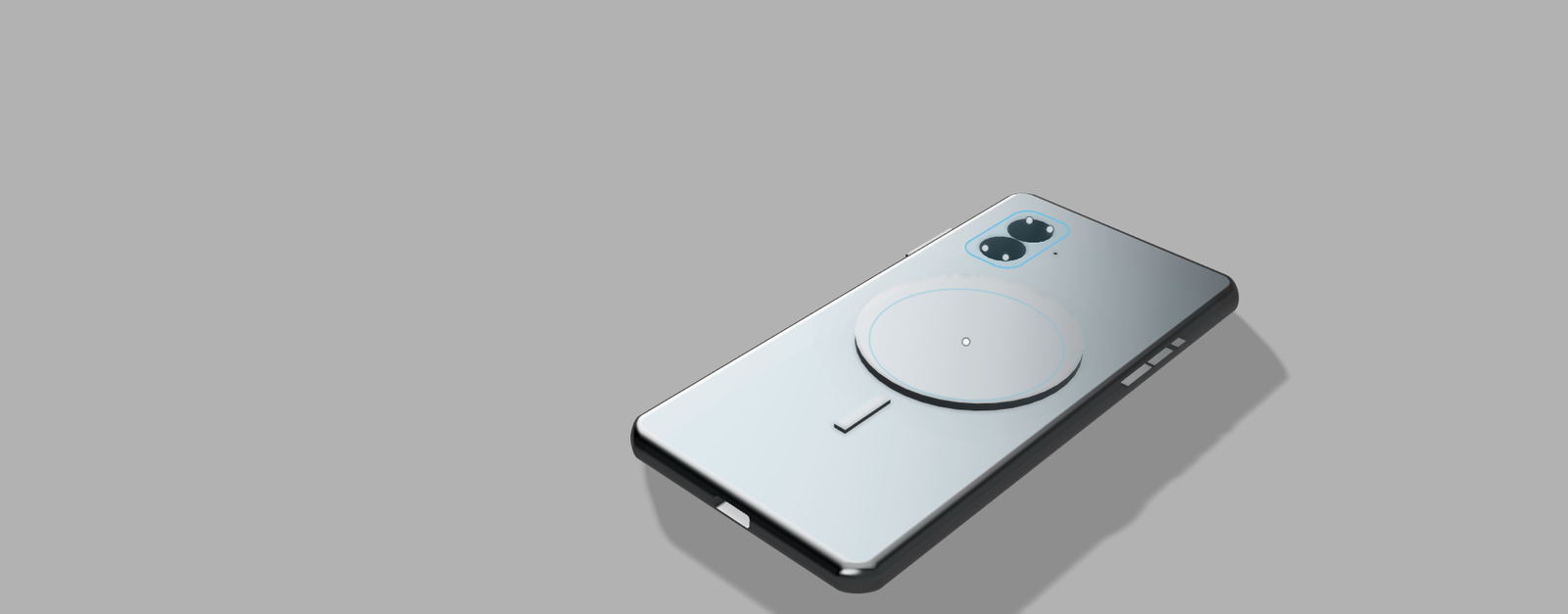
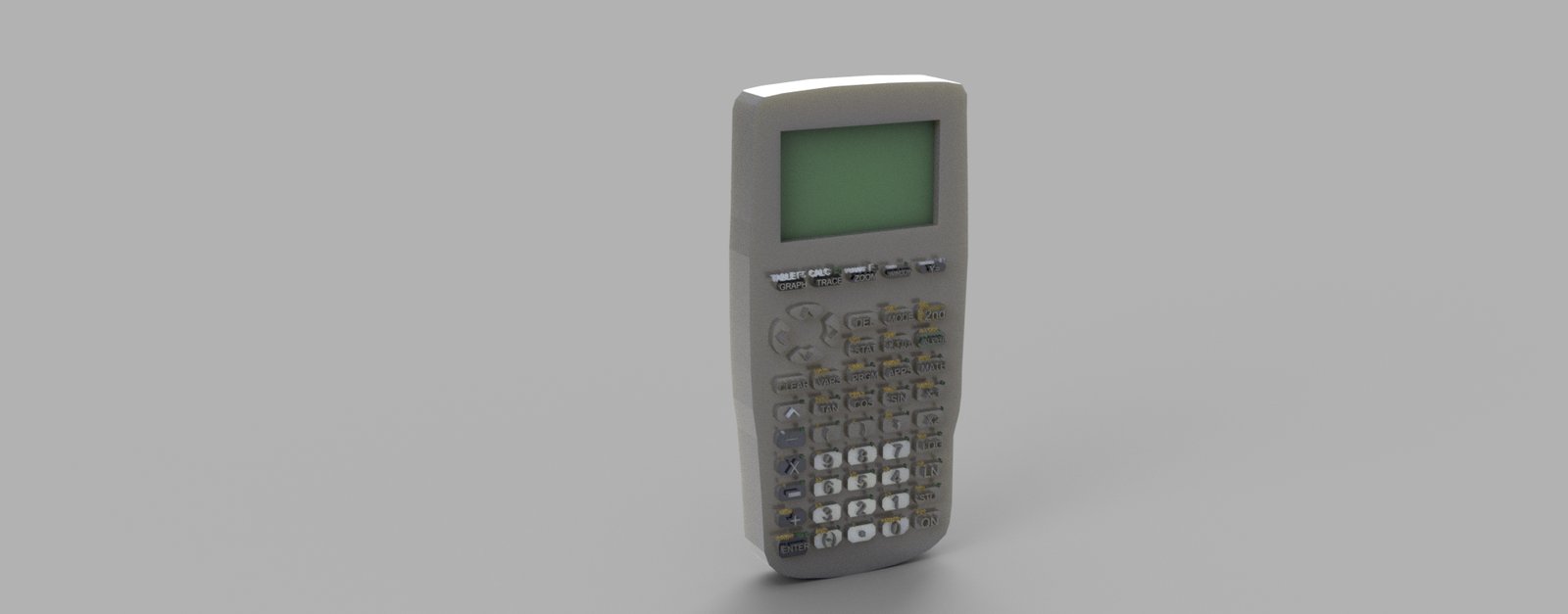
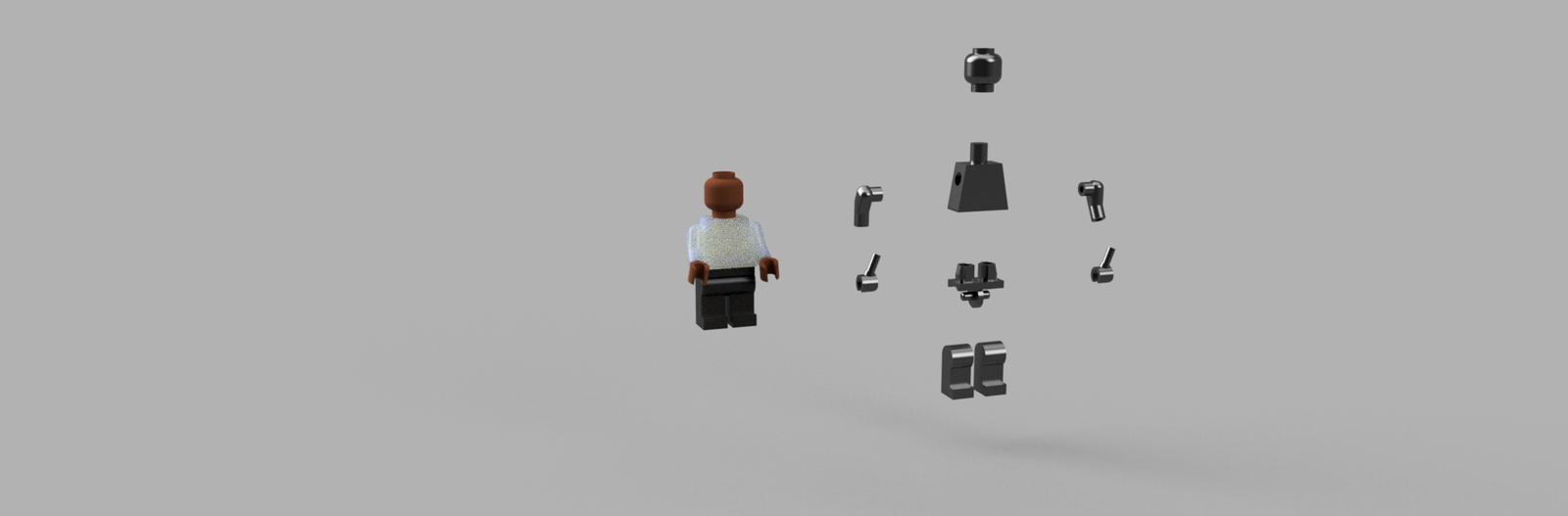
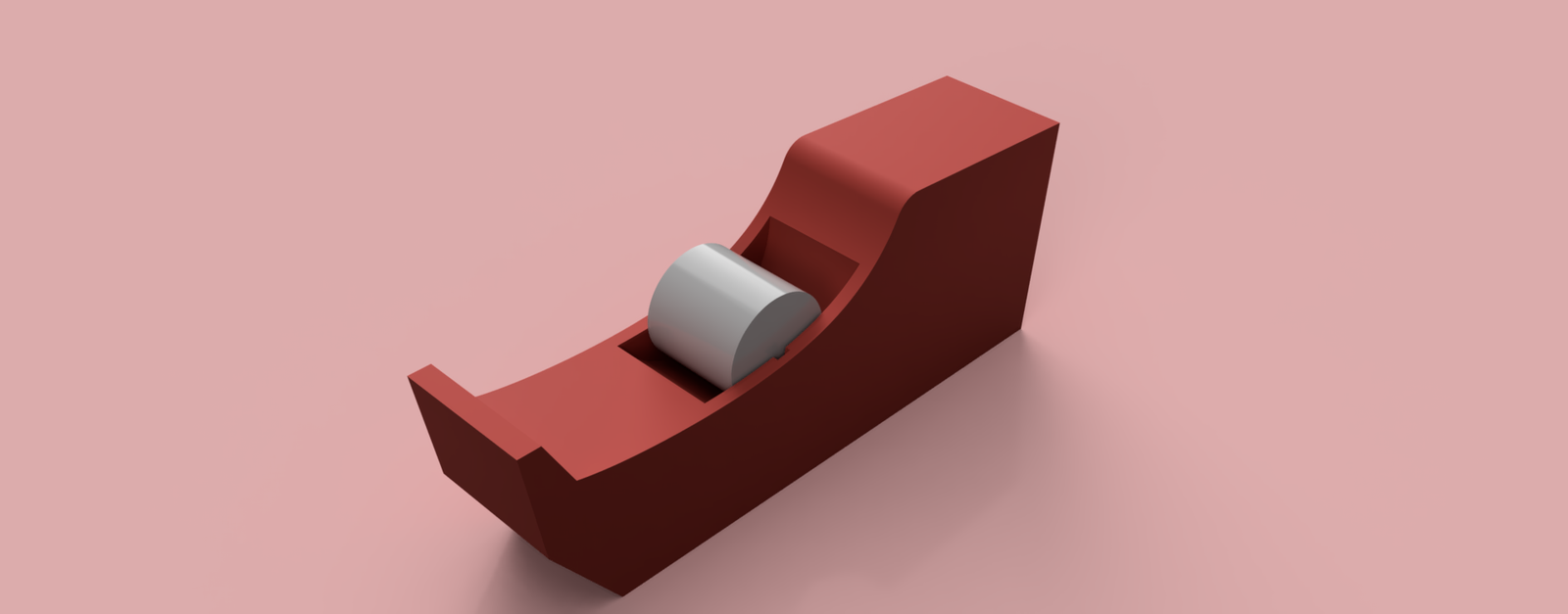
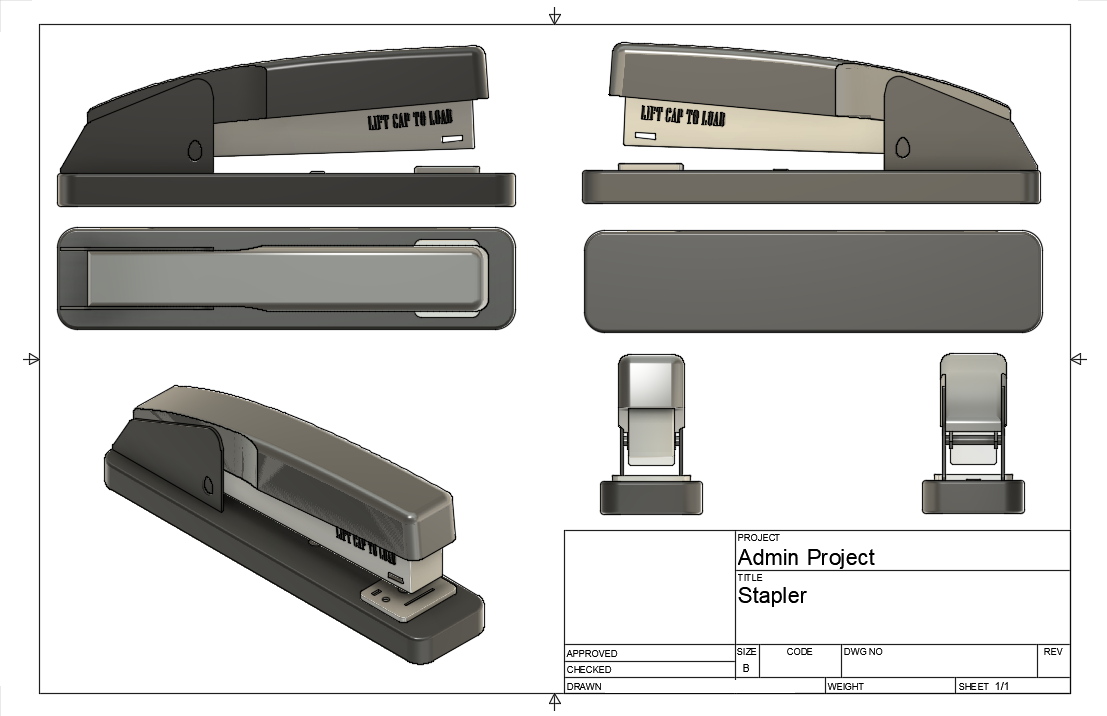
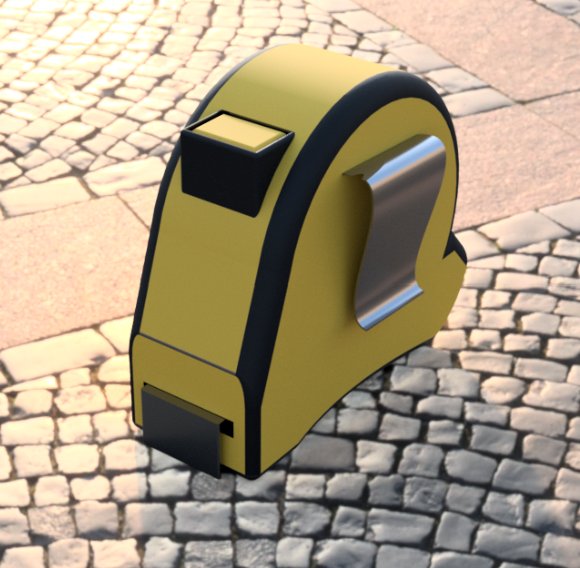
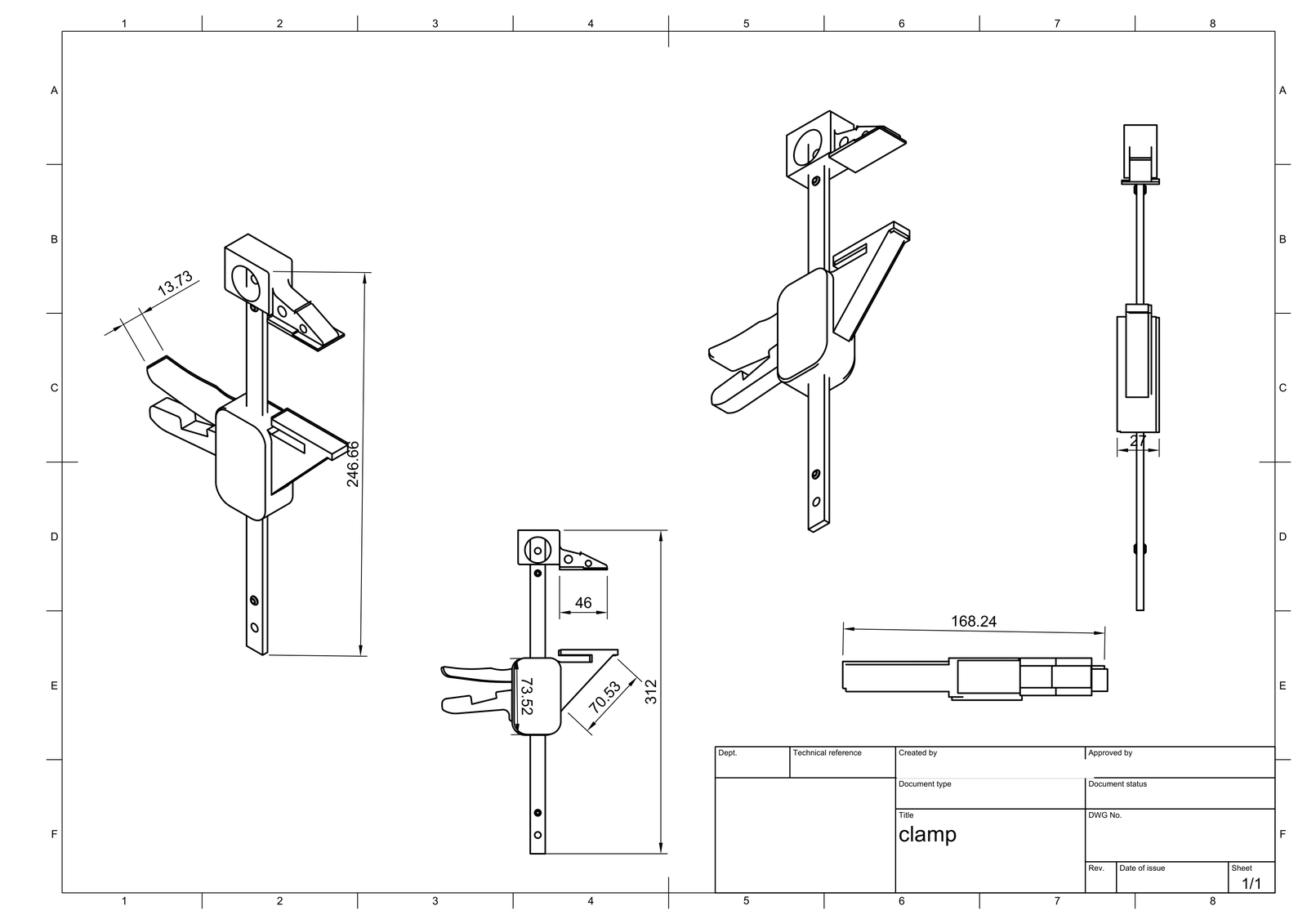
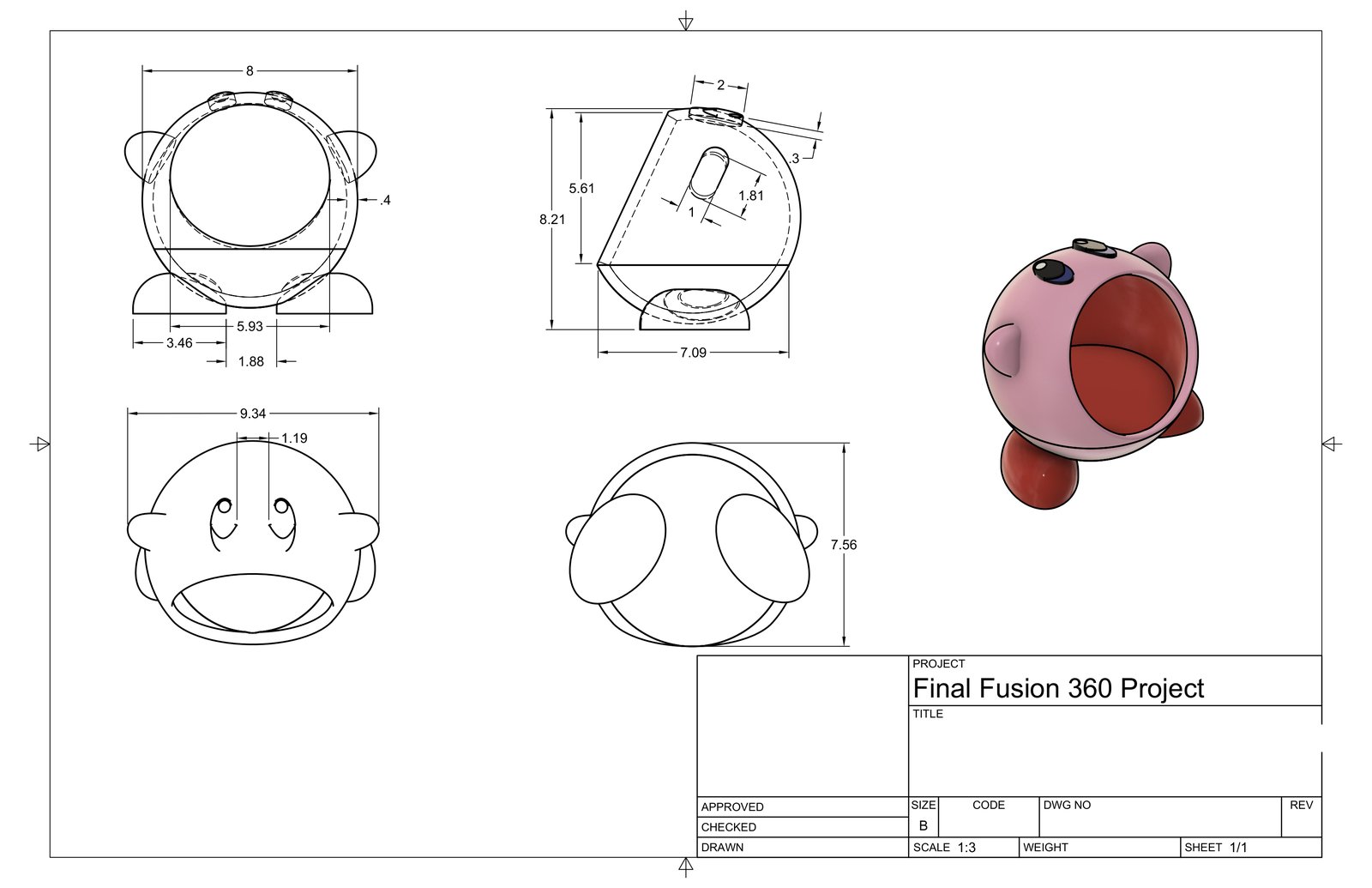
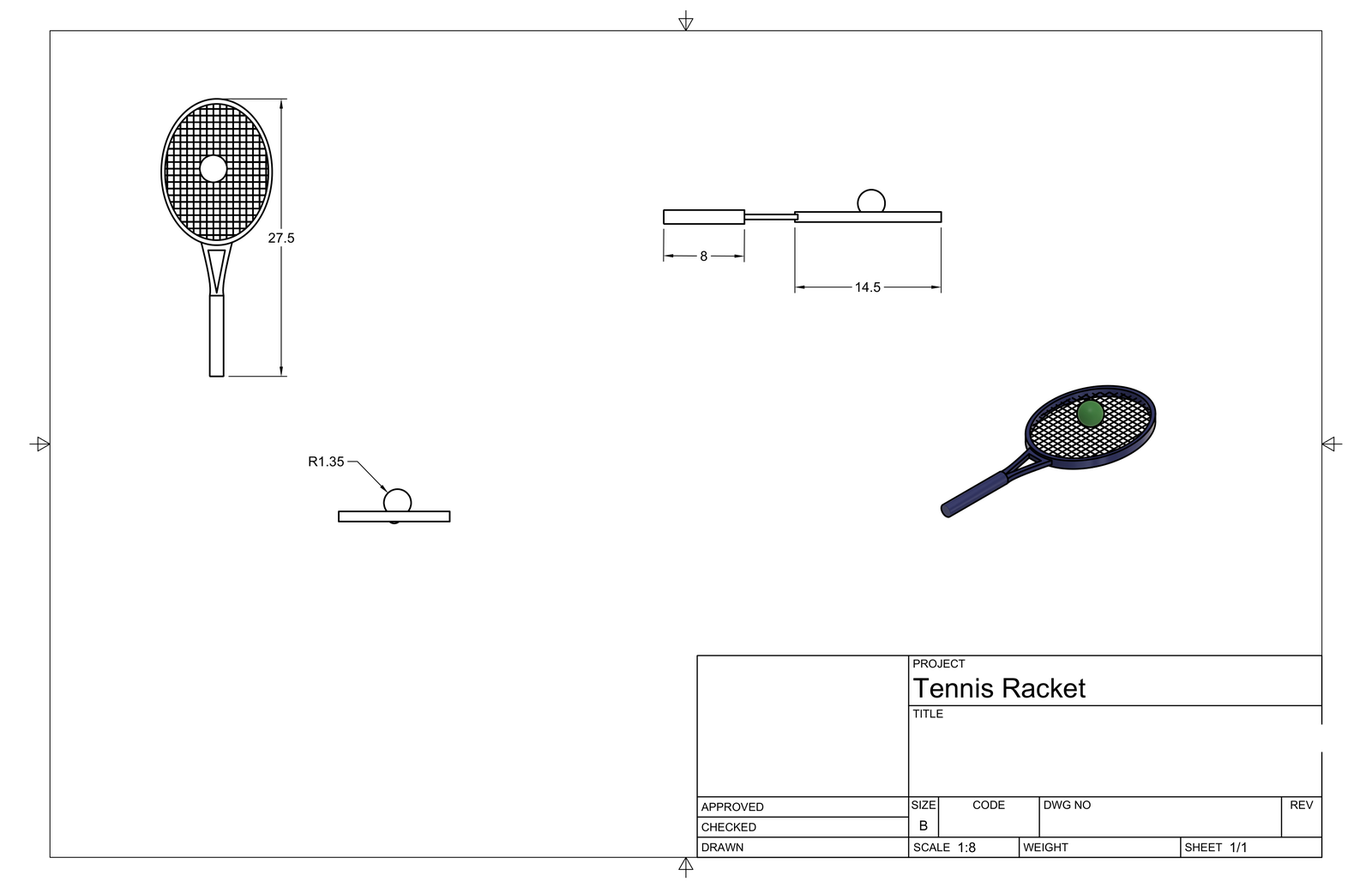
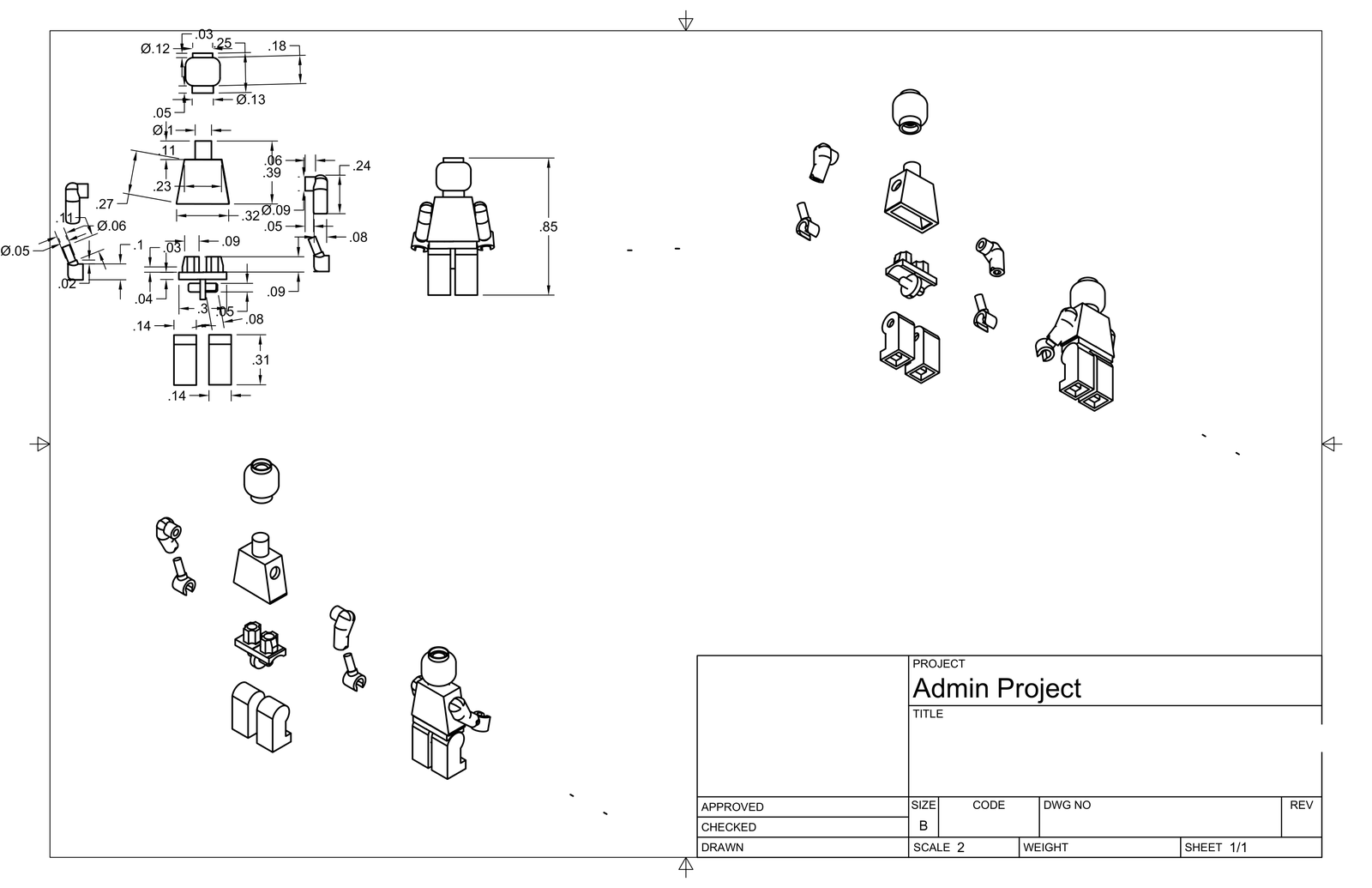
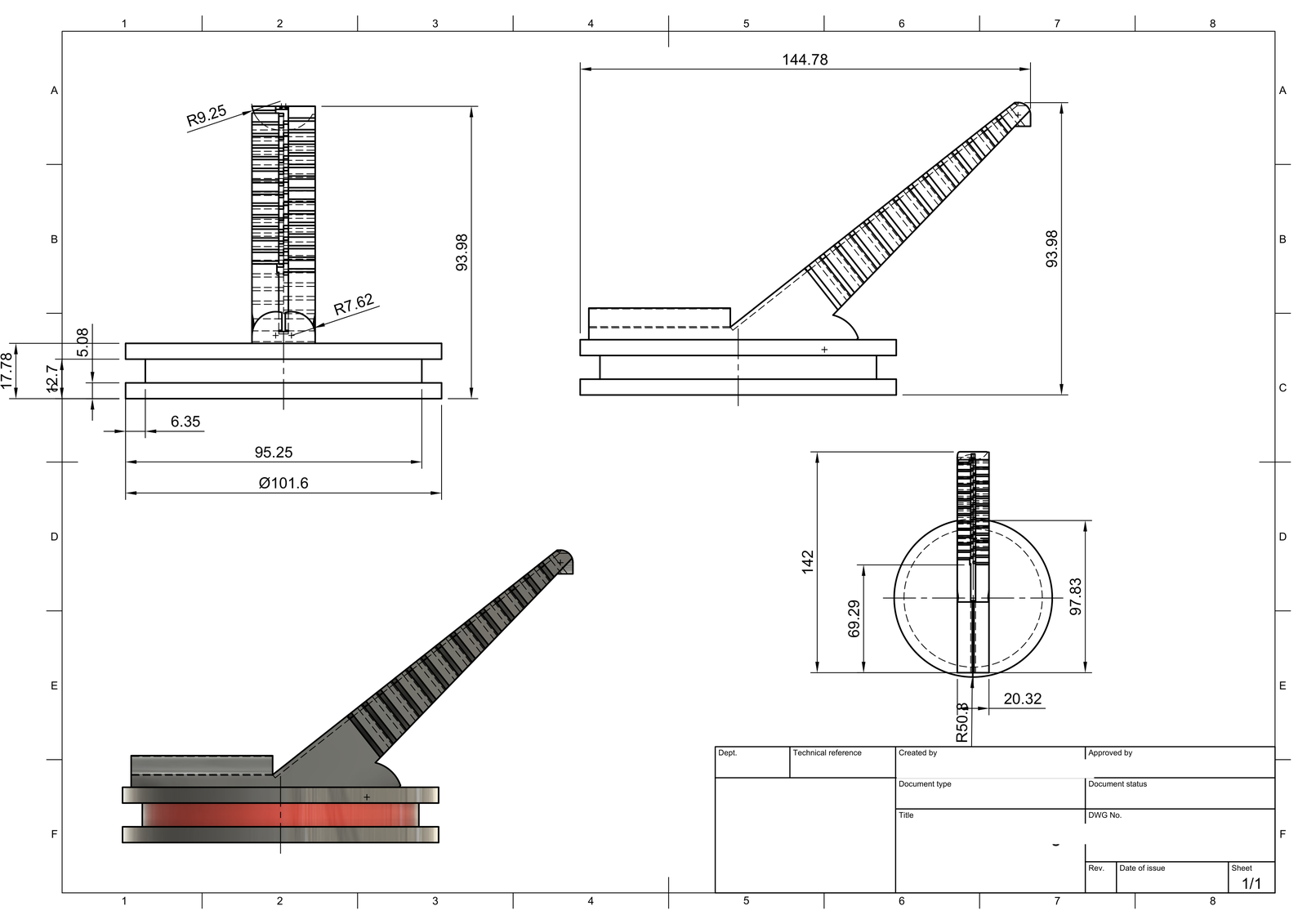
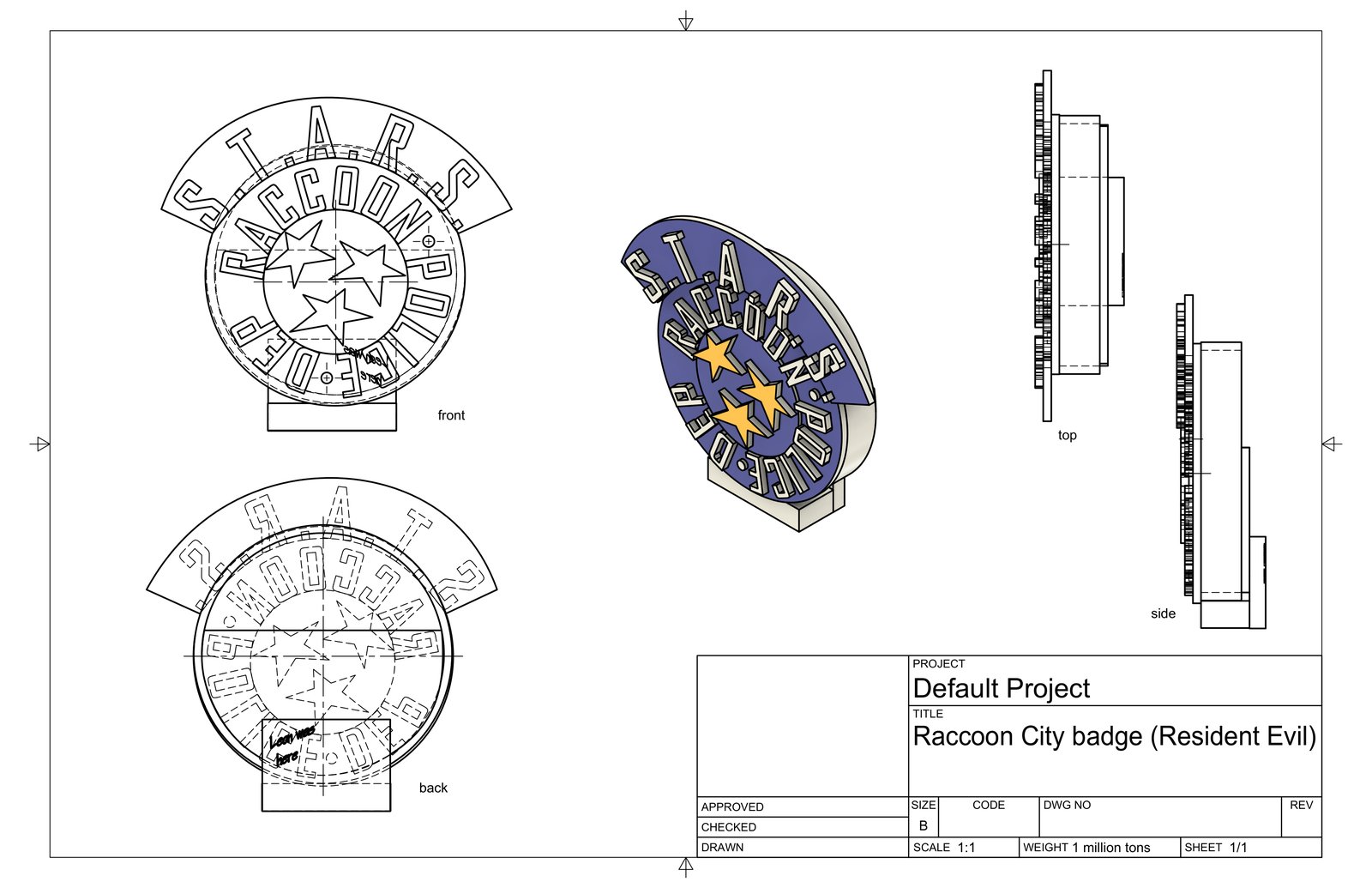
Digitization exercise: pick a real object, model it to scale in Fusion 360, produce a dimensioned technical drawing, and render it into a real-world scene.
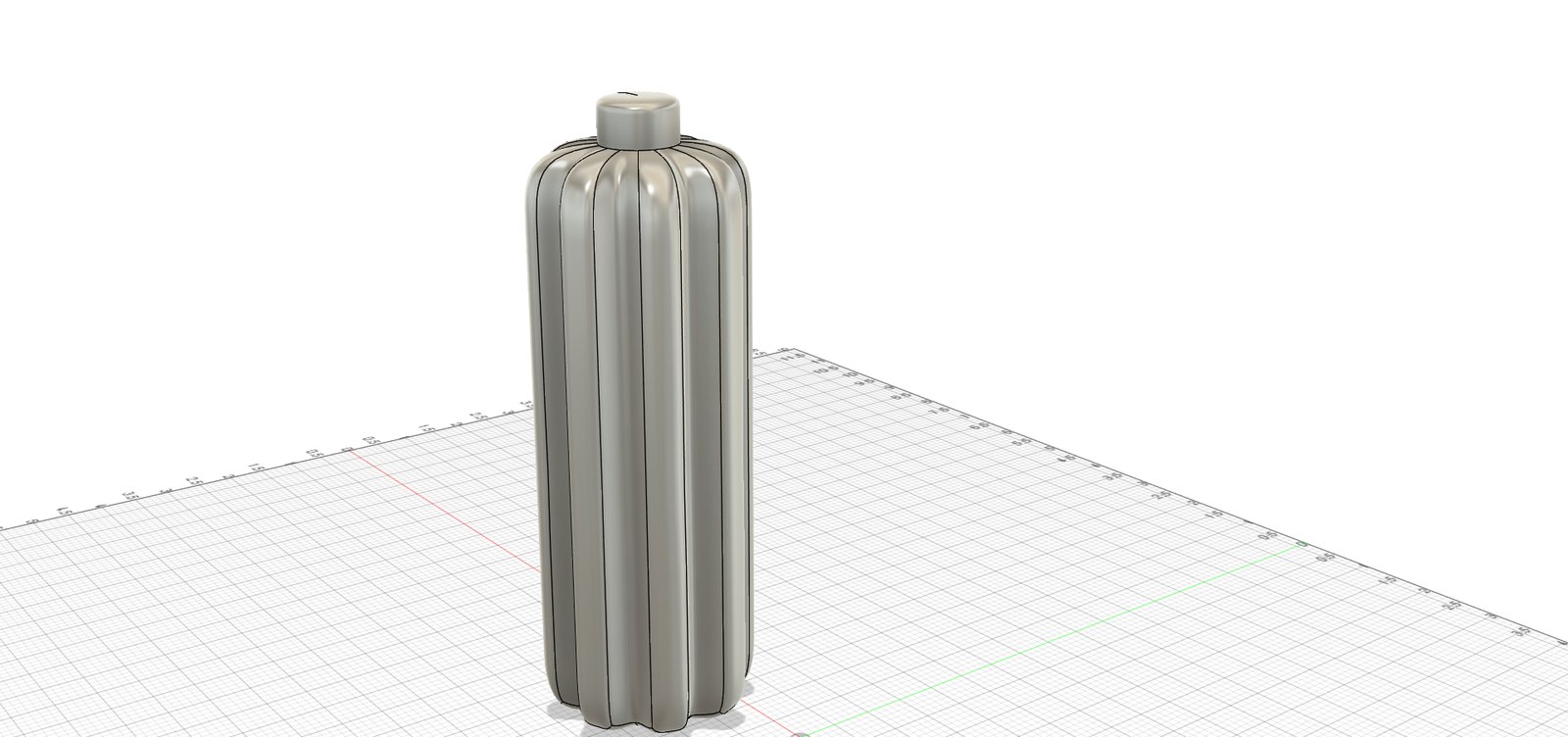
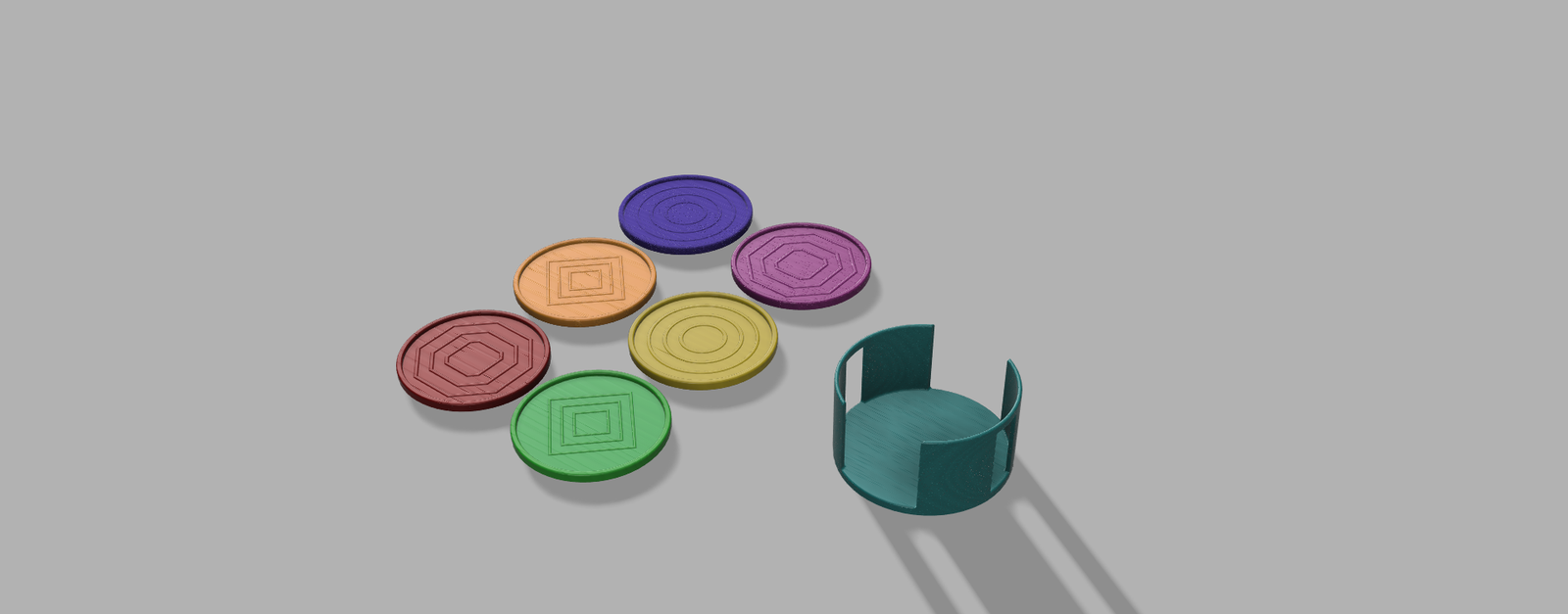
A grab bag of additional Fusion 360 modeling exercises and Blender renders that don't fit neatly into the categories above. More going up here as they turn up.
Authored the Physical Computing with Arduino & Circuit Playground resource library in 2023 for the state of NJ's after-school CS cohort, under the NJ DOE's Computer Science for All grant. Published through TCNJ's Center for Excellence in STEM Education and freely available to teachers across the state.
View the published resources →